










Apricot Auto: Enhanced Generation
- 1. Apricot auto: enhanced generation
Apricot Auto: Enhanced Generation
The Beginning of a New Journey
Today we finally turn our attention to Apricot Auto. Our goal is simple, but the work behind it is anything but simple. We want to take this variety and make it even better through careful selection, strict testing, and continuous improvement. Only after the entire process is complete will we truly understand what has been achieved.
If you are ready to follow the full journey from beginning to end, get comfortable and join us as we document every stage of the process.
Starting with the Fathers
As many of you already know from our previous articles, every cycle begins with the fathers. We usually start with between 20 and 30 plants, knowing very well that only one of them will remain at the end.
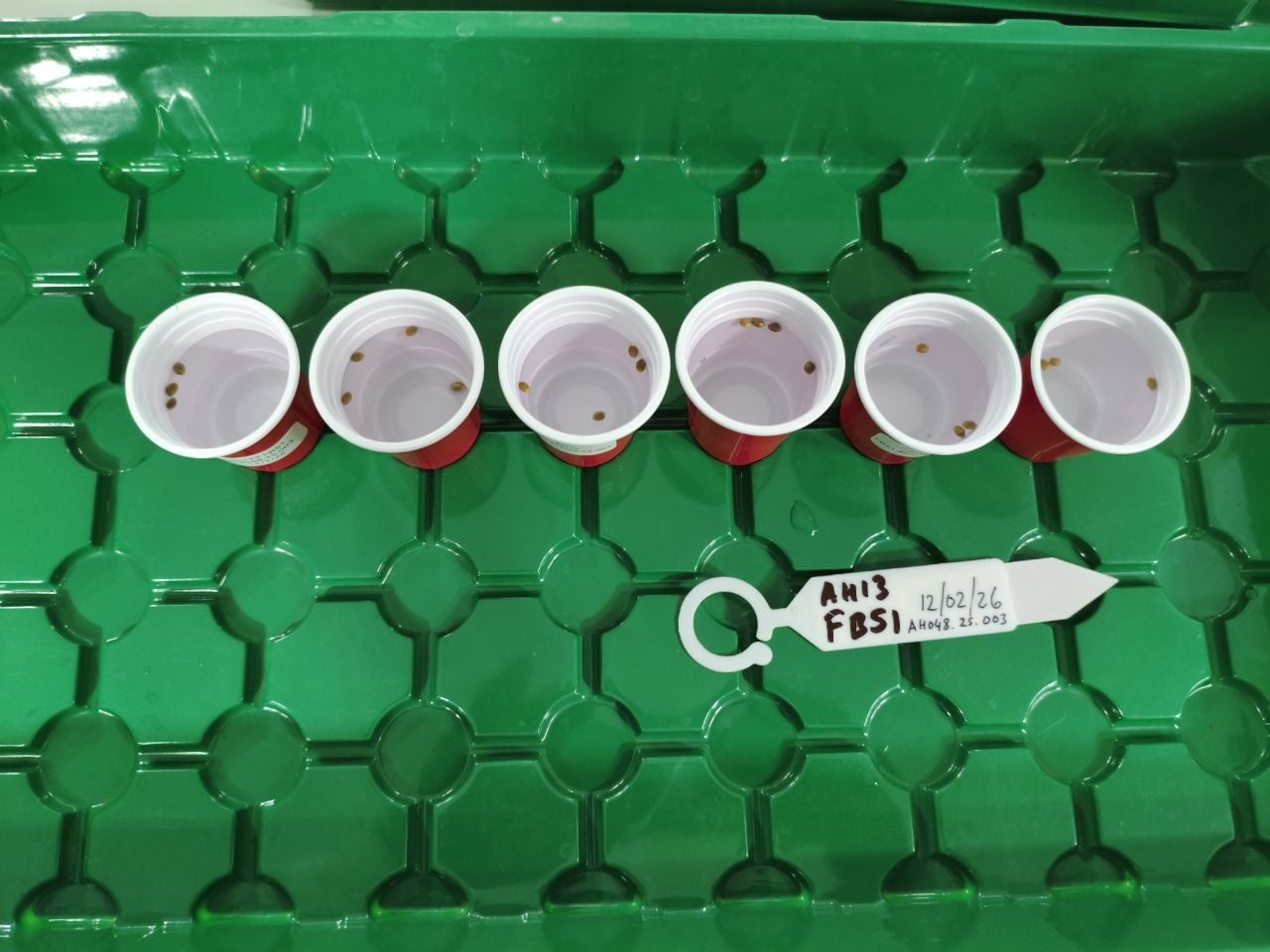
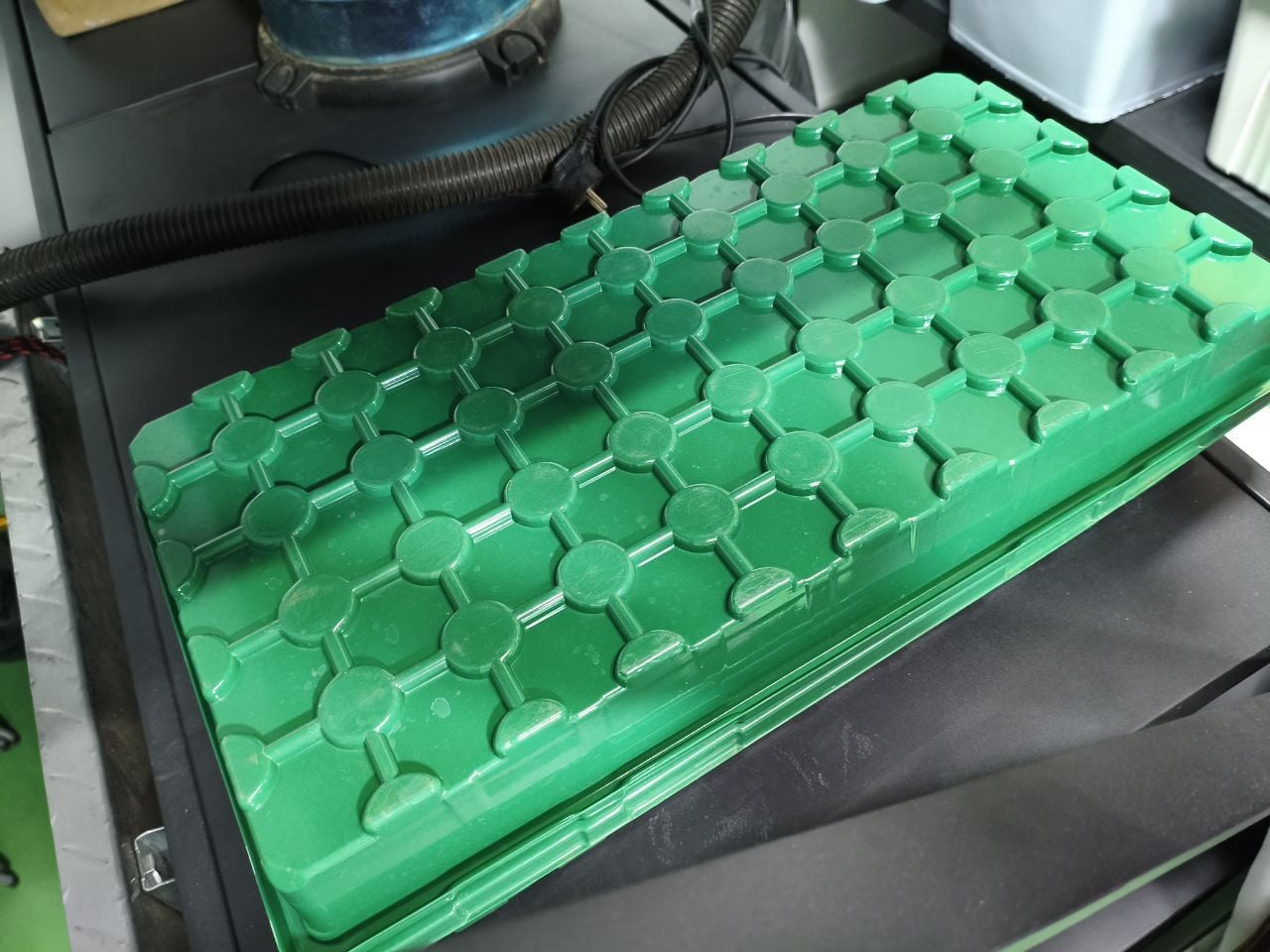
This is one of the most challenging and exciting parts of the entire project. Choosing the final father is never easy. By the time selection reaches its final stage, it is common to have five to eight excellent candidates remaining. At that point, every decision matters, and even the smallest details can influence the outcome.
Early Development
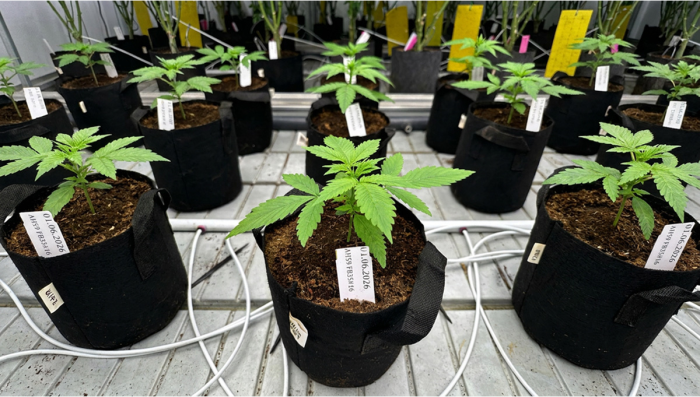
In Thailand, we work with peat starter plugs that are first soaked in water before use. Proper preparation is important, and even something as simple as water quality plays a role in achieving a consistent start.
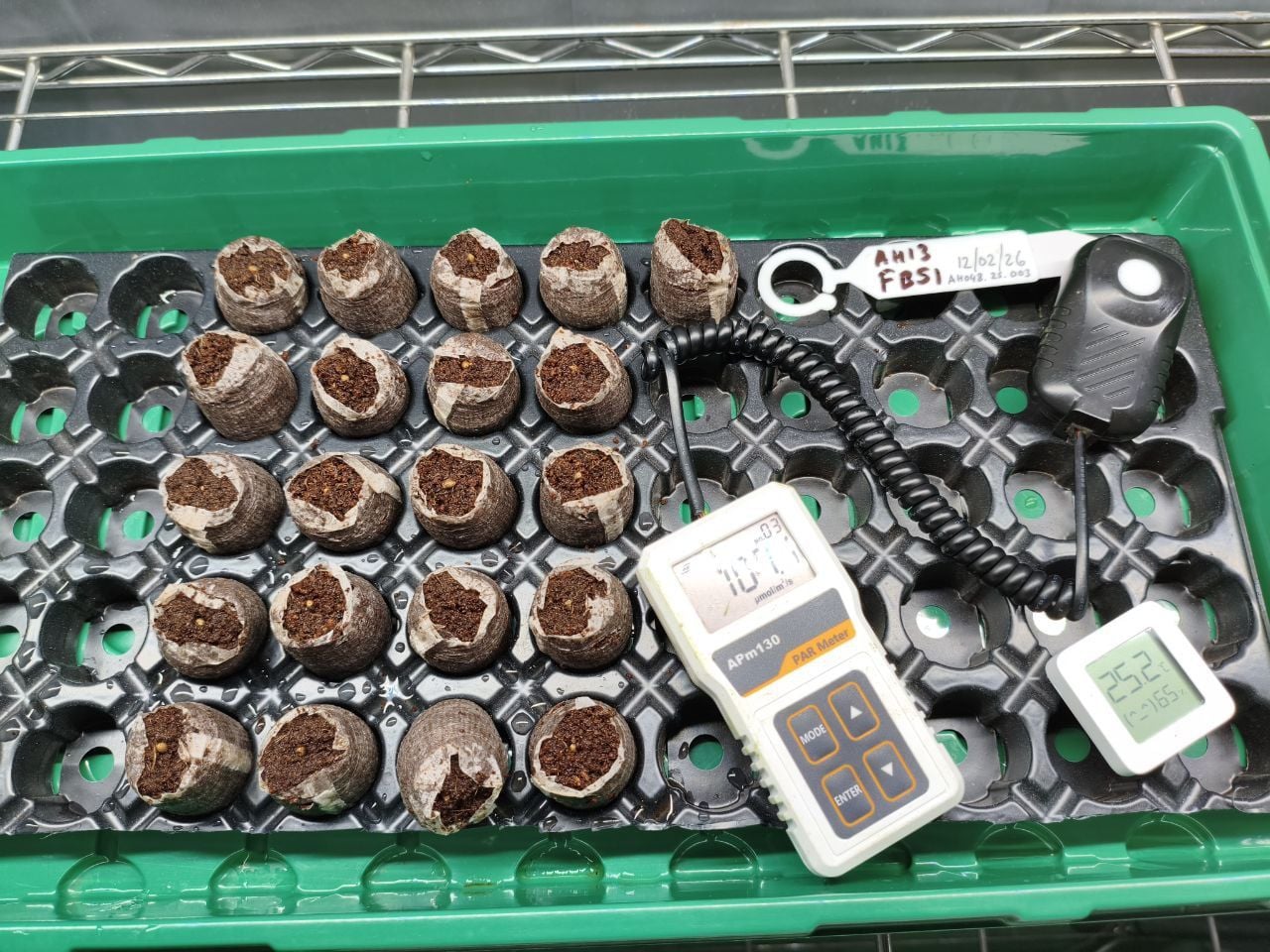
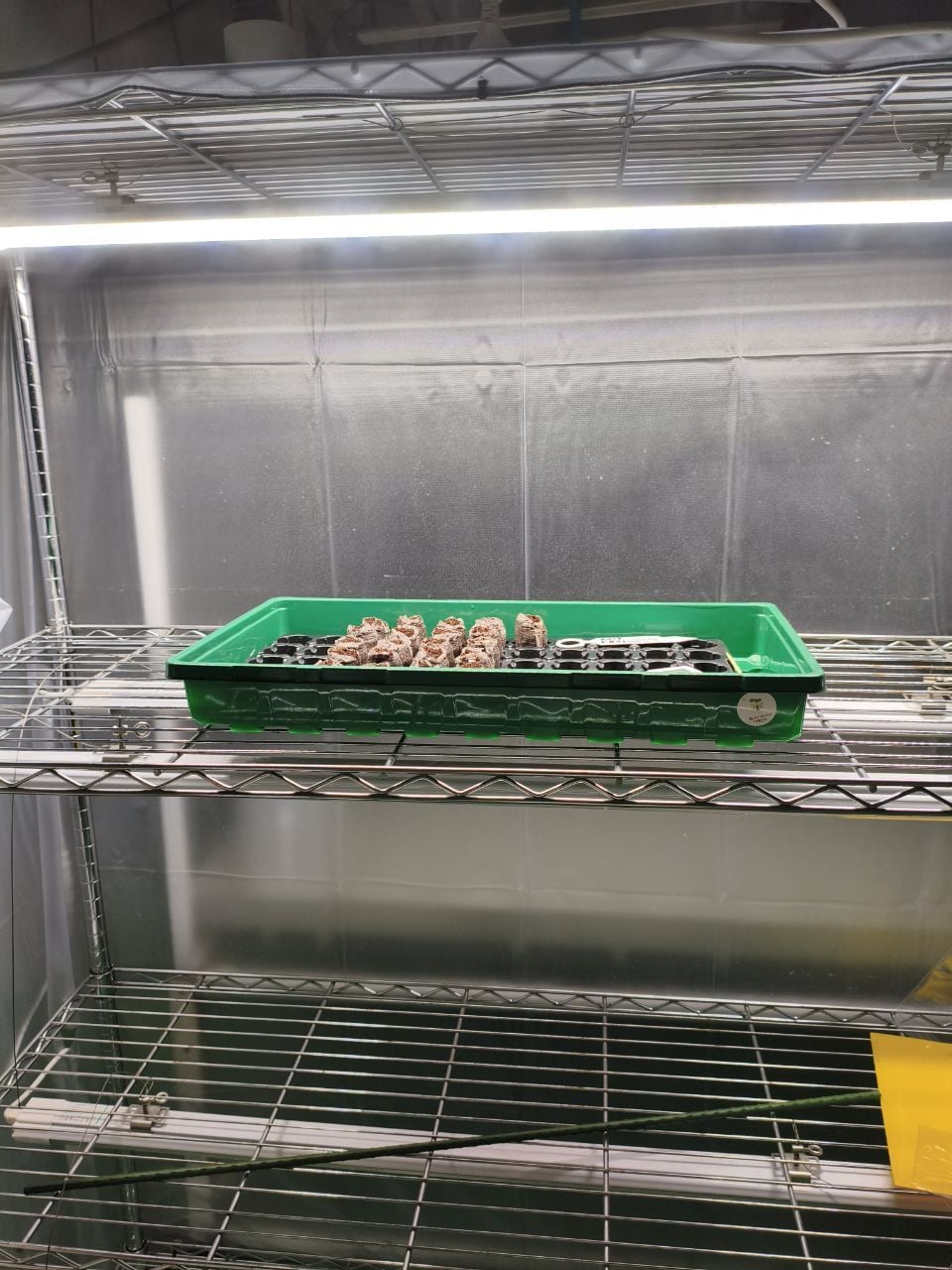
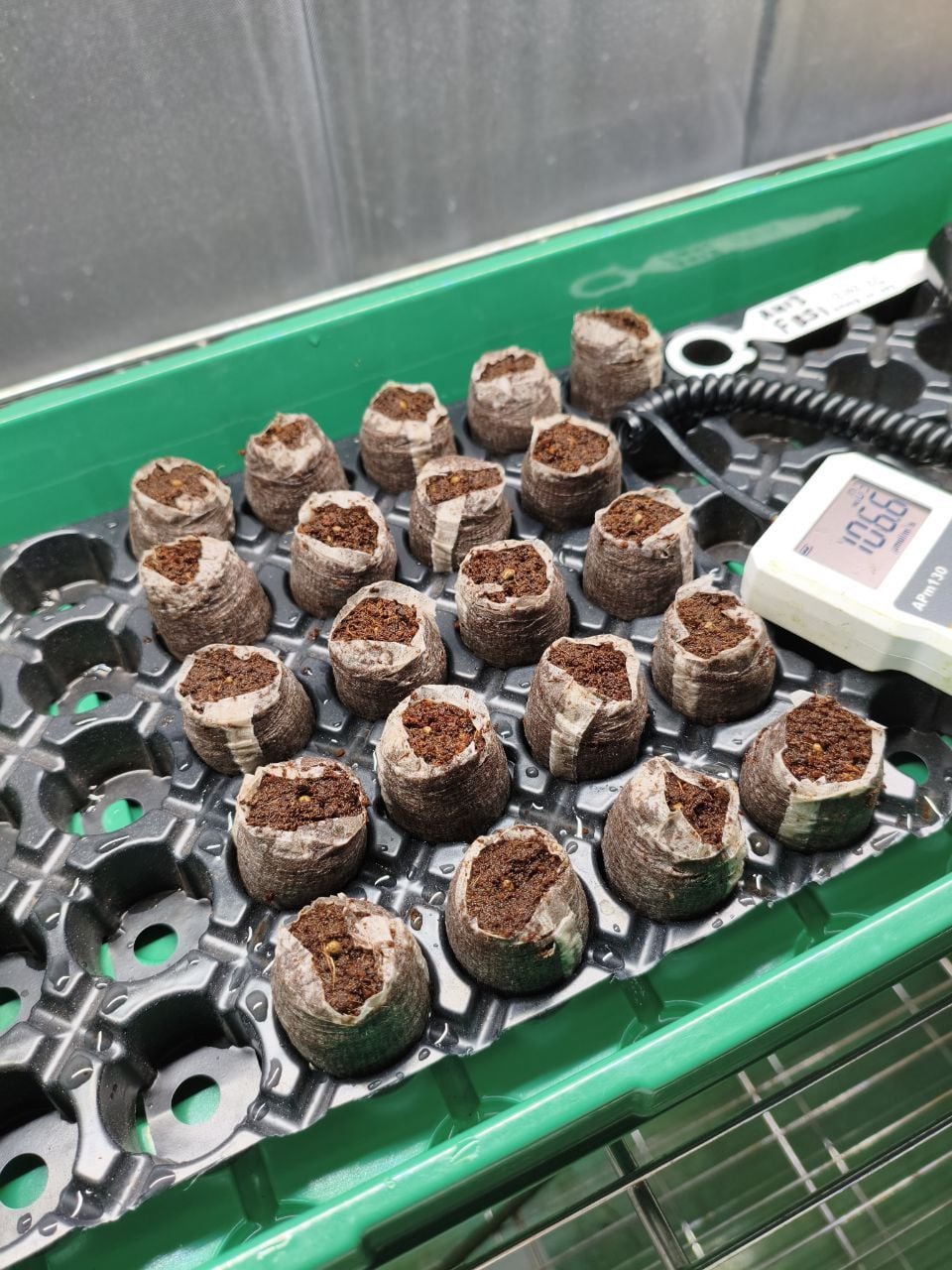
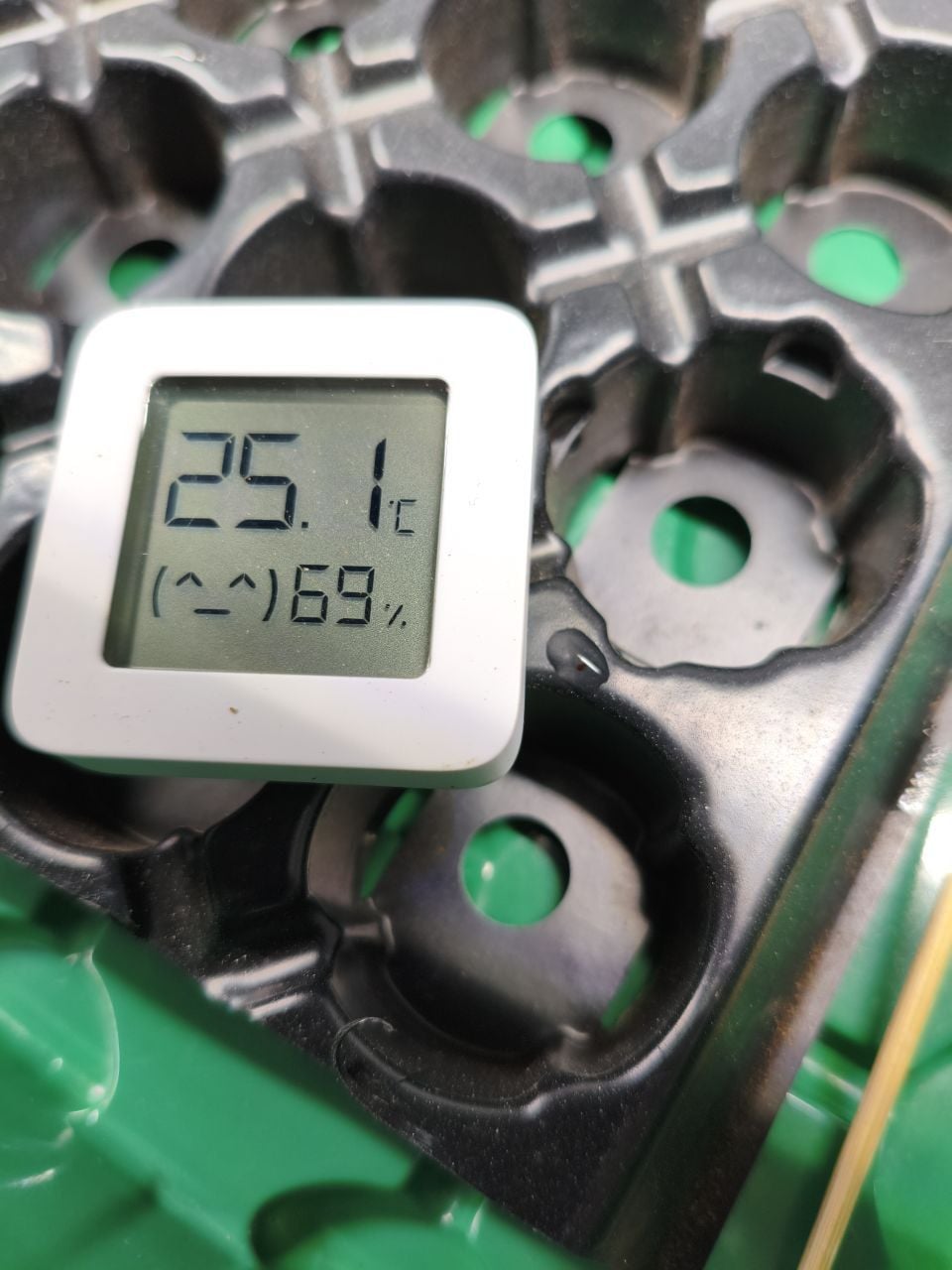
The fathers are always planted first, allowing them to begin their development ahead of the rest of the cycle.
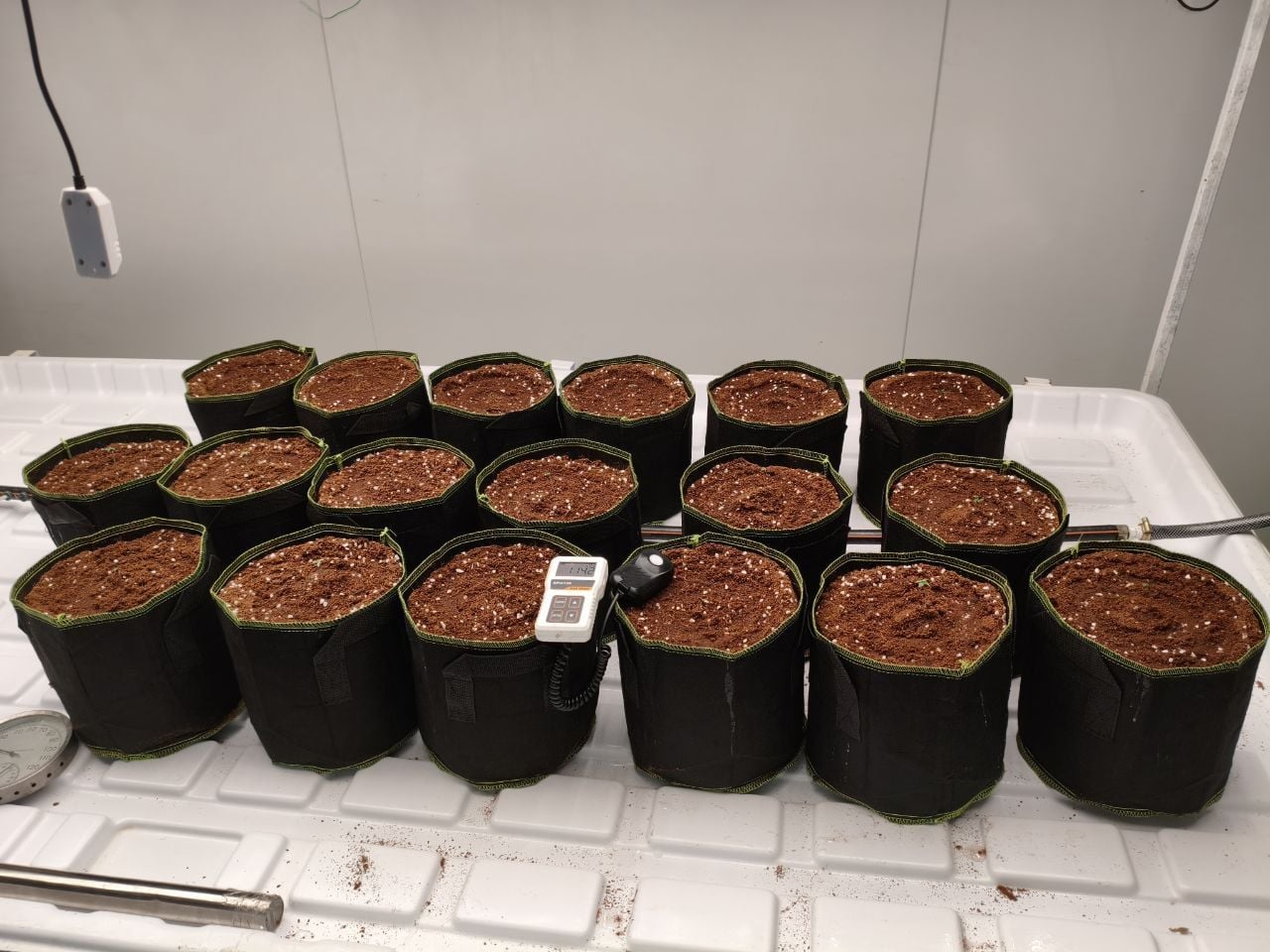
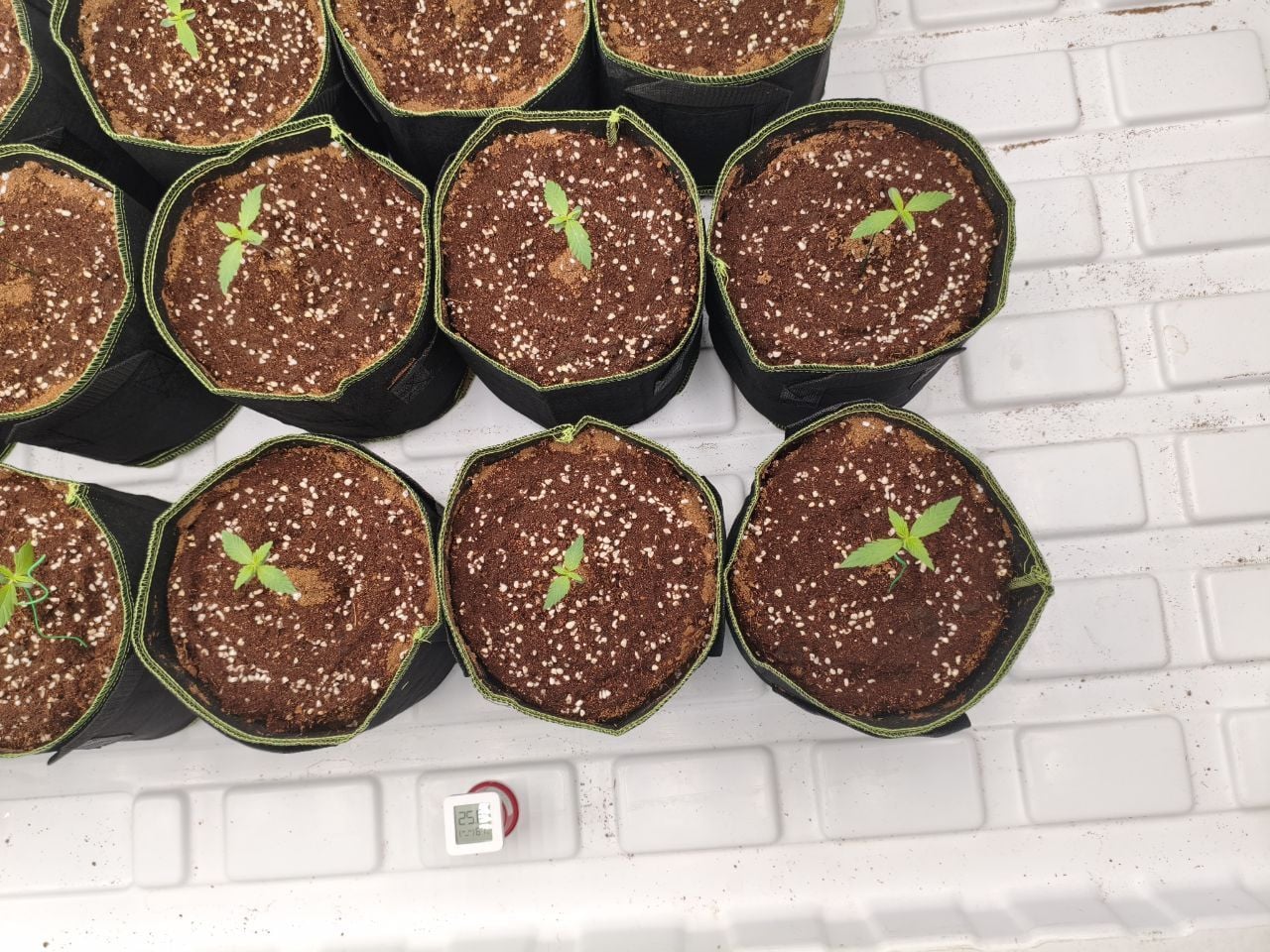
During this stage, our job is observation. We watch how the plants grow, how they respond to their environment, and whether they display the characteristics we are looking for.
As the cycle progresses, some plants may show signs that they are not suitable for the project. If a plant falls behind or fails to meet our standards, it is removed immediately. There is no reason to waste valuable space on genetics that do not belong in the final selection.
Introducing the Mothers
Once the fathers have gained some size and established themselves, it is time to begin with the mothers. They are started using the same process and the same level of attention to detail.
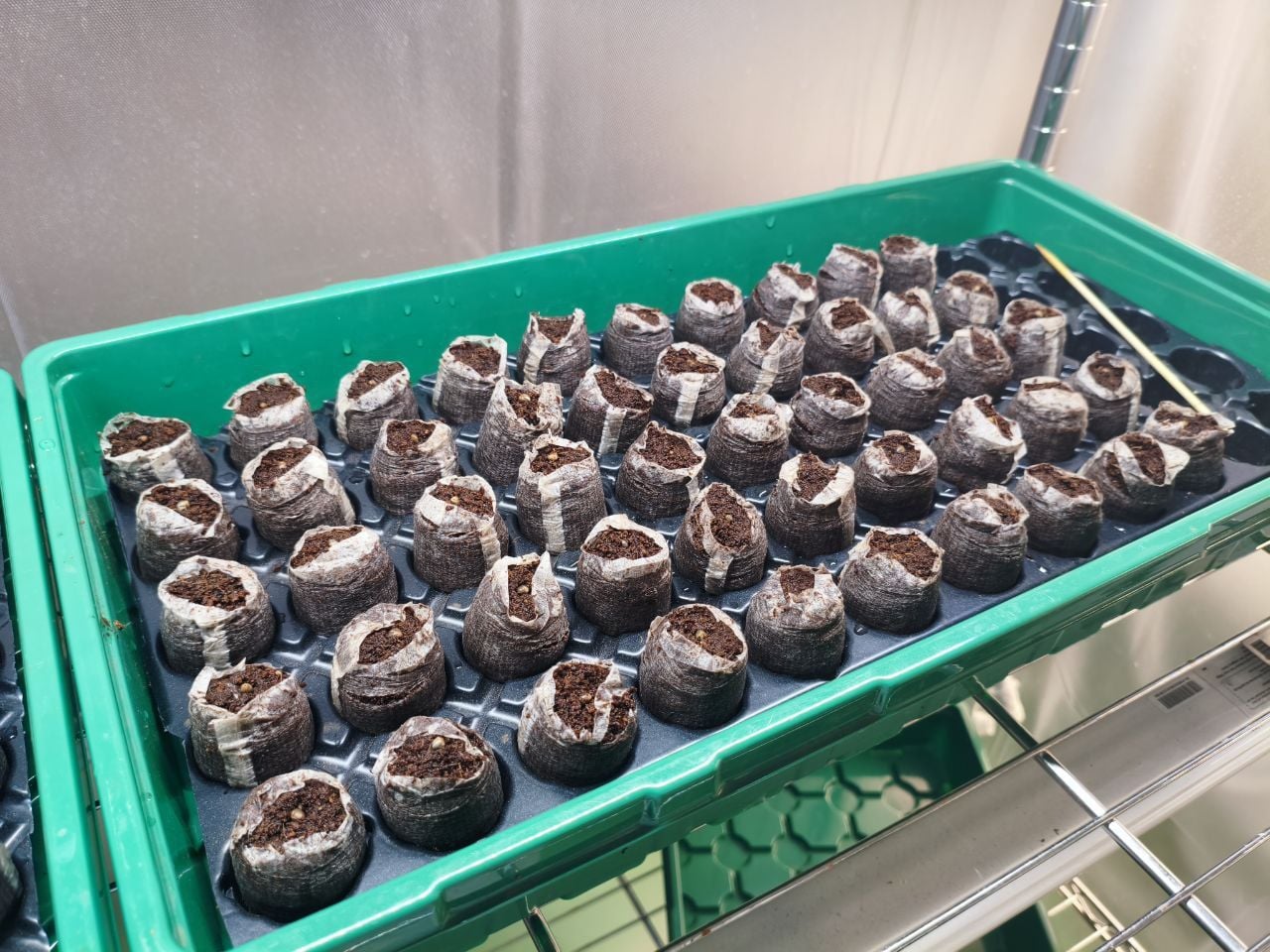
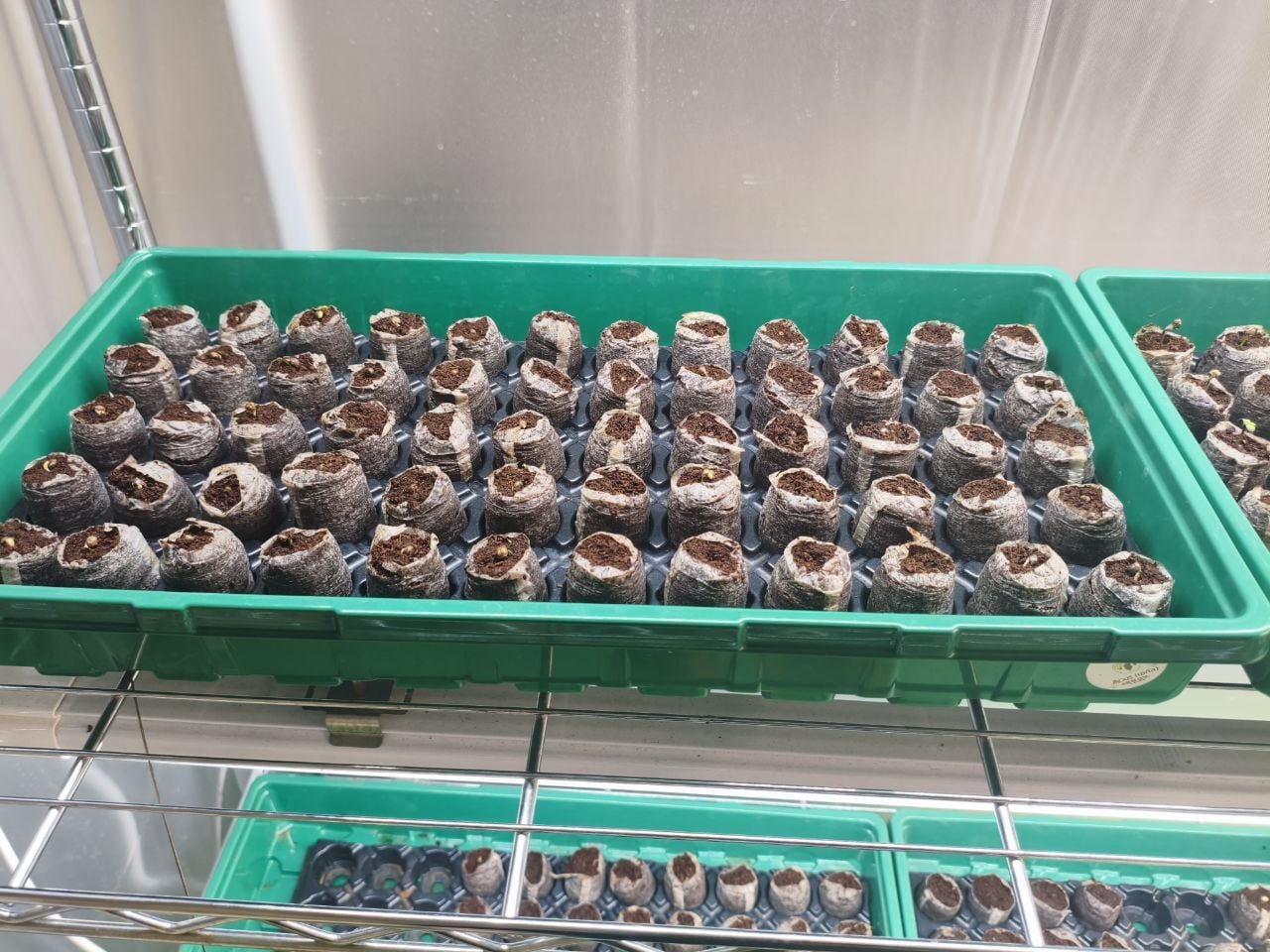
These plants will eventually receive pollen from the selected father, making them a critical part of the project. Their development must be synchronized carefully with the fathers so that both sides of the cycle reach the right stage at the right time.
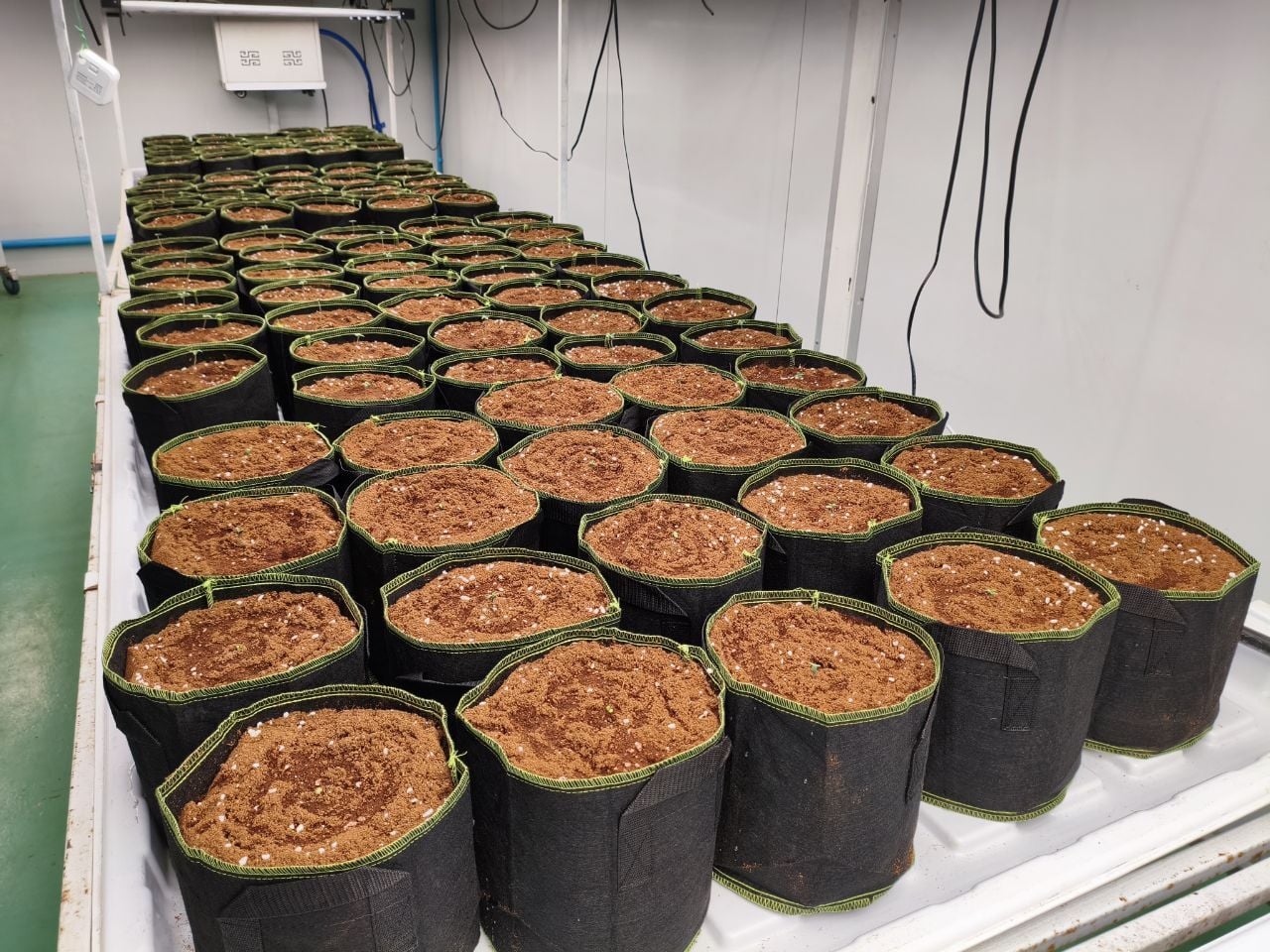
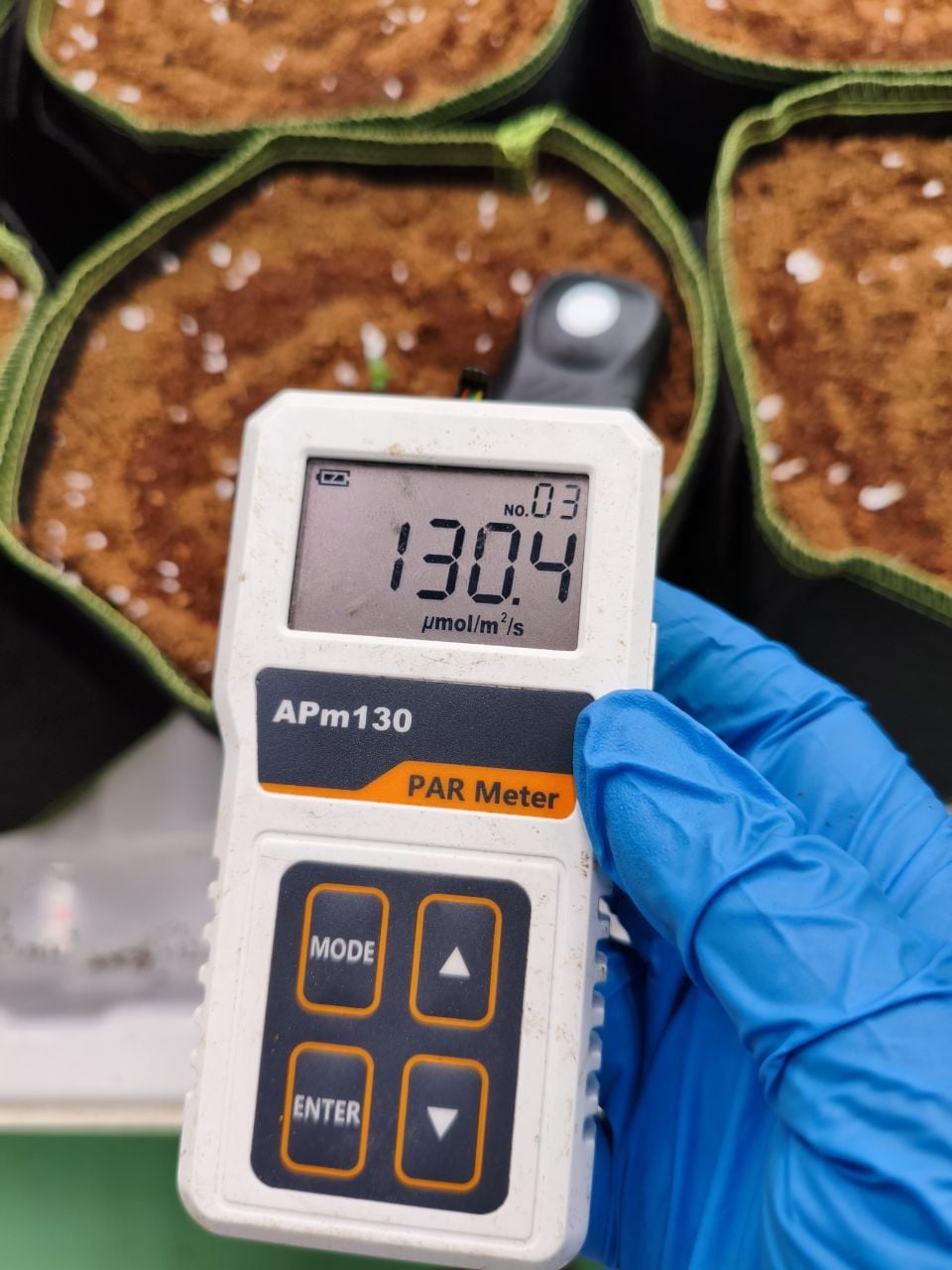
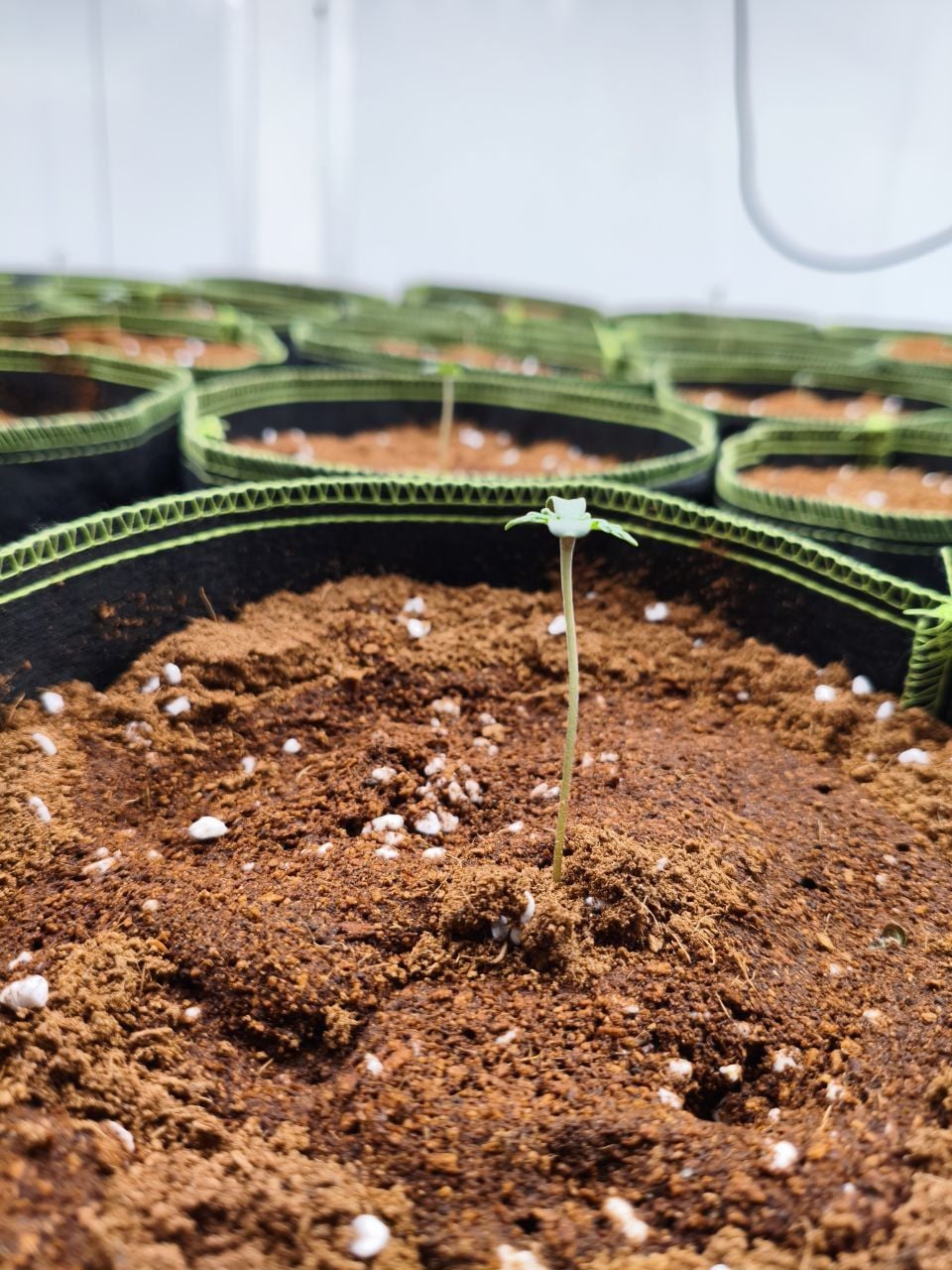
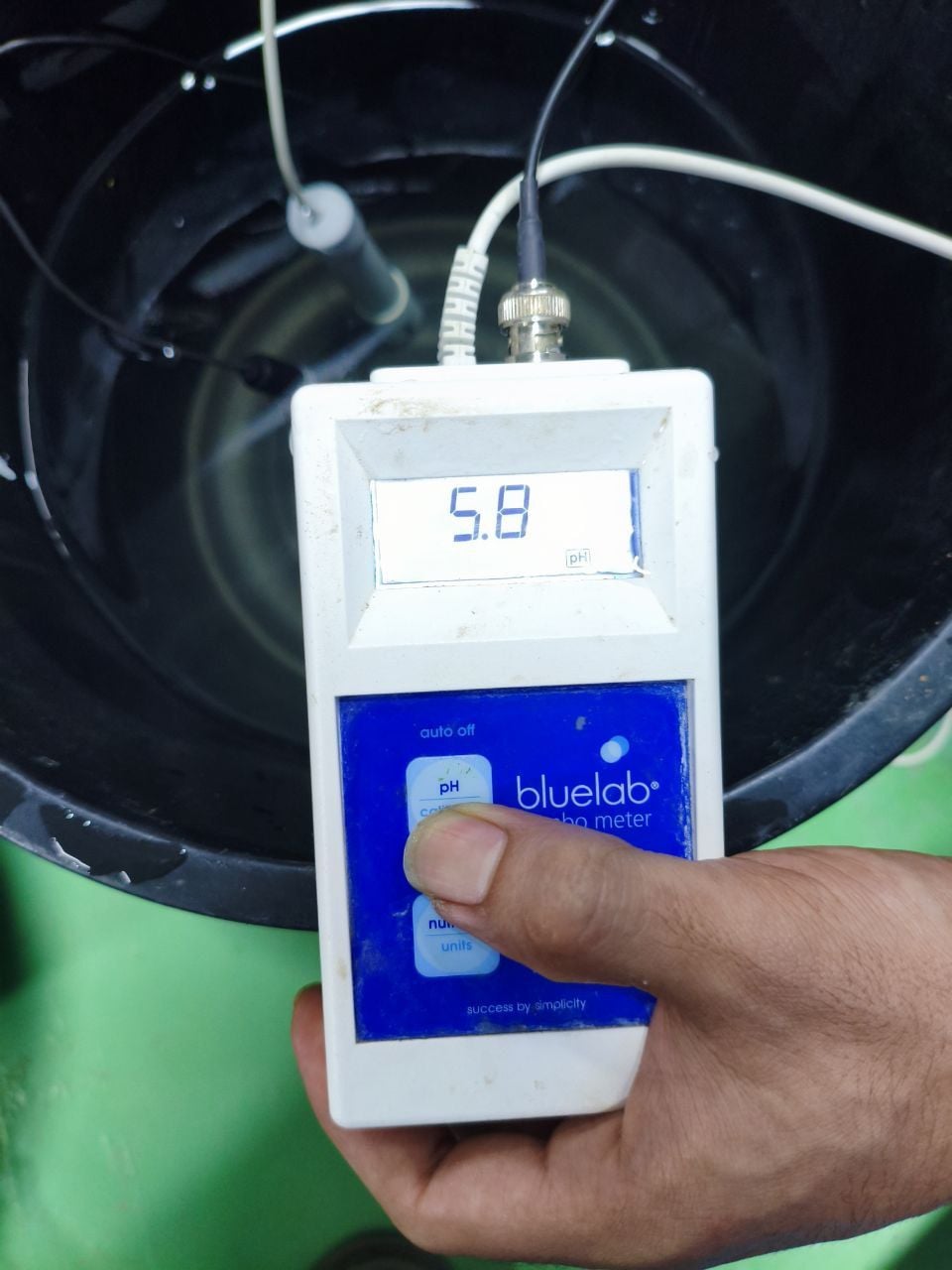
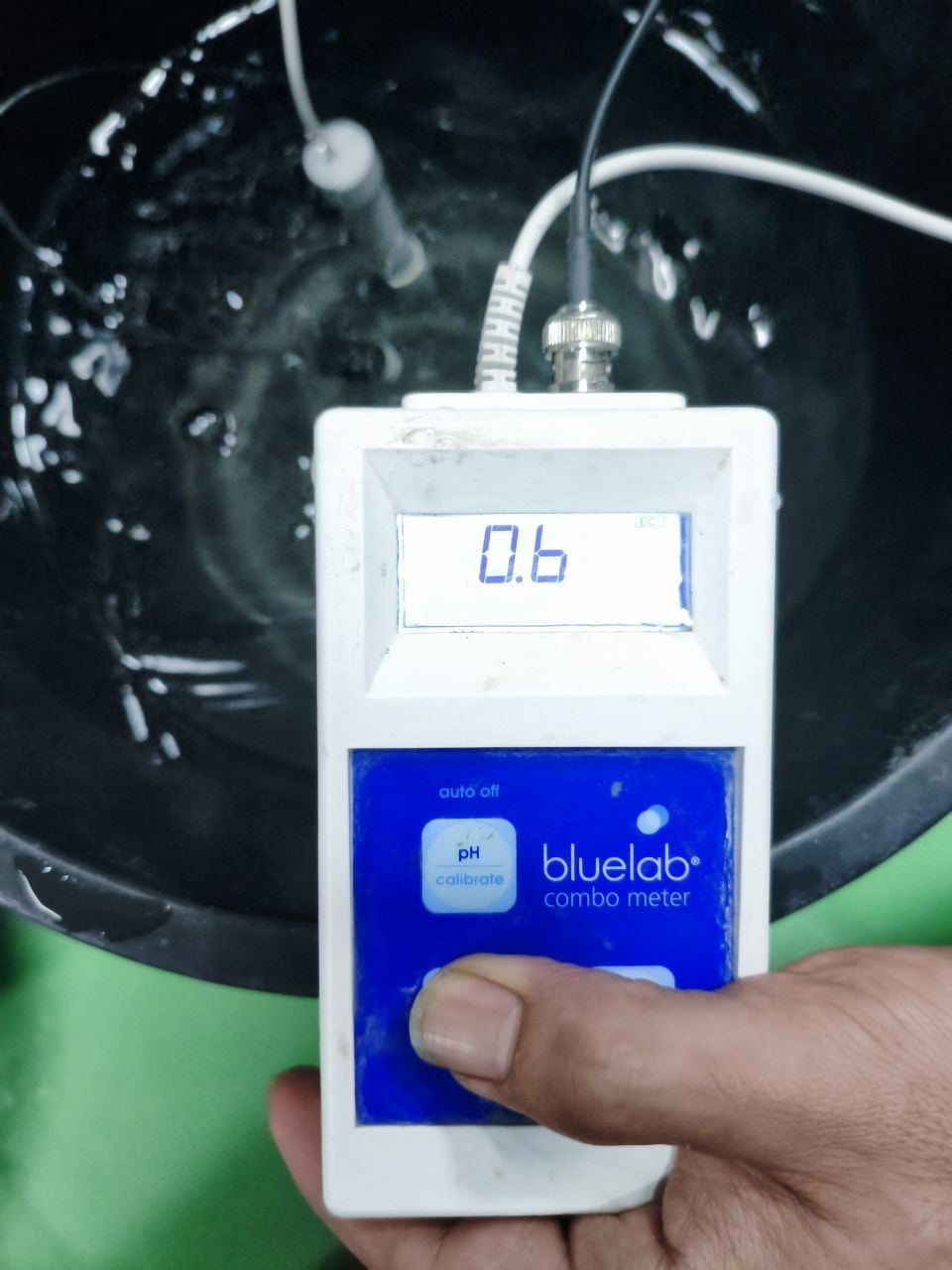
For now, the journey is only beginning. Many decisions still lie ahead, and the most exciting stages are yet to come. As the plants continue to develop, we will share every important step and show how the next generation of Apricot Auto takes shape.
Monitoring & Early Selection
Over the next couple of weeks, our focus shifts entirely to observation. Both the fathers and the mothers are monitored every single day as they continue their development. This stage may appear simple, but it lays the foundation for everything that follows.
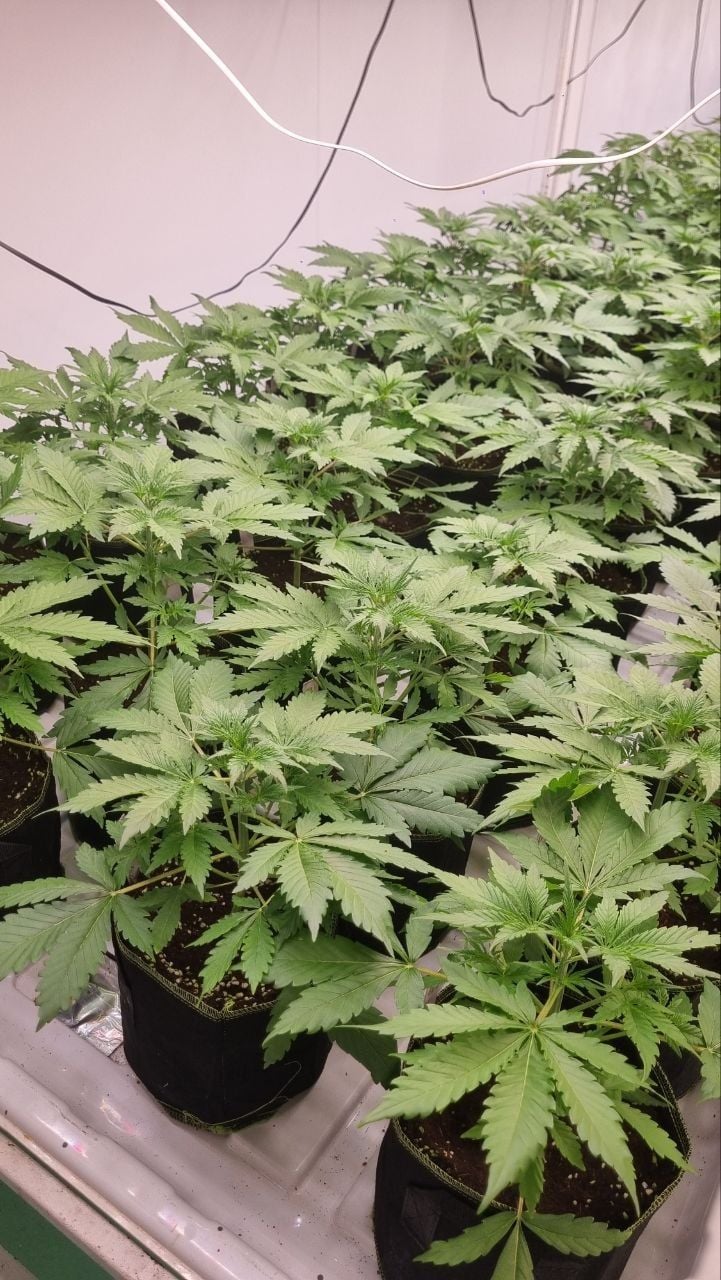
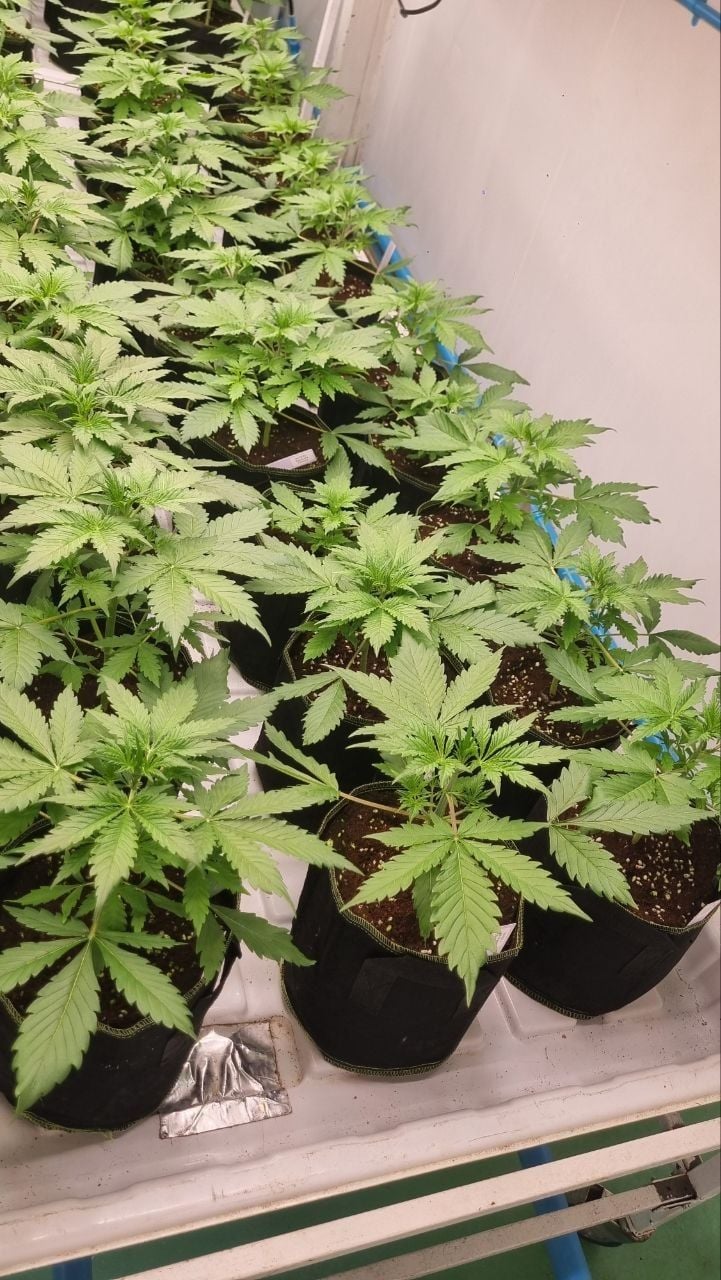
Small selections begin almost immediately. If a young plant shows weak growth, poor structure, or simply doesn't meet our standards, it is removed without hesitation. Every position in the room is valuable, and we prefer to invest our time and space into genetics that demonstrate strong potential from the very beginning.
The Beginning of Reversal
As the fathers become larger, timing becomes one of the most important factors of the entire cycle.
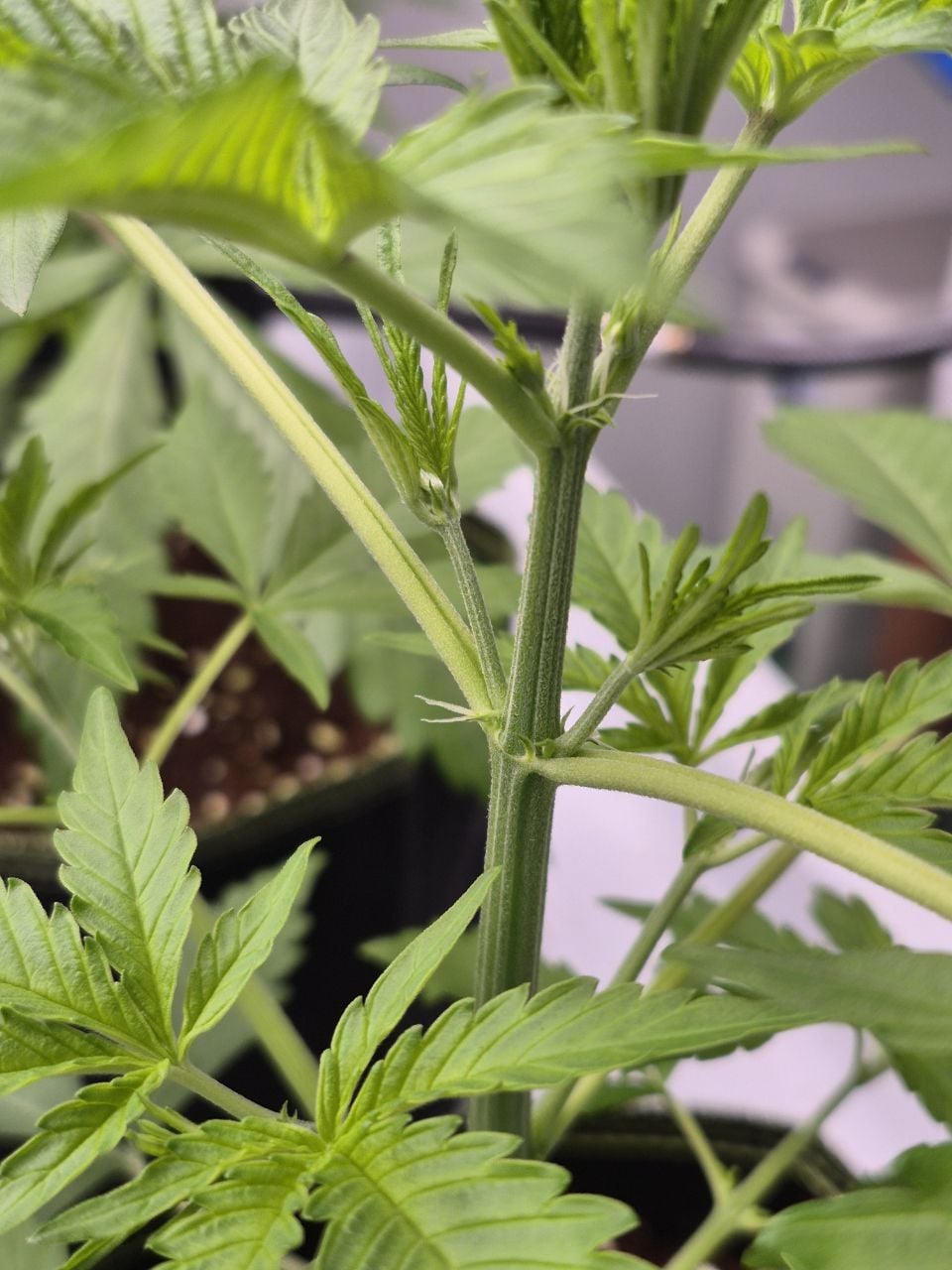
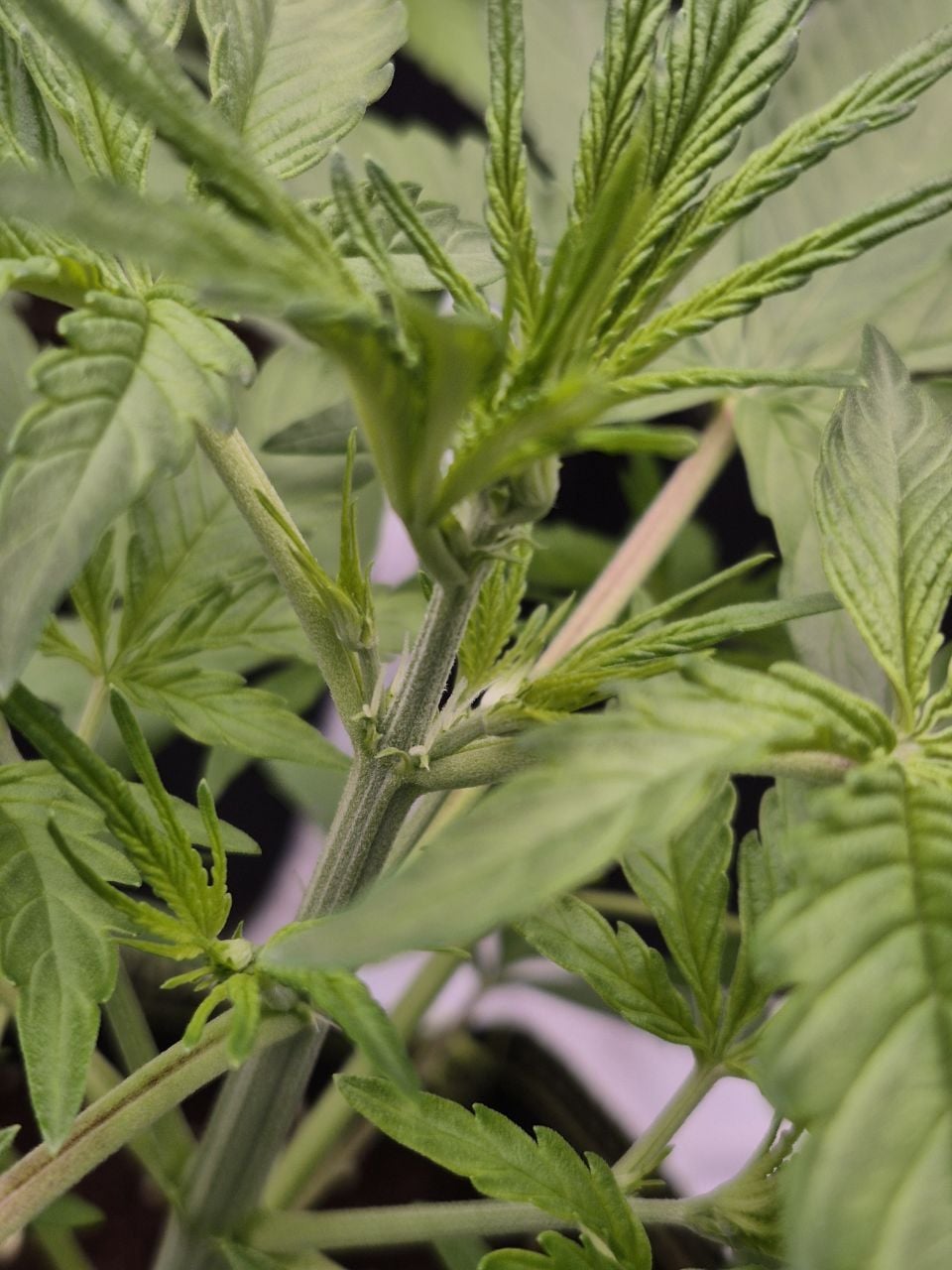
We carefully monitor the appearance of the first stigmas because this determines the perfect moment to begin STS applications.
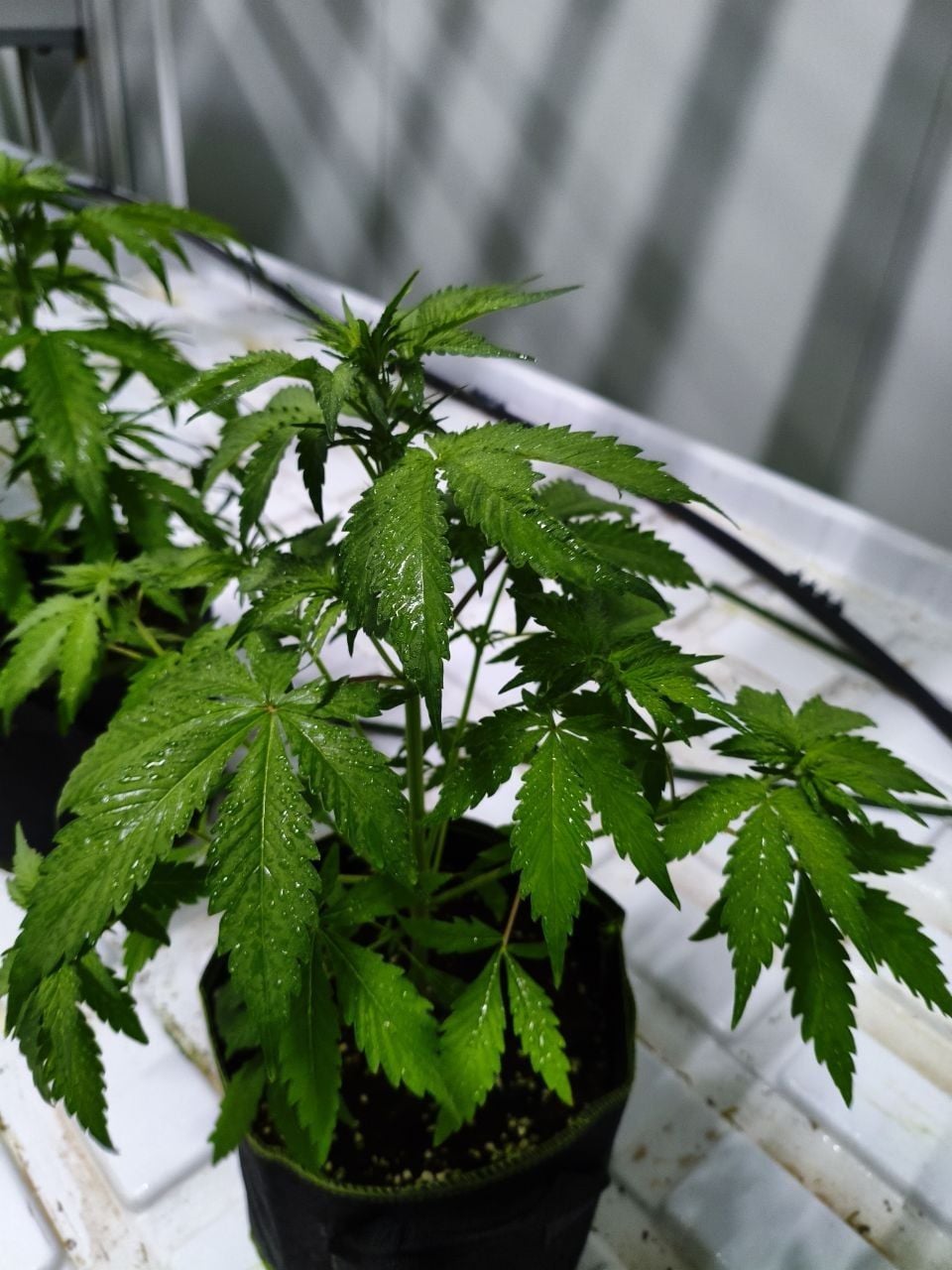
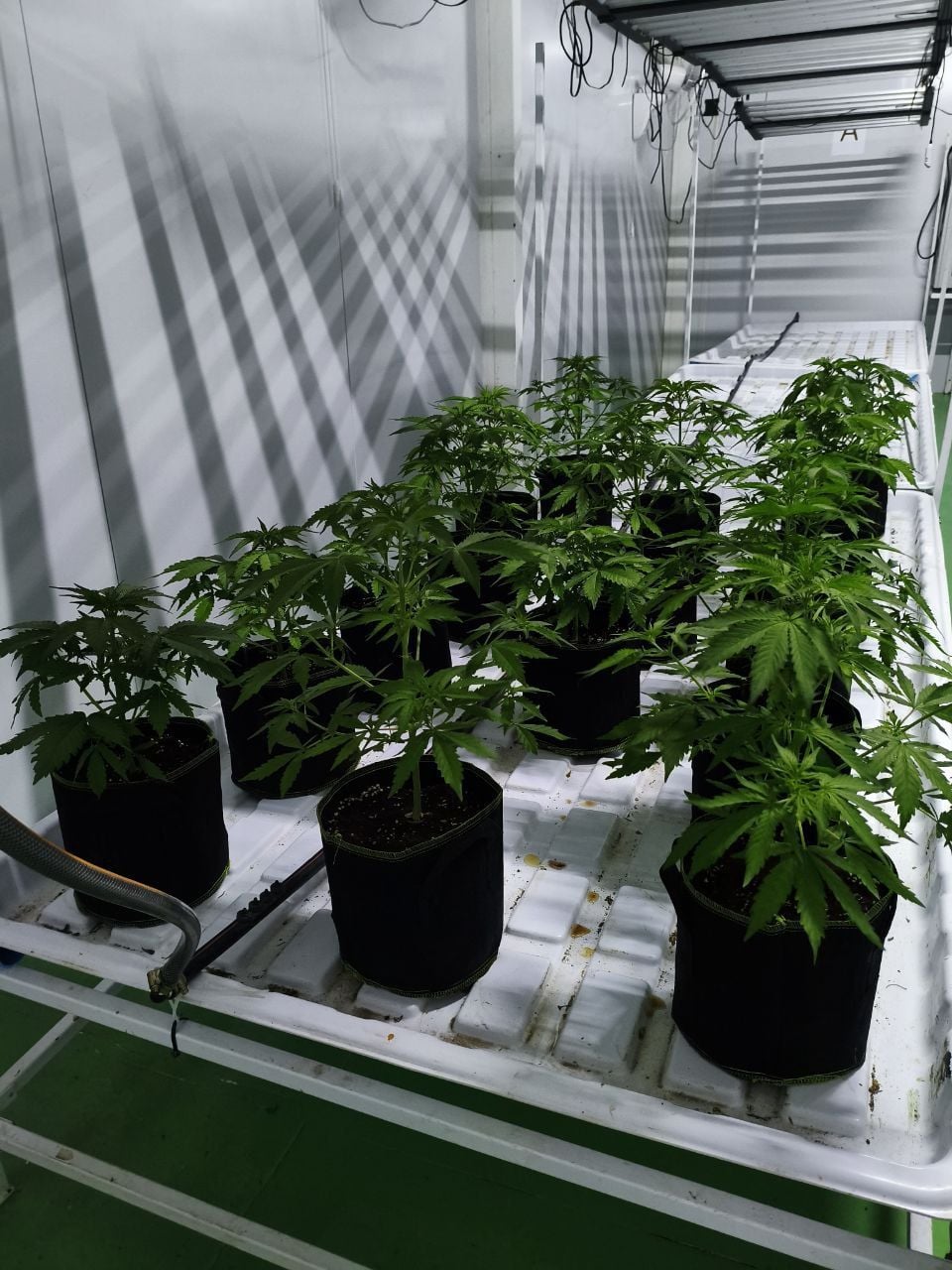
Not every father reaches this stage. Before the first spray, another selection takes place, ensuring that only the strongest candidates continue into the reversal process.
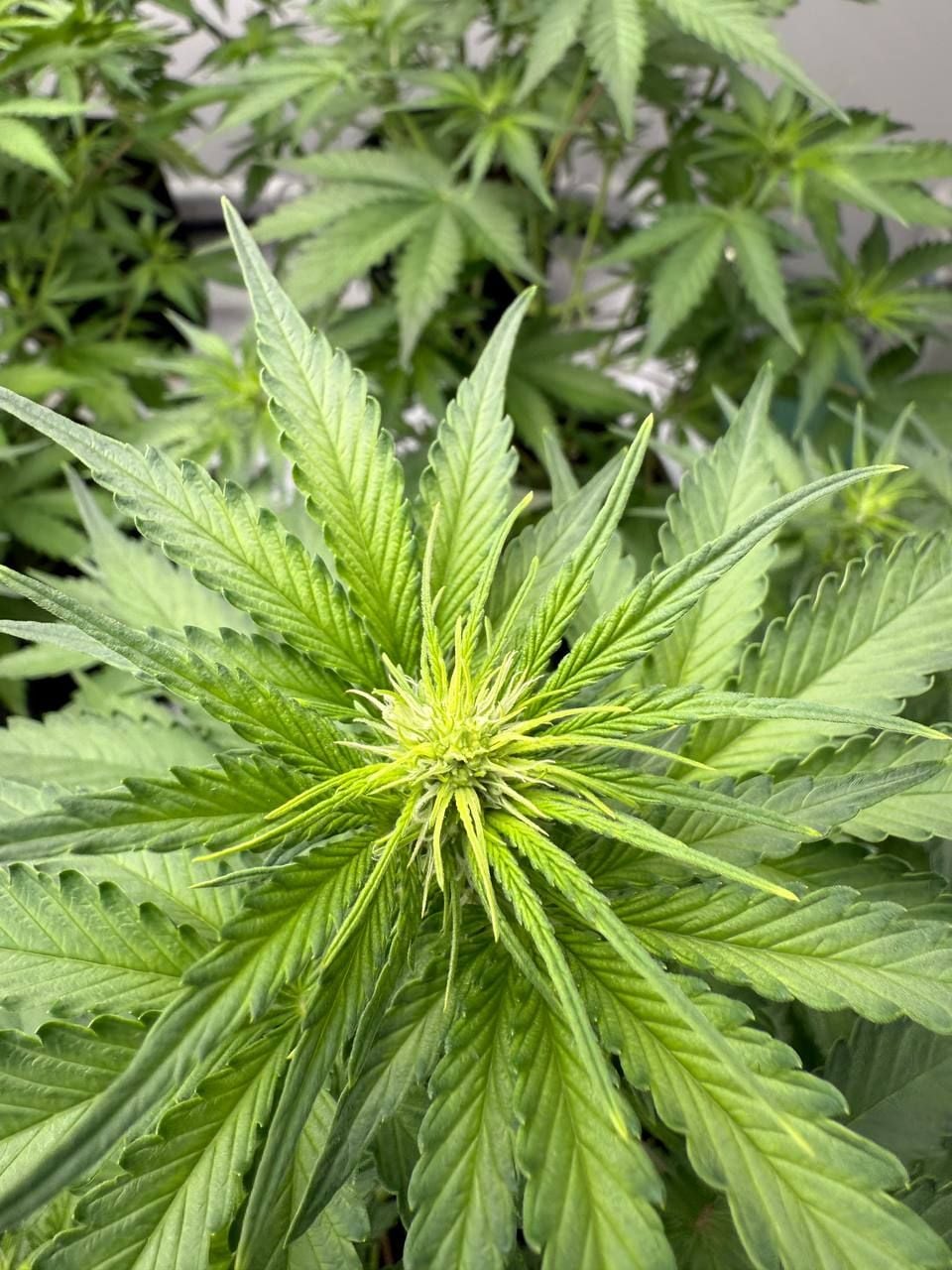

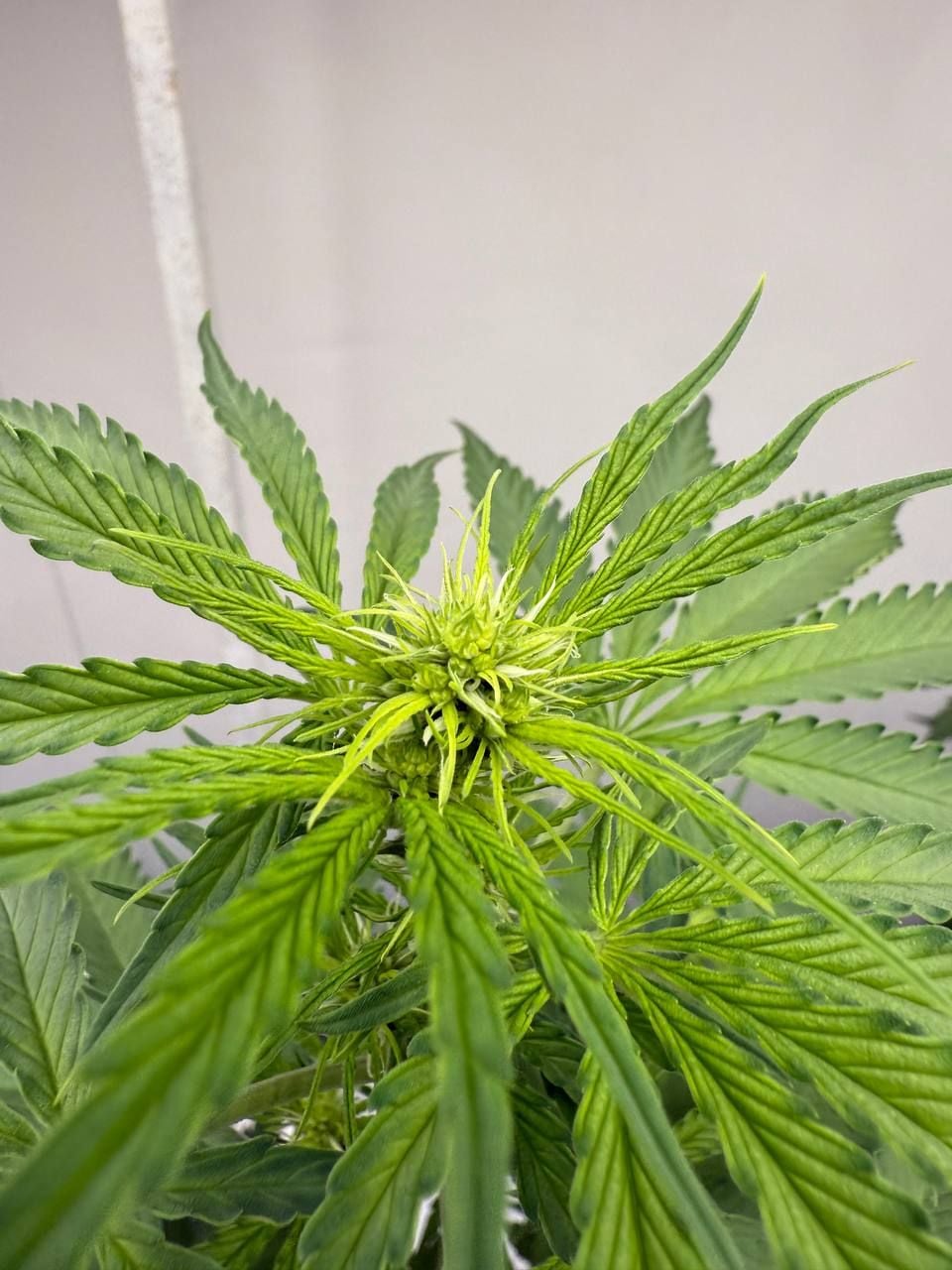
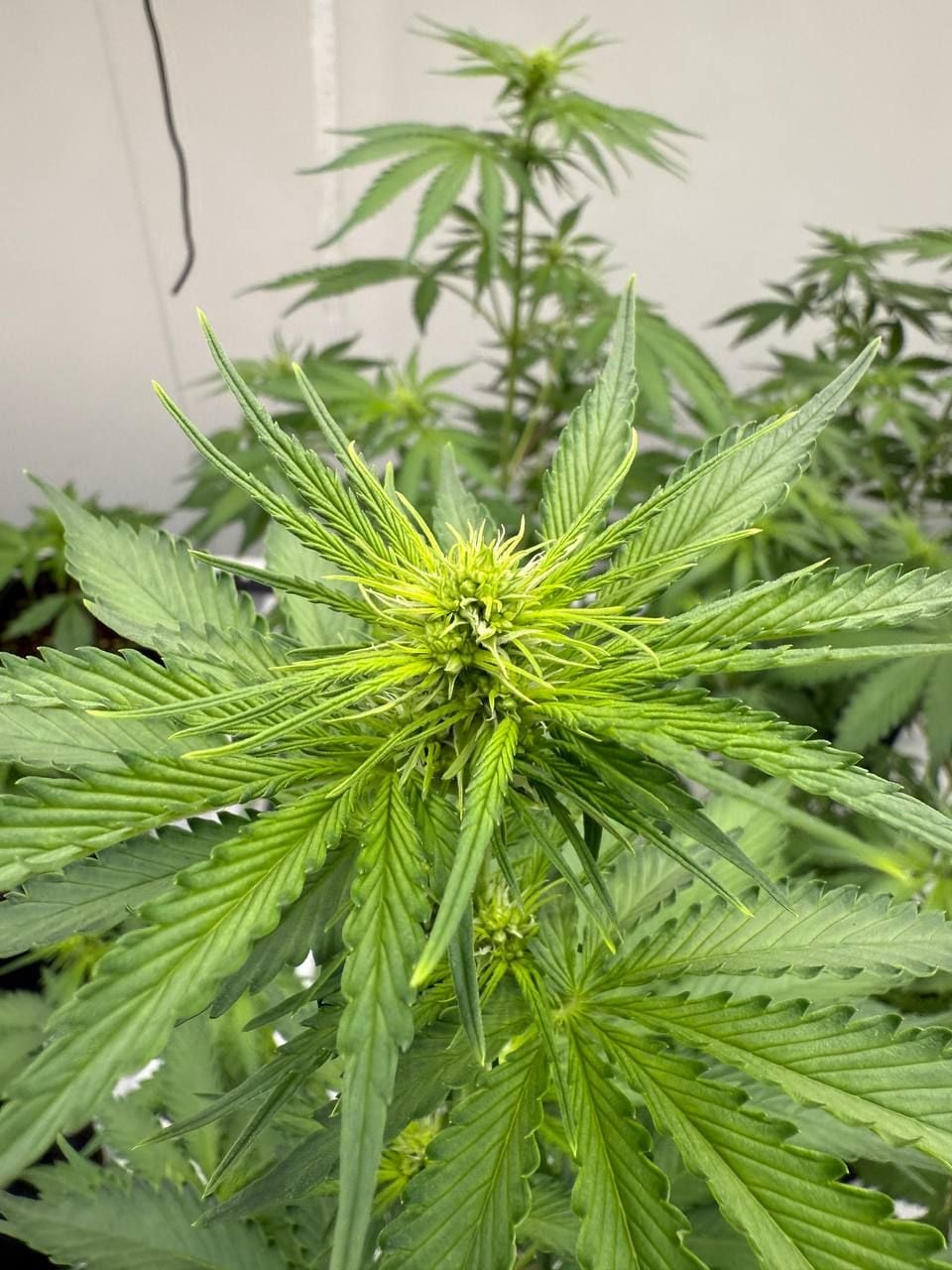
STS applications are carried out several times over the following days. After the second and third treatments, the first male characteristics begin to appear, allowing us to evaluate the candidates even more accurately.
Choosing the Final Father
This is one of the hardest decisions in the entire project. The selection gradually becomes stricter. First, five plants are removed from twenty.
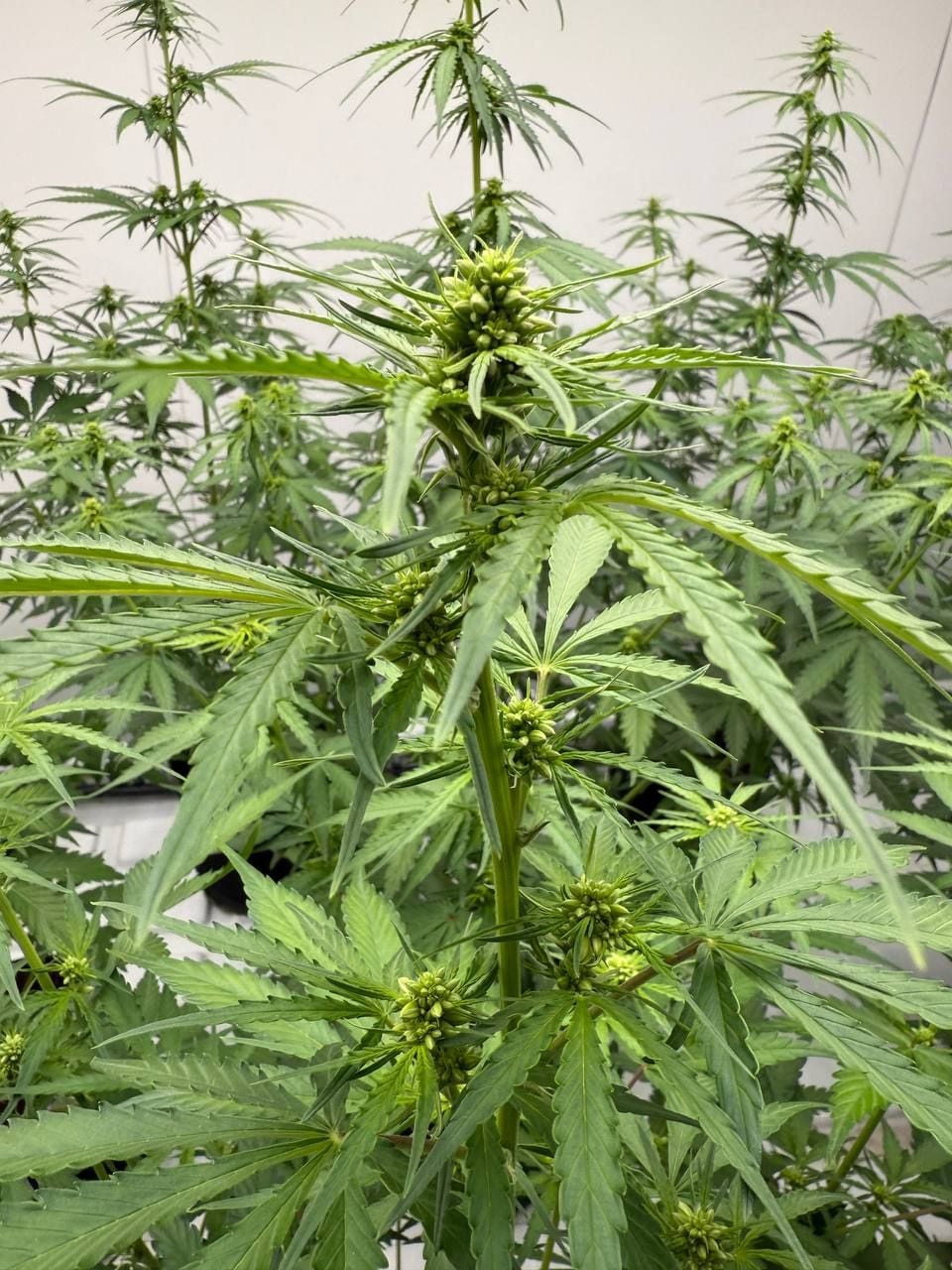
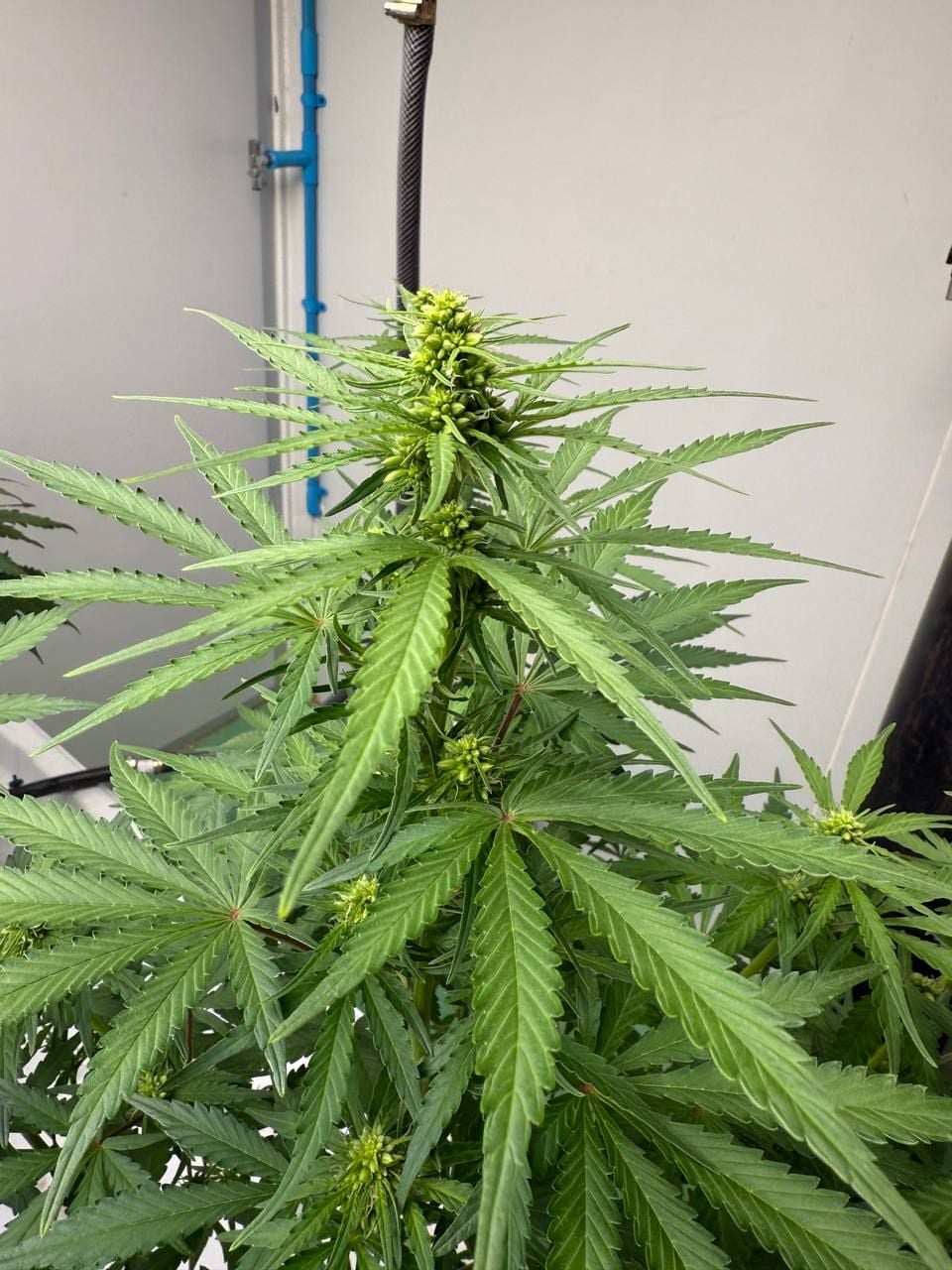
Then another five from fifteen. Then five from ten. Step by step, the group becomes smaller until only one father remains.
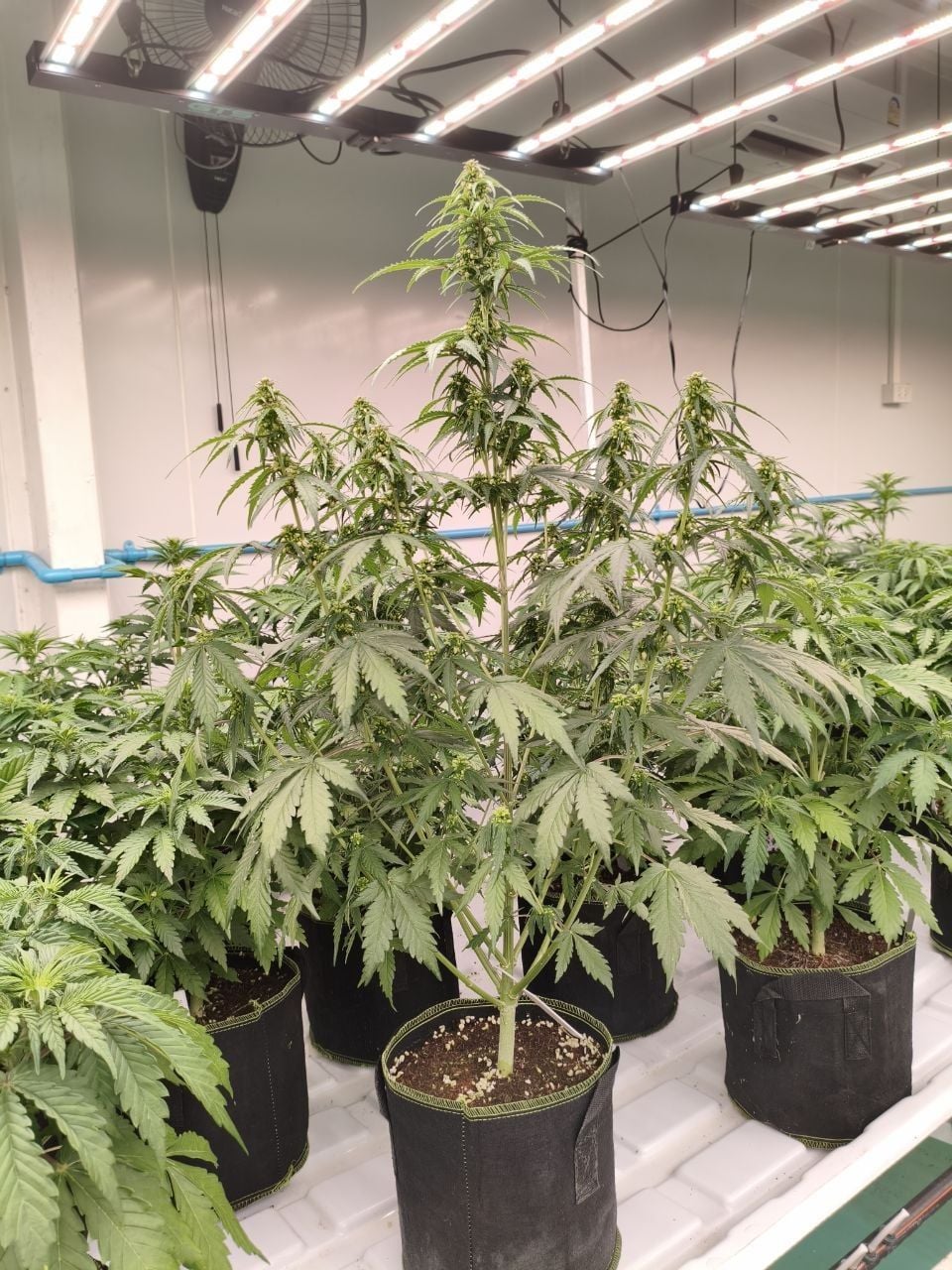
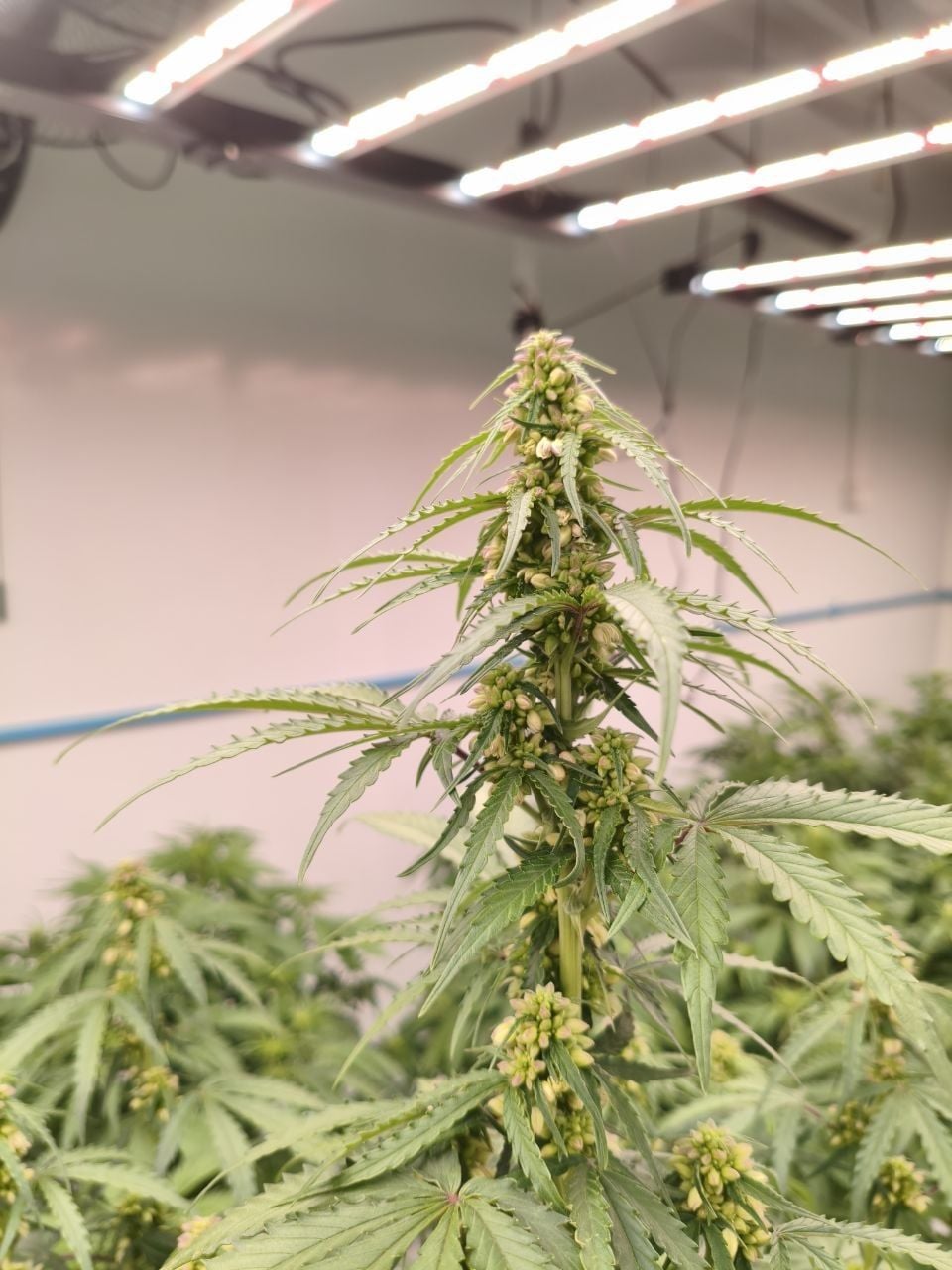
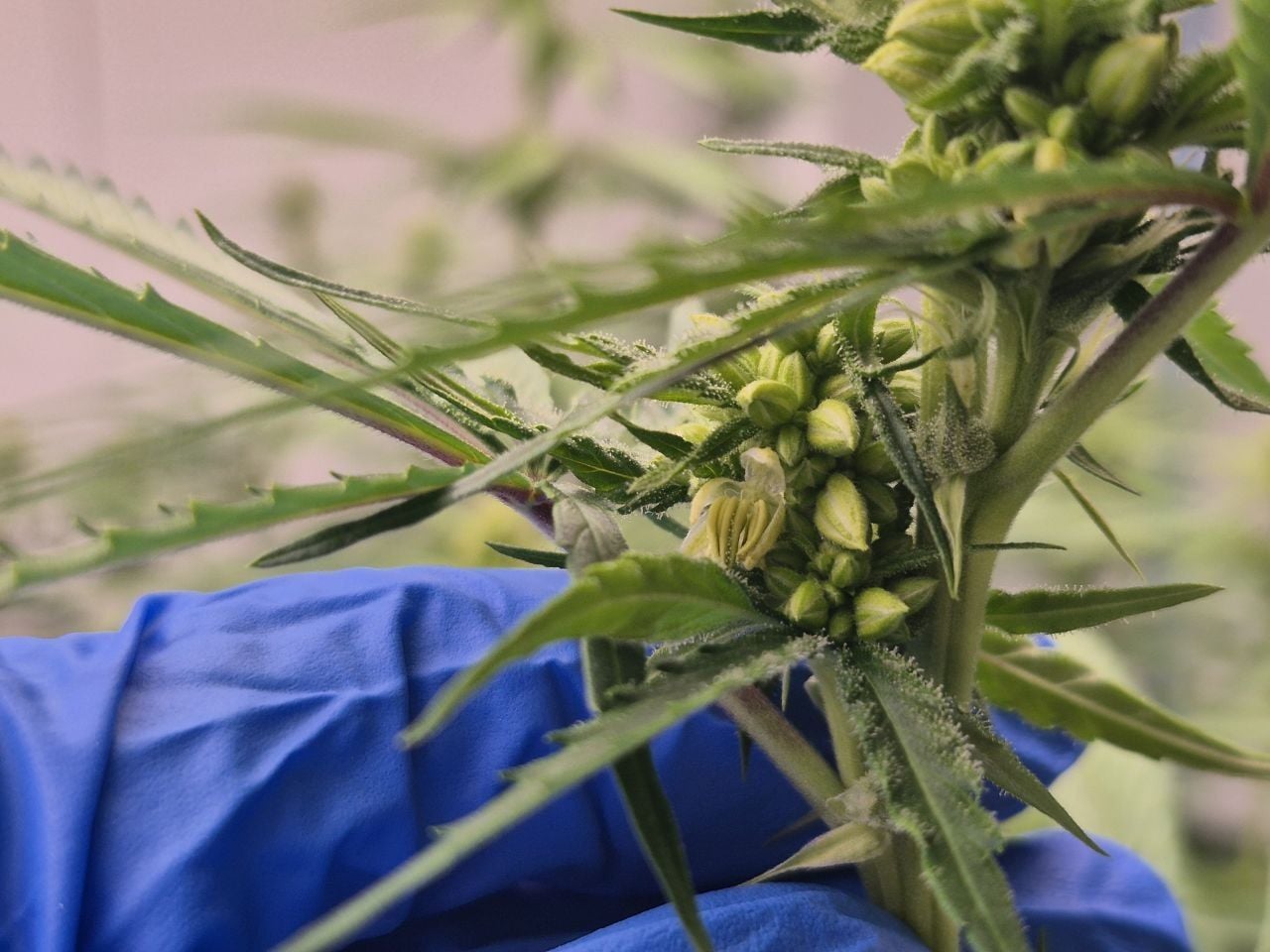
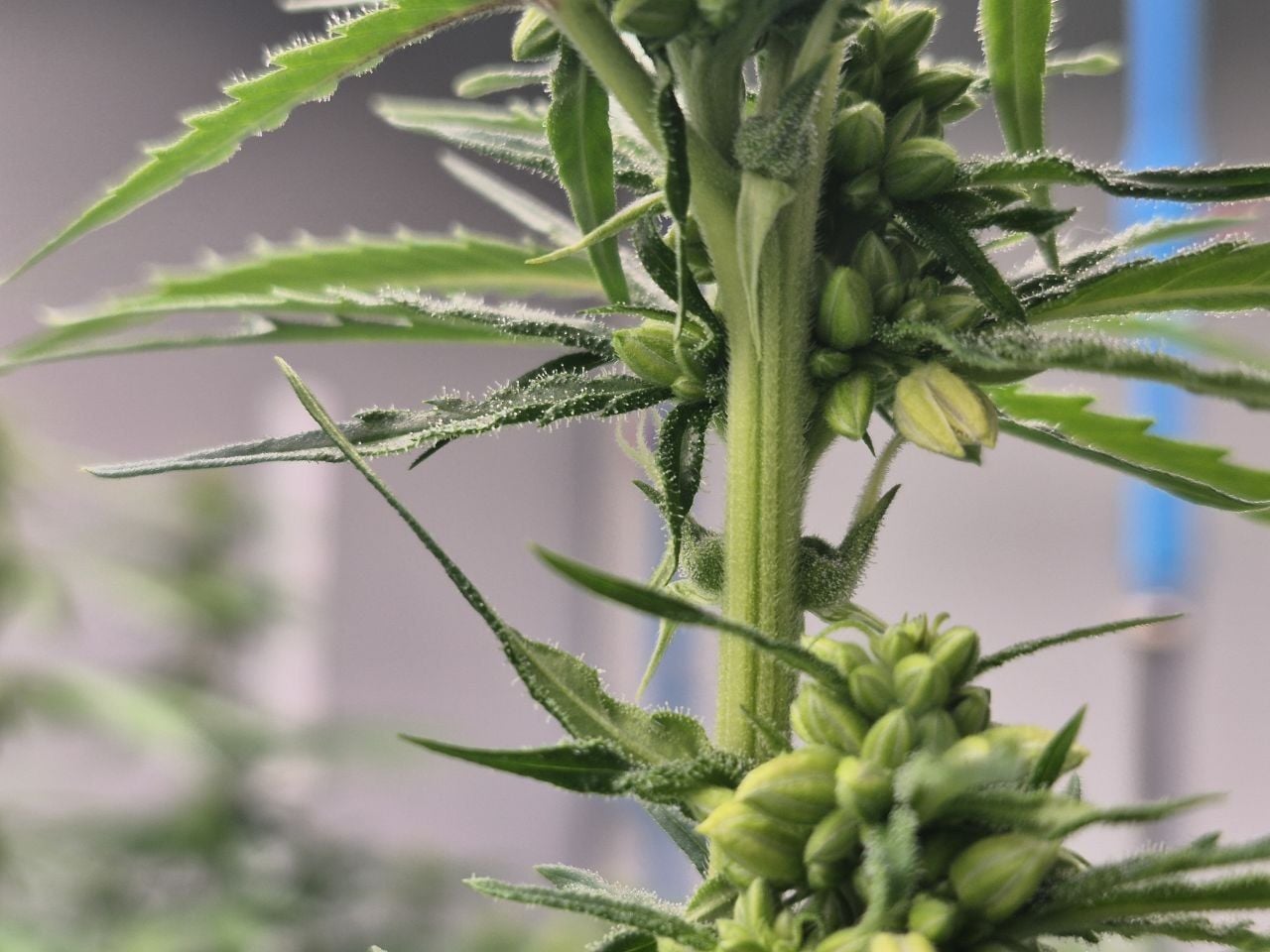
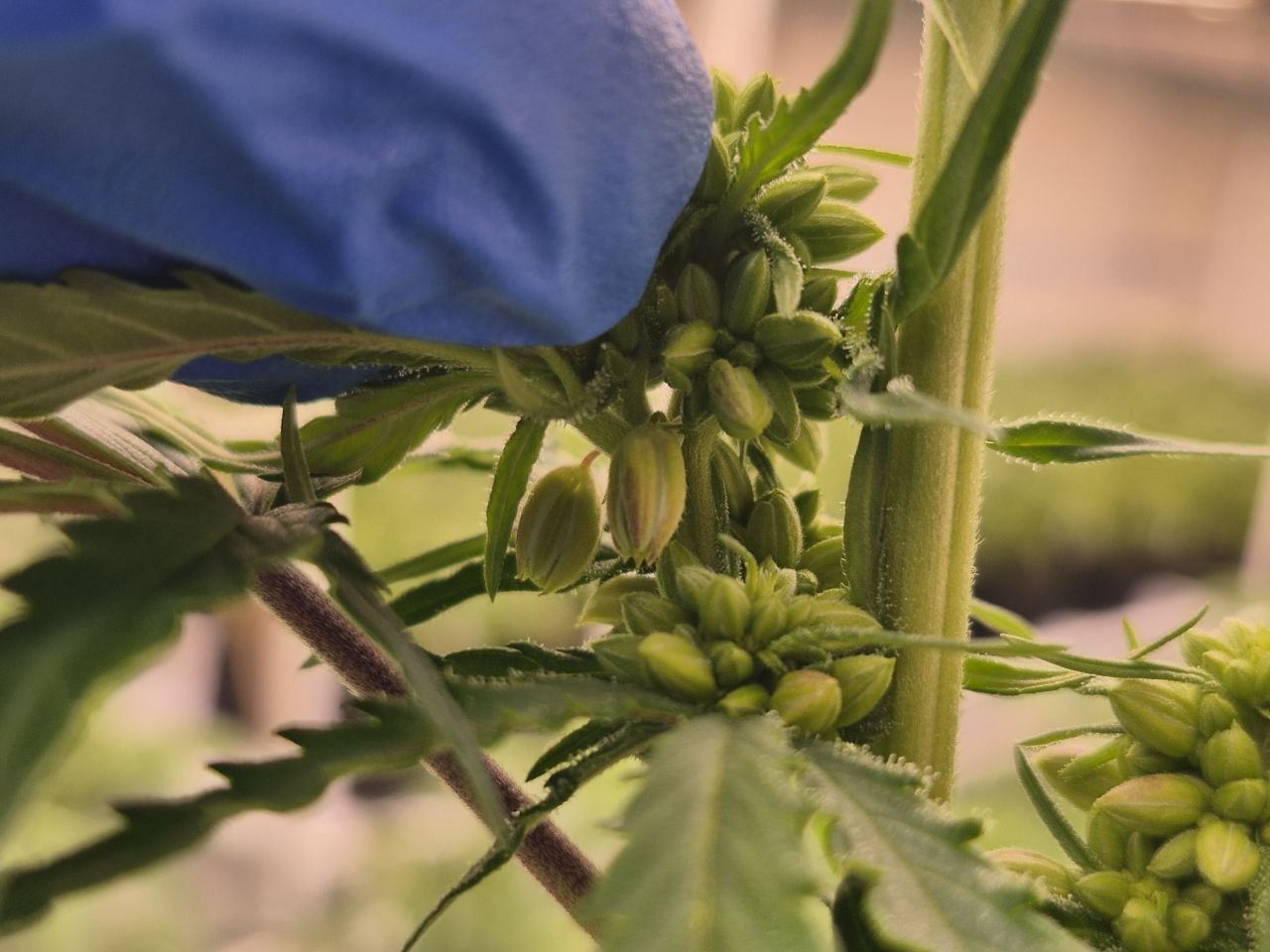
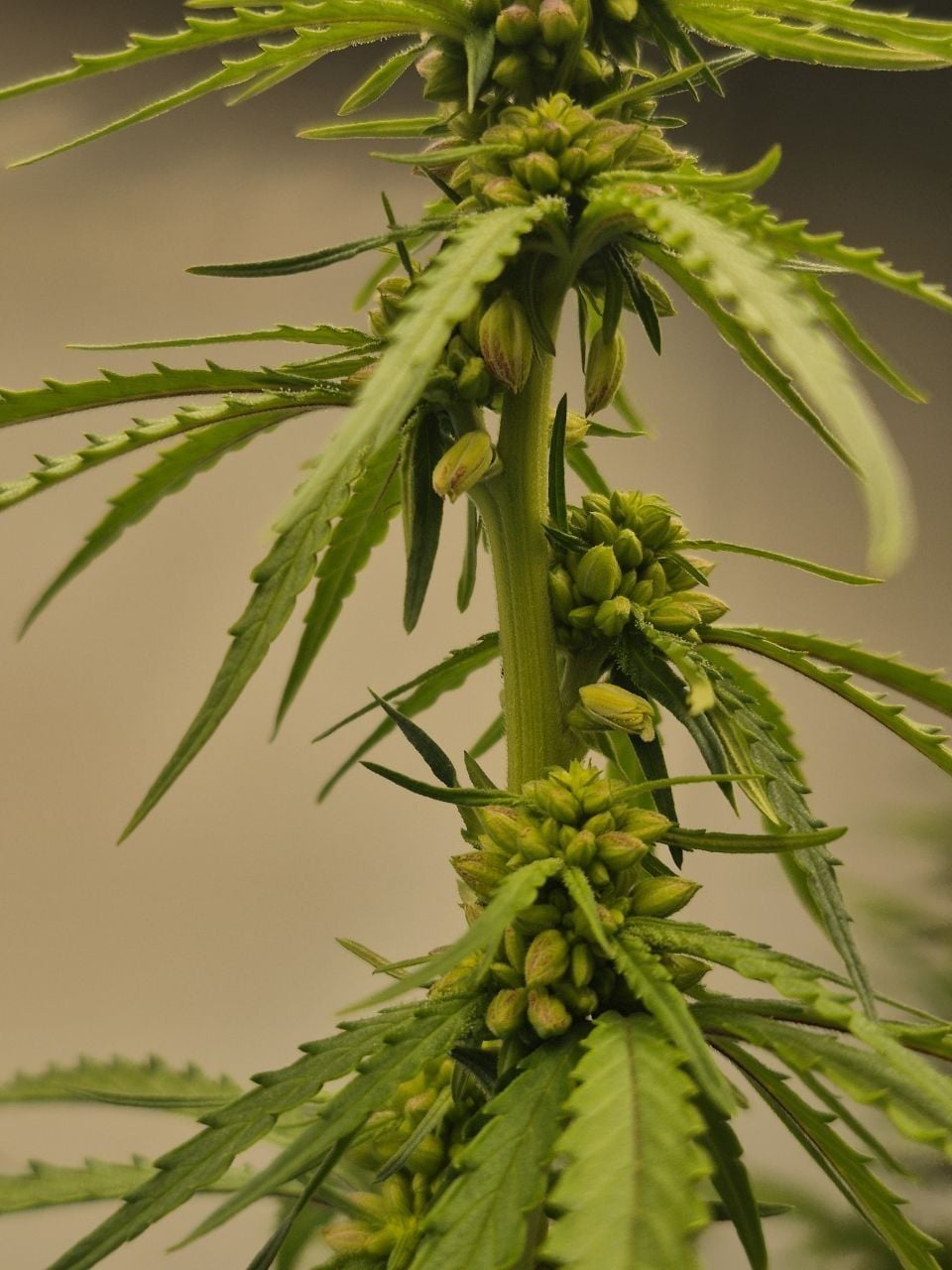
That single plant will pollinate the entire room and pass its genetic traits to every future seed produced during the cycle. Choosing that one individual is never easy, but it is one of the most important decisions we make.
Selection Never Stops
Once the father has been chosen, all attention turns to the mothers. This is probably our favorite part of the job. Removing plants.
It may sound harsh, but we truly believe that quality always comes before quantity. If only ten plants out of one hundred meet our expectations, then those ten are all we need.
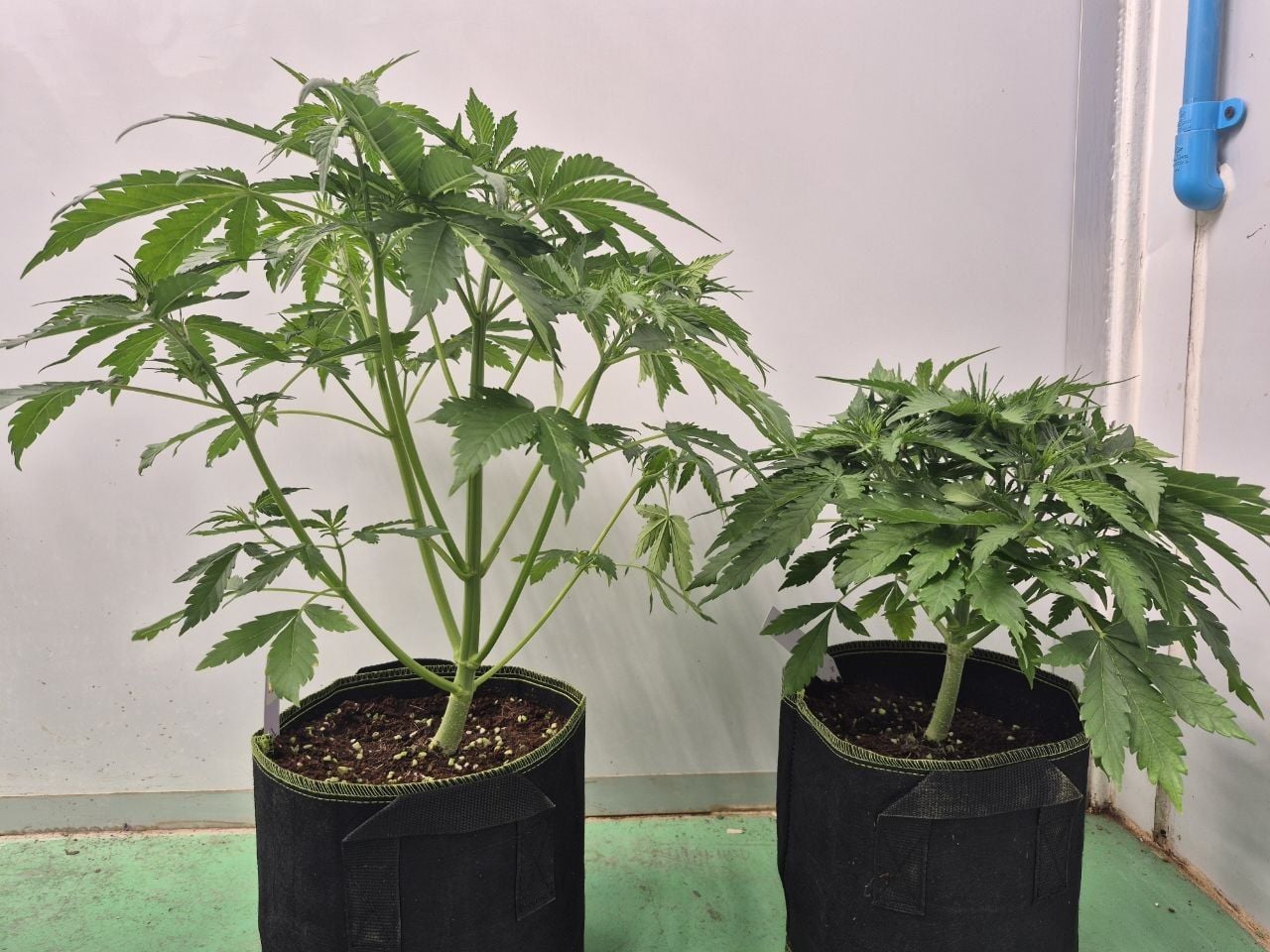
Selection continues throughout the entire cycle. A plant may look outstanding during vegetative growth but disappoint during flowering. Others reveal their strengths only later in development. That is why observation never stops until the very end.
Working as a Team
Even experienced breeders can make mistakes.
Too much fertilizer, excessive light intensity, or incorrect humidity can slow the entire project down. When that happens, time becomes the biggest loss because the cycle may need to be repeated from the beginning.
That is why every important decision is discussed by several members of our team. Different perspectives help us minimize mistakes and maintain consistent quality throughout every project.
Pollination Begins
Pollination is always an exciting stage.
We never rush to use the very first pollen. Instead, we allow it to accumulate for several days before carrying out a full pollination across almost the entire room.
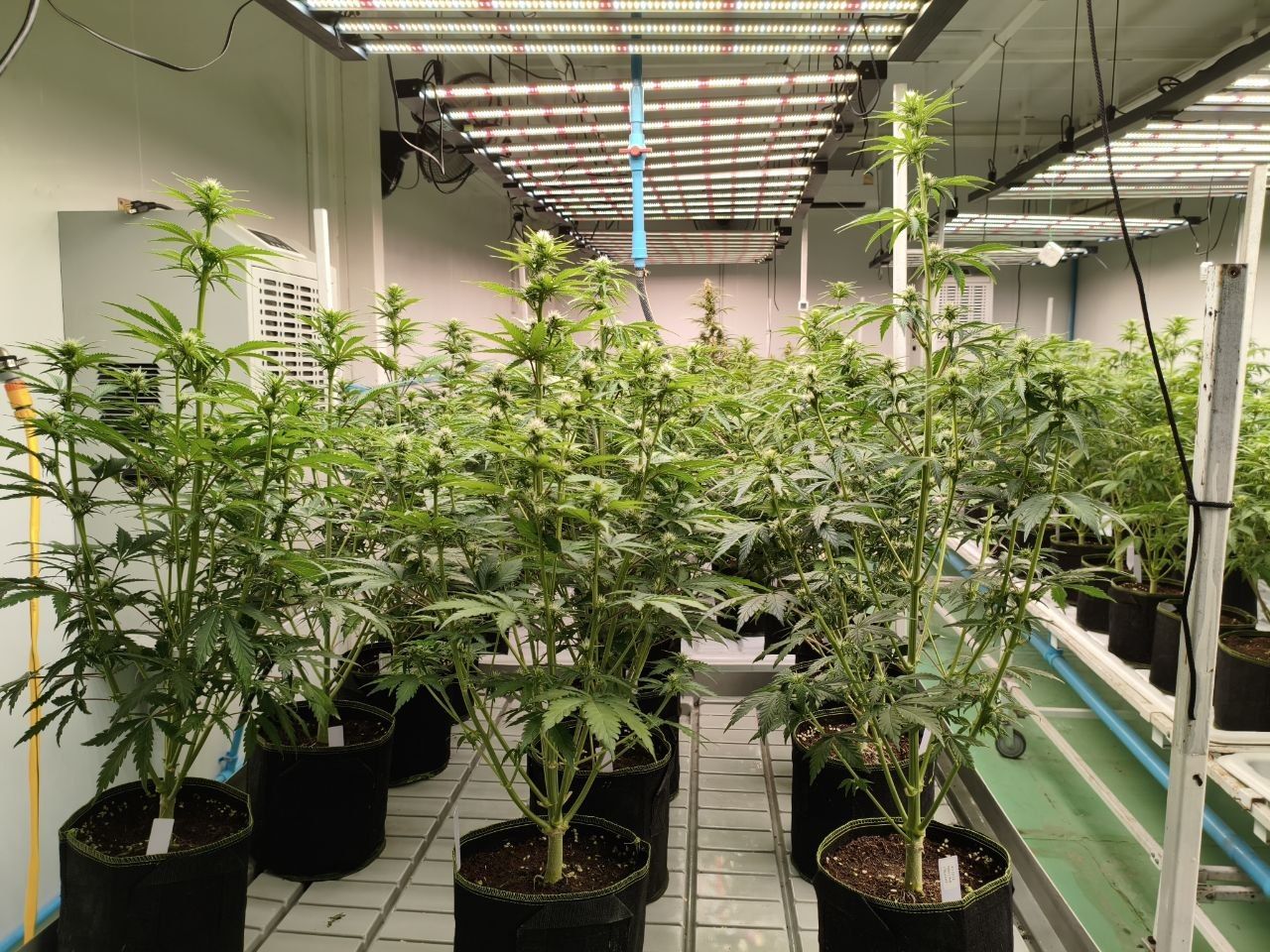
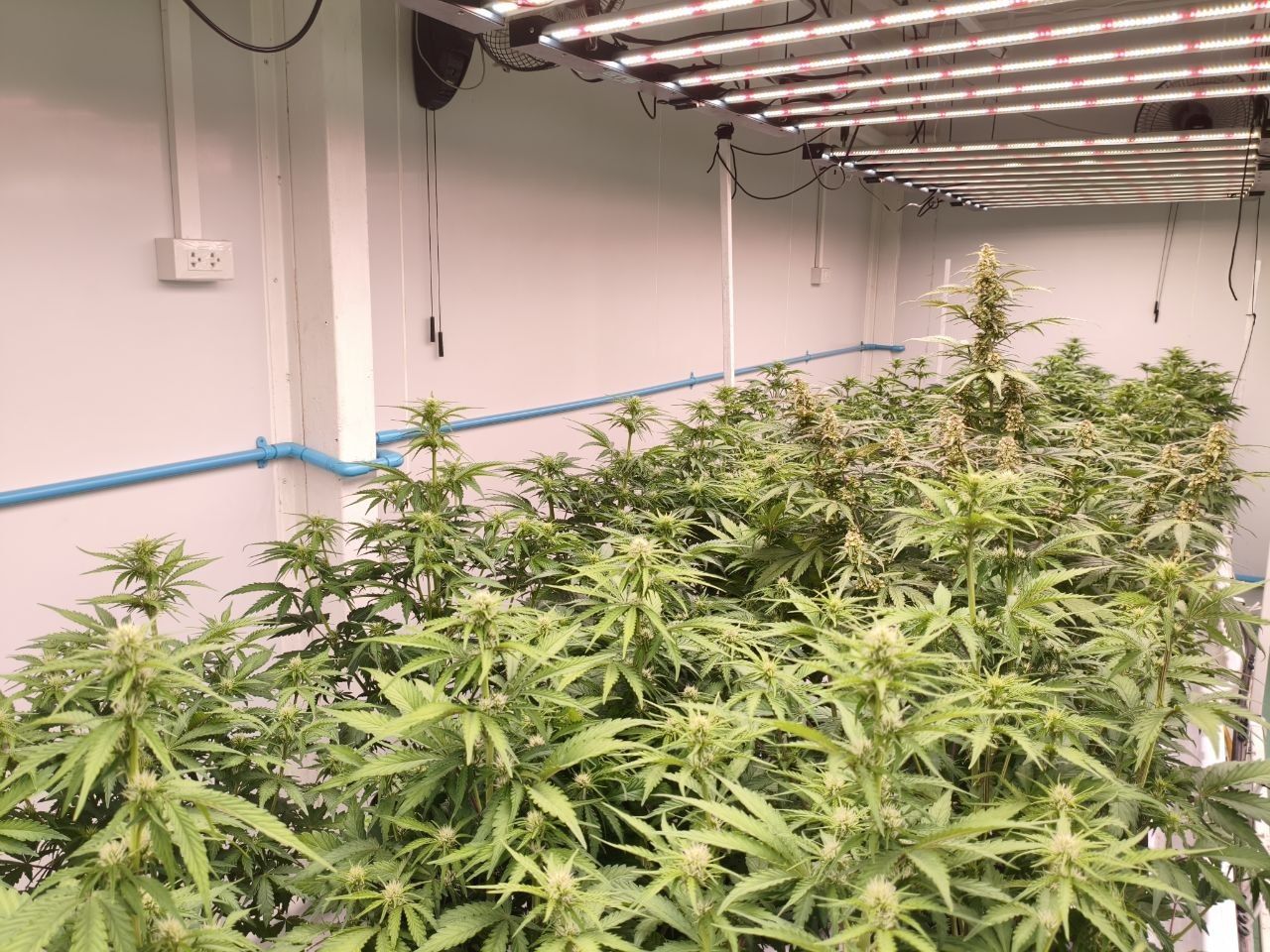
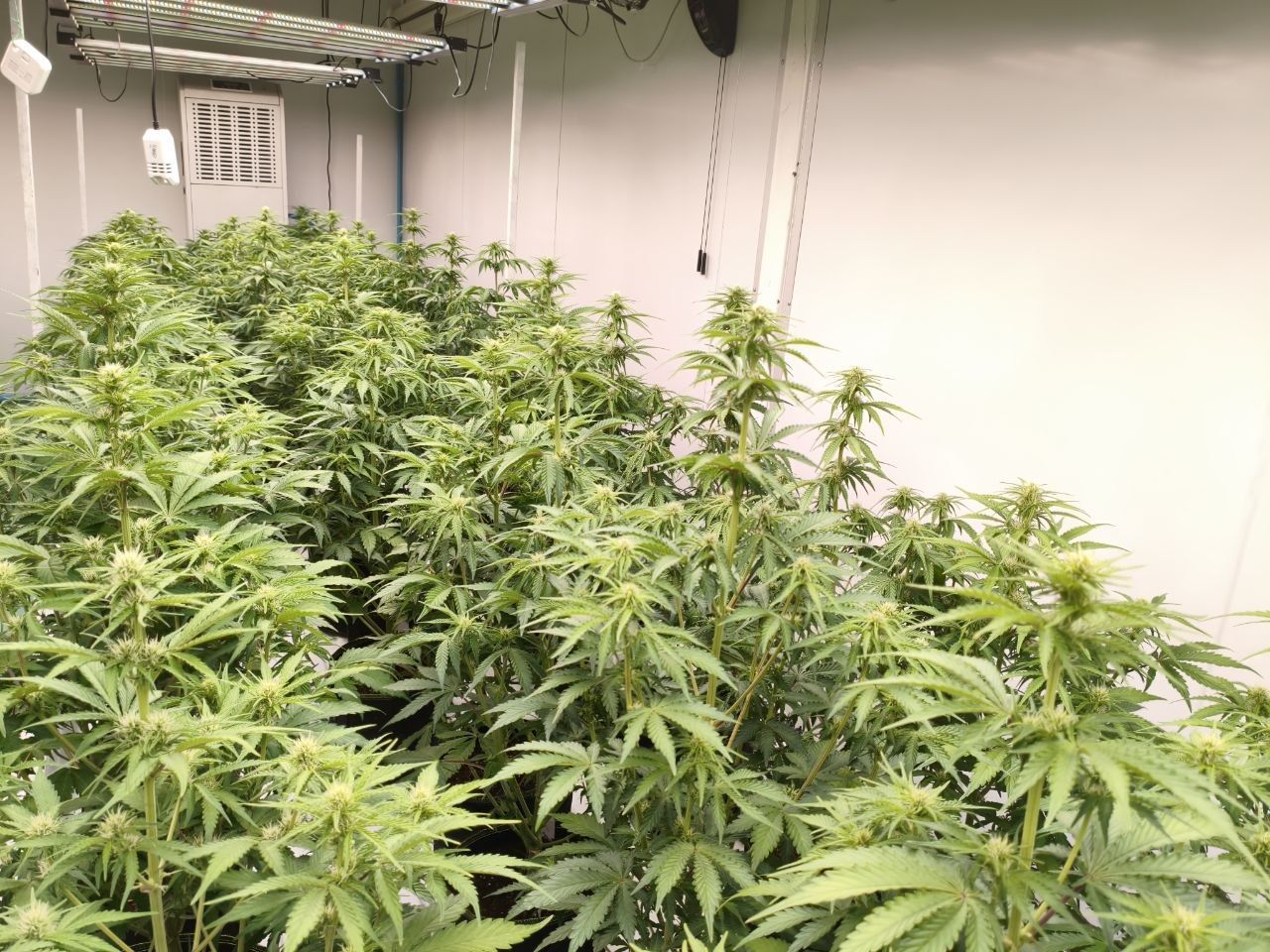
Keeping the selected father alive during this period allows us to continue pollinating until every mother has been fully covered.
The first signs of seed development usually become visible around seven to ten days after the first pollination. At this stage, the forming seeds can already be gently felt inside the flowers.
Seed Maturation & Harvest
Once the father has completed his role, he is removed from the cycle.
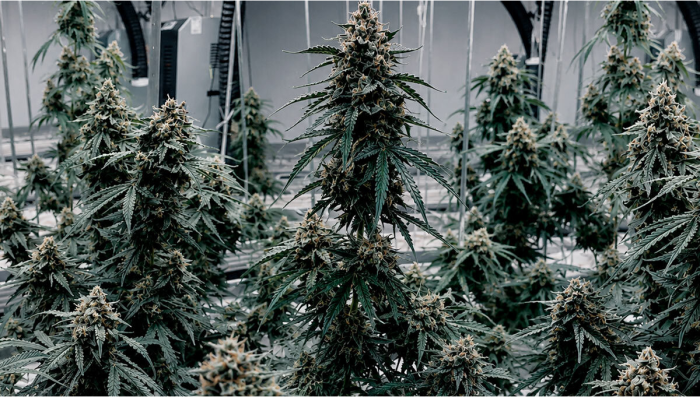
From this point, all attention is focused on the mothers. Watching the final weeks is always fascinating. Some plants begin changing color, while others continue building dense flowers until the very end.
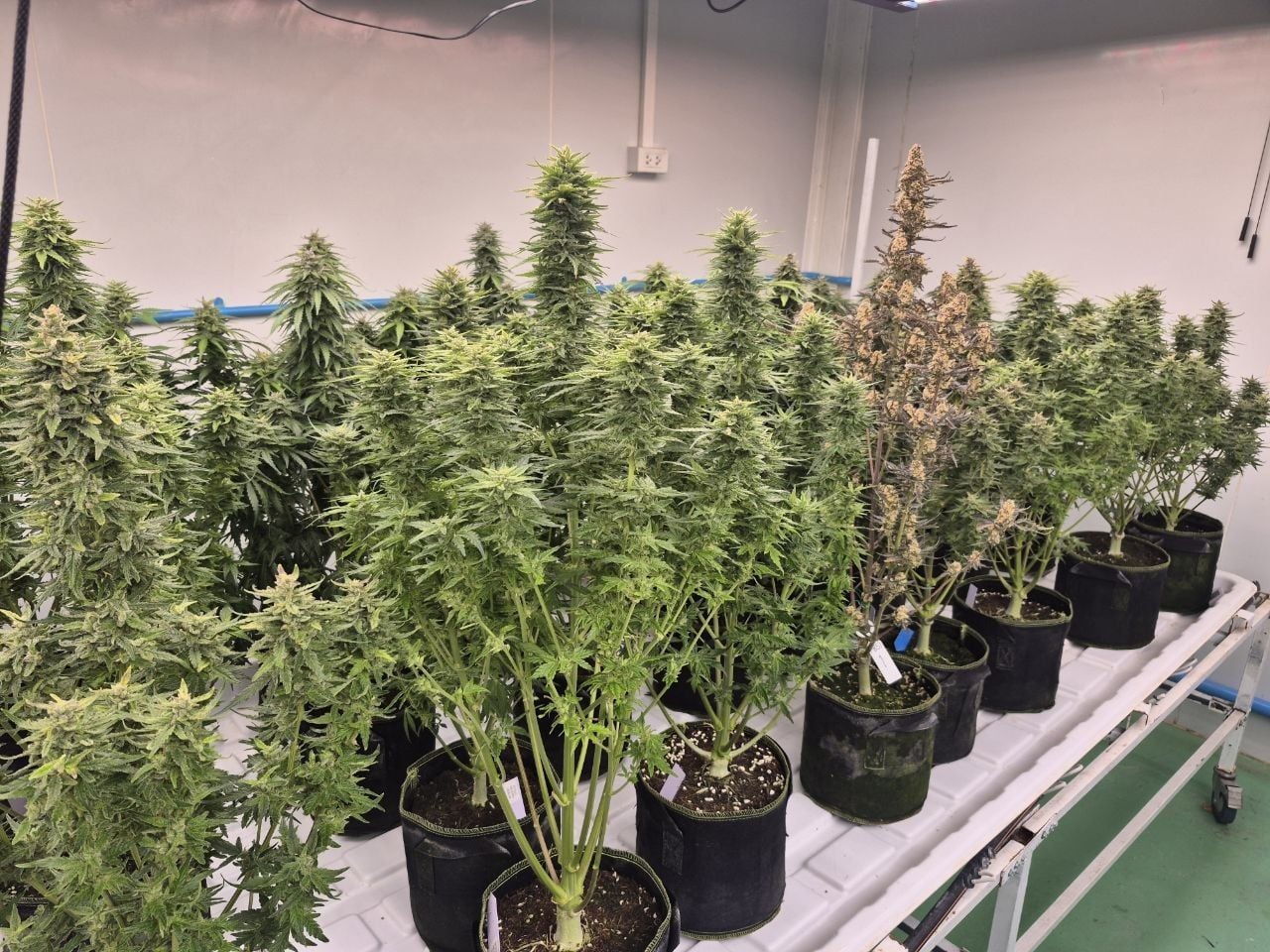
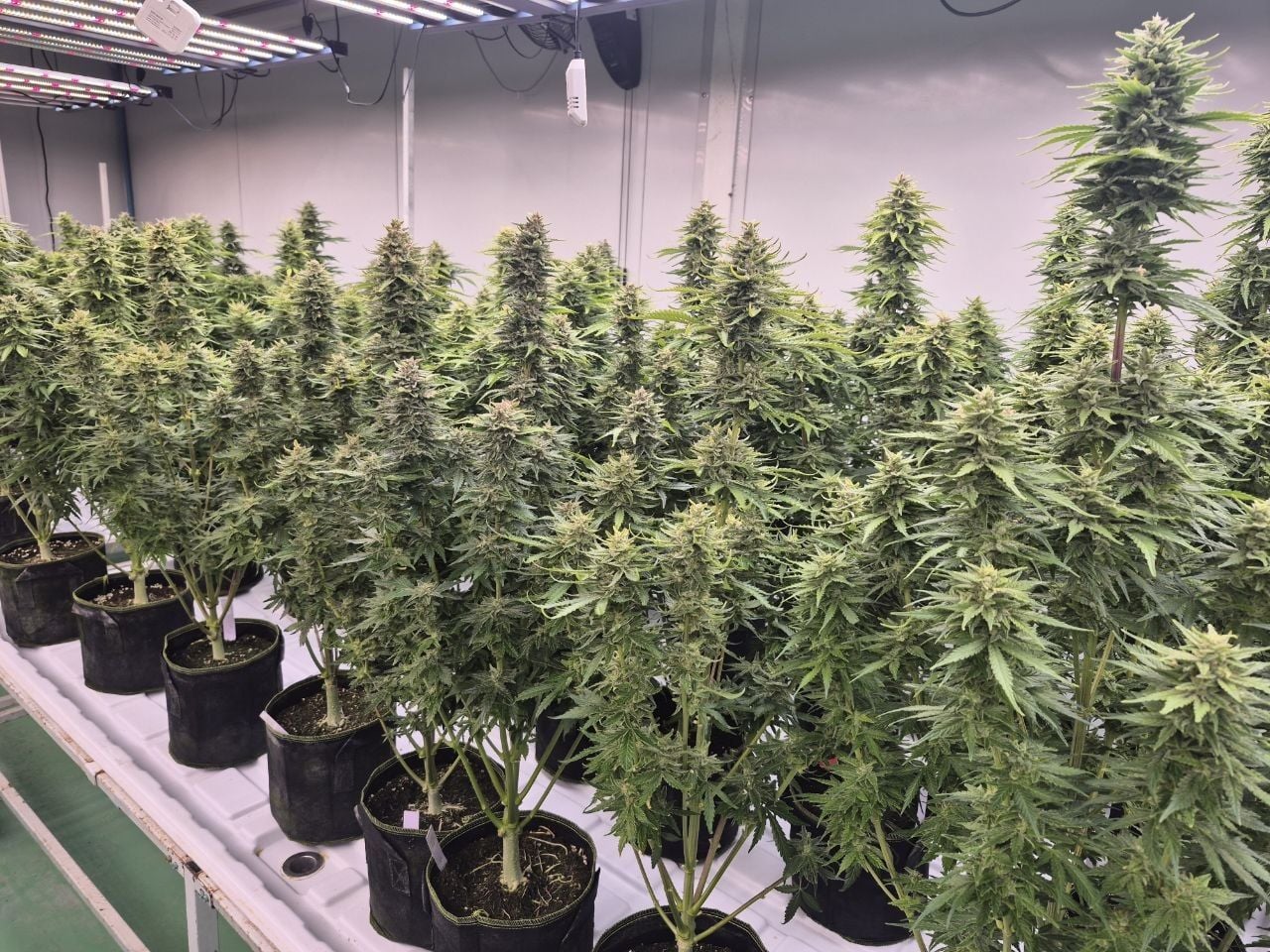
Harvest timing becomes extremely important. Seeds must be fully mature but not overripe. Every section of each plant is evaluated separately before the final decision is made.
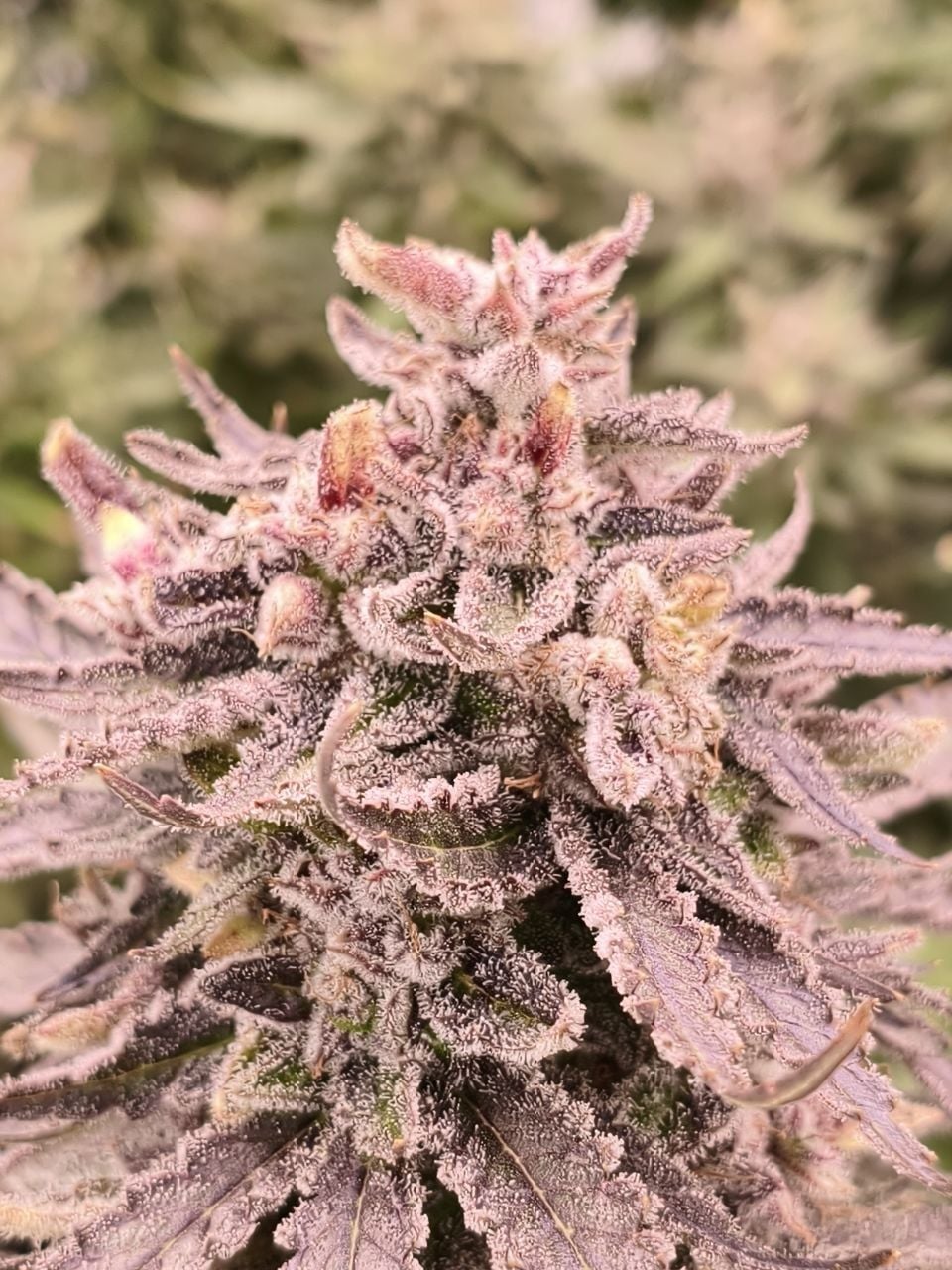
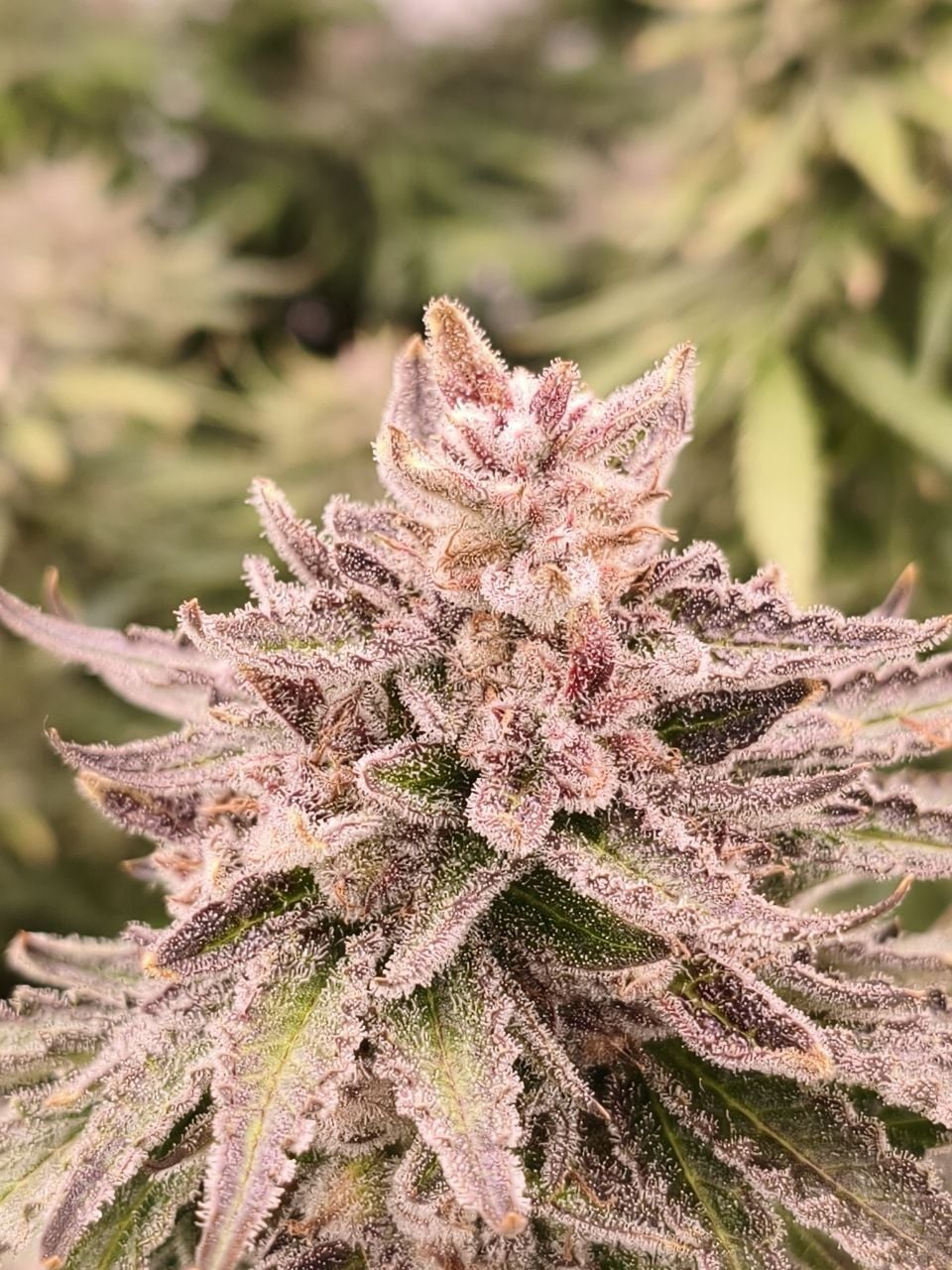
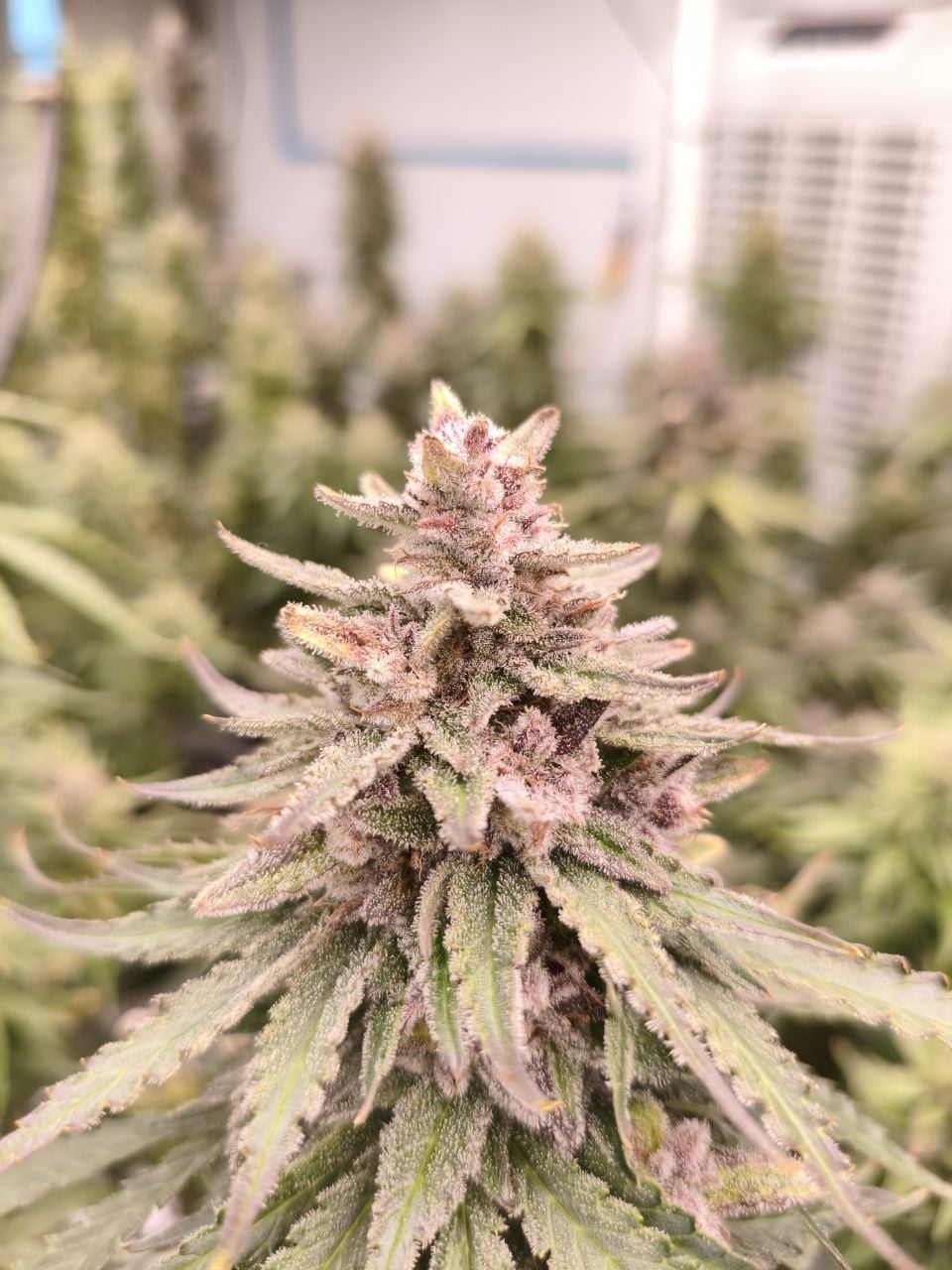
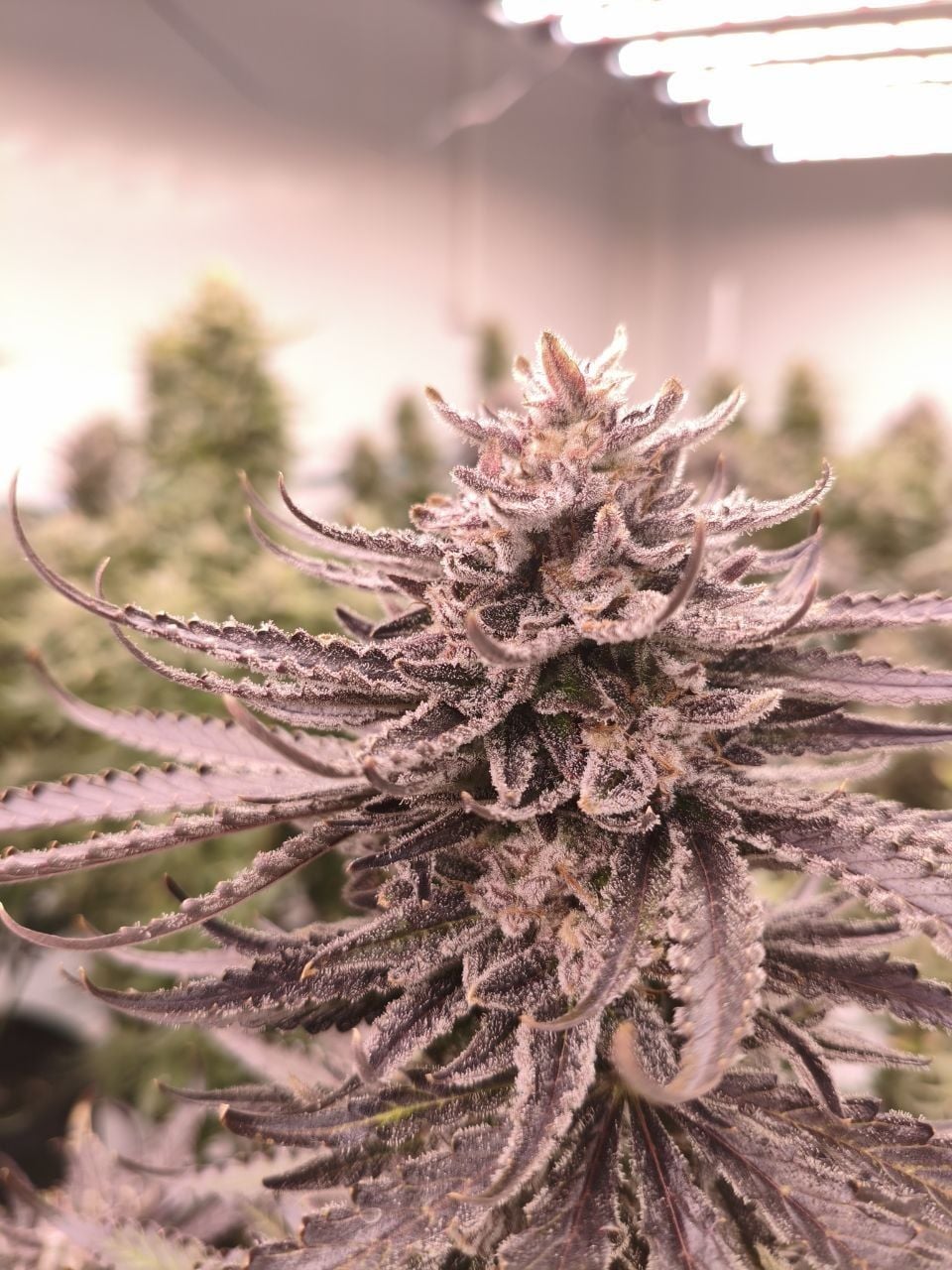
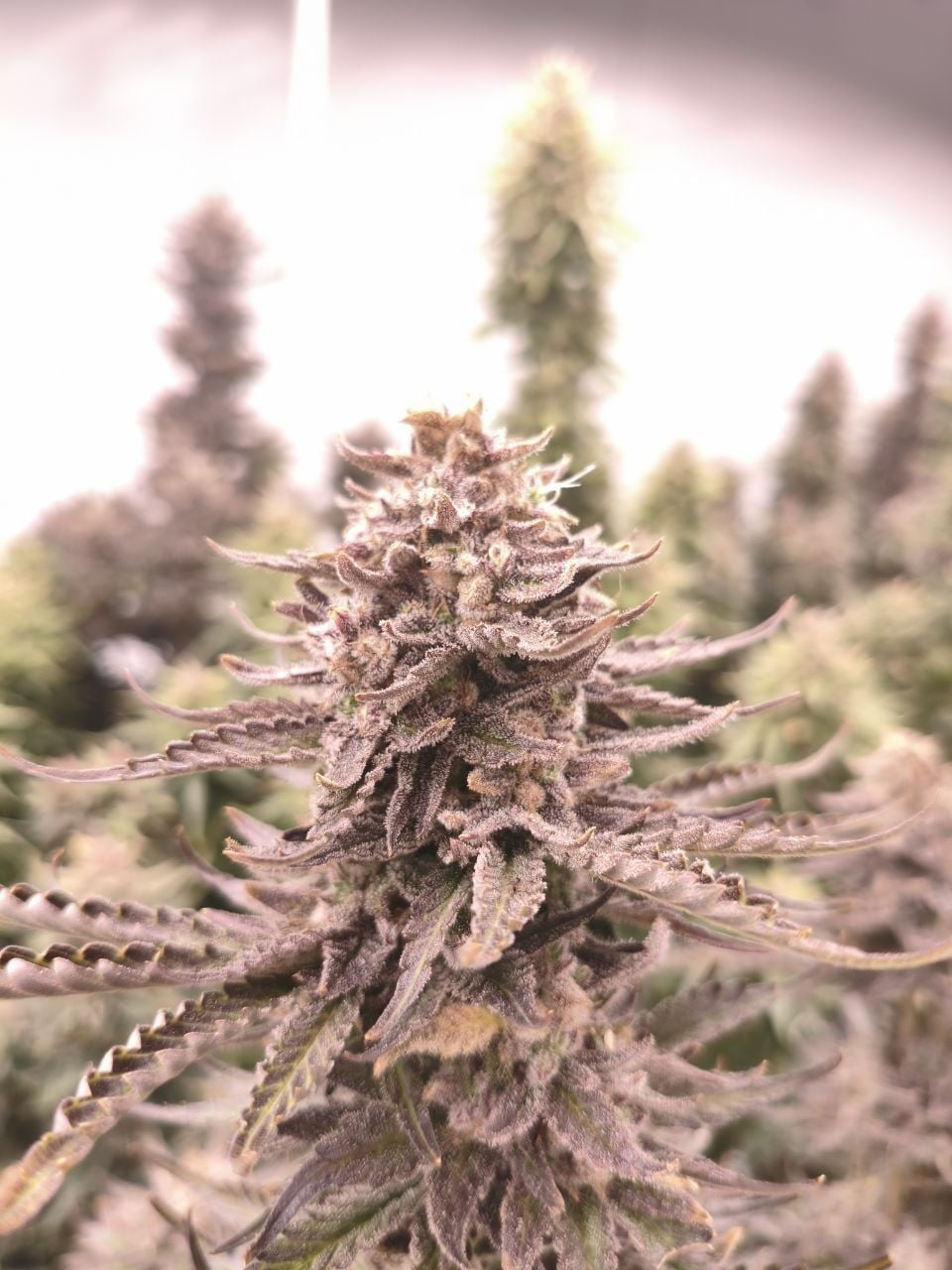
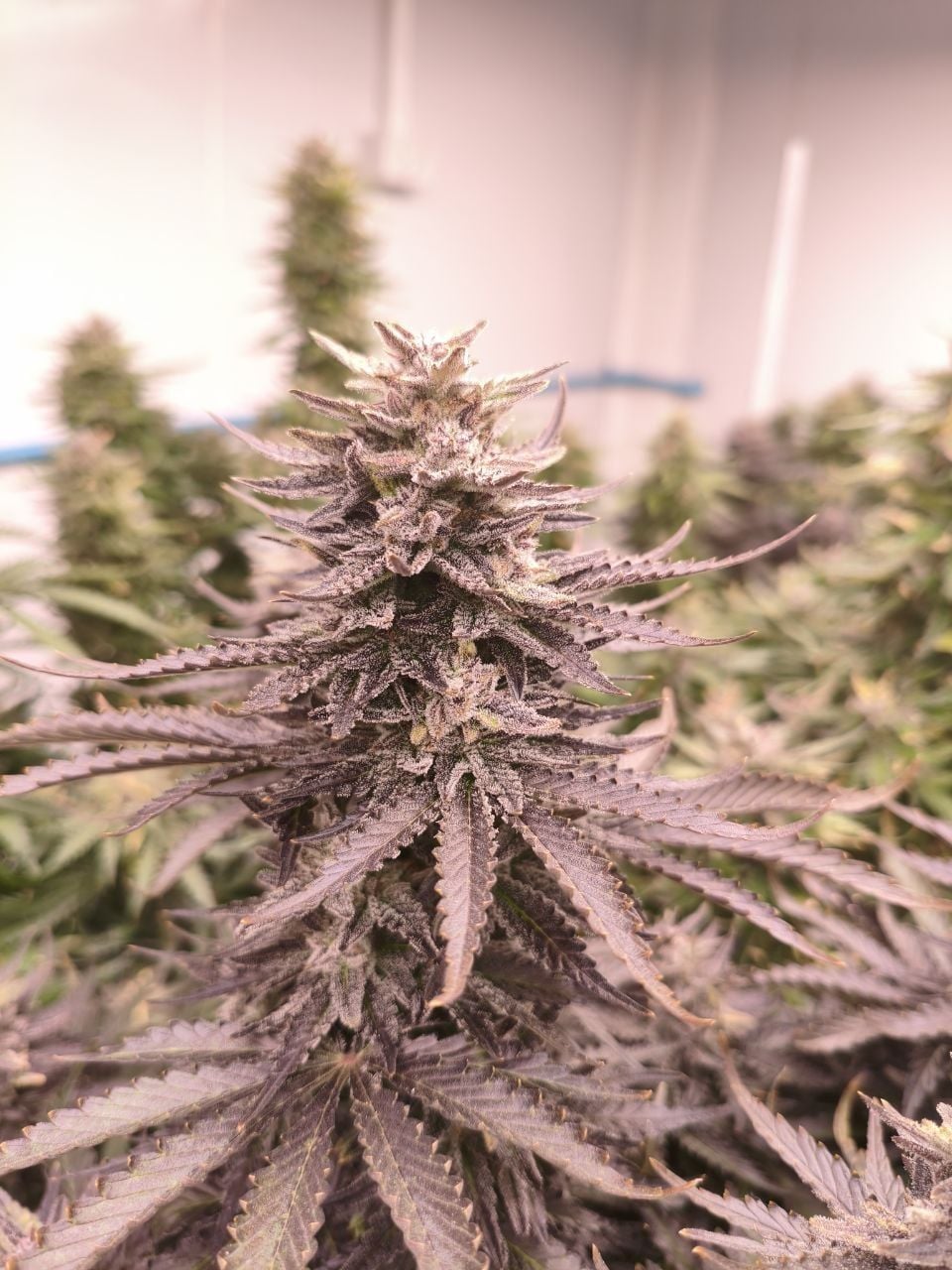
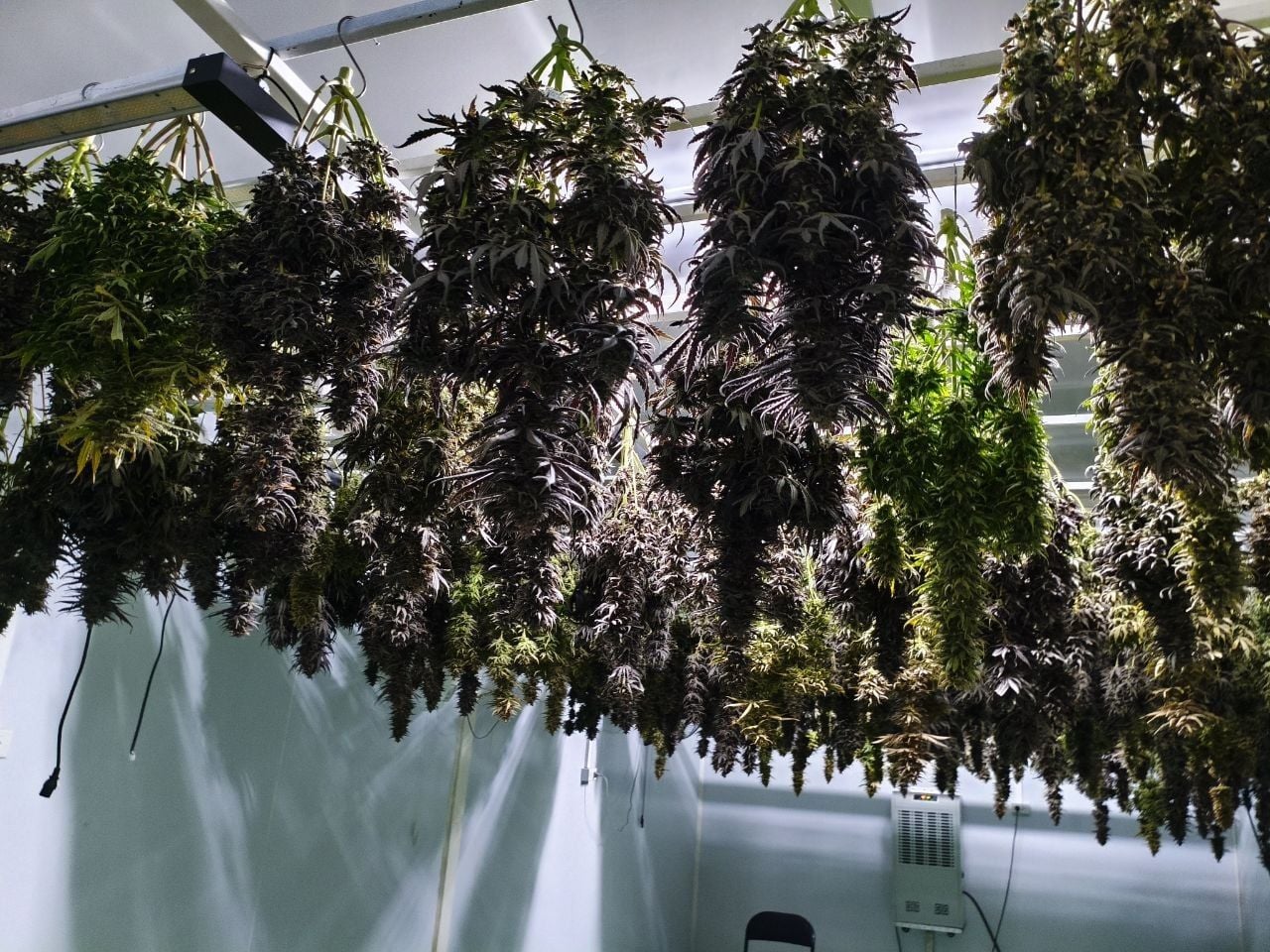
After harvest, the plants are carefully dried. Proper drying makes seed extraction much easier while also reducing the risk of damaging the seeds.
The Final Quality Test
One thing we never do is mix seeds from different plants.
Every single mother is processed separately, allowing us to evaluate each plant individually. Once all seeds have been collected, every batch undergoes germination testing.
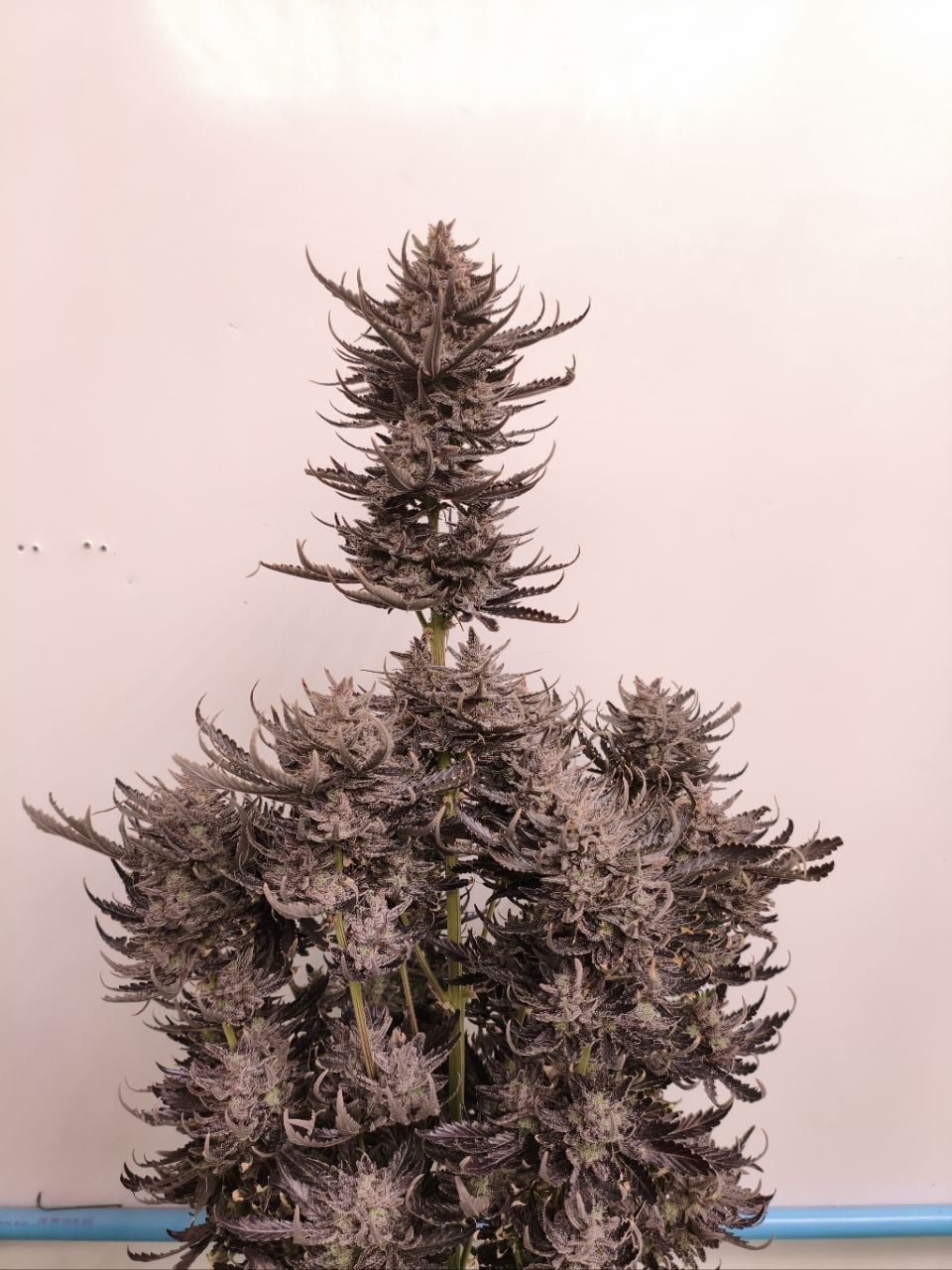
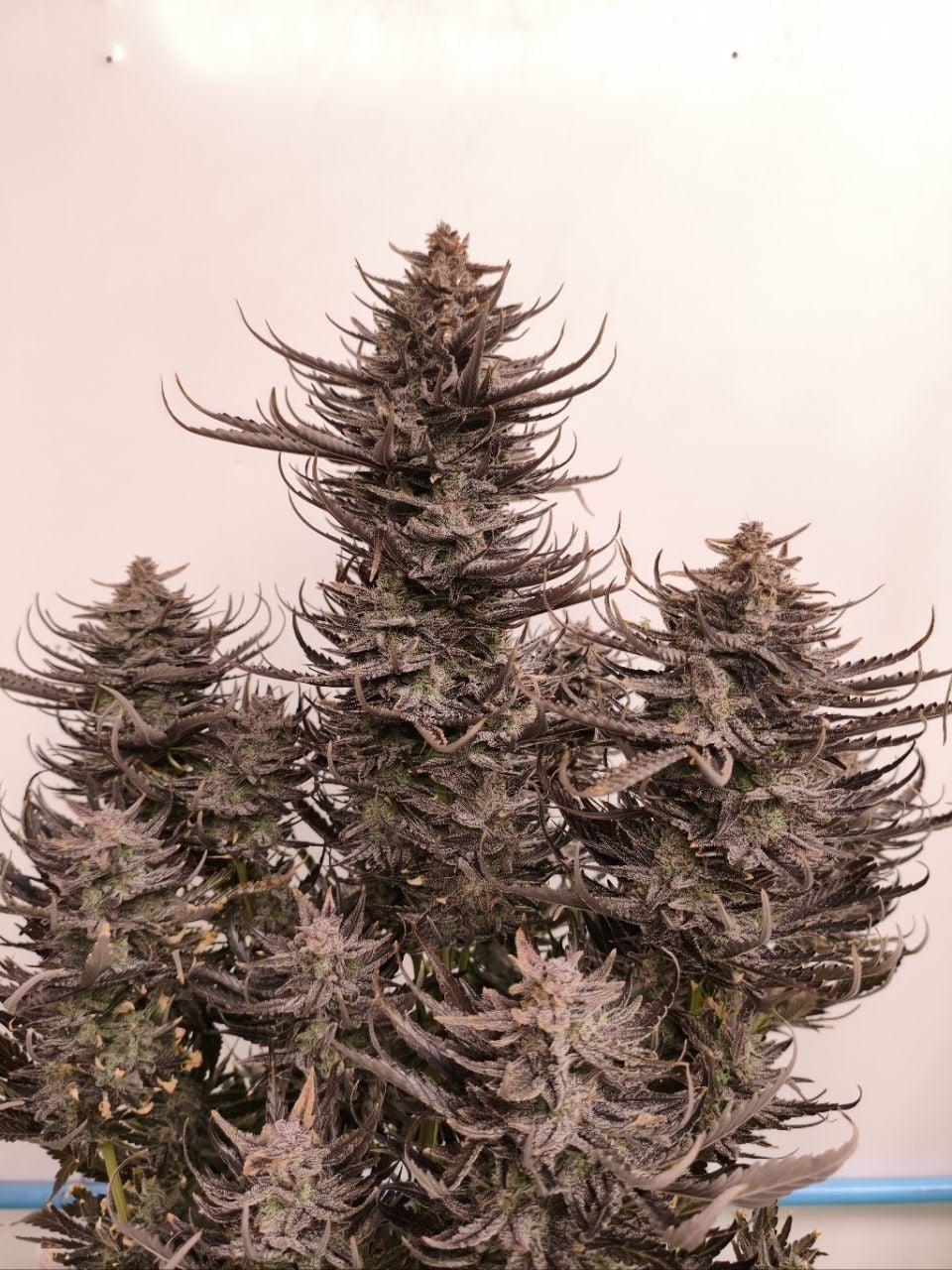
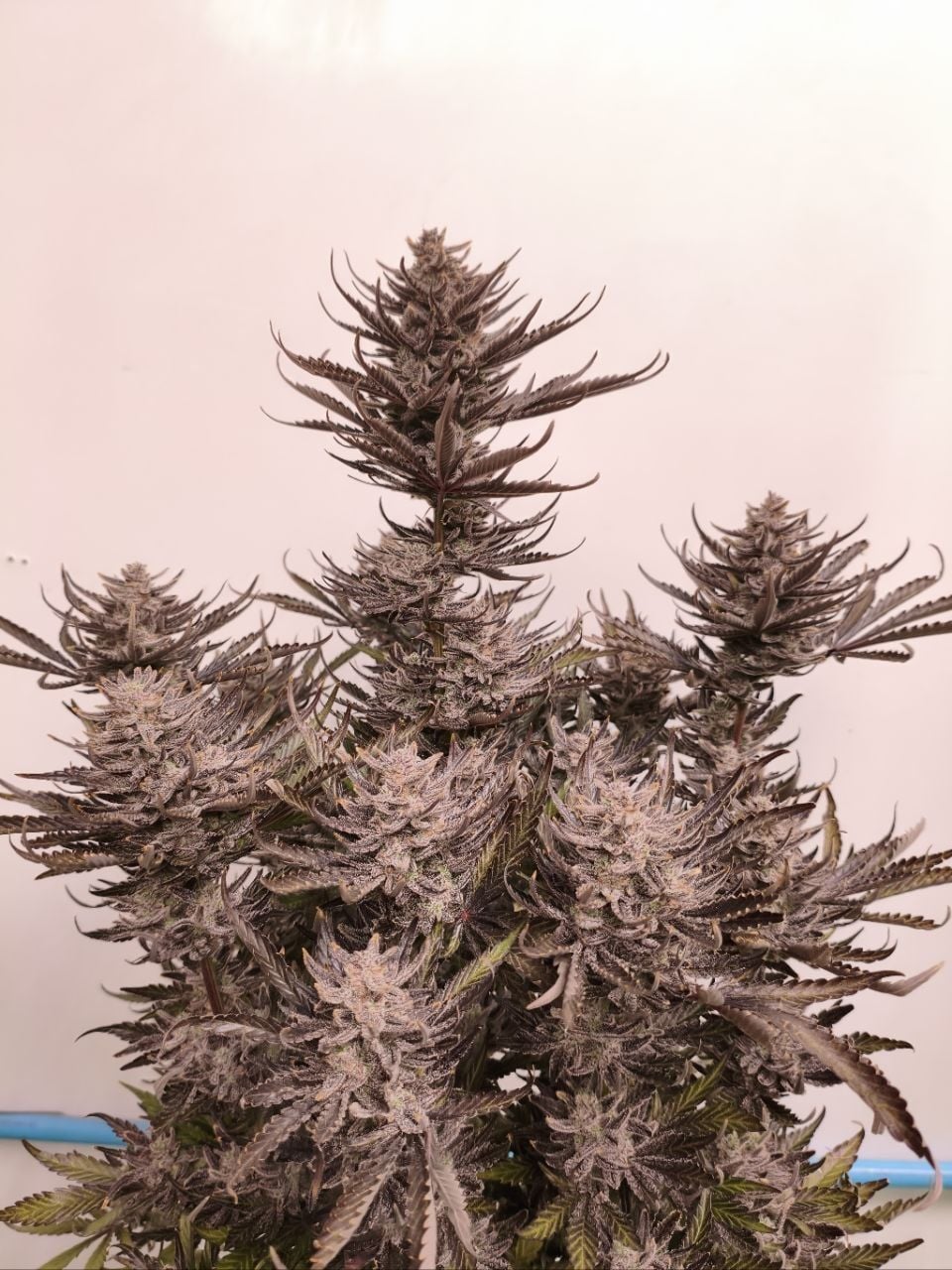
Only batches that achieve germination rates of 19 out of 20 or 20 out of 20 move forward. Everything else is discarded.
It may seem strict, but this is exactly how we guarantee quality.
Today you followed the complete Apricot Auto breeding cycle. The next chapter will begin with testing these seeds and discovering whether this new generation truly deserves its place in our collection.
Before any seed reaches our customers, it must first satisfy us. Only then does it earn the opportunity to become part of someone else's garden.
Thank you for following this journey. We are not saying goodbye. The next chapter is just beginning.
Comments