




Living Soil For Autoflowers
- 1. Living soil
- 1. a. Soil base
- 2. Nutrient sources
- 2. a. Nitrogen sources
- 2. b. Phosphorus sources
- 2. c. Potassium sources
- 2. d. Calcium, magnesium, and micronutrients
- 3. Extras (optional)
- 4. Mixing your living soil
- 4. a. Inoculants
- 5. Extras & maintenance
Chemical-free cultivation with minimal pesticide use has always been considered superior when it comes to growing fruits and vegetables, for example.
The same applies to cannabis. Unfortunately, this more natural cultivation method, known to be organic and in some cases even vegan, has always been more difficult to implement than simply buying a couple of bottles from a grow shop, since the ingredients needed to build a proper organic soil are often hard to find. Not necessarily expensive, but definitely less accessible.
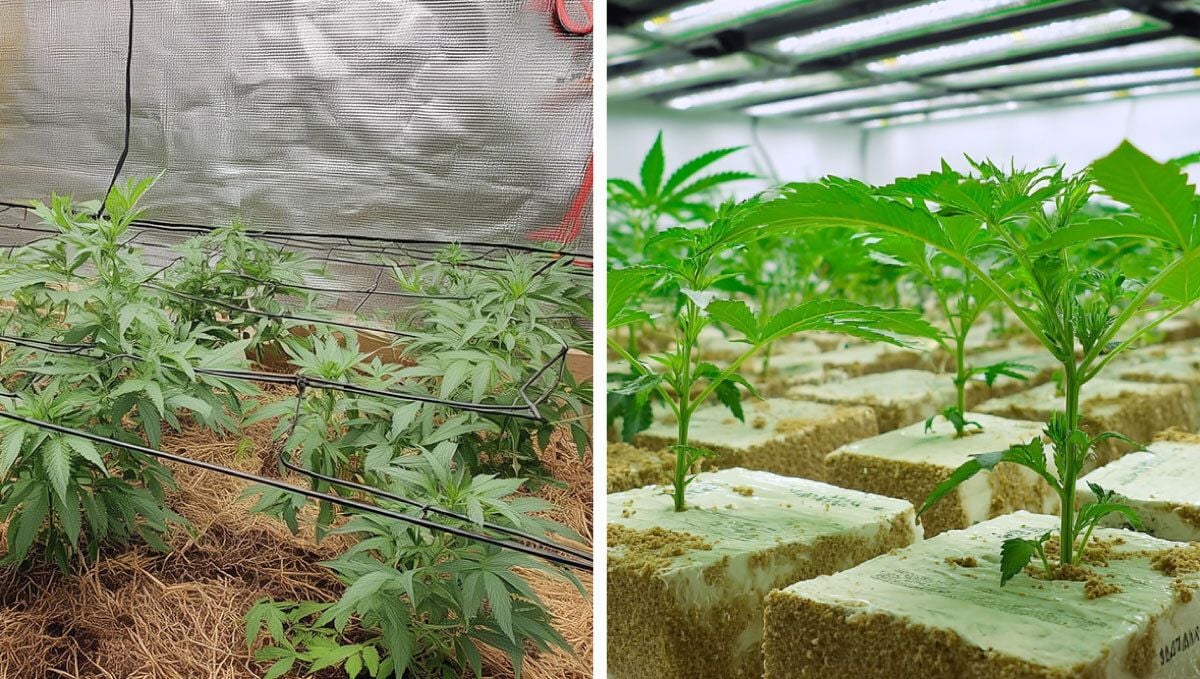
But this is 2026, and thanks to the magic of the internet, we can now source all kinds of products from around the world, including everything needed to build a high-quality living soil for cannabis.
That’s why, in this article, you’ll learn how to make your own proven and tested living soil, along with a few tips and tricks to keep it as healthy as possible, grow after grow.
Living Soil
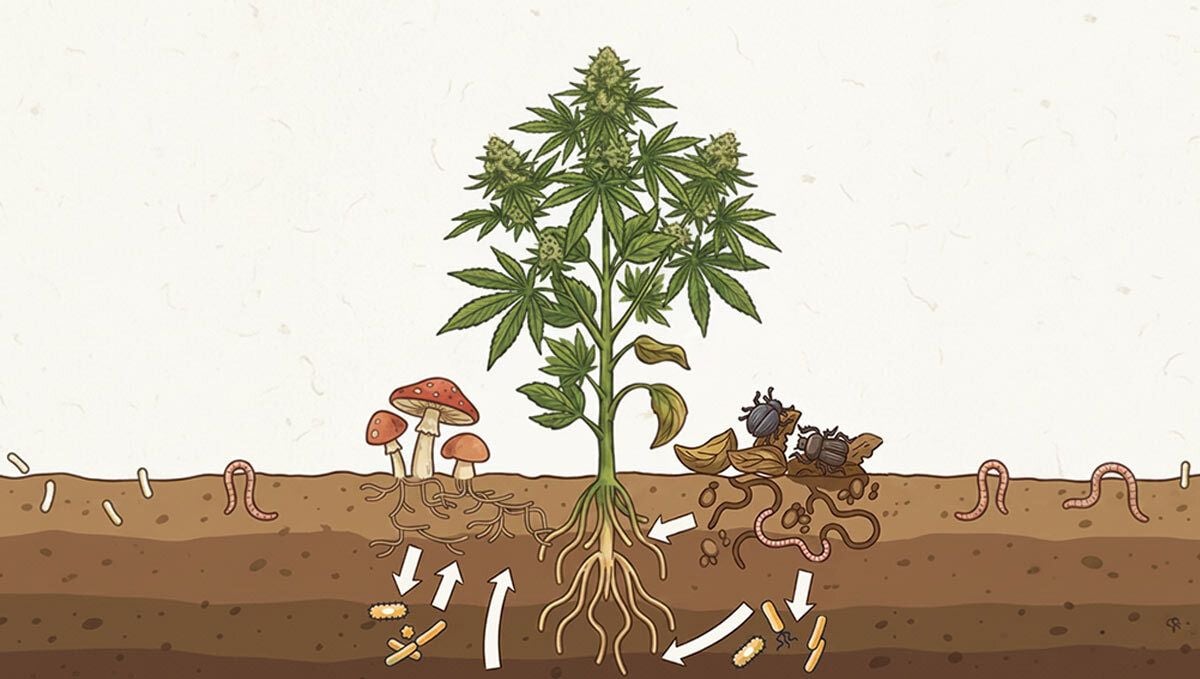
What makes living soil “living” is not only its organic or vegan ingredients, but also the life within it, beneficial microorganisms that live in synergy with the plants in a give-and-take relationship. This relationship helps the microorganisms survive and reproduce while enabling the cannabis plant to grow healthy and disease-free.
Below, you’ll find a highly effective recipe that will help your plants reach their maximum potential. Because of this, making your own living soil can seem really hard or impossible if you don’t have experience. After all, there are countless brands, products, and recipes available. And it’s very easy to make mistakes with living soil, since too much or too little of one ingredient can create major problems in the grow room.
Soil Base
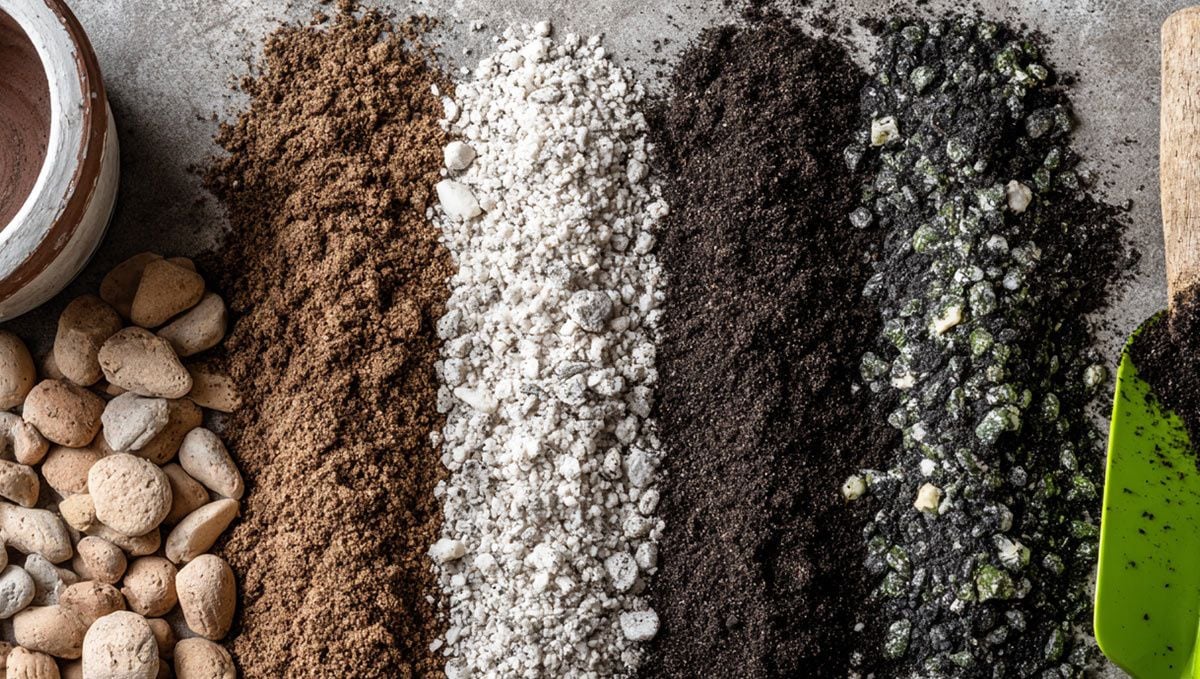
- 65% soil
- 25% aeration material (pumice, perlite, or lava rock)
- 10% worm castings or insect frass
Nutrient Sources
Since living soil is designed to imitate nature, it’s very important to provide at least two types of nutrient sources, preferably one slow-release and one fast-release.
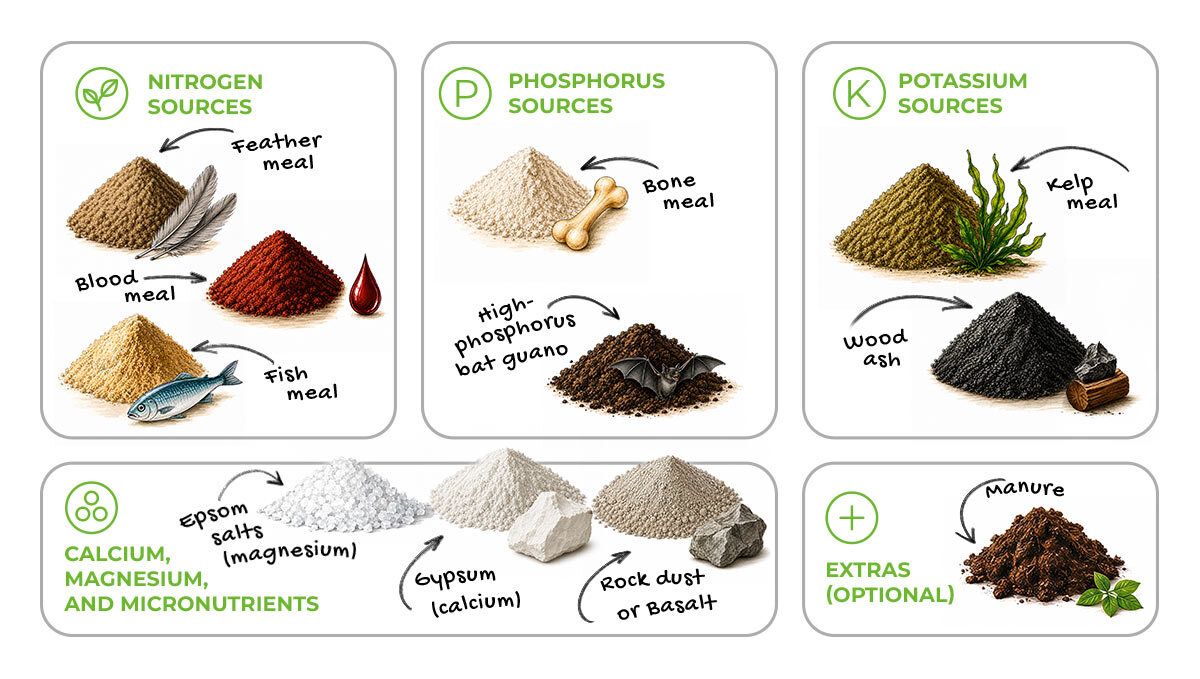
This ensures the plants have access to nutrients throughout the entire cycle while also giving you enough time to replenish them gradually.
Nitrogen Sources
- Feather meal
- Blood meal
- Fish meal
Phosphorus Sources
- Bone meal
- High-phosphorus bat guano
Potassium Sources
- Kelp meal
- Wood ash
Calcium, Magnesium, and Micronutrients
- Epsom salts (magnesium)
- Gypsum (calcium)
- Rock dust or Basalt
Extras (Optional)
- Manure
Mixing Your Living Soil
Grab a large tote or a heavy-duty plastic bag and mix all the ingredients thoroughly with the soil. Once everything is combined, it’s time to inoculate the beneficial microorganisms and let the soil “cook.”
Inoculants
- Mycorrhizae
- Trichoderma
- Beneficial bacteria
- Molasses
- Humic acids
- Fulvic acids
Mix the mycorrhizae, trichoderma, bacteria, molasses, humic acids, and fulvic acids with water. The amount of water should equal roughly 10-20% of the total soil volume. For example, if you made 100 L of soil, use around 10 L of water.
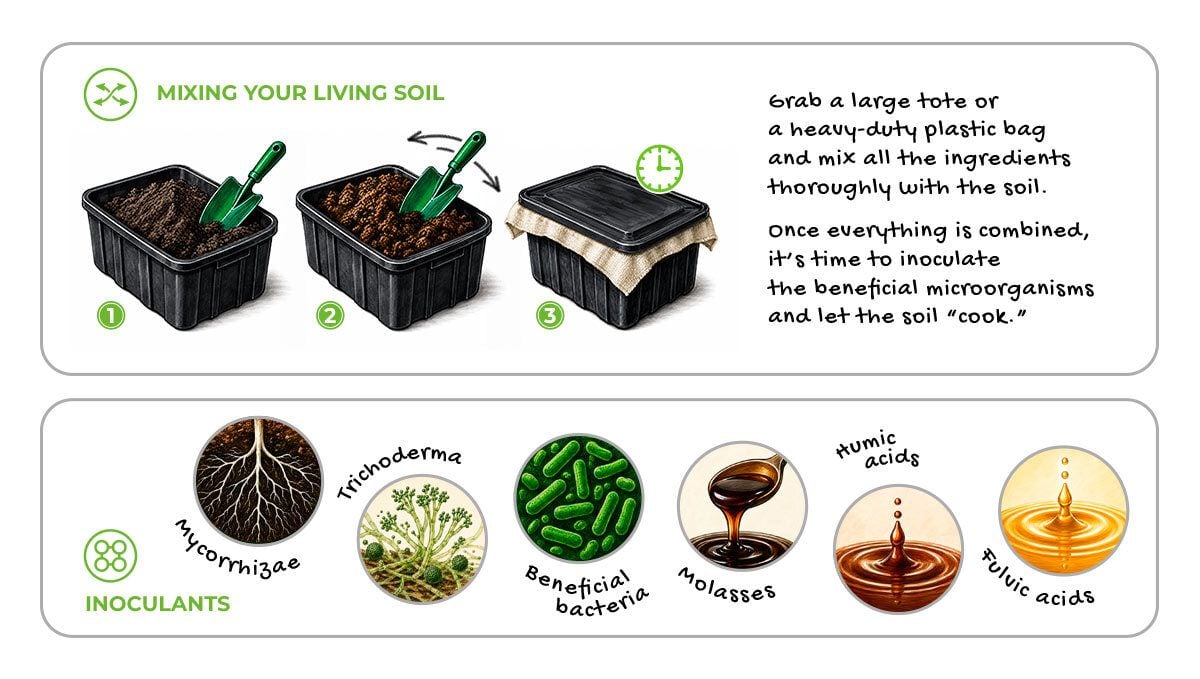
Use a sprayer to moisten the soil while mixing everything thoroughly, making sure there are no dry spots. Then seal the bag or container and allow the soil to rest for 30 days.
This combination of ingredients creates a nutrient-rich living soil designed to support strong root development, microbial activity, and long-term nutrition in a supersoil growing system.
After those 30 days, simply place the soil into your container of choice, and it’s ready to use.
Extras & Maintenance
However, there are a few important things to keep in mind. While living soil can last for months or even years, it still requires basic maintenance.
1. Extra Nutrients During Flowering
Some plants may require additional nutrients, especially during flowering. For this reason, it’s recommended to top-dress phosphorus, potassium, and micronutrients at the beginning of pre-flower.

There’s no need to use the full dosage; applying ½ or even ⅓ of the recommended amount is often enough. If necessary, you can repeat the application two weeks later to support the entire flowering stage.
2. Re-Amending the Soil
This recipe should last around 12 months. After that period, you’ll need to re-add all the original ingredients, either at the same dosage or in reduced amounts, depending on what the plants are showing.
As a general guideline, re-amend the soil using around 60-70% of the original amounts used to create the living soil.
3. Living Soil Maintenance
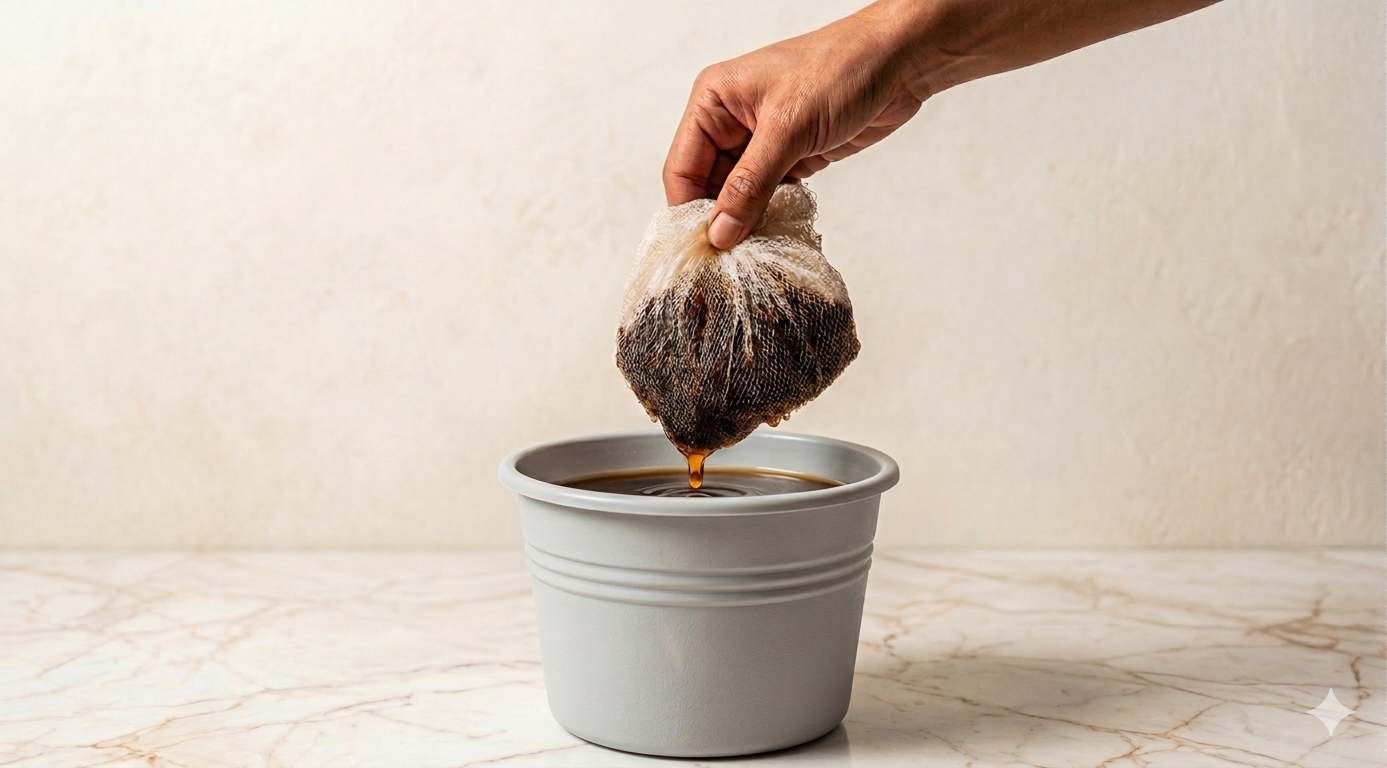
It’s also recommended to feed a tea every 10 days or so. You can use the same ingredients mentioned in the inoculant section, but make sure to aerate the mixture with an air stone for 24-48 hours for optimal results. The compost tea will guarantee your soil is living from start to finish, while providing micronutrients and food for the beneficial microorganisms to thrive.
And that is basically everything you need to keep a good, healthy soil. And you know how it goes when talking about living soil: healthy soil = healthy plants. Now that you know how to make a 100% organic living soil recipe for the most flavorful and potent autoflowers, it’s time to put your hands to work and get growing!
Comments