




Top 10 Best Outdoor Cannabis Strains of 2026


- 1. What makes an outdoor strain great?
- 2. Our best outdoor feminized strains
- 2. a. Lemonpaya
- 2. b. Lemon mandarin
- 2. c. Gorilla melon
- 2. d. Gary sherbet
- 3. Our best outdoor fast flowering strains
- 3. a. Wedding cheesecake ff
- 3. b. Purple lemonade ff
- 3. c. Gorilla cookies ff
- 4. Our best outdoor autoflowering strains
- 4. a. Mango frost auto
- 4. b. Guava sundae auto
- 4. c. Mendo guava auto
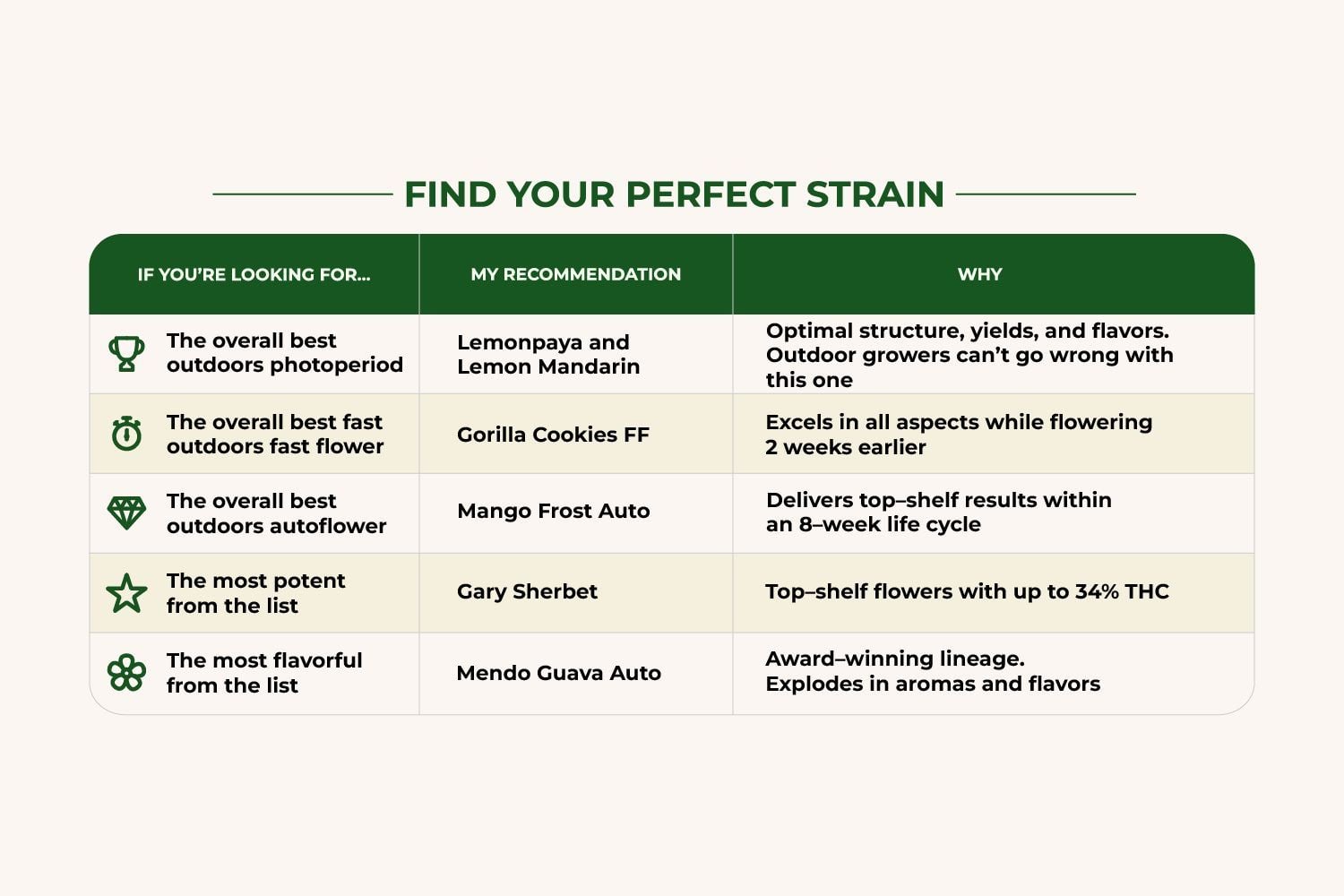
- 5. Which outdoor strain is right for you?
- 6. How i selected these strains
What Makes an Outdoor Strain Great?
Growing outdoors means giving up the control indoor growing offers. There's no dialing in humidity or temperature, no lights to program, no climate to fine-tune. The plant lives at the mercy of nature, and that's exactly why outdoor genetics need to be built differently.
Indoors, a breeder can chase yield and potency without worrying about what the plant has to survive, because the environment is perfectly tuned. Outdoors, none of that exists. The plant has to handle humid nights that invite mold, sudden cold snaps, wind strong enough to snap weak branches, and animals like squirrels and rabbits that see the garden as dinner. This means that a great outdoor strain can’t be just productive; it has to be resilient.
That resilience comes from several traits working together: resistance to mold, rot, and disease; resistance to pests and animals; strong structure that holds up under wind and heavy colas without staking; and stress tolerance for the swinging temperatures and humidity outdoor plants can't escape.
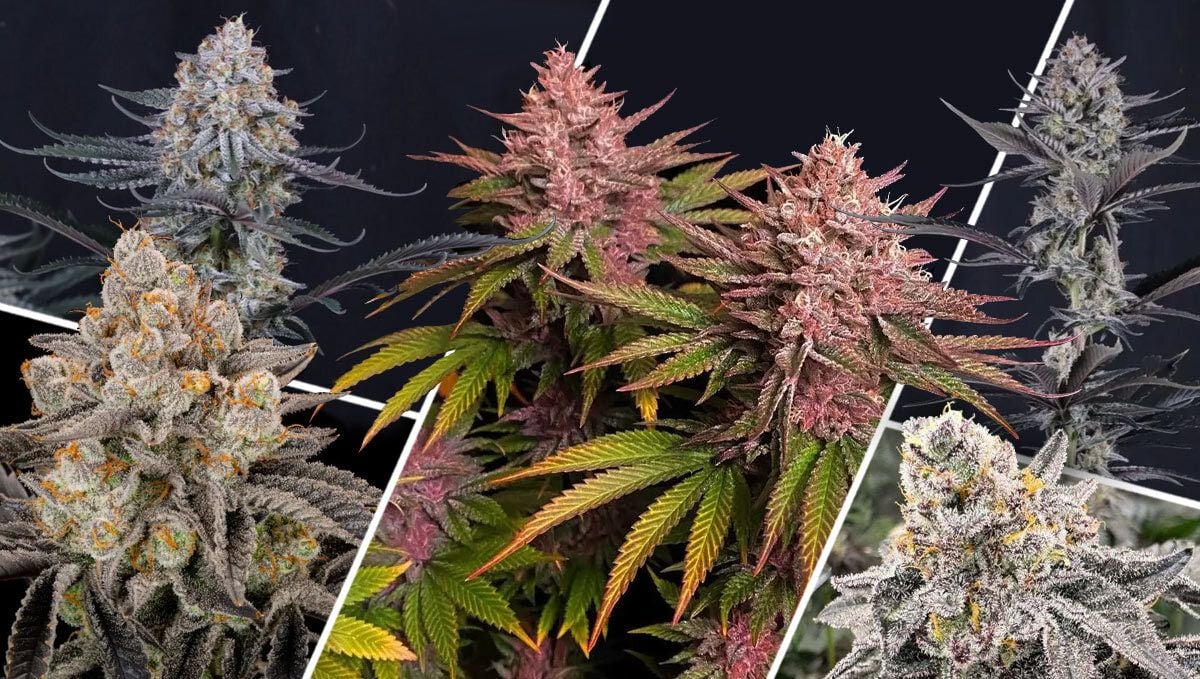
Timing matters just as much. Outdoors, you don't decide when a plant finishes; the season does. A strain that can't finish before the first frost or fall rains won’t survive outdoors, no matter how good it looks on paper.
The upside is freedom from equipment and constant adjustments. Your job becomes simple: keep the plant healthy through vegetative growth and trust the genetics to carry it through the rest.
That was our goal when creating this list. Not just big yields or potency, but resilience, structure, stress tolerance, and a reliable finish, without sacrificing the resin, flavor, and quality that make a strain worth growing.
Our Best Outdoor Feminized Strains
Photoperiod strains remain among the most popular choices for outdoor growers, and for good reason. Since outdoor growers only get one cycle per year, they need plants that can keep growing for as long as the season allows, rather than genetics locked into a fixed timeline.
That's the advantage of photoperiods outdoors. Instead of managing ten small plants, most outdoor growers prefer to dedicate their space to just one or two large ones. Fewer plants means less maintenance, less monitoring, and less work spread across a garden. The trade-off is time: those one or two plants spend months in vegetative growth before they ever see a change in the light cycle, stretching out and building the kind of size that would be impossible indoors. What looks like a slow start becomes the whole point, because by the time flowering begins, these plants have grown into massive structures capable of yields no small indoor-style plant could match.
That size, however, comes with its own demands. A plant that vegs for months and grows to several feet tall needs the structure to support itself, the resilience to handle whatever weather the season brings, and the health to make it all the way to harvest without succumbing to problems that build up over a long outdoor life.
Vigorous growth, sturdy branches, and a natural tolerance to humidity and stress all come together here, giving outdoor growers the kind of plants that reward patience with a harvest worth the months of waiting.
Lemonpaya
Why I Picked It
For Lemonpaya, we took our Lemonade keeper, a cut prized for years across our breeding projects for its unmistakable lemon fragrance, and paired it with Papaya, a strain famous for its intensely sweet, tropical character and generous resin production.
Lemonpaya is a strain that handles stress well, which is exactly what makes it so easy to place in almost any setup. Indoors, it tolerates the kind of small mistakes that trip up less forgiving genetics. Outdoors, that same resilience becomes real durability, standing up to weather and environmental swings that would set weaker plants back.

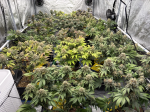
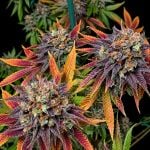
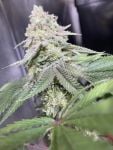
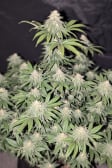
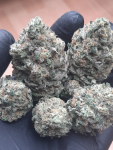
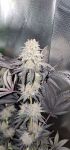
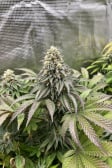
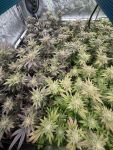


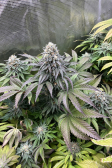
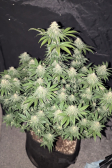
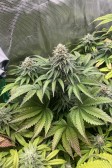
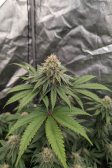
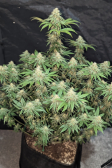
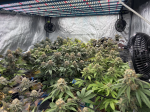
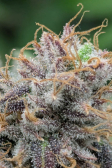
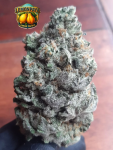
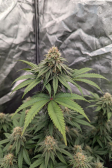
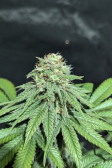
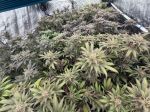
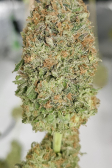
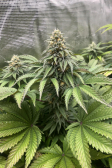

That outdoor performance is really where Lemonpaya separates itself. Kept indoors, it can be trained to stay compact and efficient in a limited footprint. But given real space outdoors, it stretches into something far bigger, and that extra size translates directly into extra yield. It doesn't sacrifice quality to get there either, the flower stays dense, resinous, and full of flavor no matter how large the plant grows. Add in the fact that it's vigorous enough to thrive on basic care, and you get a strain that rewards growers with minimal fuss and maximum output.
The terpene profile opens with sharp, fresh lemon, the kind that reads almost like citrus juice, then shifts as the buds mature, pulling in deeper tropical fruit notes that round everything out.
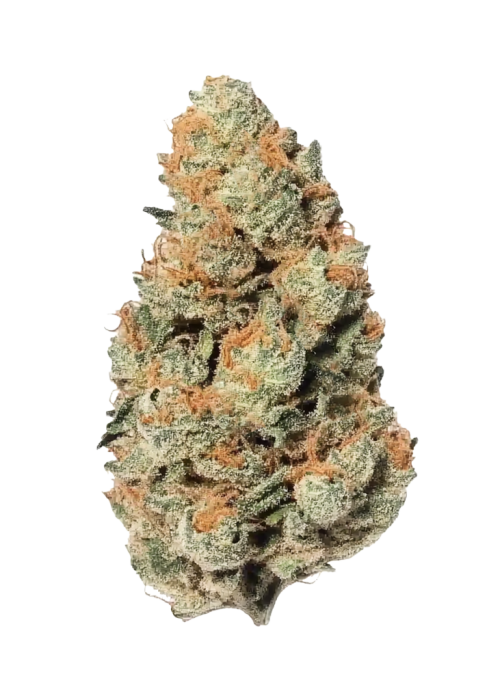 Lemonpaya
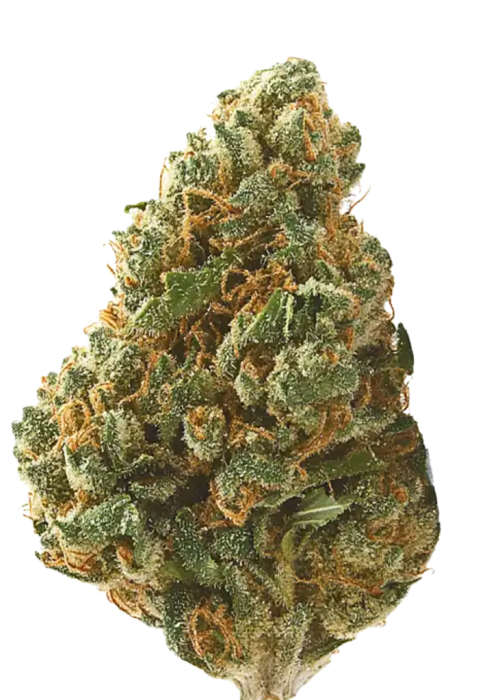 Papaya
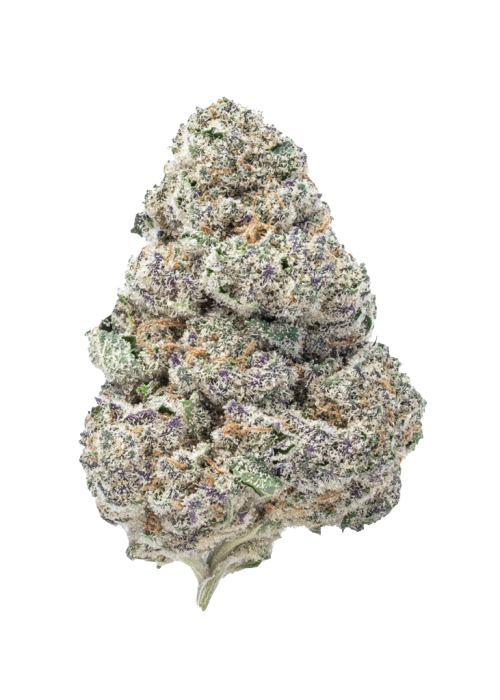 Ice
Ice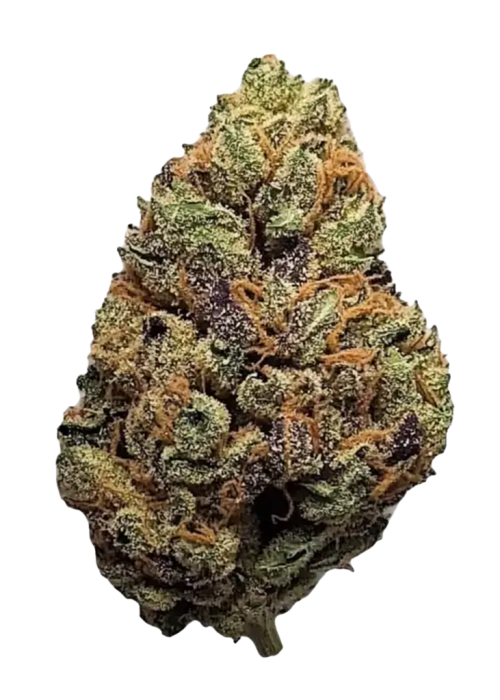 Northern Lights
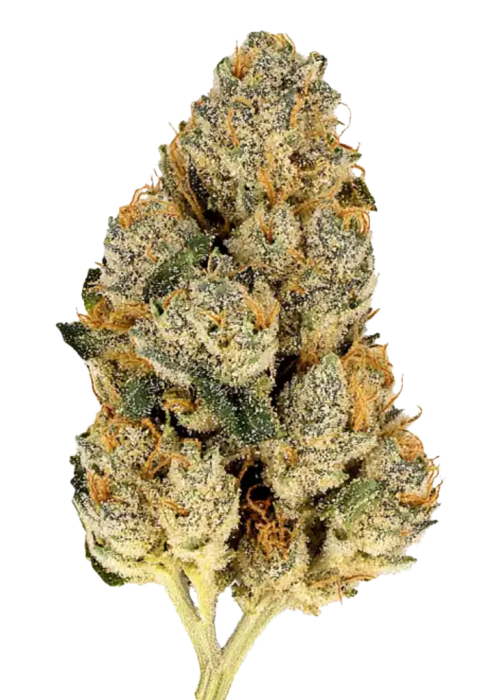 Skunk 1
 Afghani
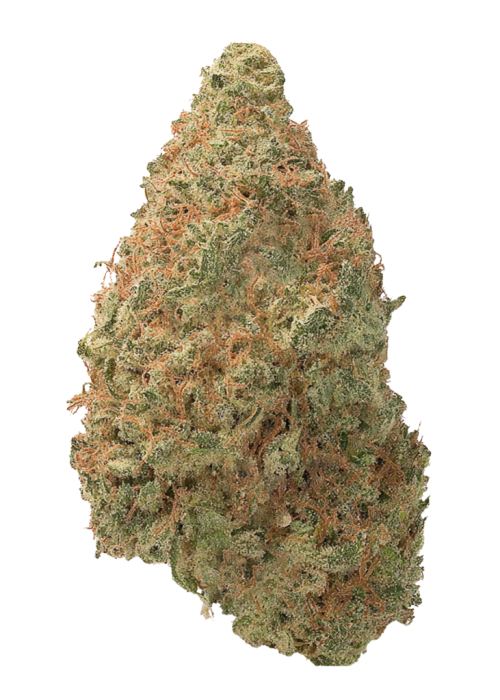 Shiva SkunkSkunk 1
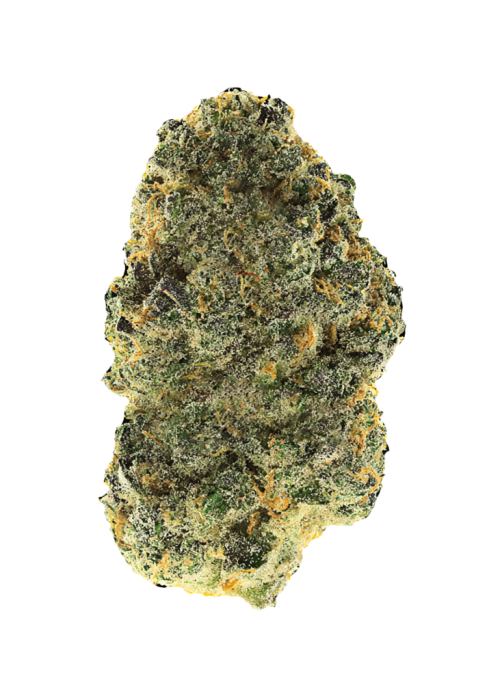 Pakistani Chitral Kush
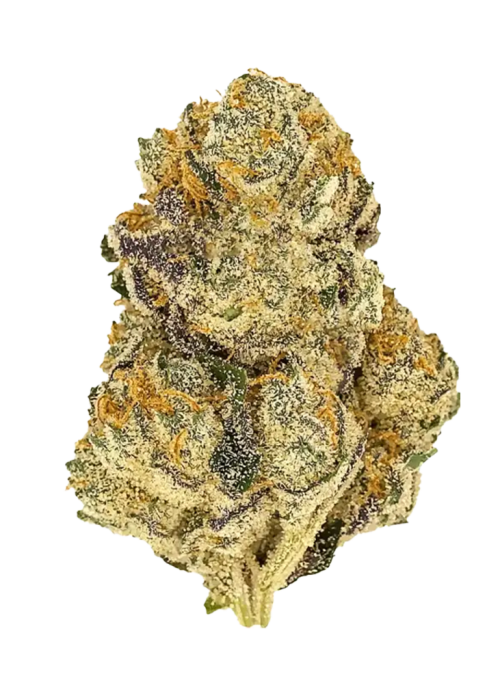 Lemonnade
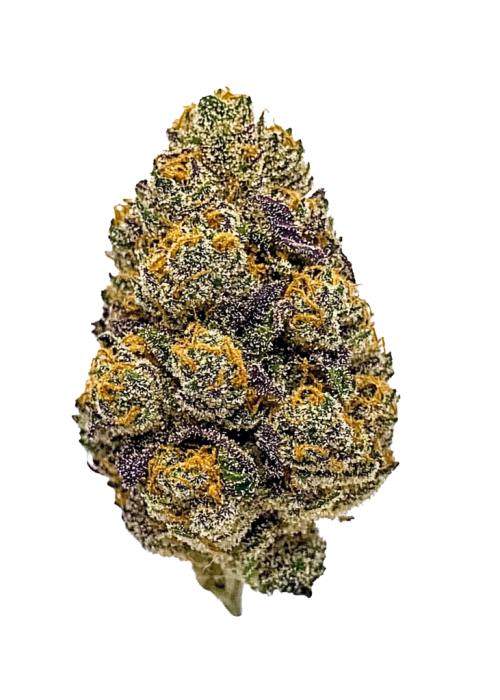 Lemon OG
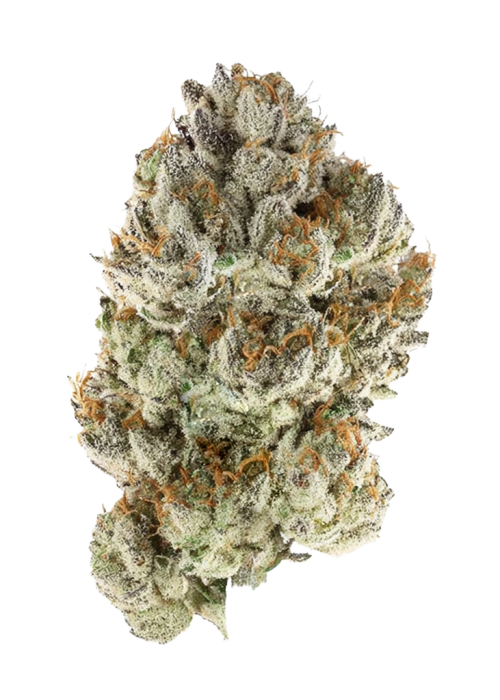 Reserve OG
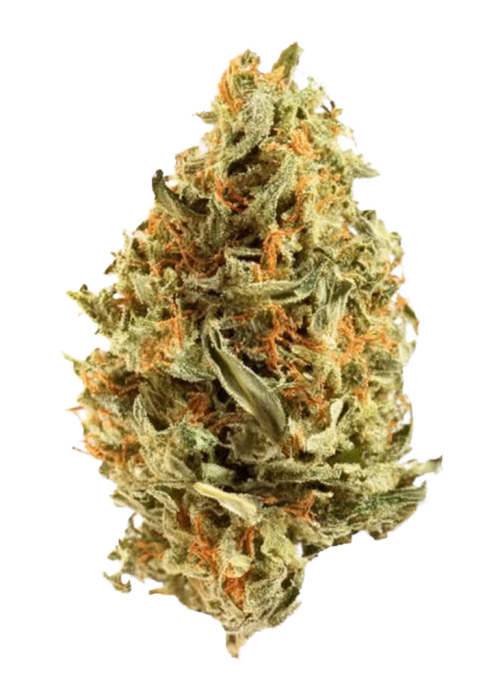 Las Vegas Lemon Skunk
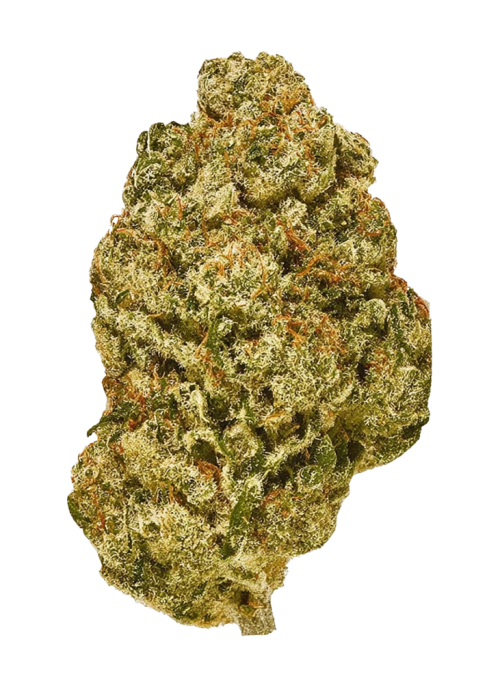 Gorilla Haze
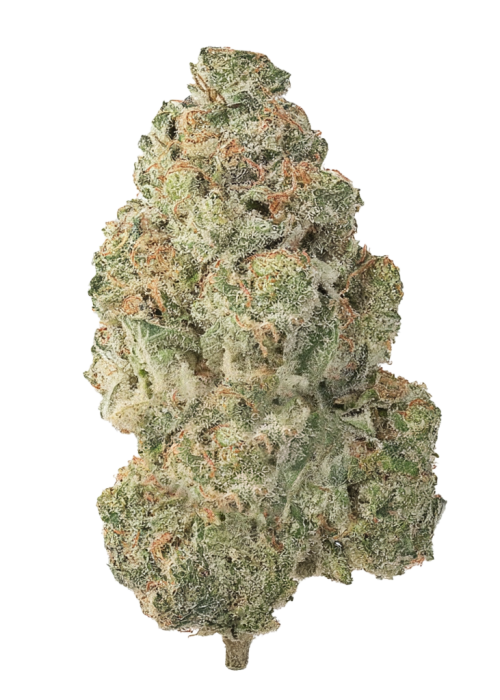 Gorilla Glue
 Amnesia Haze
Tastes like papaya at first, then like fruit tea.
It's vigorous, adaptable, and forgiving enough for growers still finding their footing with photoperiods, while still delivering the kind of resin, yield, and tropical-citrus flavor that experienced growers look for. Whether it's tucked into a tent or given free rein in an outdoor garden, Lemonpaya consistently turns basic care into an exceptional harvest.


Lemon Mandarin
Why I Picked It
This one's for growers who think bigger is always better. Lemon Mandarin comes from crossing two of our favorite citrus lines: our keeper Lemonade cut and Tangie, sourced from Crockett's Family Farms.
Size is where this plant really makes its statement. Left to its own devices, Lemon Mandarin can push past 200 cm, throwing out generous side-branching along the way and showing off a resilience that lets it handle the demands of that kind of growth without breaking down. It's a strain built for growers who want XXL yields and aren't afraid of a plant that takes up serious space to get there.
Much like Lemonpaya, Lemon Mandarin is an excellent choice for outdoor gardens, and for a similar reason. Give it a pot indoors, and it'll perform well within those limits, but give it real room outdoors, and it stretches into its true potential, branching out aggressively and filling the space with the kind of structure that translates directly into bigger harvests.
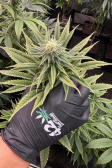
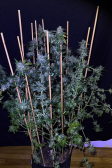
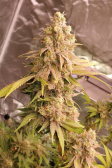
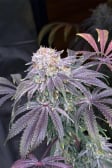
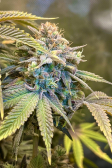
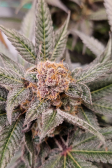
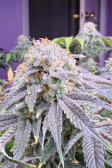
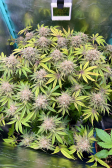
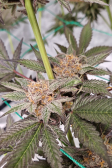
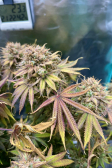
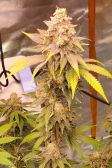
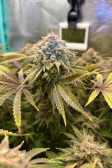

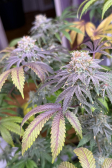
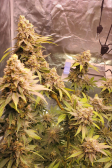
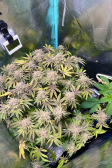
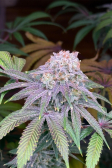
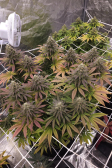
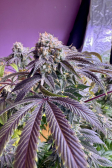
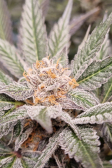
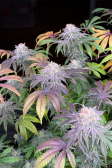
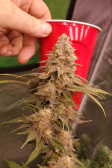

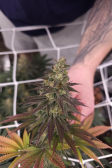
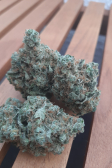
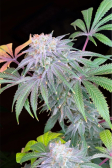
Its sativa-leaning characteristics only reinforce that outdoor advantage, adding vigor and stretch on top of a plant that's already inclined to grow big. For growers who want to maximize size, yield, and flavor without a demanding maintenance schedule, Lemon Mandarin delivers all three with very little asked in return.
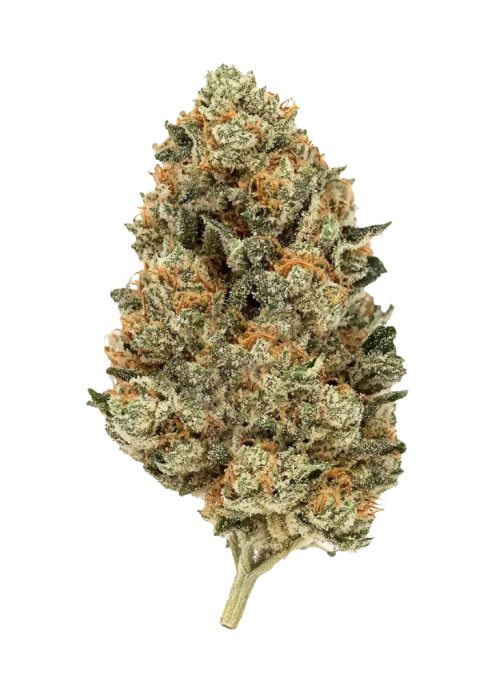
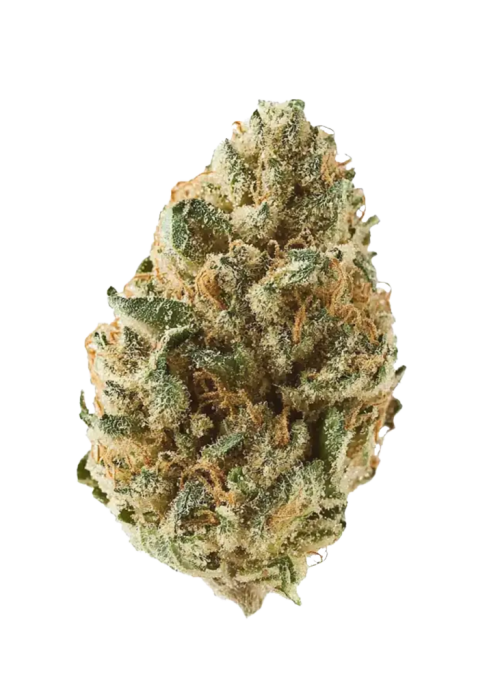
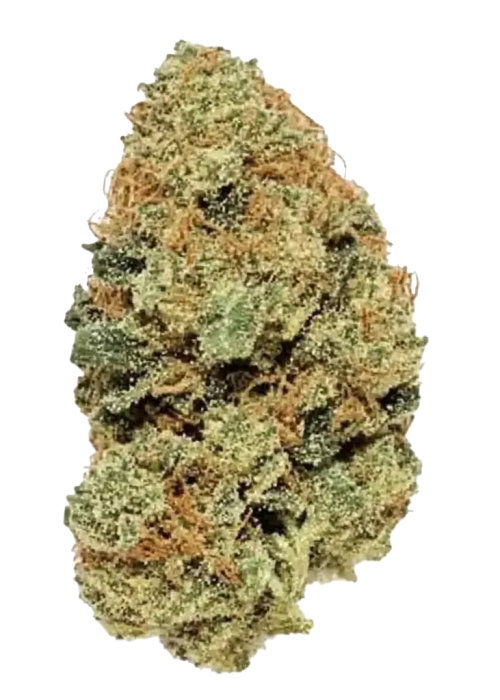
The aroma is where the strain earns its name. Tangie's sharp citrus punch meets fresh lemon zest, rounded out by the soft sweetness of ripe mandarin. Together they create a pungent, tangerine-lemon fragrance that’s intense enough to fill a room as soon as you open the jar.
Because of how large and heavy this plant gets, some support is worth planning for. Scrogging or a similar structural aid helps keep those branches from bending under the weight of developing colas.
 Lemon Mandarin
 TangieSkunk 1
 Acapulco GoldAfghani
 Colombian Gold
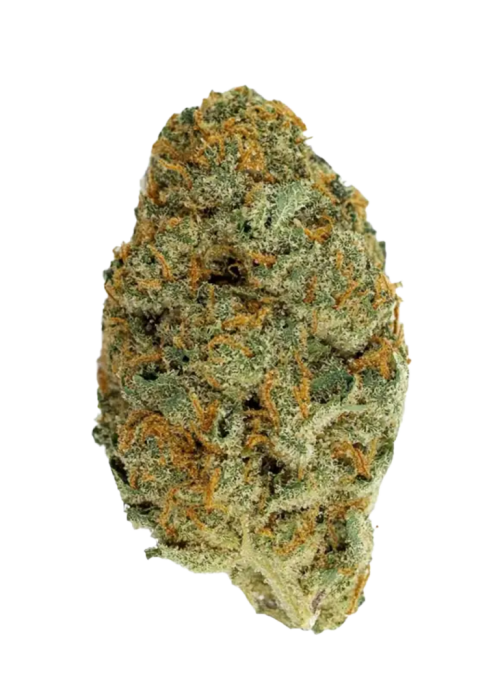 California Orange
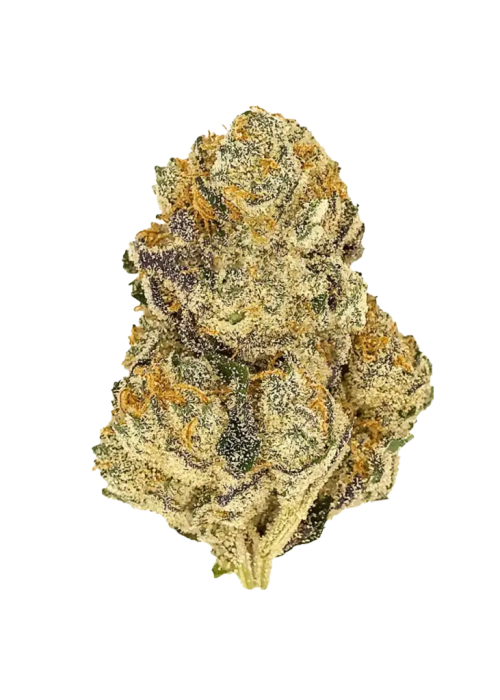 LemonnadeLemon OG
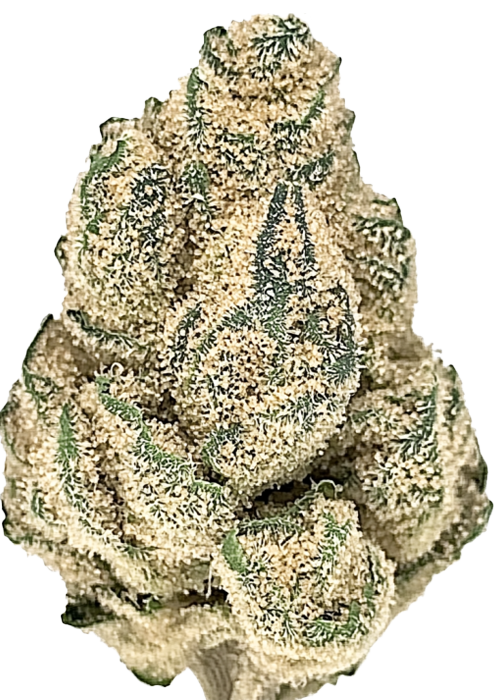 Private ReserveLas Vegas Lemon SkunkGorilla HazeGorilla GlueAmnesia Haze
She is hard to kill, you can train her , top her and she bounces right back
For growers chasing towering plants, massive yields, and a citrus profile with real complexity, Lemon Mandarin stands out as one of the most rewarding strains in the lineup, indoors or outdoors.

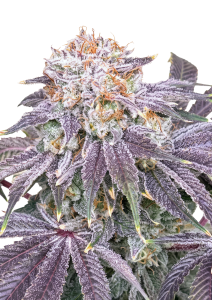
Gorilla Melon
Why I Picked It
Where Gorilla Melon really earns her name is in how much it can take. This is a plant with the gorilla-like power to shrug off nearly any kind of stress. Heavy defoliation, aggressive cloning, mistakes in nutrients or watering, none of it seems to slow her down for long. It recovers fast and often comes back stronger than before, the kind of plant that makes even inexperienced growers look like they know what they're doing.
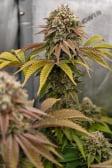
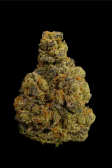
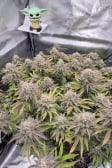
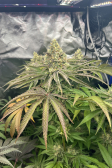
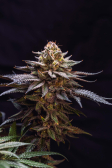
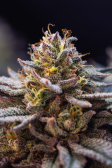
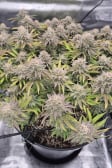
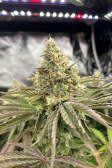
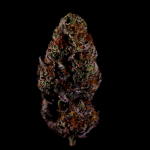
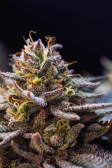
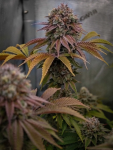
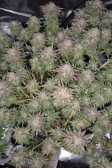
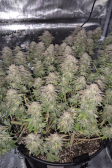
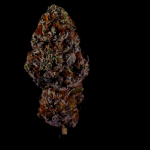
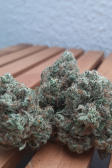
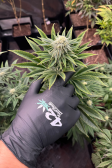
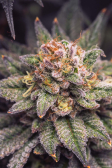
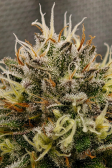
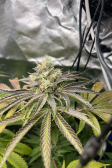
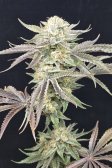
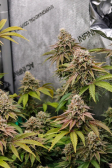
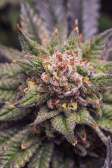
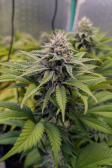

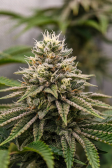
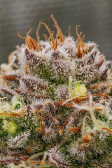
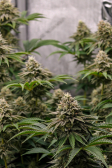
That toughness is exactly why Gorilla Melon belongs in outdoor gardens. Sure, the flavor is there, the potency is there, the bag appeal is there, all the things you'd expect from a strain built on top genetics. But what makes it all possible outdoors is durability. Outdoor gardens throw curveballs no indoor room ever will: sudden weather shifts, pest pressure, wind, inconsistent care. Gorilla Melon takes all of it in stride and still finishes with a top-shelf harvest. If you're looking for something closer to an all-terrain vehicle in plant form, something built to handle whatever the season throws at it without missing a beat, Gorilla Melon is exactly that.
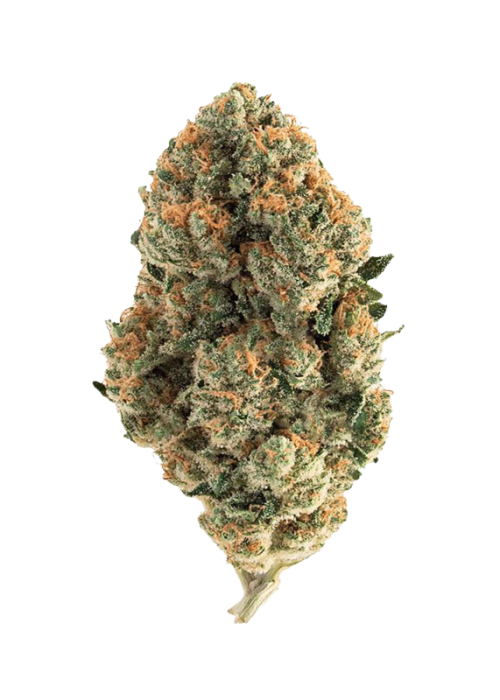 Gorilla MelonGorilla Glue
 Sour Dubb
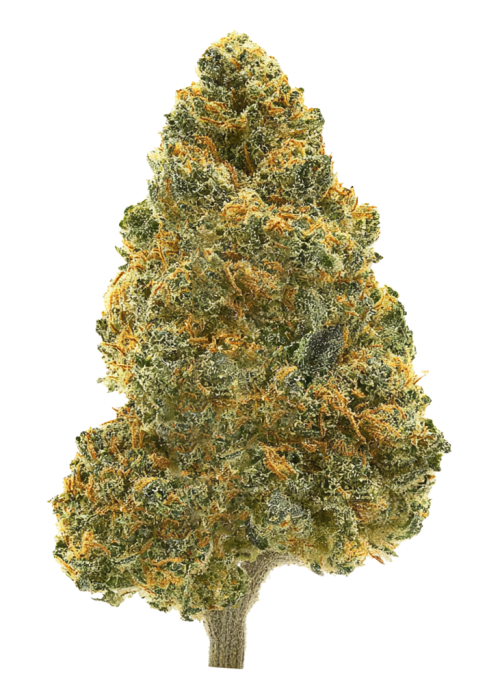 Sour Diesel
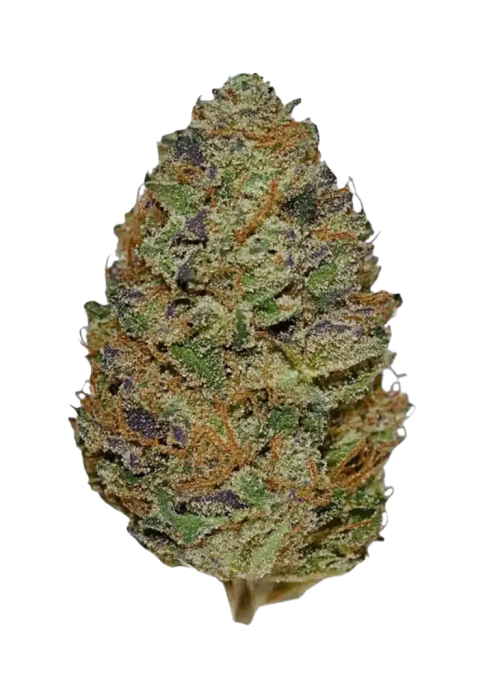 Sour Bubble
 Chocolate DieselSour Diesel
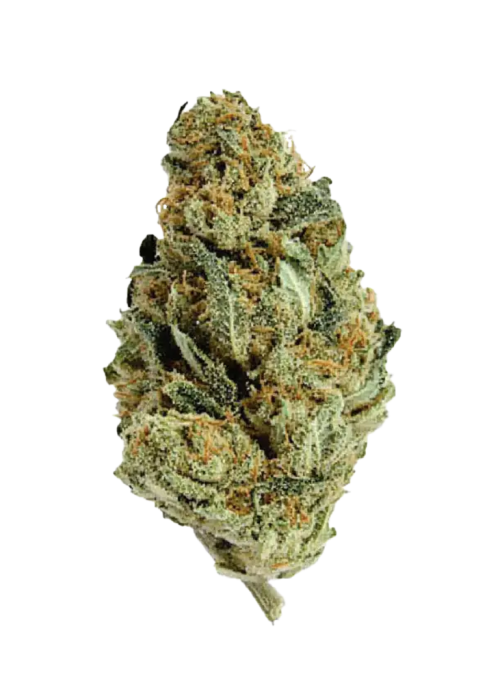 Chocolate Thai
 Chem Sis
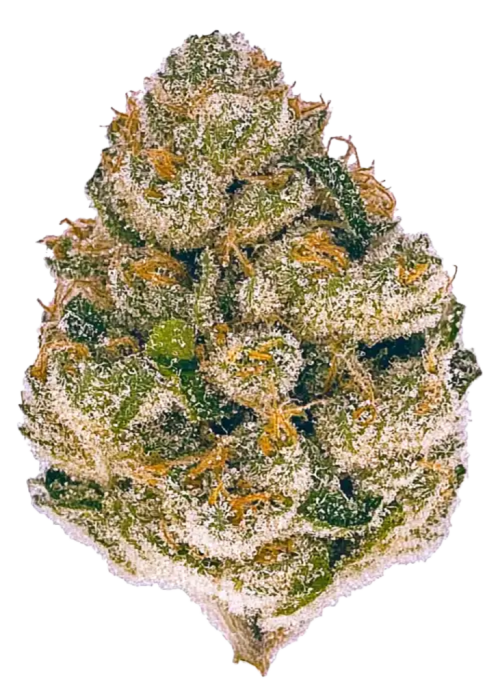 Chemdawg
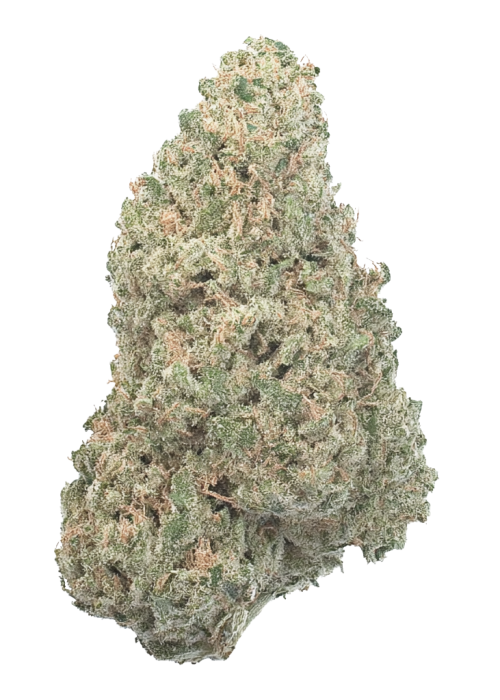 Melon
MelonI planted in April. It’s July and this thing is huge! 70” so far. Just started flowering but look at its size. That’s a 20 gallon pot for reference. Very healthy...
Structurally, it stays low and bushy rather than tall, which works in her favor outdoors, keeping her sturdy and less exposed to wind damage while still filling out with dense colas. Combine that with her resilience and her ability to bounce back from stress, and you get a strain that consistently delivers, no matter what conditions she's up against.

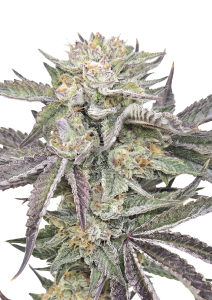
Gary Sherbet
Why I Picked It
There's a specific kind of surprise that happens when an outdoor plant tastes as it came out of a dialed-in indoor room, and Gary Sherbet delivers that surprise consistently. The structure looks the way you'd expect from solid outdoor genetics: sturdy branches, dense buds, a plant that does its job without drama. Nothing about the growth alerts you to what's coming. The real story unfolds later, during flowering, drying, and curing, when the resin and terpenes reveal a depth that most outdoor flower simply doesn't reach.
That payoff traces back to how this line was built. Gary Sherbet stacks Sherbet genetics across multiple generations, layering that influence again and again to deepen the terpene profile while holding onto the strength and structure of Gary Payton underneath it all.

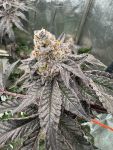
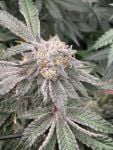

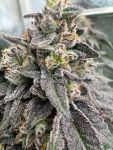
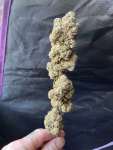
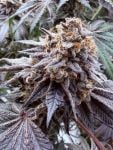

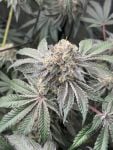

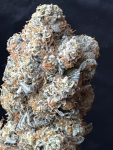
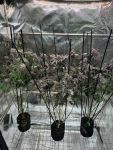
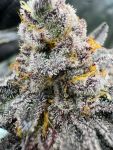

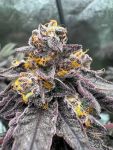
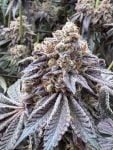

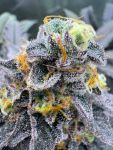
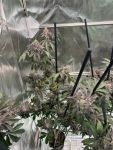
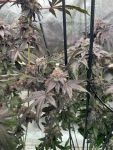
The foundation begins with Gary Payton (Cookies Seed Bank) crossed into Sunset Sherbet, a pairing that immediately softened Gary Payton's edges and introduced a rounder, creamier character. From there, we brought in Sherbanger (Sunset Sherbet × Headbanger) from Boston Roots Seed Co, reinforcing that same Sherbet direction while adding another layer of depth and a subtle fuel note underneath.
Every line in this project was grown from seed, with large in-house selections run across multiple plants and only the ones that cleared that selection process were used in the final cross, which is what gives Gary Sherbet its consistency.
The result is a terpene profile that builds in layers, creamy dessert notes up front, sweet citrus underneath, and a sharper gassy edge that emerges over time rather than announcing itself all at once.
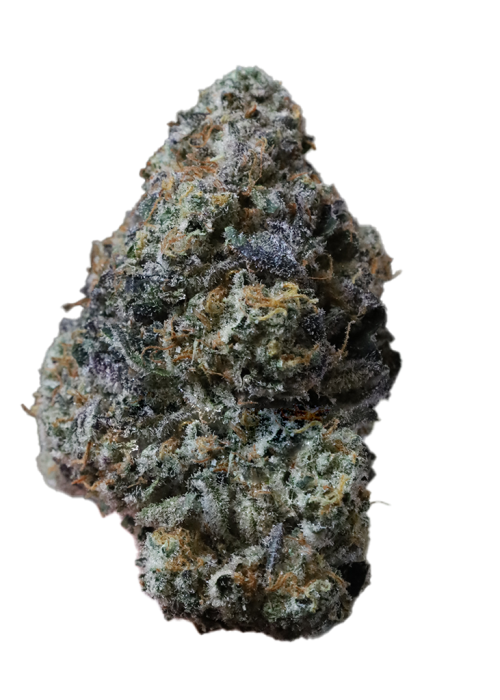 Gary Sherbet™
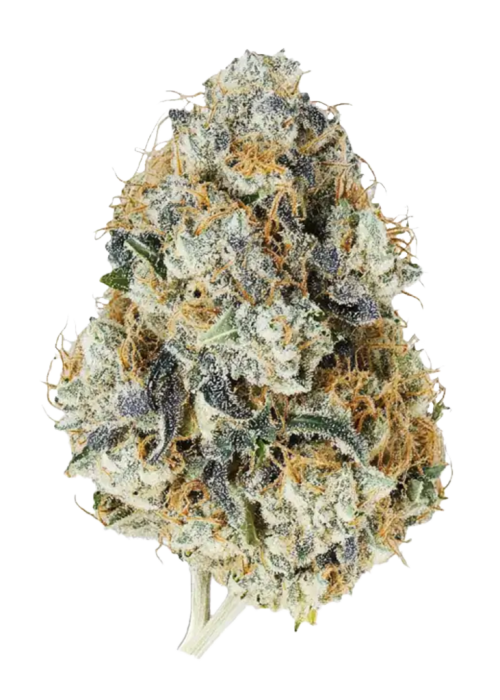 Gary Payton
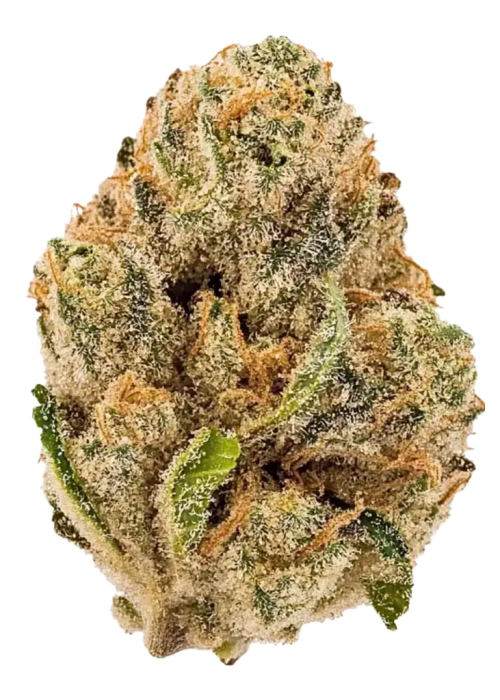 Snowman
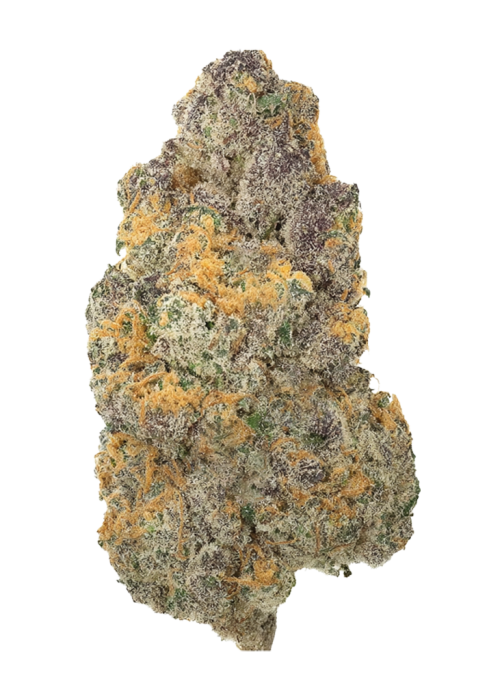 Girl Scout Cookies
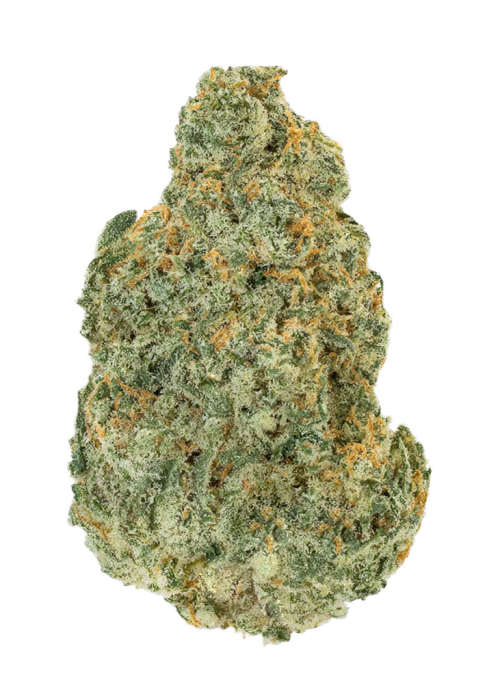 Y GriegaAmnesia Haze
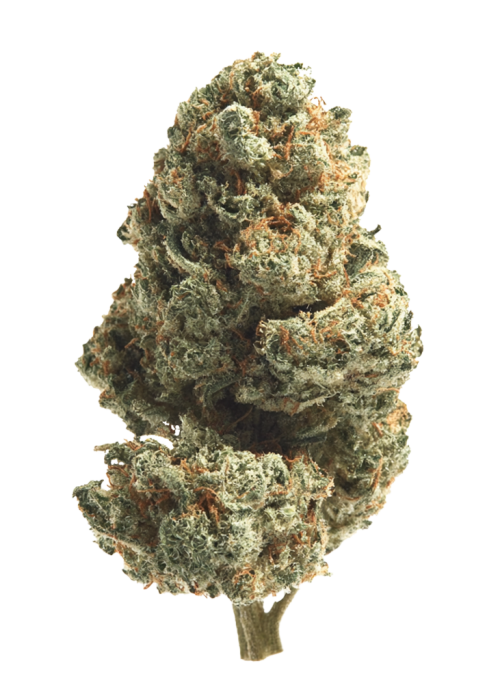 Kali Mist
 Sunset SherbertGirl Scout Cookies
 OG Kush
 Durban Poison
 Pink Panties
 Florida Kush
 Burmese Kush
 SherbangerSunset SherbertGirl Scout CookiesPink Panties
 HeadbangerSour Diesel
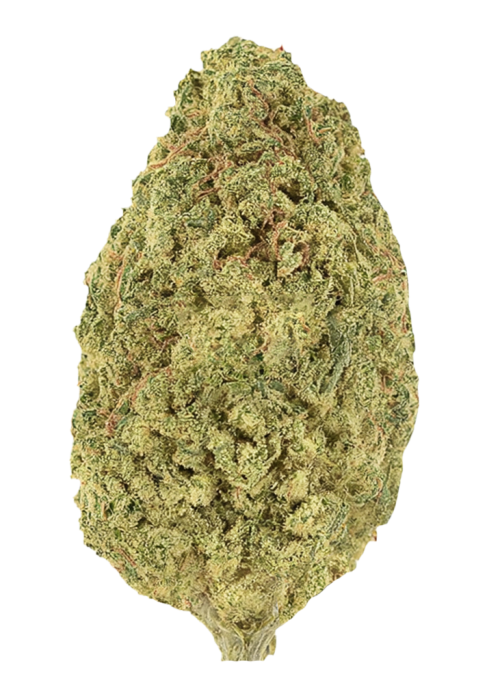 Biker Kush
That layered complexity is exactly why Gary Sherbet earns a place among our top outdoor picks. It grows like a capable outdoor plant, nothing about it demands special treatment, but it finishes like something grown under lights in a controlled room. The resin production during flowering hints at what's coming. The aroma during drying and curing confirms it. And by the time it's ready to smoke, growers are left with a jar that tastes like it shouldn't have come from an outdoor garden at all.

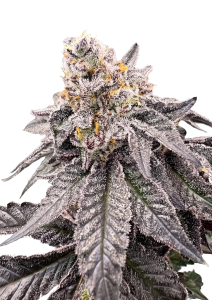
Our Best Outdoor Fast Flowering Strains
For outdoor growers, timing is everything. You can control the soil, the nutrients, the training, but you can't control the calendar. Every season carries a hard deadline, and if a plant hasn't finished before the weather turns, no amount of care can save it. That's the problem Fast Flowering strains were built to solve.
Fast Flowering genetics come from crossing autoflowers with photoperiods, combining the best of both worlds. Like traditional photoperiods, they can veg for as long as the days are longer than the nights. But once flowering begins, they finish noticeably faster, cutting as much as 14 days off the usual flowering window.
That head start makes all the difference for growers racing the first frost. It means growers don't have to change anything about how they garden. There's no need for new techniques, just the same familiar process of vegging through summer and flowering into fall. The only difference is that Fast Flowering strains reach the finish line earlier, giving a wider safety margin before freezing temperatures put the harvest at risk.
That extra window matters more than it seems. A couple of weeks can be the difference between a full harvest of dry, resinous flower and losing a crop to an early cold snap or late-season rain. Fast Flowering strains provide growers with that extra buffer without compromising on size, structure, or quality, giving them the confidence that their plants will make it to harvest, no matter how unpredictable the season becomes.
Wedding Cheesecake FF
Why I Picked It
Some strains earn a following so strong that growers start asking for versions the breeder never originally planned. That's exactly what happened with Wedding Cheesecake Auto. It became one of our most requested autoflowering strains, loved for a terpene profile that reads like dessert in flower form.
But autoflowers aren't for everyone, some growers simply prefer photoperiods, others aren't set up to run autos at all. Rather than let that audience miss out, we took on the challenge of translating everything people loved about the original into a photoperiod version built specifically with outdoor growers in mind, since that's where most of these plants were likely to end up.
The goal was never to turn this into a yield monster or a giant of a plant. The goal was flavor, keeping that unmistakable cheesecake character intact while giving it the resilience needed to go the distance in an outdoor season.
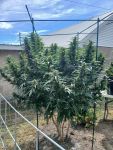
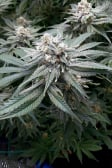
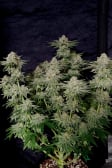
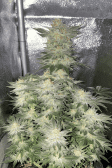
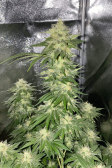
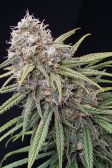
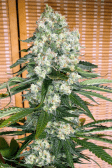
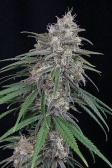
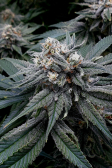
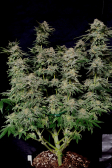
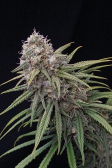

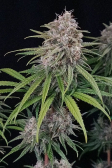
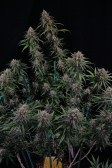
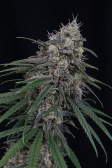
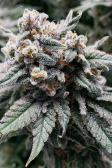
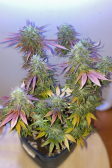
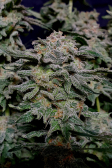

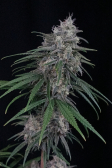
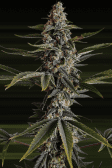
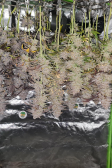
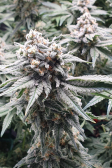
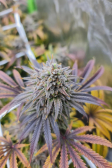
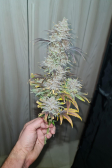
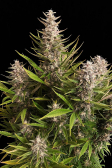
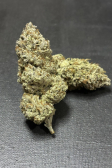
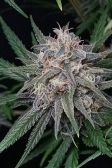
What growers get is a hybrid that reaches up to 3 meters tall and yields of up to 800 g/plant within 7 to 8 weeks of flowering. It handles a wide range of climates without asking for much, making it a strong pick for anyone who wants a big harvest without a demanding grow.
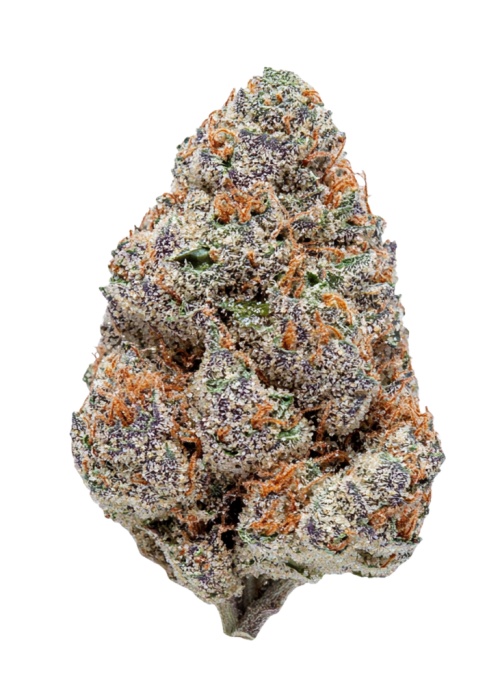
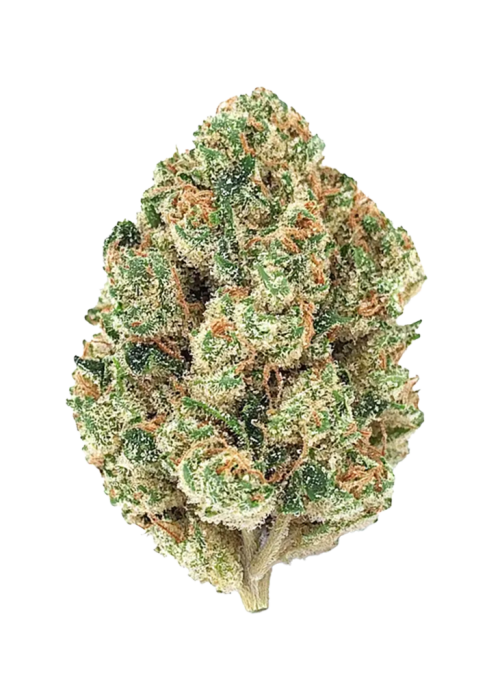
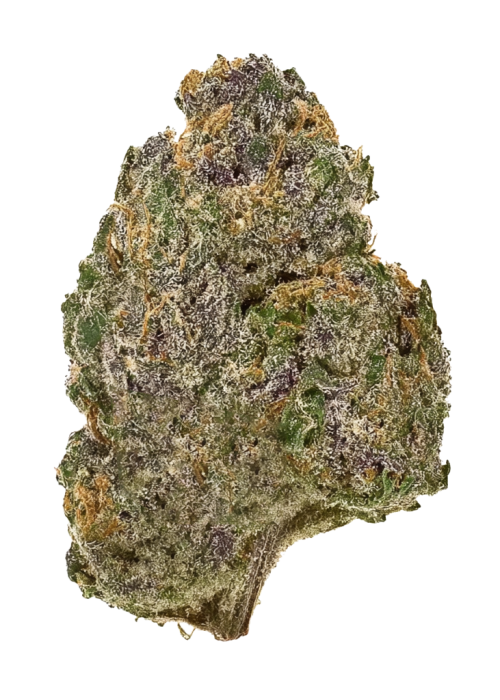
Colors shift across the plant from lime green to deeper shades of magenta and purple, and the smell coming off buds is unmistakably reminiscent of cheesecake straight from the bakery case.
The high is quite balanced. It opens with a cerebral lift, clearing mental clutter and easing stress, before a gentler body relaxation settles in underneath. Neither side overwhelms the other, giving smokers a genuinely balanced experience rather than one that leans hard in either direction. With THC reaching up to 25%, it delivers enough potency to back up the experience without tipping into overwhelming territory.
 Wedding Cheesecake FF
 Wedding Cake
 Animal Mints
 Fire OG
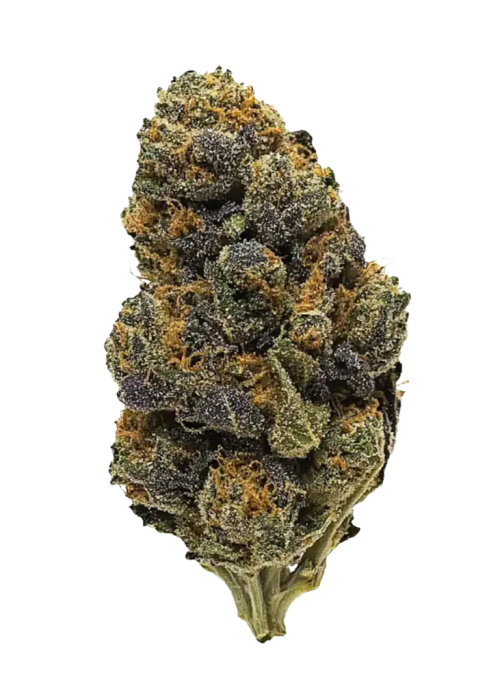 Thin Mint Girl Scout Cookies
 Triangle KushOG Kush
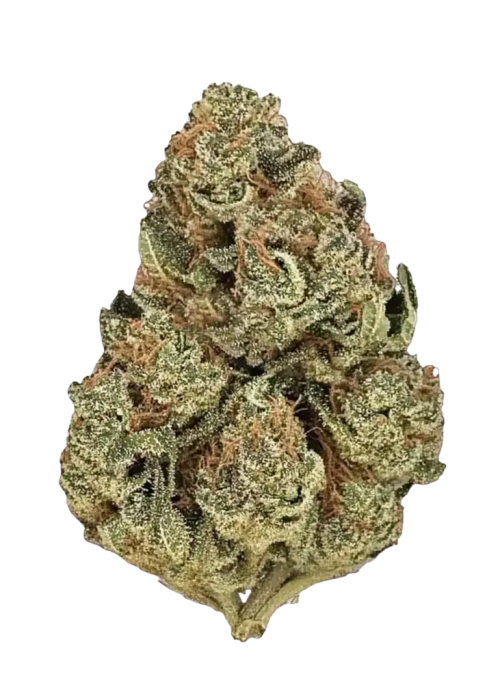 CheeseSkunk 1Acapulco GoldAfghaniColombian GoldAfghani
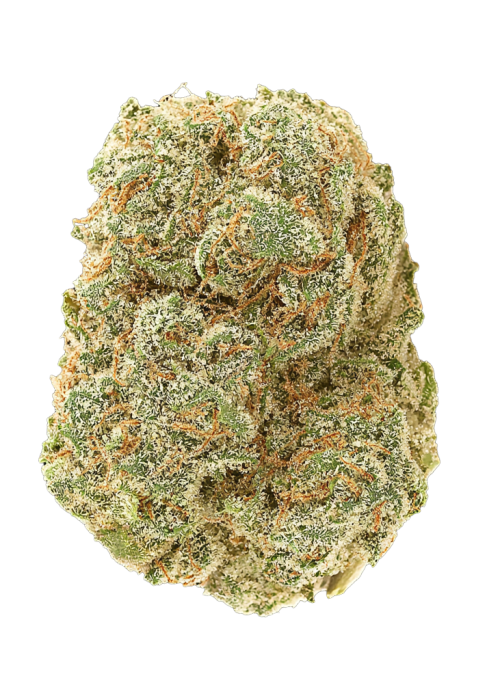 Wedding Cheesecake AutoWedding CakeAnimal MintsTriangle KushCheeseSkunk 1Afghani
 Fast Buds Auto #1
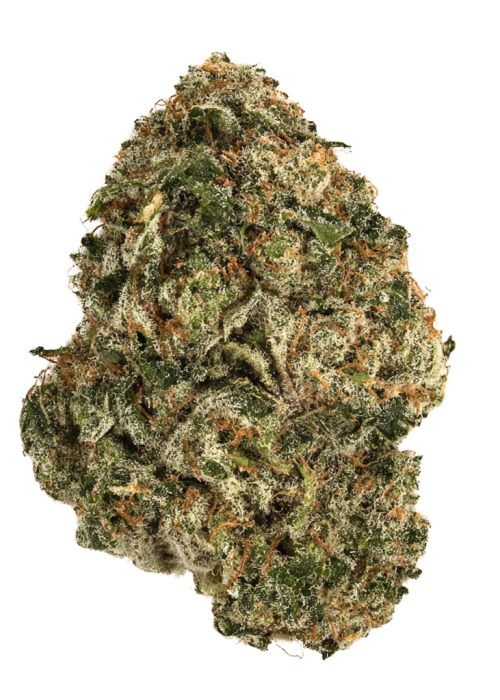 Lowryder #1
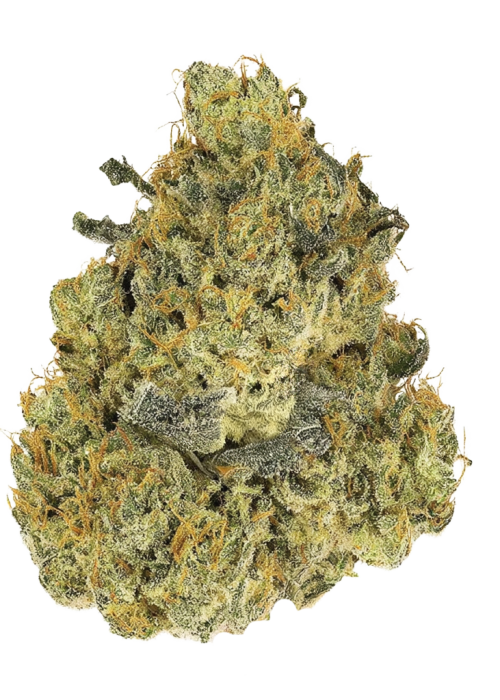 Fast Bud Auto
I picked this strain for its name and wasn’t disappointed.
For outdoor growers specifically chasing this flavor profile, Wedding Cheesecake FF isn't just another strain on the list. It's a dedicated effort to bring a fan-favorite aroma out of the autoflower world and into a photoperiod plant tough enough to finish outdoors, delivering a smoke defined by creamy, doughy sweetness from first light to final cure.


Purple Lemonade FF
Why I Picked It
Picture the best glass of lemonade you've ever had on the hottest day of summer, then imagine that same sensation bottled into a cannabis strain. That's the pitch behind Purple Lemonade FF, and it's not an exaggeration once you've tasted it.
This one traces back to Purple Lemonade Auto, a strain that quietly became one of the most requested names in our catalog. Growers loved the color, loved the citrus punch, loved everything about the smoking experience. The only thing standing between more people and that experience was the plant itself; autoflowers simply aren't for every grower, whether by choice or by circumstance.
Since the flavor and appearance were already dialed in from the original, the real work here went into shaping the traits that make a plant genuinely reliable outdoors, structure, vigor, and consistency, without touching what made the strain special in the first place.
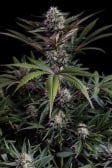
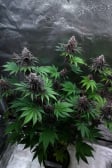
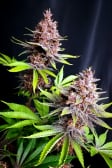
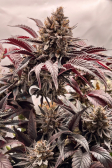
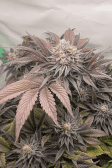

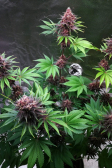
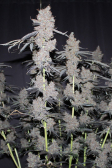
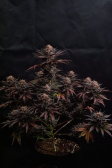
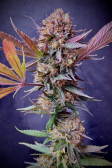
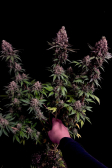
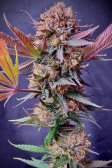
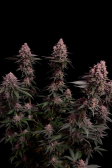
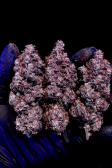
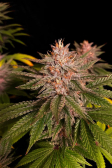
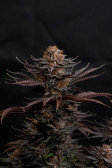
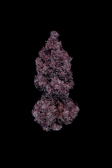
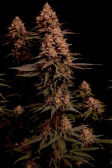

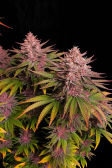
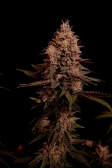
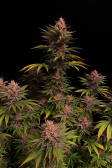
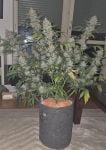
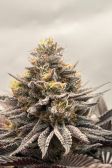
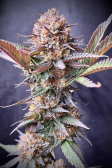
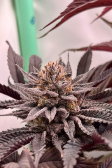
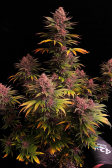
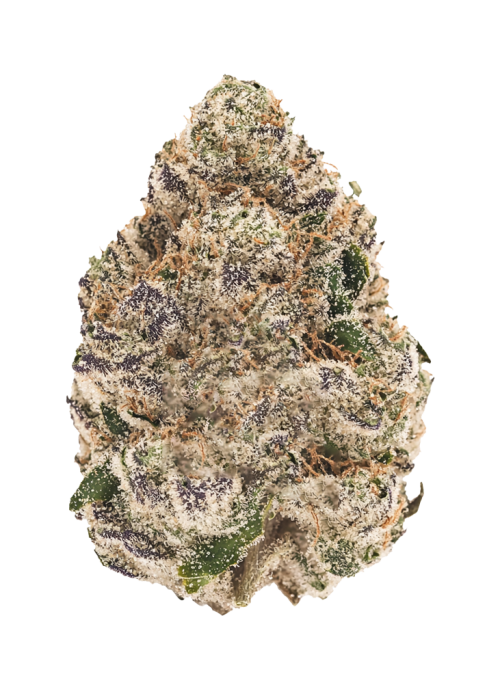
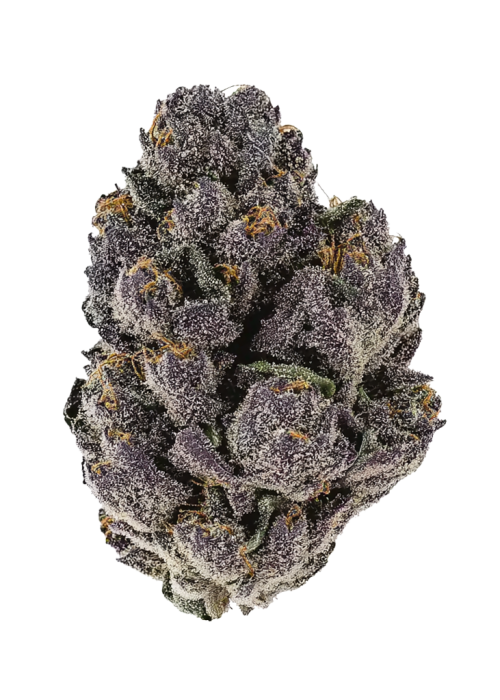
The visual impact is where this plant announces itself. Chunky buds that develop the full range of pink, red, and purple tones, with dark orange pistils shooting out in every direction. Many phenotypes push out trichomes with a distinct lilac hue, giving the flowers a pinkish glow, exactly the kind of look that makes for standout purple hash and concentrates.
Purple Lemonade FF delivers a well-balanced high, cerebral enough to lift the mood and sharpen focus, physical enough to ease tension out of the body, making it a strong fit for daytime use when you want to stay productive without sacrificing comfort. Many find it useful for managing chronic pain, migraines, and stress, on top of simply being an enjoyable smoke.
This is a manageable XL hybrid, growing a medium-sized main cola with tight internodal spacing that keeps those purple buds stacked densely rather than spread thin. That density is a big part of how it reaches yields up to 550 g/plant in a flowering window of just 7 to 8 weeks.
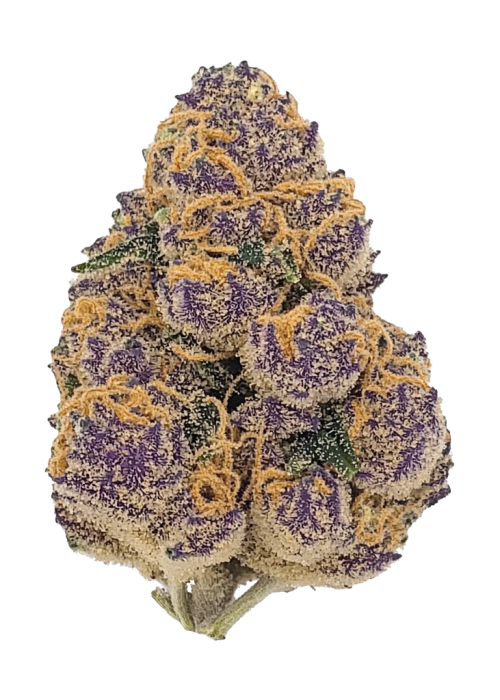 Purple Lemonade FFTangieSkunk 1Acapulco GoldAfghaniColombian GoldCalifornia Orange
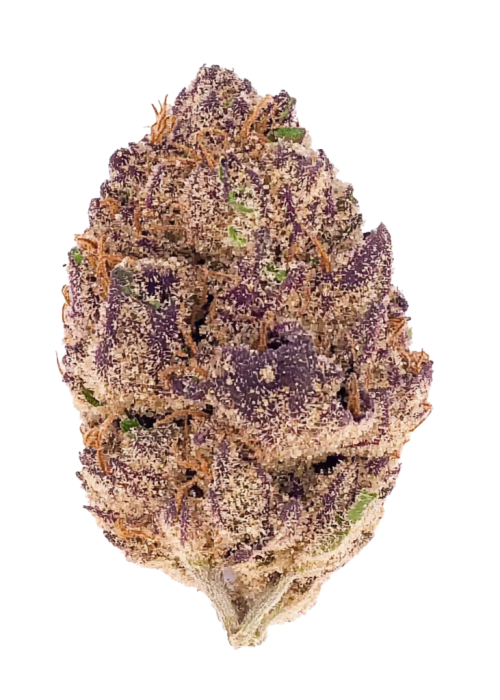 Purple Lemonade AutoLemonnadeLemon OGGorilla Haze
 LSD-25 AutoSkunk 1
 Purple Kush Auto
Love the structure and taste and smell.
And then there's the flavor, the whole reason this strain earns its name. The inhale is dominated by sour lemon-candy notes, with hints of orange and a subtle earthy undertone. The exhale flips the script, opening into a sweeter fruitiness, finishing exactly like a tall glass of ice-cold lemonade on the hottest day of the year.


Gorilla Cookies FF
Why I Picked It
Before there was a mission to turn our best autoflower genetics into photoperiod Fast Flowering versions, there was just Gorilla Cookies Auto, quietly becoming our bestselling, most popular strain in the catalog. Growers kept requesting more ways to experience it, and that demand is exactly what pushed us to ask a bigger question: what if this genetic could exist as a photoperiod too? Gorilla Cookies FF was the answer, and it became the strain that launched everything that followed.
There's a simple reason we don't need to oversell this one. Gorilla Cookies FF delivers precisely what growers already loved about the Auto version, the same firepower, the same resilience, the same unforgettable flavor, just now built around a photoperiod Fast Flowering structure that adds real flexibility to veg time and plant size. Across every category that matters, genetics, resilience, potency, flavor, this strain performs at the top of its class. If you're only going to try one FF release, this is the one worth starting with.
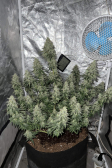
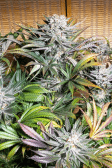
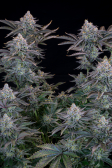
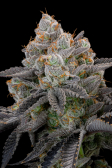

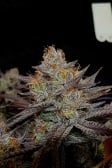
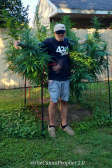
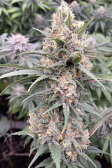

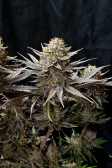
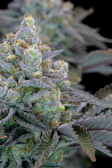

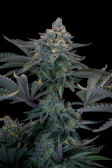

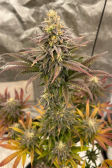
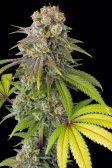



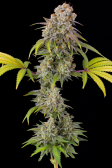
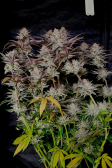
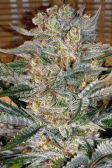
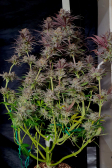
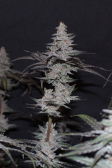
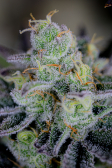
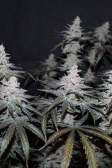
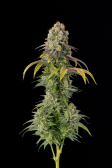
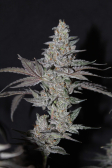
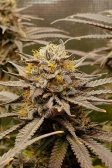
While the original auto version was bred from a combination between Girl Scout Cookies and Gorilla Glue #4 genetics, the FF version also adds Gorilla Cookies Auto into the cross, taking the strongest traits from each parent and pushing them even further.
This is a well-balanced hybrid that grows confidently indoors or outdoors, in nearly any climate, while holding up well against common pests and bugs along the way. Yields are equally impressive, up to 650 g/plant of flower that consistently meets expectations within 7 weeks of flowering.
The effects begin with a euphoric, giddy rush that lifts the mood almost instantly, then slowly gives way to a deep, long-lasting body relaxation that can carry on for hours. With 29% THC behind it, this is a strain for consumers who want a serious, full-sensory experience rather than something mild or forgettable.
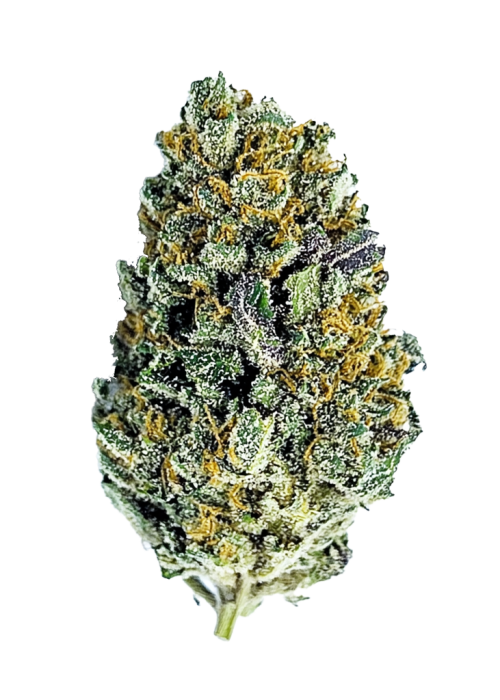 Gorilla Cookies FFGorilla GlueSour DubbSour DieselSour BubbleChocolate DieselSour DieselChocolate ThaiChem SisChemdawgGirl Scout CookiesOG KushChemdawg
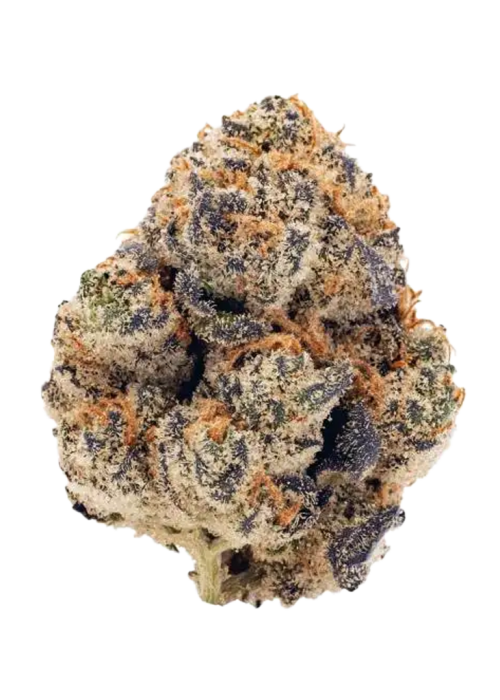 Hindu KushDurban Poison
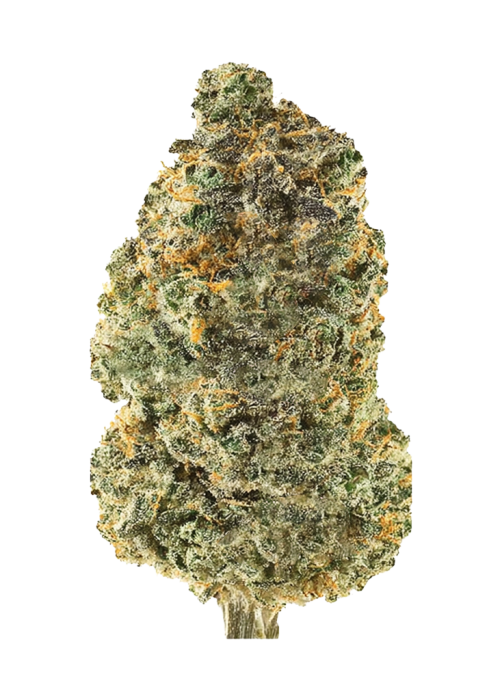 African
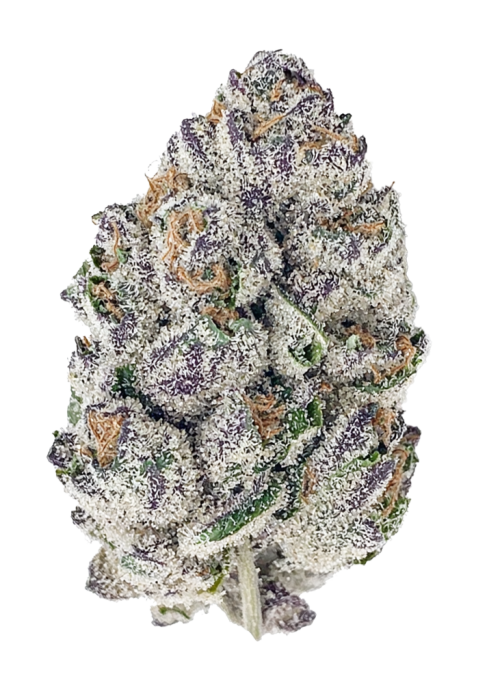 Gorilla Cookies Auto
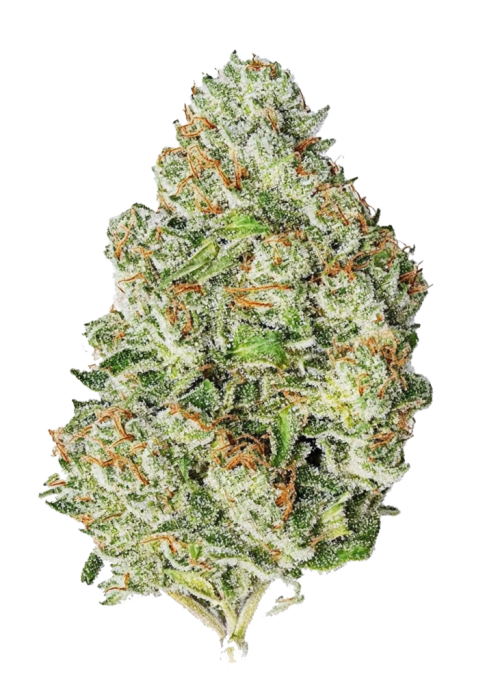 Gorilla AutoGorilla GlueFast Buds Auto #1
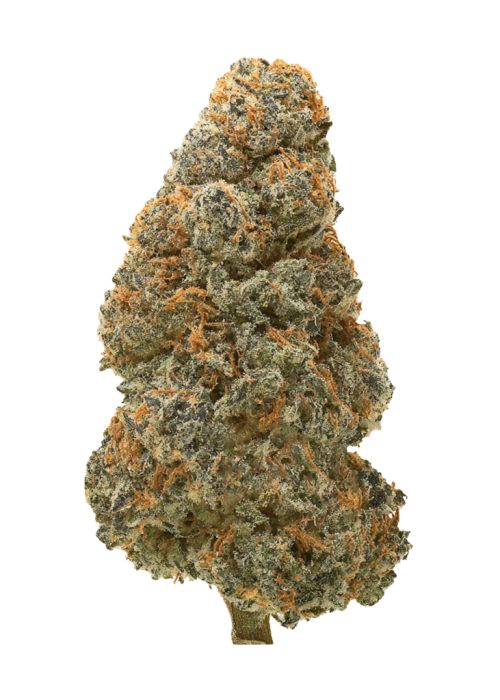 Cookies AutoGirl Scout Cookies
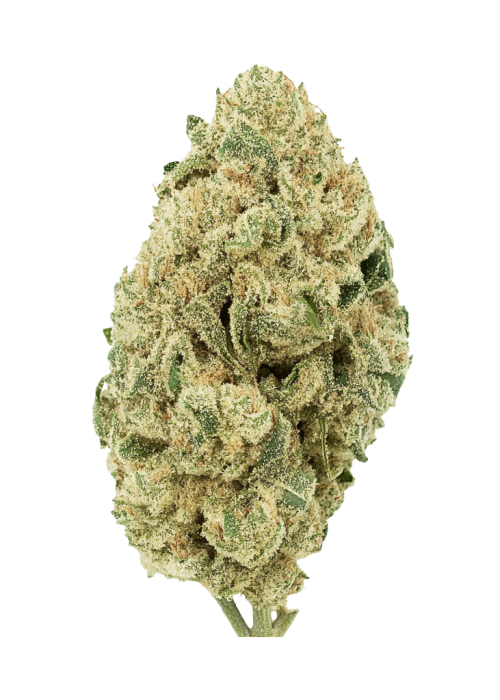 Grapefruit Auto
takes some time to build up but lasts so long I sometimes even get tired of being stoned for so long ;).
In terms of flavor, expect a mix of sweet, kushy, and earthy notes, with subtle fruit, citrus, and diesel undertones. The inhale leans spicy and nutty, like fresh cookie dough, while the exhale shifts toward brighter herbal and citrus notes that linger long after the smoke clears.
Gorilla Cookies FF is an extremely resilient variety that delivers in all aspects. A truly must-try for anyone seeking to experience top-shelf genetics.


Our Best Outdoor Autoflowering Strains
Autoflowers are the complete opposite of photoperiods. They're still cannabis, make no mistake, but they operate on entirely different rules. Where photoperiods and Fast Flowering strains depend on changes in the light cycle to trigger flowering, autoflowers don't wait for any signal from the sun. They flower based on age, completing their entire life cycle in as little as 8 to 10 weeks, regardless of how much light they're getting or what season it is.
That single difference changes everything about how outdoor growers can approach a season. Instead of one long cycle from spring to fall, autoflowers make it possible to run several cycles in a single year, or even build a perpetual outdoor harvest with plants at different stages growing side by side. And because they don't rely on a specific light cycle to flower, they can grow and finish in any season, spring, summer, even the shorter days of fall, without needing anything to change in the sky above them.
That kind of flexibility does come with a trade-off. An autoflower won't get as big as a photoperiod or Fast Flowering plant that spent four months in vegetative growth, since it's working with a much shorter window from seed to harvest. But don't mistake smaller size for a lesser result. In under two and a half months, autoflowers are more than capable of producing serious yields and flowers that hold their own in quality, resin, and flavor.
The strains in this collection prove exactly that. They're built to make the most of a short life cycle, delivering size, potency, and quality that outdoor growers wouldn't expect from a plant that finishes so fast.
Mango Frost Auto
Why I Picked It
Winning "Best New Autoflower 2025" and "Strongest Autoflower 2025" at the Autoflower World Cup is no small feat, and Mango Frost Auto carries both titles in its DNA. This cross brings together Mango Runtz F5 Auto from Mephisto Genetics, the World Cup's Best New Autoflower 2025, with our own Frostbanger Auto, named Strongest Autoflower 2025 that same year. Two award-winning lines, combined into one plant.
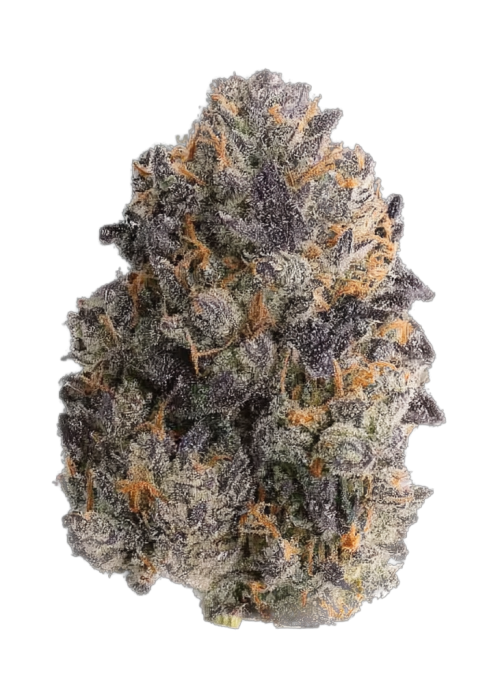
Together, they produce a plant defined by frost, intensity, and consistency, one that reaches up to 30% THC while completing its entire life cycle in just 8 weeks, topping out at a manageable 110 cm.
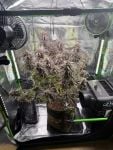








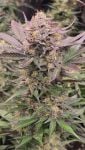



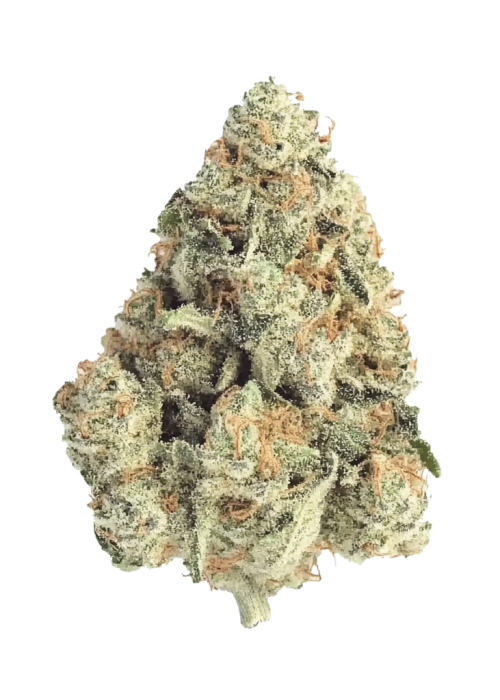
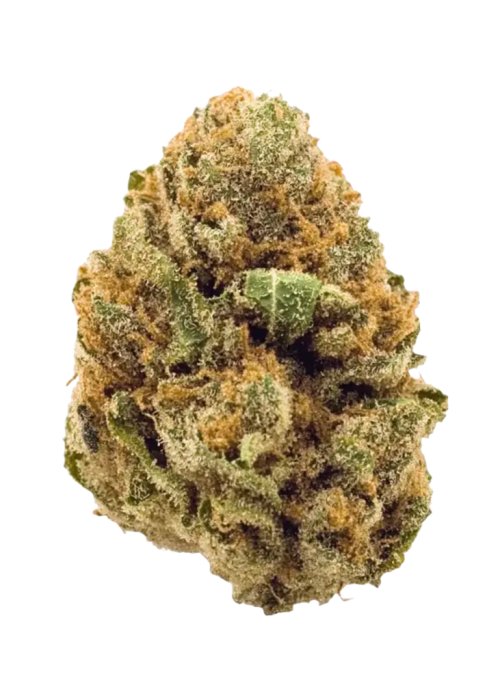
Flavor is where Mango Frost Auto really sets itself apart. The aroma is of tropical, all-sweet mango up front, before shifting into something creamy and gassy, with a subtle sourness rounding it out.
Versatility is another strong point here. Thanks to its compact yet sturdy structure, Mango Frost Auto adapts well to indoor tents, greenhouses, mixed-light setups, and straightforward outdoor gardens alike, making it a strain that performs no matter how it's grown. Its outdoor resilience deserves particular attention, though, since it holds up across different seasons and conditions without losing what makes it special.
Resin production, potency, and flavor stay consistent whether it's finishing in a greenhouse or fully exposed outdoors, a level of reliability that's genuinely rare in autoflowering genetics pushed outside a controlled environment.
 Mango Frost Auto™
 Frostbanger AutoGorilla AutoGorilla GlueFast Buds Auto #1
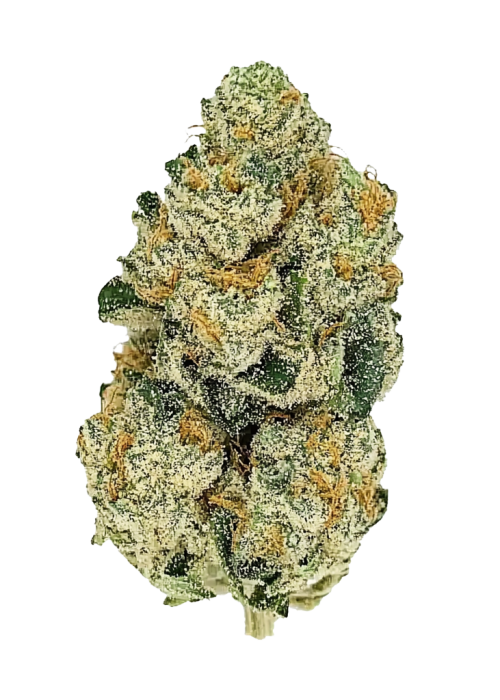 Bruce Banner Auto
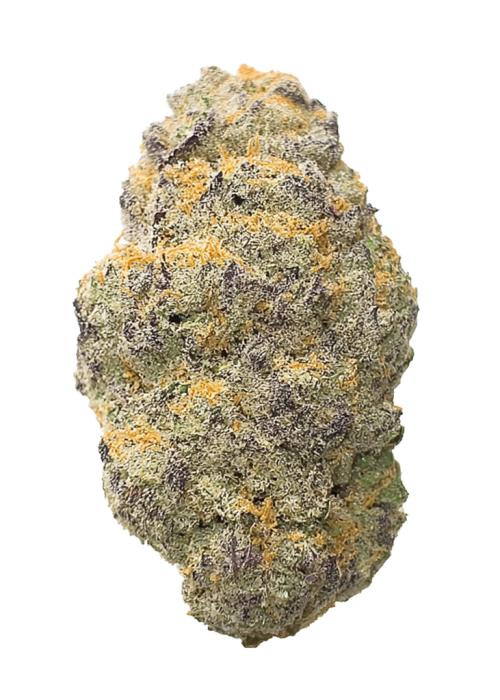 Bruce Banner
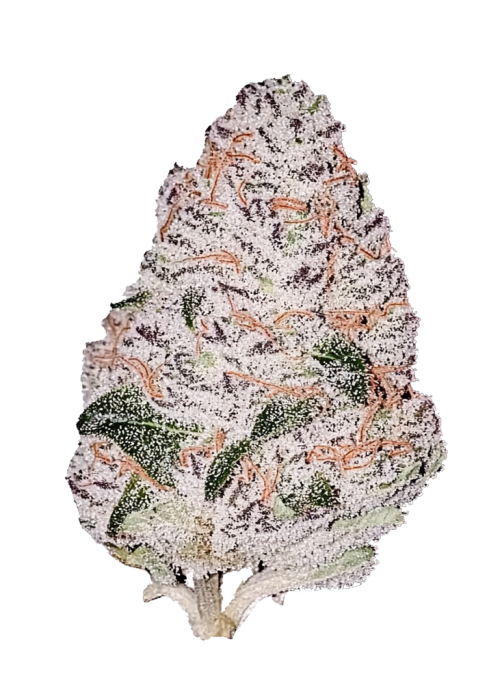 Strawberry Pie Auto
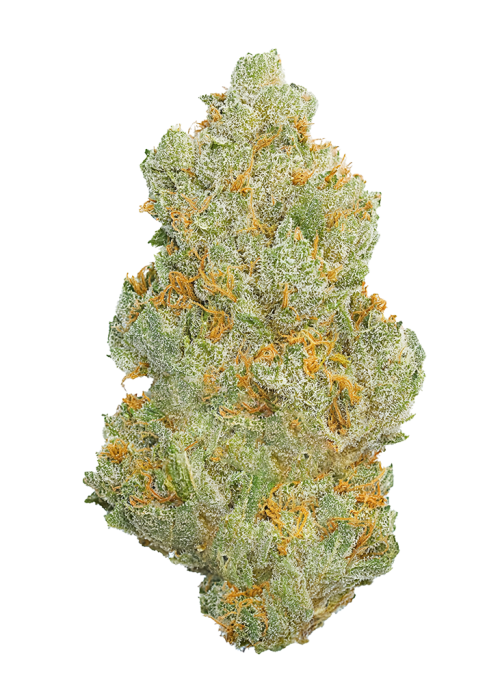 Original Sour Diesel AutoSour DieselFast Buds Auto #1
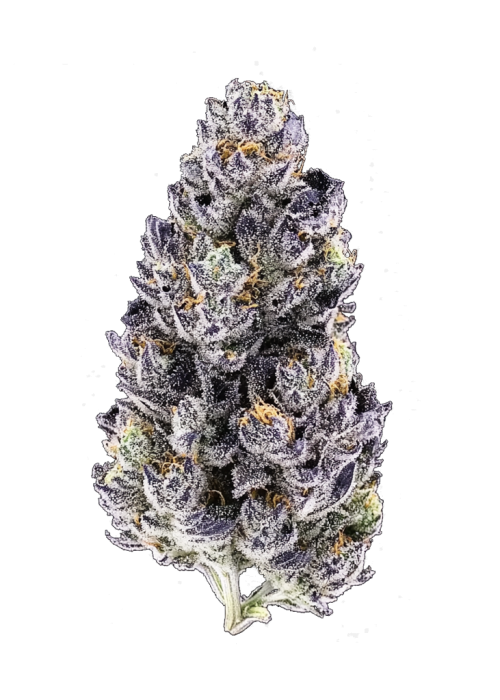 Mango Runtz Auto
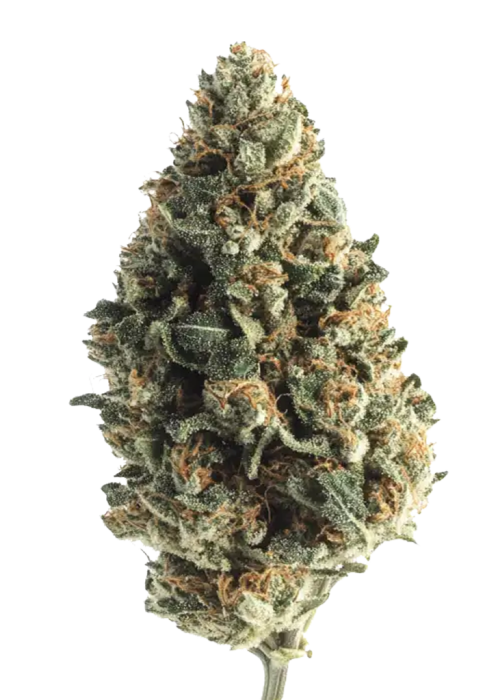 White Runtz
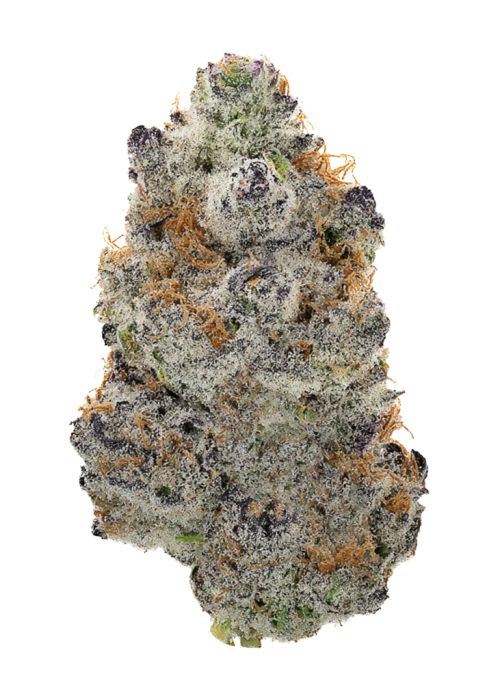 Gelato
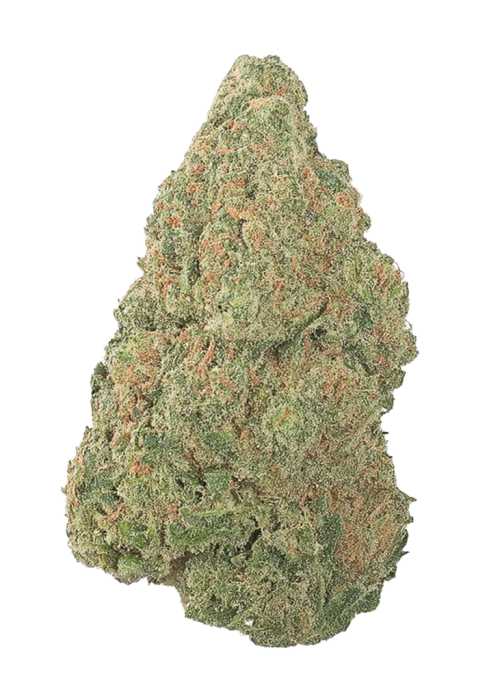 Zkittlez
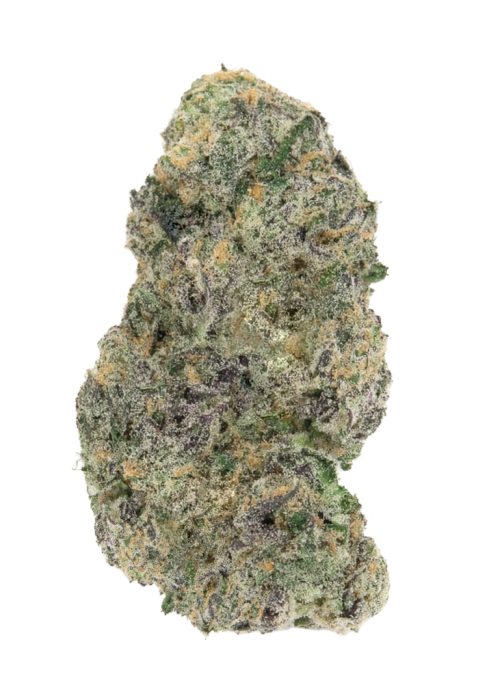 Mango Smile Auto
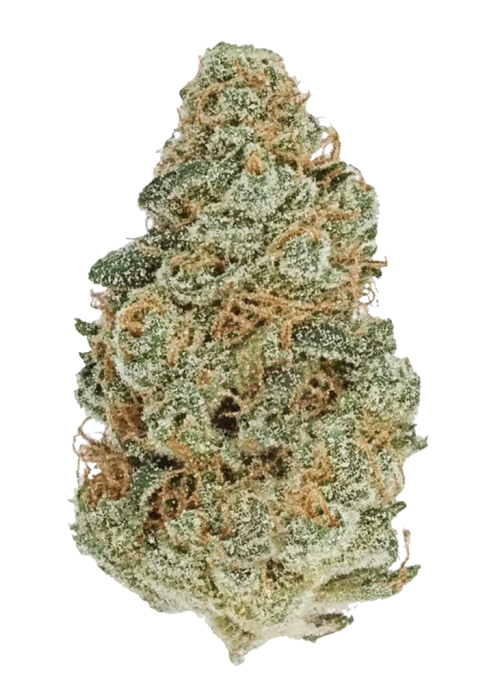 Mango Haze
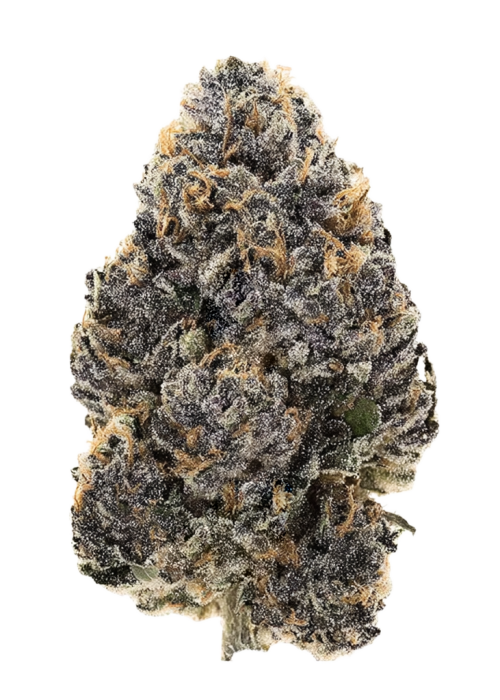 Toof Decay Auto
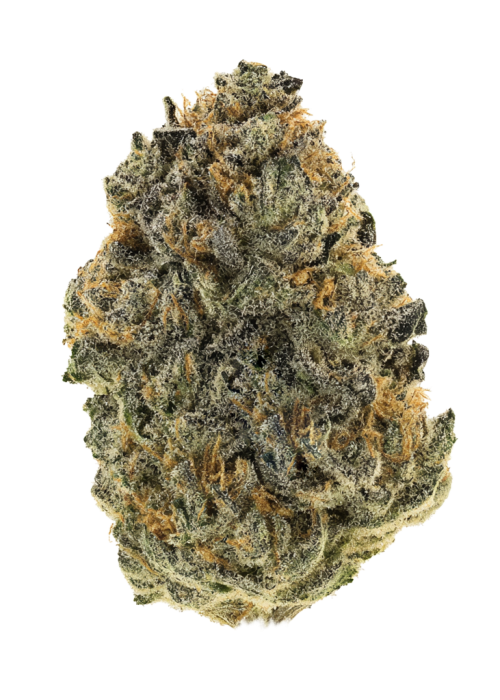 Creme de la Chem Auto
 Stardawg
 Chemdogging Auto
For growers who want award-winning genetics, heavy resin, bold tropical-gassy flavor, and a fast finish, all without needing a large footprint or perfect conditions to get there, Mango Frost Auto checks every box.

Guava Sundae Auto
Why I Picked It
Not every strain earns its spot on this list because of one standout outdoor trait. Some earn it simply by being reliably excellent no matter where they're planted, and that's the case with Guava Sundae Auto. There's nothing here specifically engineered for outdoor conditions. What it does have is the ability to grow outdoors without a hitch, delivering the same yield and quality it would in a fully controlled indoor room. That consistency alone is exactly why it belongs here.
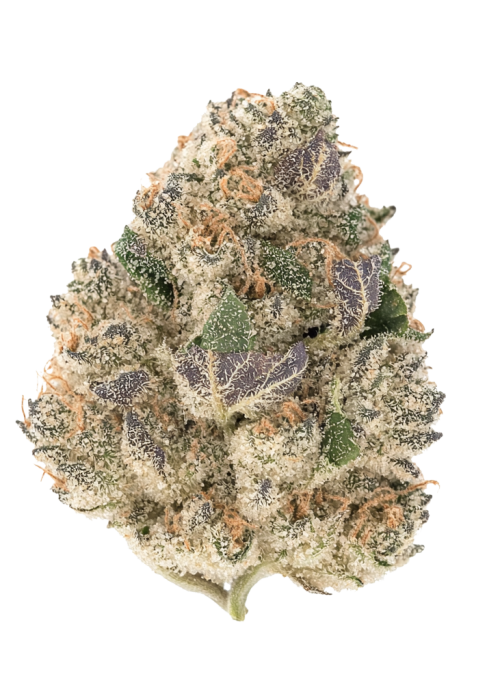
Guava Sundae Auto is a next-generation autoflower built from two proven, award-winning genetics. This cross combines Guava Auto RF3, a World Cup winner, with Sundae Thumper (Mephisto Genetics), an American Cup champion. The goal was to bring structure, yield potential, and terpene performance together into one high-performing line, and that's exactly what came out of it.
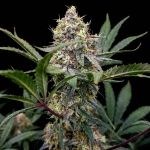
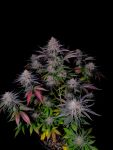
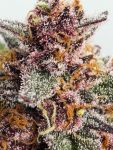
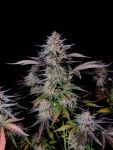
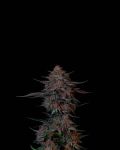
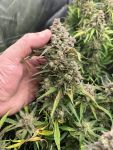
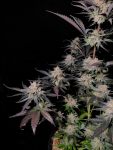

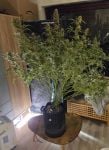
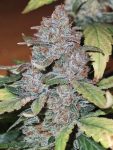

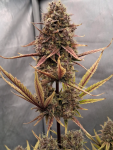
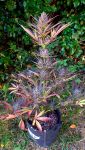
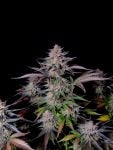


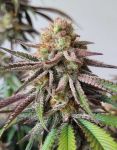
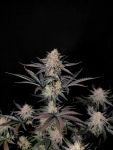
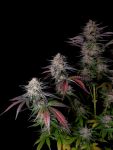
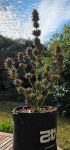
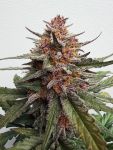
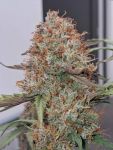

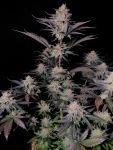
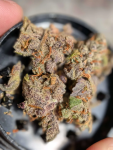

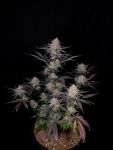
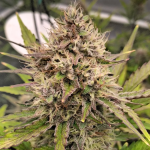

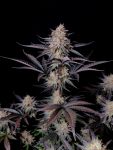

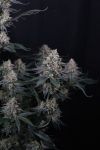
From the start, this hybrid shows aggressive growth and strong hybrid vigor. It's worth noting, though, that this isn't a strain built with an outdoor-optimized structure in mind. It doesn't stretch to 200 cm like some of the taller varieties on this list, and it can benefit from LST to make the most of its frame and improve light distribution through the canopy. Give it that bit of attention, and it rewards growers with dense stacking and efficient light penetration thanks to well-balanced internodal spacing.
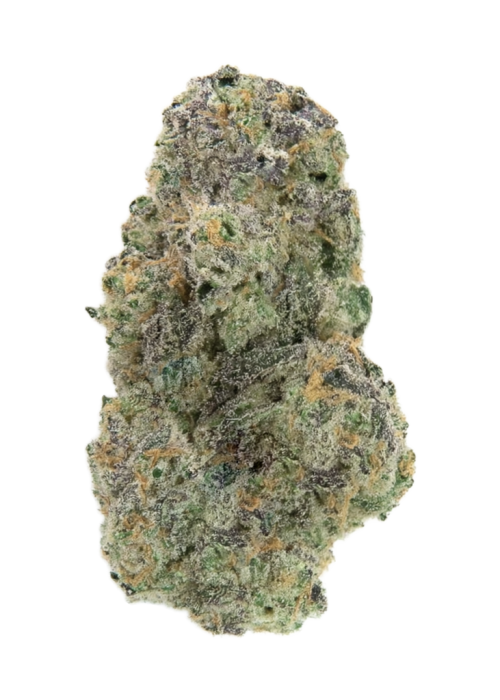
The payoff is in the flowers themselves: large, heavy, tightly formed buds with strong bag appeal and a clean, uniform finish. The terpene profile hits like ice cream on a hot summer day: fresh tropical guava followed by a creamy gelato depth underneath, creating an expression that's loud, rich, and delicious.
What makes Guava Sundae Auto genuinely impressive is how effortlessly it holds onto that quality across every setup. Indoors, outdoors, in a greenhouse, it doesn't matter, this plant delivers up to 30% THC and the same tropical, creamy flavor profile with equal ease every time.
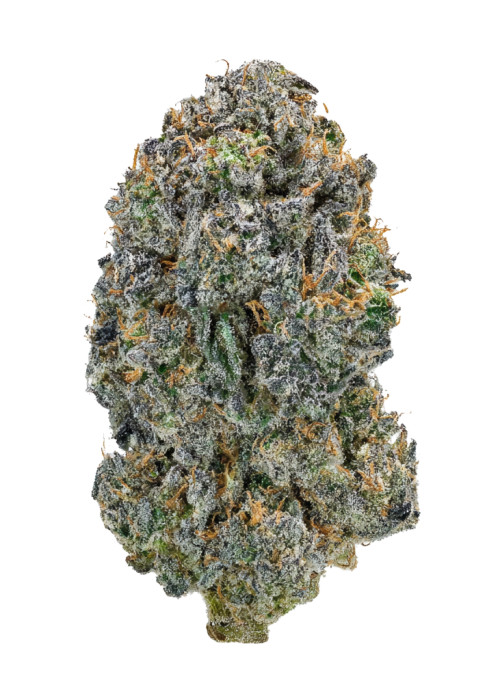 Guava Sundae Auto™️
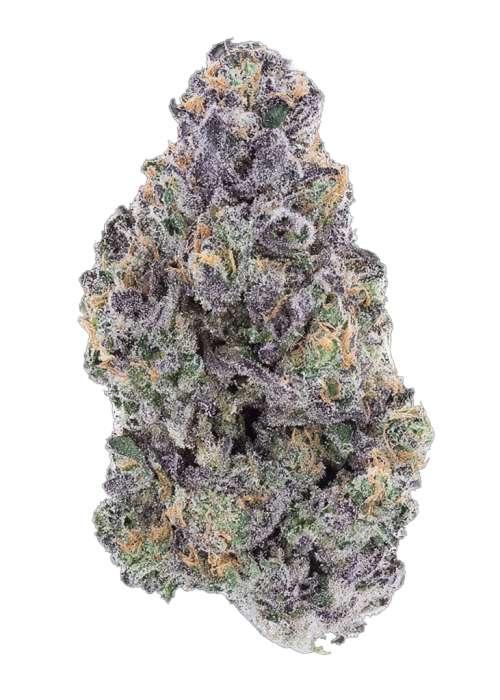 Sundae Thumper Auto
 Gelato #45Girl Scout CookiesSunset Sherbert
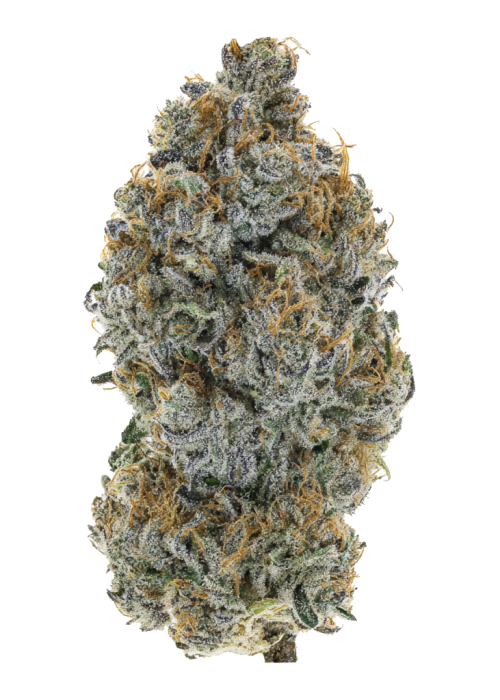 Forum Stomper Auto
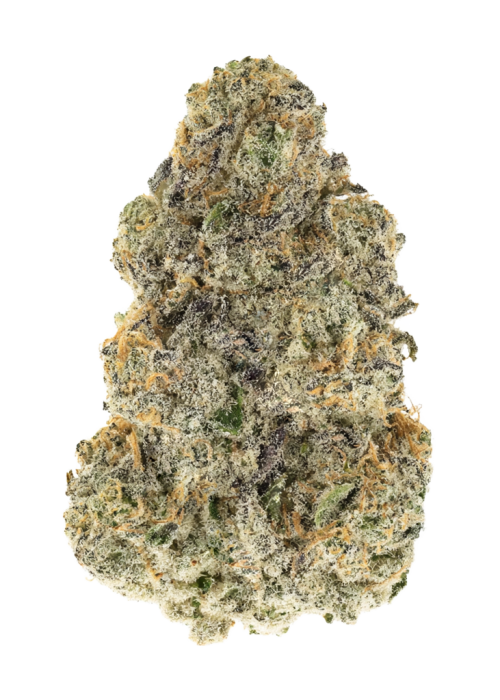 Forum Cookies
 Sour Stomper Auto
 Guava Auto RF3
 Guava Auto™Gorilla Cookies Auto
 Kosher Cake Auto
 Tropicana Cookies Auto
It may not have the specialized outdoor traits that some other strains here have, but its ability to perform flawlessly regardless of environment is its own kind of resilience, and more than enough to earn its place on this list.

Mendo Guava Auto
Why I Picked It
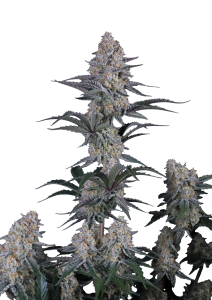
Some strains make their case for outdoor growing through one standout trait, whether that's mold resistance, structure, or resilience. Mendo Guava Auto makes its case differently: it simply performs at a high level across the board, and that consistency is what makes it just as strong a choice outdoors as it is indoors or in a greenhouse.
Mendo Guava Auto expands our Champions Line by uniting two high-performance autoflower lines into one. This project combines the same exclusive Mendo Breath Auto IBL (GMO Auto x Mendo Auto) from Atlas Seed used in our Mendo Frost collaboration with our Guava Auto RF3, an enhanced version of our original Guava Auto.


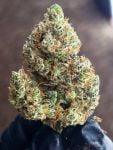


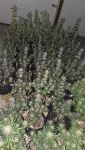
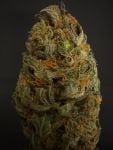
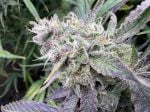
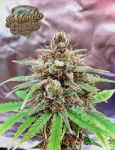


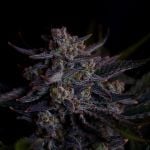



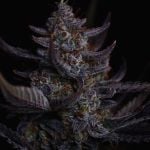
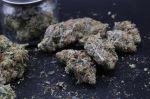

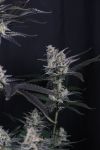


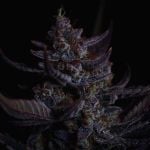


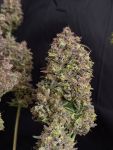
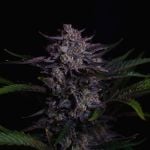

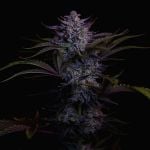
What stands out most about Mendo Guava Auto is how evenly it performs across every category that matters. The structure holds up well, compact to medium in size, sturdy enough to carry yields of up to 220 g/plant, and potency of up to 30%.
None of these traits come at the expense of another, this is a plant that hits strong marks across structure, resin, and potency simultaneously, which is exactly why it translates so well outdoors. Growers don't need to compensate for a weakness in one area to get results in another, whether the setup is an outdoor garden, a greenhouse, or a fully controlled indoor room.
Mendo Guava Auto reflects our broader approach to modern autoflower breeding: pairing exclusive collaboration genetics with our own stabilized champions to push quality, terpene expression, and performance forward together, rather than trading one for another.
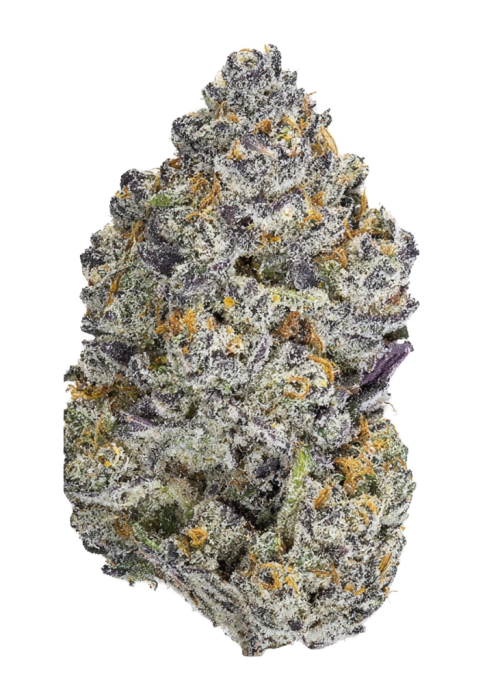 Mendo Guava Auto™Guava Auto RF3Guava Auto™Gorilla Cookies AutoKosher Cake AutoTropicana Cookies Auto
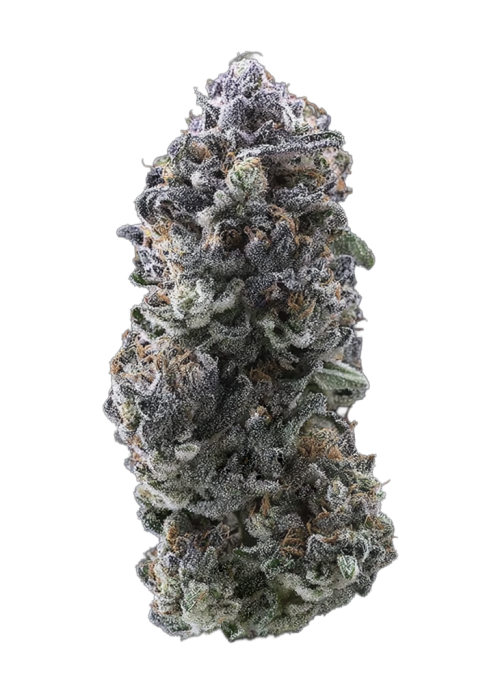 Mendo Breath Auto
 GMO Auto
 Mendo Auto
Man this beauty is a pleasure to grow she looks stunning to me and been easy to grow dang nere effortless too!
For growers who want cup-winning pedigree, Mendo Guava Auto is another step forward in the evolution of elite autoflowers, delivering everything that makes it great with equal ease, no matter where it's grown.

Which Outdoor Strain Is Right For You?
Not every grower wants the same thing from an outdoor harvest. Some chase the biggest yield, others prioritize flavor, potency, or a faster finish. There's no wrong answer; what matters is knowing what you want before choosing a seed.
However, when growing outdoors, there is one question that comes before all the others: can this strain actually survive where you live? Outdoor conditions vary widely by climate, and a strain that thrives in one region can fail in another. Before yield, flavor, or potency enter the conversation, make sure the genetics can handle your local humidity, temperature swings, wind, pests, or season length. Great terpenes and huge yield potential mean nothing if the plant can't reach harvest.
Once you've confirmed a strain fits your environment, personal preference takes over. Want size and heavy yields? Racing a short season? Chasing specific flavors or resin output?
The rule is: survival first, preference second.
How I Selected These Strains
Building this list came down to answering one question before any other: how much work does this plant actually demand outdoors? Everything else, such as yield, flavor, potency, terpene complexity, came second. That might sound backwards for a "best strains" guide, but outdoor growing has a way of exposing which genetics were actually built to handle it.
A plant that needs constant attention, careful climate monitoring, or intervention every time the weather shifts isn't a strain we'd hand to someone growing in their backyard or a field, no matter how impressive its yield or resin numbers might be. So the first filter for every strain here was simple: can it stay healthy and thrive outdoors without demanding a lot of hands-on management? Genetics that passed that test moved forward. The ones that didn't, regardless of how good they looked in a controlled indoor environment, got left off the list.
Only once a strain proved it could handle outdoor conditions with minimal fuss did we turn to the second half of the equation: does it still deliver the traits that make it worth growing in the first place? Big yields, standout terpenes, strong potency, exceptional structure, all of it still had to show up.
What you're left with is a list built around a very specific promise: low effort outdoors, without ever cutting corners on the harvest at the end of it.
FAQ
A great outdoor strain combines resistance to mold, pests, and disease with strong structure to handle wind, stress tolerance for fluctuating temperatures and humidity, and a reliable finish time before cold weather sets in.
Technically, most strains can grow outdoors, but not all will thrive. Some genetics are bred for stable, controlled environments and struggle with mold, pests, or unpredictable weather when grown outside.
With photoperiods, typically one cycle per season. With autoflowers, multiple cycles are possible since they don't depend on seasonal light changes to flower.
Not necessarily. Given enough space and a long vegetative period, outdoor photoperiods can grow much larger than anything grown indoors, often producing significantly bigger yields per plant.
This varies widely by strain and vegetative time, ranging from compact plants under 1.5m to massive specimens exceeding 2.5-3m when vegged for several months.
Yes, pests like squirrels and rabbits can damage outdoor gardens. Fencing, netting, or barriers are commonly used alongside choosing naturally resilient genetics.
Unpredictable weather, particularly mold-inducing humidity, early frost, and storms that can damage structure or delay harvest timing.
Both work well, but autoflowers are ideal for very short or unpredictable seasons since they finish in 8-10 weeks regardless of light cycle, while FF strains offer bigger yields with a slightly longer timeline.
No, one of the main advantages of outdoor growing is skipping the equipment indoor growing requires. Your main job is keeping the plant healthy through vegetative growth.
Most strains perform best with 8+ hours of direct sunlight daily, though specific needs can vary by genetics and regional climate.
Comments