




What Light Cycle is Best for Autoflowers?


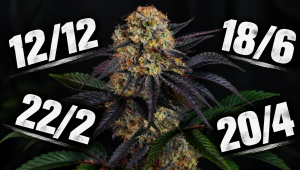
- 1. 24/0 light cycle
- 2. 18/6 light cycle – the best light cycle for autoflowering plants
- 3. 20/4 light cycle
- 4. Do autoflowers need darkness?
- 5. Growing autoflowers outdoors
- 6. Providing the right light spectrum at the right time is also important
- 7. In conclusion
In the cannabis kingdom, autoflowers have the answer to many problems. It’s perhaps the next best thing discovered since flatbread for several reasons. For one, they are fast, and for two, they don’t need a lot of planning. Photoperiod plants start flowering only when the period of darkness increases, but autoflowers don’t rely on any such signal to do their job.
They only start flowering as they age rather than following any particular light/dark cycle. But this doesn’t mean they don’t need light at all. Like other plants, they too rely on light to produce food for themselves. Apart from their ability to flower automatically, they are just like regular plants. They require good sunlight or any other lighting source to produce good yields. So, the lighting schedule is an important factor to be considered, especially if you’re growing them indoors.
Adequate lighting is one of the most important, if not the most important, variables when it comes to growing cannabis and plants in general. As you’ll remember from biology class, plants need light in order to conduct photosynthesis. This process converts light into sugars, which are then broken down further into ATP—the unit of cellular energy. This molecule allows plants to carry out all of the key physiological processes that are required for them to grow, survive, and thrive. However, photosynthesis doesn’t just benefit a cannabis plant in terms of energy production.
With these amazing facts in mind, you now know how important lighting really is when growing high-quality weed. As well as light intensity, you need to run the optimal light cycle in order to achieve the largest and strongest buds possible. It's 2026, and there’s no particular light cycle used for autoflowers. Growers do what suits them best. Similarly, you can experiment by subjecting the plants to different light cycles and stick to something perfect for you. Read on to understand the best light cycle for autoflowers to produce humongous yields.
1. 24/0 Light Cycle
So, what is an autoflower, and what is the best cycle? Many growers believe in providing 24 hours of light for their autoflowers. They swear that it’s the best light cycle since the plants seem to thrive when they receive loads of light. Technically speaking, the plants grow faster in a 24/0 light cycle because they can perform photosynthesis non-stop.
However, what we must not forget is that no matter what type of plant – autoflowers, photoperiod – you grow, they need rest like everything else. Imagine working for 24 hours without a break! All plants need periods of rest where they recover from any damage. Similarly, autoflowers also need their beauty sleep to perform well.
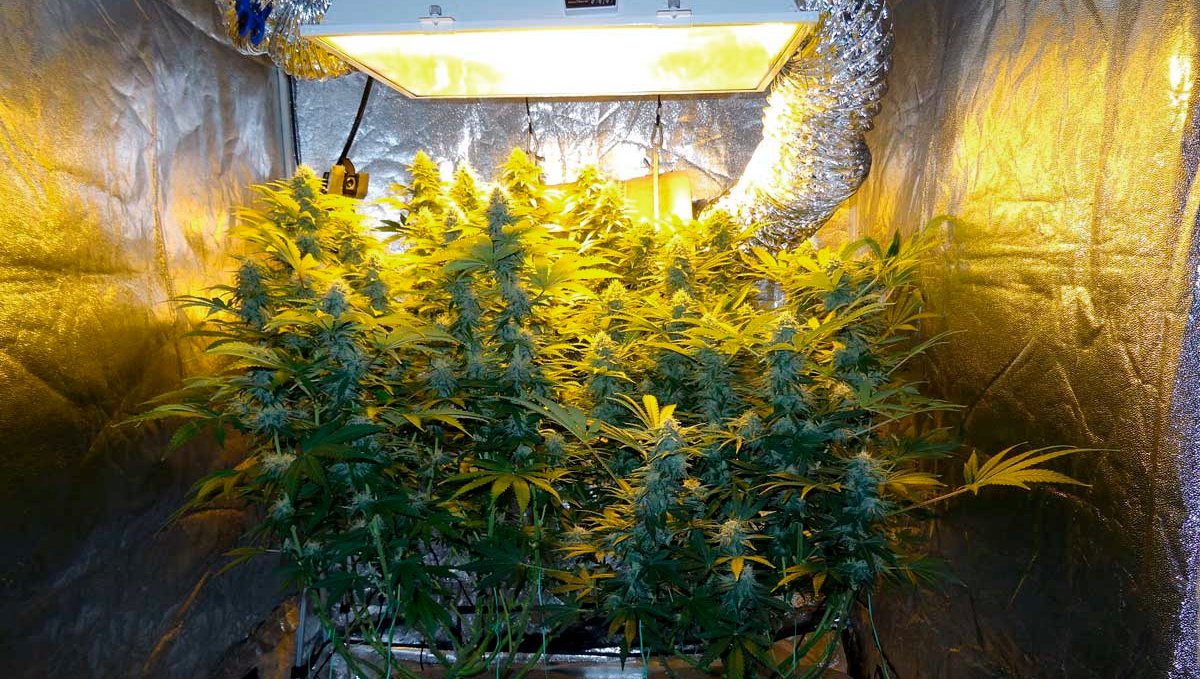
Additionally, running the lights for 24 hours at a stretch might reduce the lifespan of the light. Even expensive lights made with high-quality materials may succumb if they are forced to grow for long periods of time without rest. You may not see the difference in the light now, but as time goes by, different issues, including heat, will crop up all of a sudden. For growers with extreme climates, it becomes almost impossible to provide 24 hours of light unless an air conditioner is installed. For instance, if the days get too hot during summer, it’s best to let the plants rest for a while until the temperatures cool down a bit. And it goes without saying that you save extra money if you switch off the lights. A few hours every day may not seem like a lot, but it does add up in the long run.
2. 18/6 Light Cycle – The Best Light Cycle for Autoflowering Plants
The 18/6 light cycle is perhaps the most common cycle used by most growers. What makes this schedule perfect is that while it provides more than 14 hours of light necessary for the plant to perform to its fullest potential, it also offers six hours of rest. With even 6 hours of darkness or a resting period, the plant has enough time to recover and grow normally. It’s perfect for beginners who want to keep things simple.
Autoflowers are programmed to grow as quickly as possible, and you can’t afford to stress the plant because it becomes difficult for the plant to bounce back. During a 24/0 light cycle, there’s no time for the plant to fight against stress, but an 18/6 cycle provides six hours that can be used by the plant to recuperate.
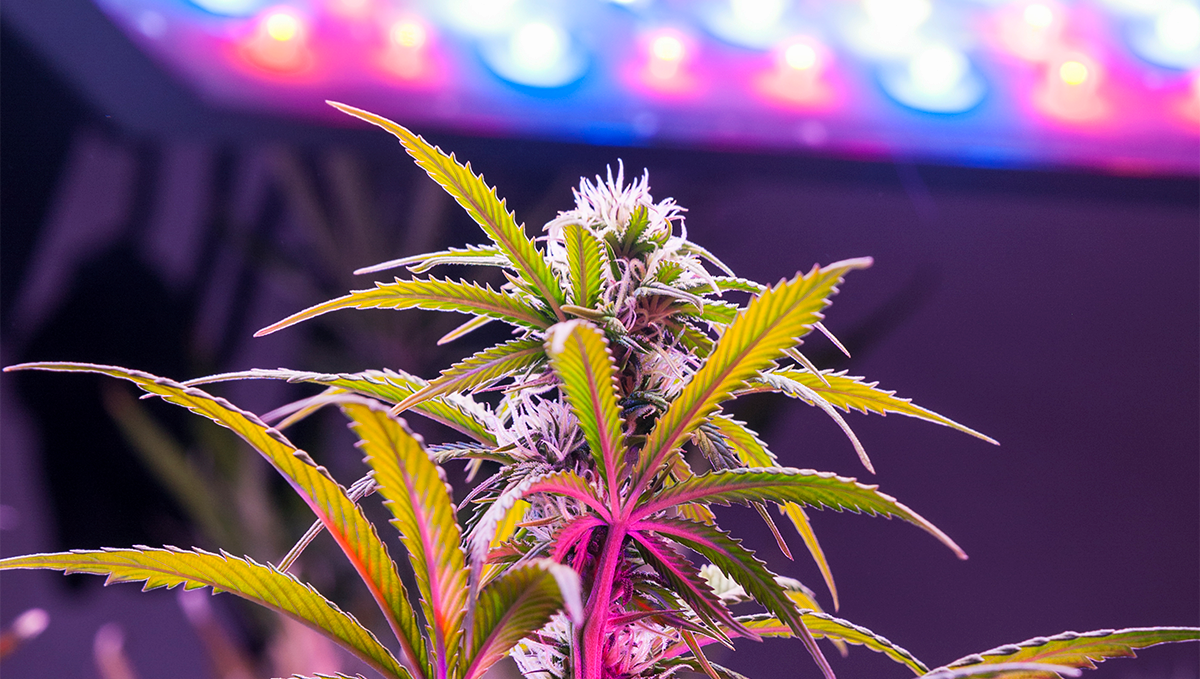
You will also save money. If you reduce 6 hours of light per day, it equates to a reduction of 180 hours of light per month! Plants in the 18/6 cycle grow extremely well, so you’re cutting down the electricity by 180 hours in a month. And now that you look at it that way, the 18/6 cycle certainly seems like a better option, eh? So, without a doubt, the 18/6 cycle is perfect for autoflowering cannabis plants.
3. 20/4 Light Cycle
What if you can’t make up your mind between 24/0 and 18/6 cycles? You want the plants to grow as much as they can. You’re convinced that the 24/0 is the way to go, but a nagging doubt makes you wonder if it’s overkill. It is also logical to think that the plants need some shut-eye for at least 6 hours to continue growing the next day.
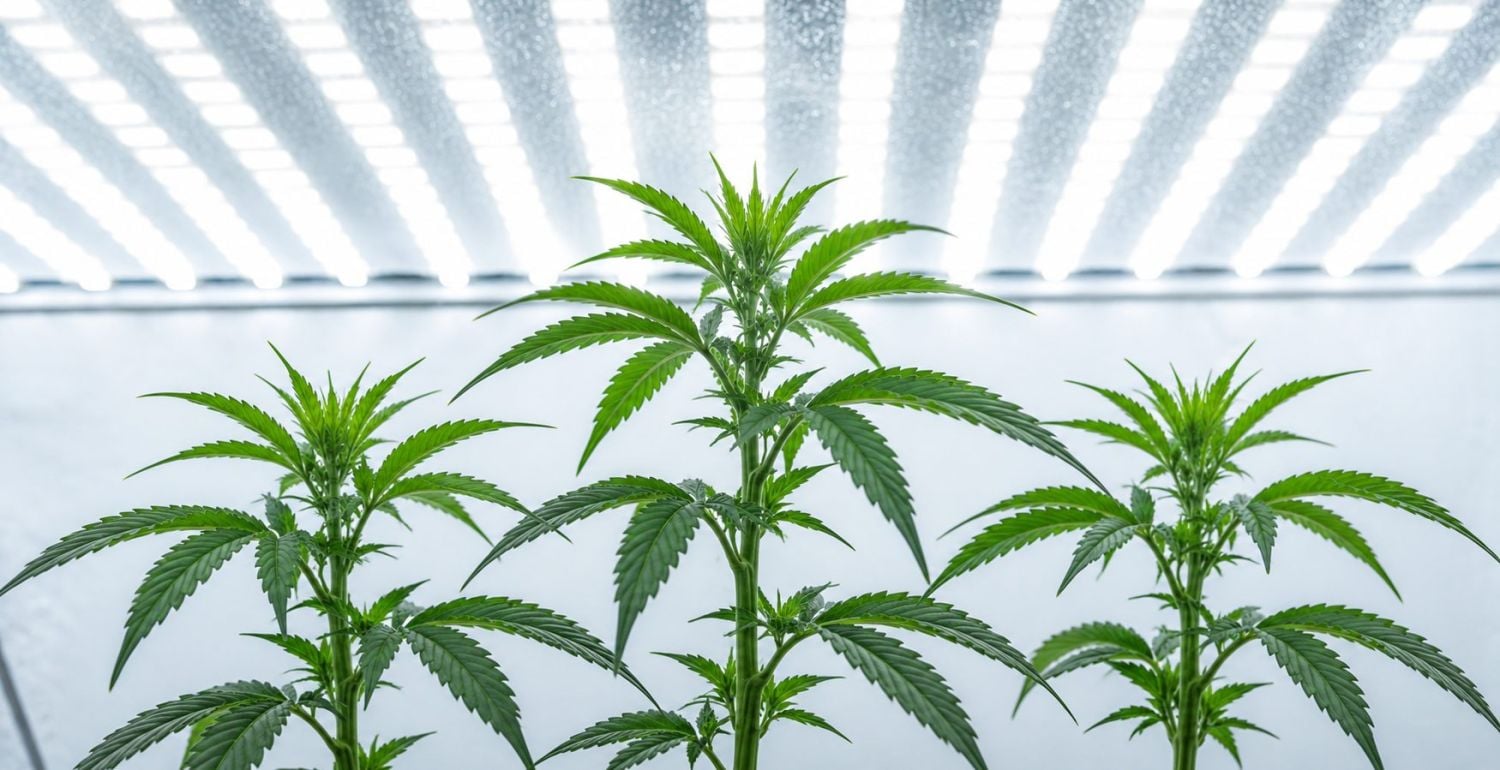
On the other hand, 18/6 seems too little for you. You’ve got the best equipment and are pretty confident that the lights, fans, and other equipment will sail through without any hiccups. So, what do you do? For the ones that can’t make up their mind, the 20/4 cycle may be the way to go. While you’re providing ample light, the plants get to rest for 4 hours, so it may just work for you. The best way to find the exact answer is to experiment.
4. Do Autoflowers Need Darkness?
Technically speaking, autoflowers don’t need darkness because Ruderalis is accustomed to 24 hours of daylight at times in the wild. They can be grown in any light cycle as long as the conditions are favorable in terms of temperature. Even in the wild, the Ruderalis don’t depend on light to flower. The plant starts flowering only when it grows to a certain age and after the plant grows a few branches or nodes.
However, as mentioned above, a 24/0 may be stressful for plants. It leaves no margin of error for the growers either. And since the plant has no time to rest, it takes a longer time to recover. Ruderalis plants growing in the wild have adapted to the conditions and have no problems whatsoever, but you’re not growing those seeds. Agreed, the autoflowers made today are hardy and resistant to many diseases, with an ability to adapt anywhere, but they obviously can’t be compared to the plants growing in the wild. To top it off, it’s suggested that the plants require at least a few hours of darkness for certain metabolic processes, and thus, an 18/6 cycle seems to be a perfect choice.

5. Growing Autoflowers Outdoors
With so many arguments and debates regarding the light cycle for autoflowers growing indoors, one may wonder about the light cycle for plants growing outdoors. Some growers want the best for their plants and tend to mix things up a bit. For instance, they let the plants soak up all the sunlight in the morning and supplement with LEDs when the sun goes down. By doing so, they ensure that the plants get all the light while saving some money in the meantime.
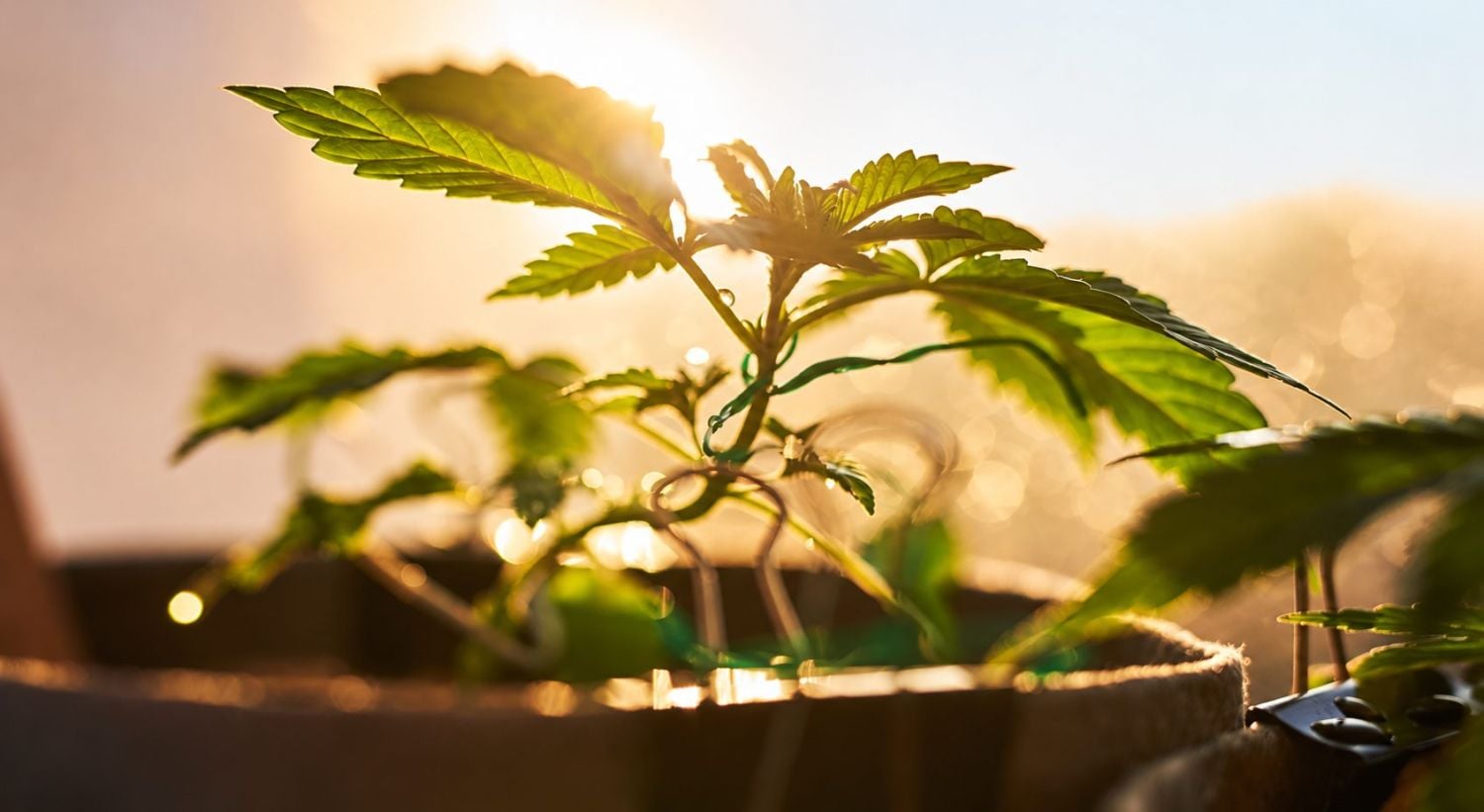
While this process may work for some, it’s really not necessary to do so. Autoflowers will grow perfectly well outside even if you get only 12 hours of sunlight. Sure, the vegetative and flowering phases may extend a bit, but it doesn’t hamper the yield or growth in any way. And that’s because sunlight is natural, and you can’t beat that with even the best grow lights available today.
So, if you’re growing outdoors, simply allow the plants to chill and breathe in fresh air. They will amaze you even with a few hours of natural light.
6. Providing the Right Light Spectrum at The Right Time is Also Important
Lighting a weed garden correctly is not just about the timing of when the lights are on and off. It is also important to consider the range of light that you are supplying. Cannabis crops, and most other crops for that matter, require different amounts of certain parts of the light spectrum at different stages of their life cycles. Our sun expels energy throughout the entire range of visible light and way beyond, but lighting options for indoor setups are usually more targeted to a certain area of the light spectrum. This is more true for HID lighting options than the newer LED panels and is why indoor cultivators choose to use an MH bulb for the vegetative growth period, which is then switched out for a HPS bulb when flowering begins - although this is slowly changing as LED panels overtake HID options and become the gold standard in lighting for indoor gardens.
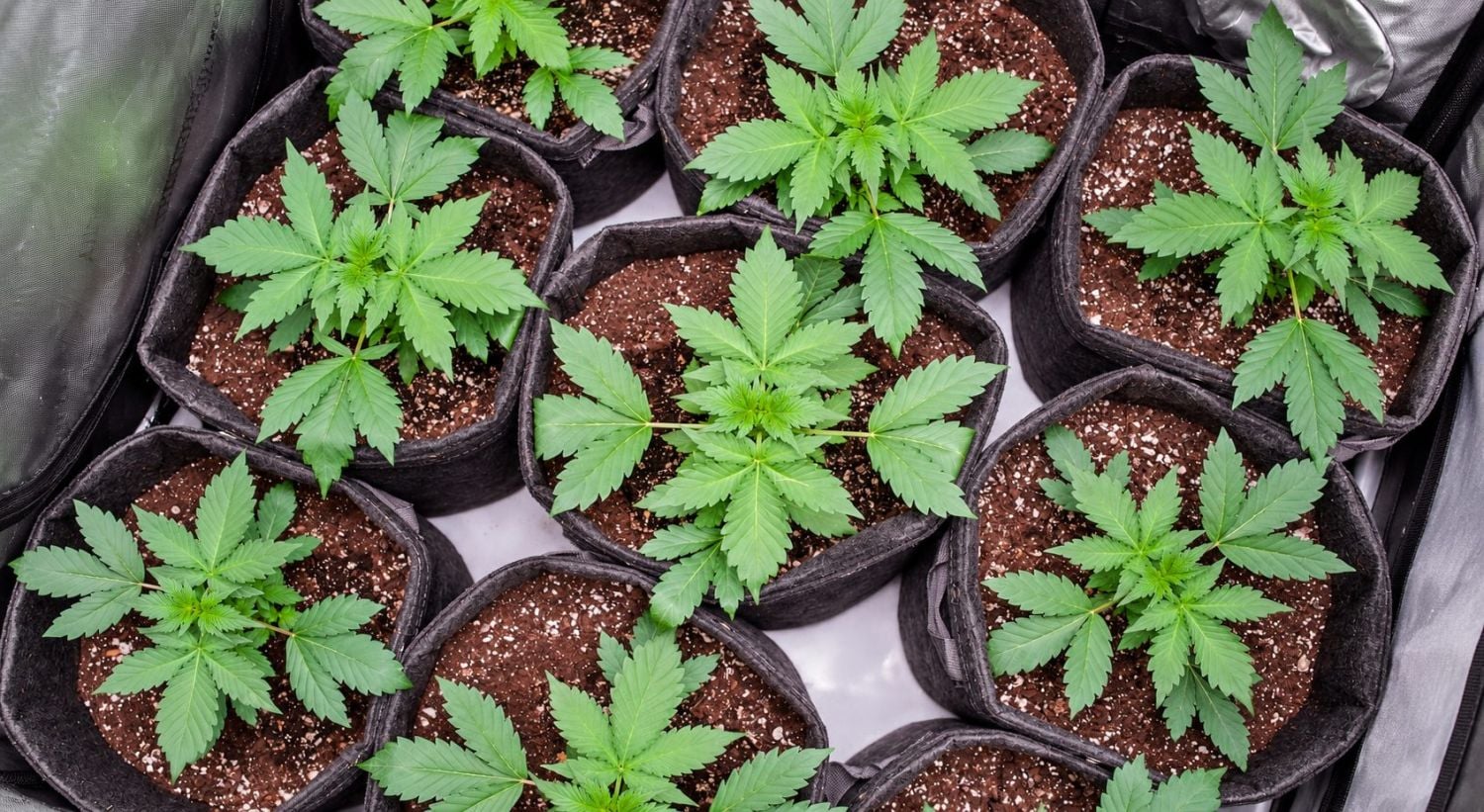
When it comes to HID lighting, MH (Metal Halide) bulbs produce a “bluer” light that fits well with the range we are looking for during the vegetative growth stage. When grown outdoors, this growth stage will take place during the spring and summer months when the sun is higher in the sky, which allows for more of the bluer wavelengths to penetrate through the atmosphere. For flowering, this is switched out for a HPS (High-Pressure Sodium) bulb. The redder wavelengths of this bulb mirror the sun's natural light during late summer and early autumn and promote denser bud production.
But, as we have briefly mentioned above, most serious cultivators are slowly moving away from the HID options and investing in LED panels. There are a few reasons for this switch, but one of the main selling points is the fact that the panels can be customized in terms of the light range produced. They can even have UV diodes added to help boost cannabinoid production, trichome coverage, and the natural resistance to pests, bugs, and disease. LED panels have a bunch of other advantages over HID lights. They produce almost zero ambient heat, which makes controlling the environment of your grow area much easier. They also consume way less power, require less maintenance, and these days can offer similar amounts of light penetration as their HID counterparts. Beware of the smorgasbord of low-quality LED panels that have flooded the market, though!
In general, the original cost outlay for LEDs will be a fair bit higher than with HID kits, but that money is quickly recouped through the lower costs of energy and the lower need for maintenance and replacements. As with all growing equipment, we always suggest that you do your research and buy high-quality items. Buying cheaper and lower-quality kits usually ends in heartbreak.

7. In Conclusion
Hopefully, this article has helped clear up any confusion you may have had surrounding the never-ending debate of how many hours of light per day do autos need. For sure, this debate will rage on in the coming years, but in our experience, you really can't beat the 18/6 regime. It provides ample light for photosynthesis and enough darkness to let the plants rest. Happy growing!
FAQ
An 18/6 light cycle, providing 18 hours of light and 6 hours of darkness daily, is one of the most commonly recommended schedules for autoflowering cannabis. It offers a balance between light exposure, energy consumption, and a consistent dark period. Some growers also use 20/4 or 22/2 schedules.
An 18/6 light cycle is commonly suggested for beginners because it is straightforward, provides a consistent dark period, and uses less electricity than continuous lighting. It also allows growers to maintain a stable routine without changing the schedule when flowering begins.
Yes, autoflowering and photoperiod cannabis can occupy the same lighting environment. However, autoflowers flowering under 12/12 may not reach their full potential in terms of yields.
Yes, light duration can influence productivity because it contributes to the total amount of photosynthetically active light a plant receives each day. However, longer lighting periods do not guarantee larger yields.
Yes, autoflowering cannabis can develop under natural outdoor daylight because their vegetative and flowering stages are not dependent on a particular light cycle.
No, autoflowering cannabis plants do not require a specific light cycle to begin flowering. Unlike photoperiod cannabis, autoflowers transition from vegetative growth to flowering primarily based on their age and genetics rather than changes in daylight hours.
Yes, autoflowering cannabis can grow under continuous lighting because it does not depend on extended darkness to initiate flowering. However, a 24/0 schedule increases electricity consumption and does not necessarily produce better results. Continuous illumination may also affect circadian rhythms and plant stress responses.
Excessive light intensity or total daily light exposure can cause stress. Symptoms may include leaf bleaching, discoloration, upward leaf curling, and reduced photosynthetic efficiency. Light intensity, exposure duration, temperature, and plant genetics all influence how much illumination a plant can tolerate.
Yes, autoflowering cannabis can grow and flower under a 12/12 light cycle. However, shorter daily illumination generally provides less total light energy than longer schedules at the same intensity, potentially limiting growth and productivity.
No, changing the light cycle is not necessary to initiate flowering in autoflowering cannabis. These plants generally flower according to their genetic programming and maturity.
Comments