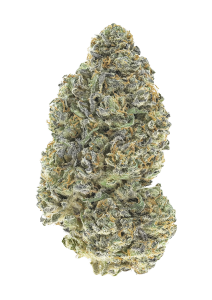
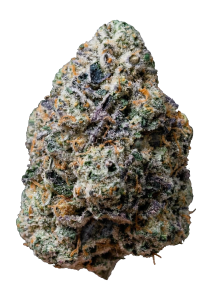
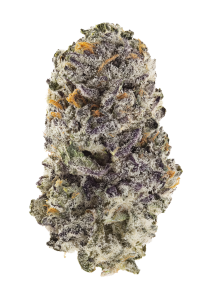
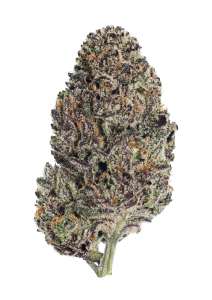
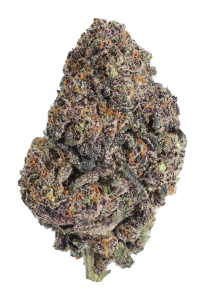
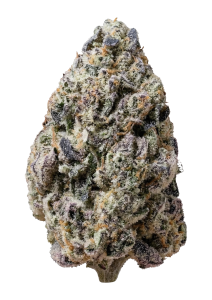
Photoperiod cannabis seeds are strains that begin flowering based on light cycle changes, typically switching to bloom under a 12/12 light schedule. Unlike autoflowers, they allow growers to control the vegetative stage, making them ideal for maximizing yield and plant structure.
The main difference is how they flower:
Photoperiod plants generally offer larger yields, more control over plant size, and longer vegetative growth, making them better suited for growers focused on performance.
Photoperiod cannabis seeds can be either feminized or regular, depending on how they are produced. Most modern commercial genetics are feminized, meaning they develop into female plants.
This allows growers to maximize their grow space and focus entirely on flower production without removing male plants. Feminized seeds are now the standard choice for efficient indoor and outdoor cultivation.
Photoperiod strains are often associated with higher potency and more developed terpene profiles. The longer growth cycle allows plants to fully express their genetic potential, depending on the line.
Typical timelines are:
Total grow time depends on how long the plant is kept in the vegetative phase.
Yield depends on genetics, environment, and grower technique. Under optimal conditions, high-performance strains can produce very high yields per plant (1300gr + on strains like Papayton or Gary Sherbet ) or per m² (up to 700-800gr), especially when given enough vegetative time and proper training.
The switch should happen once the plant reaches the desired size. Most strains will stretch during early flowering, often increasing significantly in height.
They perform well in both environments:
Outdoor plants can grow significantly larger and produce very high yields.
They require more control, especially with lighting, but offer greater flexibility and recovery. This makes them suitable for growers who want to train plants and optimize yield.
Yes. One of the key advantages is the ability to clone and preserve specific phenotypes for consistent results across multiple runs.
Fast Buds photoperiod strains are developed through in-house selection and breeding, focusing on:
Each line is built from selected phenotypes, not random crosses, ensuring consistent performance across the population.
A modern high-quality strain is defined by:
Today, it's not just about potency, but about consistency and depth of expression.
Phenotype selection is critical. Even within the same cross, plants can express very different traits. Breeders work with large populations to select individuals based on structure, terpene profile, and performance.
Terpene depth refers to how layered and evolving a profile is. Instead of a single note, deeper expressions combine sweetness, gas, citrus, and creamy tones into a more complete experience.
Stress resistance comes from selection. Plants are tested under different conditions, and only those that maintain performance are kept, resulting in more reliable and forgiving genetics.
Extraction-quality strains typically show:
These traits are key for producing high-quality concentrates.