




Living Soil For Autoflowers
- 1. Living soil
- 1. a. Soil base
- 2. Nutrient sources
- 2. a. Nitrogen sources
- 2. b. Phosphorus sources
- 2. c. Potassium sources
- 2. d. Calcium, magnesium, and micronutrients
- 3. Extras (optional)
- 4. Mixing your living soil
- 4. a. Inoculants
- 5. Extras & maintenance
Chemical-free cultivation with minimal pesticide use has always been considered superior when it comes to growing fruits and vegetables, for example.
The same applies to cannabis. Unfortunately, this more natural cultivation method, known to be organic and in some cases even vegan, has always been more difficult to implement than simply buying a couple of bottles from a grow shop, since the ingredients needed to build a proper organic soil are often hard to find. Not necessarily expensive, but definitely less accessible.
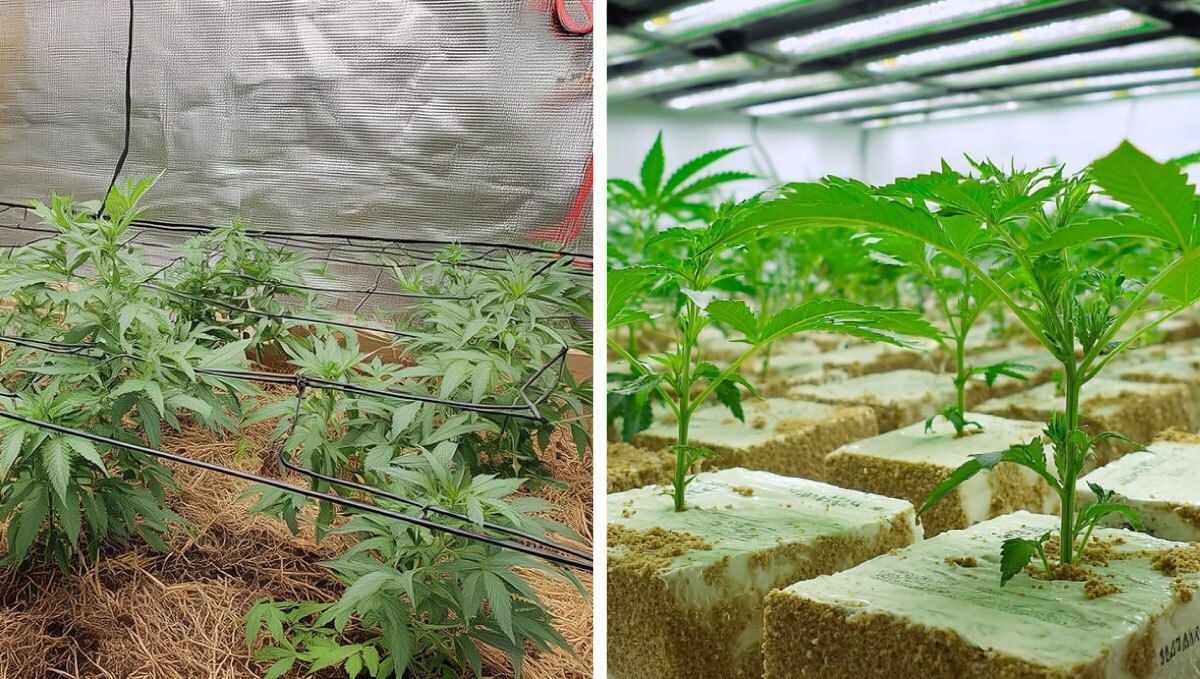
But this is 2026, and thanks to the magic of the internet, we can now source all kinds of products from around the world, including everything needed to build a high-quality living soil for cannabis.
That’s why, in this article, you’ll learn how to make your own proven and tested living soil, along with a few tips and tricks to keep it as healthy as possible, grow after grow.
Living Soil
One thing worth knowing is that organic and living soil aren't the same thing. Organic soil focuses on the materials used, while living soil focuses on the entire ecosystem, including bacteria, fungi, and other tiny organisms that help keep the soil functioning naturally.
Which means that what makes living soil “living” is not only its organic or vegan ingredients, but also the life within it: beneficial microorganisms that live in synergy with the plants in a give-and-take relationship. This relationship helps the microorganisms survive and reproduce while enabling the cannabis plant to grow healthy and disease-free.
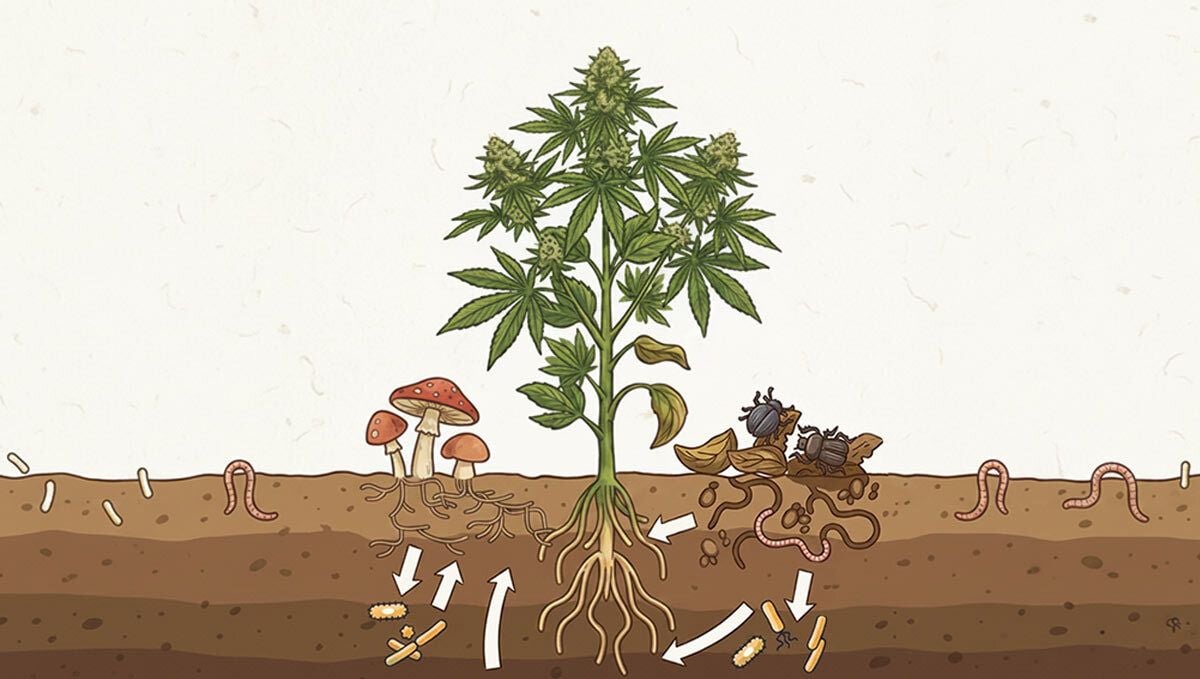
This underground ecosystem is often called the soil food web. It includes bacteria, fungi, protozoa, nematodes, and other organisms that break down organic matter and recycle nutrients. Some are beneficial, others can be harmful, but a balanced soil food web plays an important role in overall soil health.
Below, you’ll find a highly effective recipe that will help your plants reach their maximum potential. Because of this, making your own living soil can seem really hard or impossible if you don’t have experience. After all, there are countless brands, products, and recipes available. And it’s very easy to make mistakes with living soil, since too much or too little of one ingredient can create major problems in the grow room.
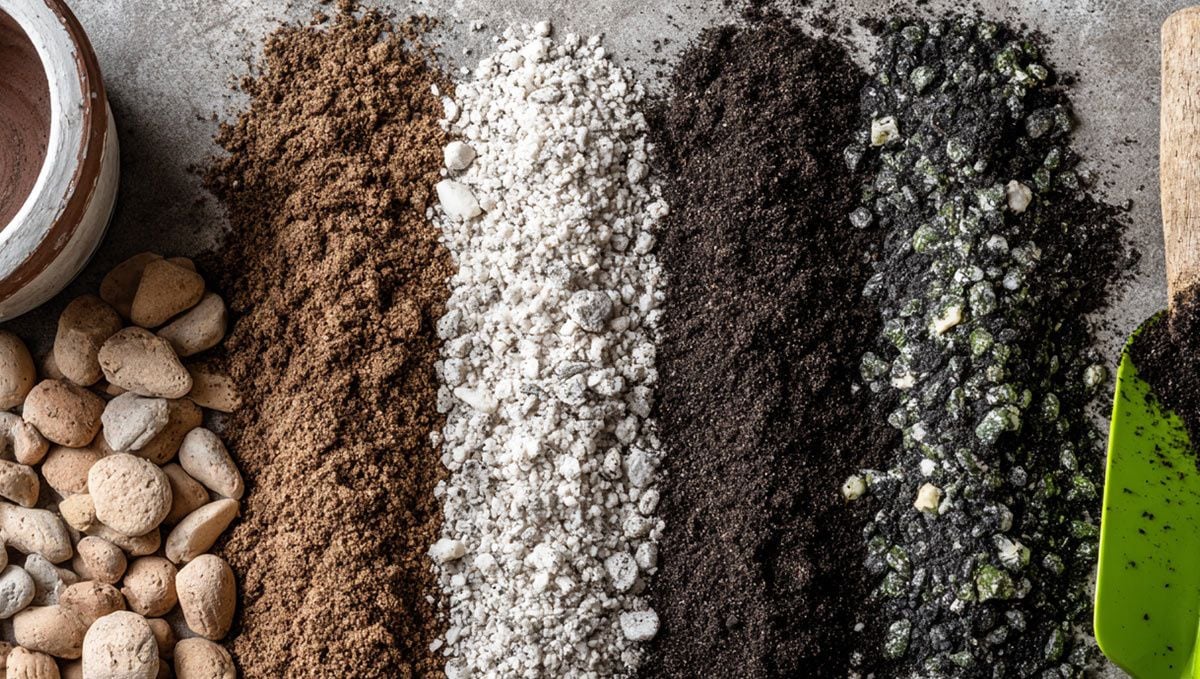
Soil Base
- 65% soil
- 25% aeration material (pumice, perlite, or lava rock)
- 10% worm castings or insect frass
Keep in mind that the soil's physical structure is just as important as its ingredients. A healthy soil needs a balance of air, water, and organic matter to support microbial activity. If the soil becomes too compacted, oxygen availability can drop, affecting the organisms responsible for nutrient cycling.
Nutrient Sources
Since living soil is designed to imitate nature, it’s very important to provide at least two types of nutrient sources, preferably one slow-release and one fast-release.
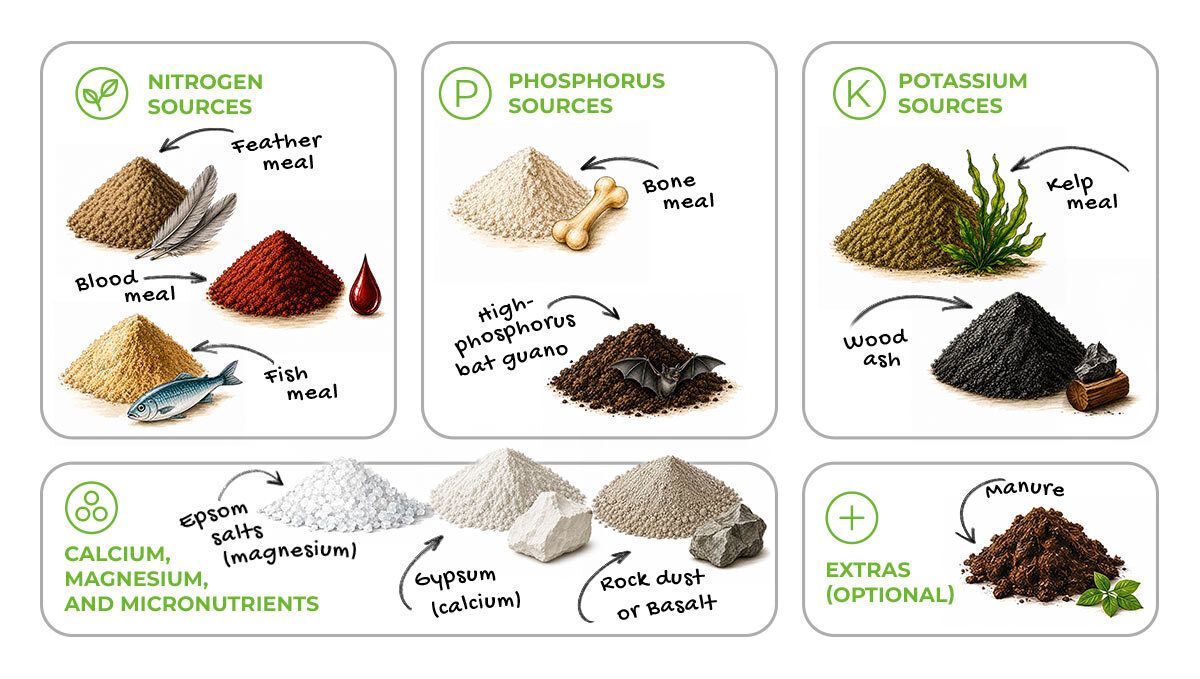
This ensures the plants have access to nutrients throughout the entire cycle while also giving you enough time to replenish them gradually.
Unlike mineral fertilizers, many organic nutrient sources depend on microorganisms to break them down into forms that plants can absorb. This process is known as mineralization, and its speed depends on factors such as temperature, moisture, and microbial activity.
Nitrogen Sources
- Feather meal
- Blood meal
- Fish meal
Phosphorus Sources
- Bone meal
- High-phosphorus bat guano
Potassium Sources
- Kelp meal
- Wood ash
Calcium, Magnesium, and Micronutrients
- Epsom salts (magnesium)
- Gypsum (calcium)
- Rock dust or Basalt
Extras (Optional)
- Manure
Mixing Your Living Soil
Grab a large tote or a heavy-duty plastic bag and mix all the ingredients thoroughly with the soil. Once everything is combined, it’s time to inoculate the beneficial microorganisms and let the soil “cook.”
The term "cooking" can be a little misleading because there's no actual cooking involved. It refers to the biological processes taking place as microorganisms decompose organic materials. During this period, microbial activity can generate heat and change the availability of certain nutrients.
Inoculants
- Mycorrhizae
- Trichoderma
- Beneficial bacteria
- Molasses
- Humic acids
- Fulvic acids
Mix the mycorrhizae, trichoderma, bacteria, molasses, humic acids, and fulvic acids with water. The amount of water should equal roughly 10-20% of the total soil volume. For example, if you made 100 L of soil, use around 10 L of water.
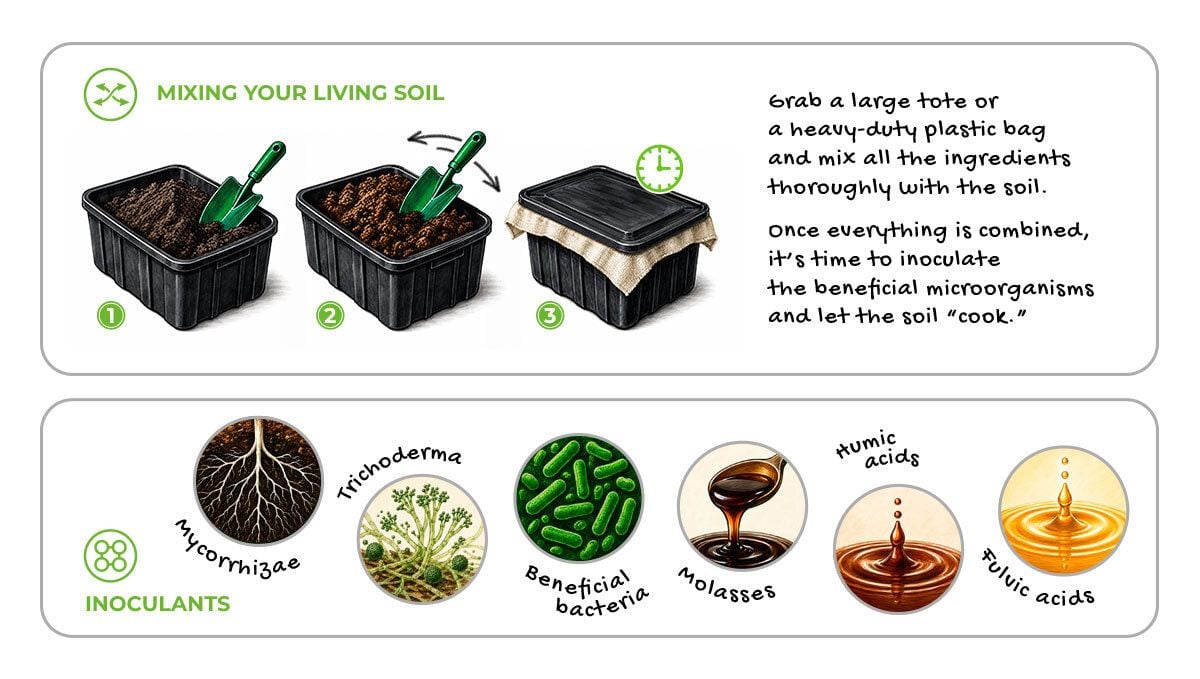
Use a sprayer to moisten the soil while mixing everything thoroughly, making sure there are no dry spots. Then seal the bag or container and allow the soil to rest for 30 days.
This combination of ingredients creates a nutrient-rich living soil designed to support strong root development, microbial activity, and long-term nutrition in a supersoil growing system.
After those 30 days, simply place the soil into your container of choice, and it’s ready to use.
Extras & Maintenance
However, there are a few important things to keep in mind. While living soil can last for months or even years, it still requires basic maintenance. One of the biggest advantages of living soil is that its biological community can continue recycling organic matter over time. However, living soil isn't a completely self-sustaining system. Nutrients can still be lost, organic matter gradually breaks down, and soil conditions can change with repeated use.
1. Extra Nutrients During Flowering
Some plants may require additional nutrients, especially during flowering. For this reason, it’s recommended to top-dress phosphorus, potassium, and micronutrients at the beginning of pre-flowering.

There’s no need to use the full dosage; applying ½ or even ⅓ of the recommended amount is often enough. If necessary, you can repeat the application two weeks later to support the entire flowering stage.
2. Re-Amending the Soil
This recipe should last around 12 months. After that period, you’ll need to re-add all the original ingredients, either at the same dosage or in reduced amounts, depending on what the plants are showing.
As a general guideline, re-amend the soil using around 60-70% of the original amounts used to create the living soil.
It's important to remember that soil doesn't have a fixed expiration date. Its condition depends on factors such as nutrient removal, organic matter decomposition, and previous use. Soil testing can provide a clearer picture of its nutrient levels, pH, and salt content than appearance alone.
3. Living Soil Maintenance
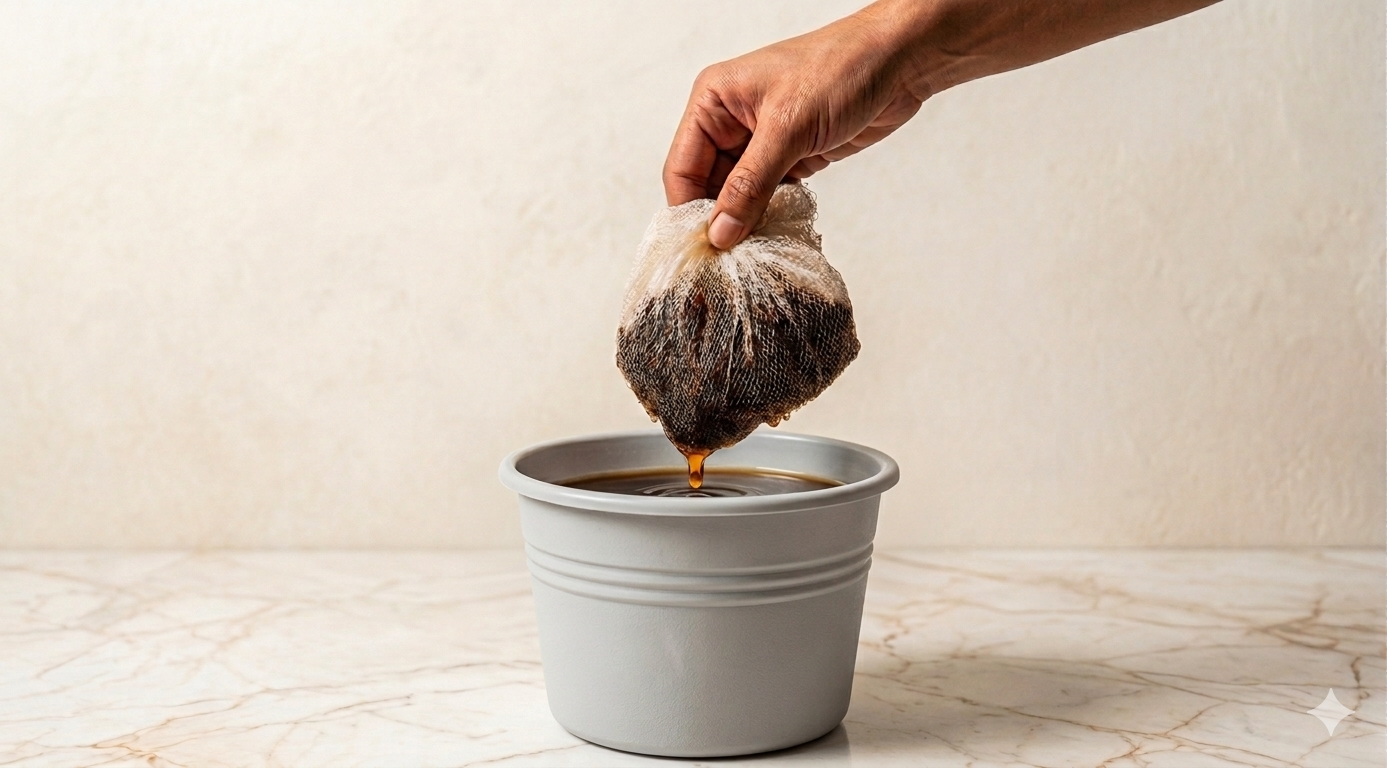
It’s also recommended to feed a tea every 10 days or so. You can use the same ingredients mentioned in the inoculant section, but make sure to aerate the mixture with an air stone for 24-48 hours for optimal results. The compost tea will guarantee your soil is living from start to finish, while providing micronutrients and food for the beneficial microorganisms to thrive.
Another important aspect of soil health is biodiversity. A diverse microbial community can help support nutrient cycling and the breakdown of organic matter.
And that is basically everything you need to keep a good, healthy soil. And you know how it goes when talking about living soil: healthy soil = healthy plants. Now that you know how to make a 100% organic living soil recipe for the most flavorful and potent autoflowers, it’s time to put your hands to work and get growing!
FAQ
Living soil is a growing medium full of beneficial microorganisms, fungi, and other tiny organisms that help break down organic matter and recycle nutrients naturally.
Regular potting soil may contain organic matter and microorganisms, but living soil focuses on maintaining an active ecosystem that supports nutrient cycling and long-term soil health.
Living soil still needs nutrients, but many come from organic materials that microorganisms gradually break down through the plant’s life cycle.
Yes! Even healthy living soil can become depleted over time as plants absorb nutrients and organic materials break down. However, nutrients in living soil can take much longer to run out than in hydroponic systems or regular potting soil.
Organic matter provides food and habitat for soil organisms. It also helps improve soil structure, moisture retention, and nutrient availability.
Yes! One of the biggest advantages of living soil is that it can remain biologically active over multiple growing cycles, although its nutrient levels and physical condition may change.
Not really. Living soil doesn't have a fixed expiration date, but its quality can decline if the biology becomes inactive or the soil's physical and chemical properties deteriorate.
No! Some visible fungal growth is part of normal organic matter decomposition. However, not all fungi are beneficial, and appearance alone isn't enough to identify them.
Definitely! Earthworms help break down organic matter, improve soil structure, and contribute to nutrient cycling through their activity and castings.
Yes! Living soil can be a great option for beginners interested in organic gardening. However, understanding basic soil biology and nutrient cycling can make the learning process much easier.


Comments