




Growing Cannabis: Hydroponics vs Soil

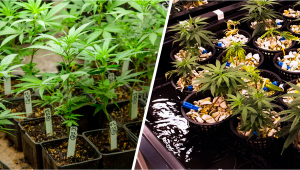
- 1. Advantages of growing cannabis in soil
- 1. a. Relatively cheap and easy
- 1. b. Less experience needed
- 1. c. Bigger yields (in some cases)
- 1. d. Low maintenance required
- 2. Disadvantages of growing cannabis in soil
- 2. a. Slower growth rate
- 2. b. Pests and bugs
- 3. Advantages of growing cannabis in hydroponic setups
- 3. a. Less likely to get pests
- 3. b. Faster grow rate
- 4. Disadvantages of growing cannabis in hydroponic setups
- 4. a. Expensive setup costs
- 4. b. High maintenance required
- 4. c. Hard to optimize feeding
- 4. d. Difficulty of setting hydro outdoors
- 5. Coco-coir - the perfect balance between soil and hydro cultivation?
- 6. In conclusion
One of the biggest debates in the growing world is over which medium will result in better quality and yield. There will never be a correct answer, as it really depends on what suits you as a grower and the specific strain of feminized seeds. Every medium has its pros and cons. Factors like environment and price may influence the right choice. Here is a comparison between hydro and soil growing to help you make the best decision in 2026.
1. Advantages of Growing Cannabis in Soil
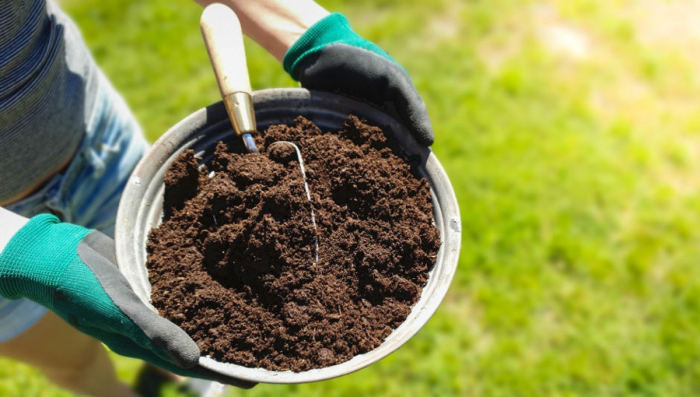
Soil does more than just hold the roots in place. It also contains organic matter and microorganisms that affect how water and nutrients move through it. Not all soils are the same, though, so the results can vary depending on the mix you're using.
Relatively Cheap and Easy
Soil is the easiest and cheapest medium. There’s not much need for equipment other than pots and a container to water your plants. People just starting out may even get soil from the local park or anywhere where there are healthy plants growing to avoid spending on soil.

Less Experience Needed
Growing in the soil seems to be what many people try first when it comes to growing cannabis. This may be the best choice for beginners if you’ve grown or taken care of any other plant in soil because you’ll be familiar with the medium.
Bigger Yields (In Some Cases)
When growing in soil outdoors, you can expect bigger yields than in hydroponics because you’re not restricted by space and your plants can grow as big as they like. If you grow indoors, you can apply training techniques, and if applied correctly, you will have bigger yields.

Low Maintenance Required
After the initial setup, the main cost of soil will be replacing broken pots when needed and changing soil after every harvest. It is not recommended to reuse soil unless you know how to amend it, as all the nutrients have been absorbed by the plants.
2. Disadvantages of Growing Cannabis in Soil
It's also worth remembering that not all soil is the same. Garden soil and ready-made potting mixes can behave quite differently, so the advantages and disadvantages will depend on the type of soil you're comparing.
Slower Growth Rate
Because of the resistance of soil, roots will develop more slowly than they do in soilless mediums like hydroponics. Plants in hydro may develop smaller roots but will grow faster, especially in the vegetative stage.
Pests and Bugs
A big disadvantage of soil is getting pests. This medium is organic matter and contains organic material that attracts many types of bugs that can live in soil, growers seem to suffer more often from pests and bugs in soil than in hydroponic setups.
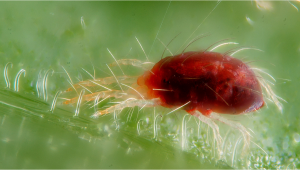
3. Advantages of Growing Cannabis in Hydroponic Setups
Hydroponics doesn't always mean having roots sitting directly in water. Some setups use materials to support the plants, while others deliver nutrients through water or mist. That's why two hydro setups can work quite differently, even though they're both considered hydroponic, giving you more flexibility.
Less Likely to Get Pests
Of all the grow mediums, hydroponics is the least likely to be attacked by bugs. Although it’s still possible that many pests need soil as part of their life cycle, the lack of soil and organic material will significantly lower the chance of pests reaching your plants.
Faster Grow Rate
Plants in hydroponics grow their roots directly in a mix of water and nutrients, there’s no resistance from the medium so they tend to grow much faster in the vegetative stage, this can result in harvesting sooner.

4. Disadvantages of Growing Cannabis in Hydroponic Setups
Another thing to consider is water and electricity use. Some hydro systems reuse their water, which can help reduce waste, but pumps and other equipment may use more power. So, the overall disadvantages really depend on the setup.
Expensive Setup Costs
Hydro setups are way more expensive to set up initially than growing in soil. It also may require a bit of knowledge. There are DIY setups that reduce costs, but there is essential equipment that cannot be left aside.
High Maintenance Required
Some hydro growing methods are relatively high maintenance and may take lots of checking, measuring, and adjusting for the best results. Neglecting to check these parameters may result in root problems. This is very common when growing hydro because the roots are openly exposed to the solution and environment.

Hard to Optimize Feeding
Getting the right amount of nutrients can be very difficult for hydro growers, especially when combining nutrients from different companies. In a hydroponic setup, you have complete control over the nutrients your plants get. This means you can fix deficiencies quickly and easily, but it also means feeding requires special attention and should be monitored closely.
Difficulty of Setting Hydro Outdoors
Growing hydro outdoors is possible but can be very difficult in some cases. For example, you need a sterile environment and control heat/cold, which can be extremely hard in some situations outdoors. There’s also the need to plug the equipment into the power grid, and sometimes this isn’t possible outside.
Hydroponic Cultivation Styles
It helps to know that hydro systems can be either passive or active. Passive setups work without pumps, while active ones use equipment to move the nutrient solution around. This is one reason why some methods need more attention than others.
To the uninitiated, hydroponic cultivation can seem like some sort of voodoo magic. And, sure, while some techniques or methods require a bunch of kits and are complicated to set up, there are also really simple ways to get a hydroponic cannabis garden going. Let's run through the most commonly seen styles of hydroponics in cannabis grows, and quickly explain how each works.
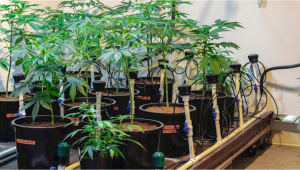
The Kratky Method
The Kratky method is hydro in its simplest form, and is very easy to get going. This is a passive system, meaning no complicated setup. All you have to do is get your plants growing in a net cup filled with an inert medium – usually clay balls – above the nutrient solution, and ensure there is a slight air gap. The plant does the rest through capillary action, sucking up all the nutrients it needs, while also getting high levels of oxygenation from the roots that are exposed between the base of the net and the top of the nutrient solution.
Wick Systems
Wick hydro setups are also passive and work in a very similar way to the Kratky method. The difference is that instead of relying on the plants' natural capillary action, a wick is used to draw the solution up from the reservoir. The most common material for the wicks is usually strong cotton fibers or jute. The main thing to remember with wick systems is that the reservoir needs to remain topped up and the wick must be in contact with the feed water at all times. Otherwise, it can quickly dry out, meaning your plants won't get the nutrients they need.
Drip Systems
Drip systems are probably the most common type of hydroponic setup for home growers, as they are very easy to set up, they don't need a bunch of fancy equipment, and they produce great results.
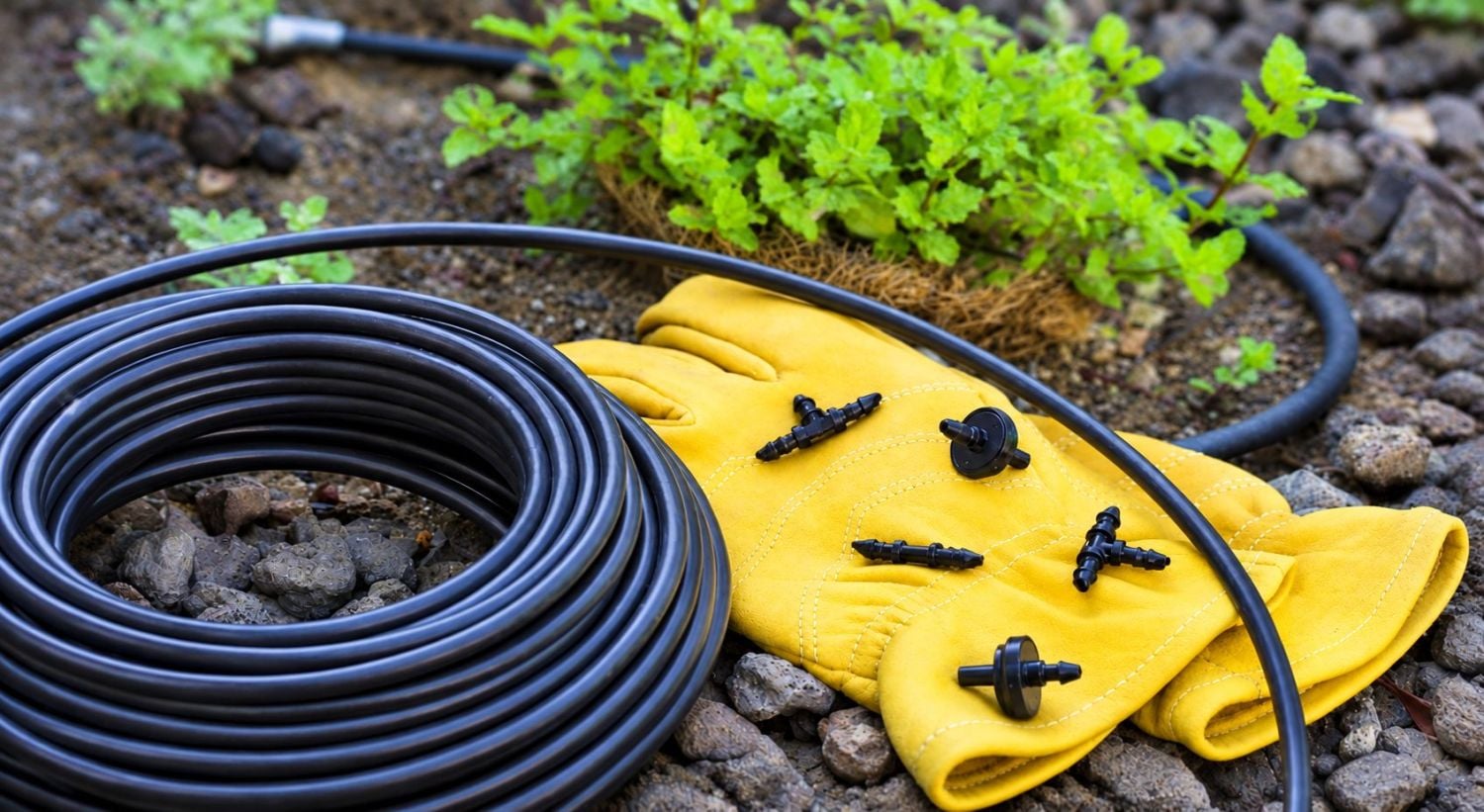
They work by slowly dripping a precise amount of nutrient solution onto the root zone, usually through a pump and piping system set on a predetermined timer. The slow delivery of the feed water helps to avoid nutrient build-up, and since the plants get fed on a regular schedule, you can be sure that your plants are getting their exact feed requirements.
Ebb and Flow Systems (Flood & Drain)
These systems work by flooding the root zone with nutrient solution and then draining it back into the reservoir. The flooding happens on a timer, usually every few hours, and this means that the plants get an intermittent blast of nutrients while allowing the roots to soak up oxygen in between feedings.
Nutrient Film Technique (NFT)
Nutrient Film Technique (or NFT) is also becoming a popular choice among home growers, as it offers a really efficient and low-maintenance way to get your hydroponic plants growing. NFT setups use a series of channels that are constantly flowing with nutrient solution. This nutrient solution is then pumped into the channels, which allows it to flow freely around the base of the plant roots. The idea is that this flowing nutrient solution feeds the plants while also providing much-needed oxygenation to the roots.
Aeroponics
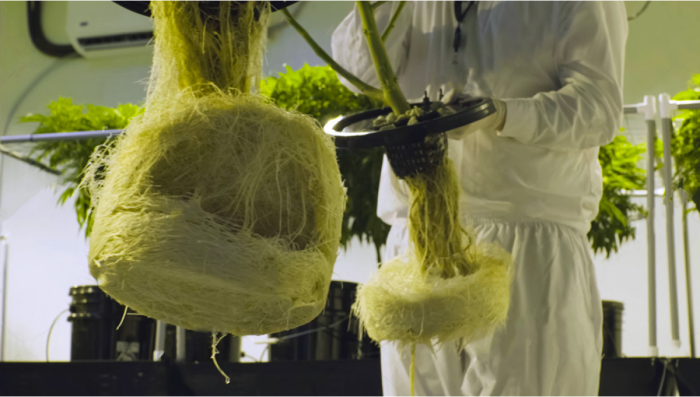
Finally, we get to Aeroponics. These systems are some of the trickiest to get all set up and working correctly, but they can also be the most rewarding. In aeroponics, instead of using a medium to hold the roots in place and provide nutrients, the plants are suspended in the air, and their roots are misted or sprayed with a nutrient solution. This means that the plants get an extremely high level of oxygenation, while still receiving all the nutrition they need.
The boost in both yield size and potency that can come from aeroponics is pretty surprising, especially if you have a rich history of growing organically. However, these systems are very sensitive and need to be monitored closely to ensure everything is running smoothly.
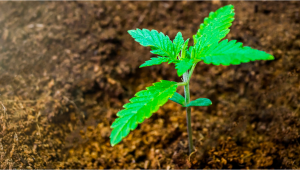
5. Coco-Coir - The Perfect Balance Between Soil and Hydro Cultivation?
One thing to keep in mind is that coco quality can vary quite a bit. How it's processed and washed can affect the final product. And while coco comes from coconut husks, that doesn't automatically make every coco product the most environmentally friendly choice, especially when transport and processing are taken into account.
What is coco-coir?
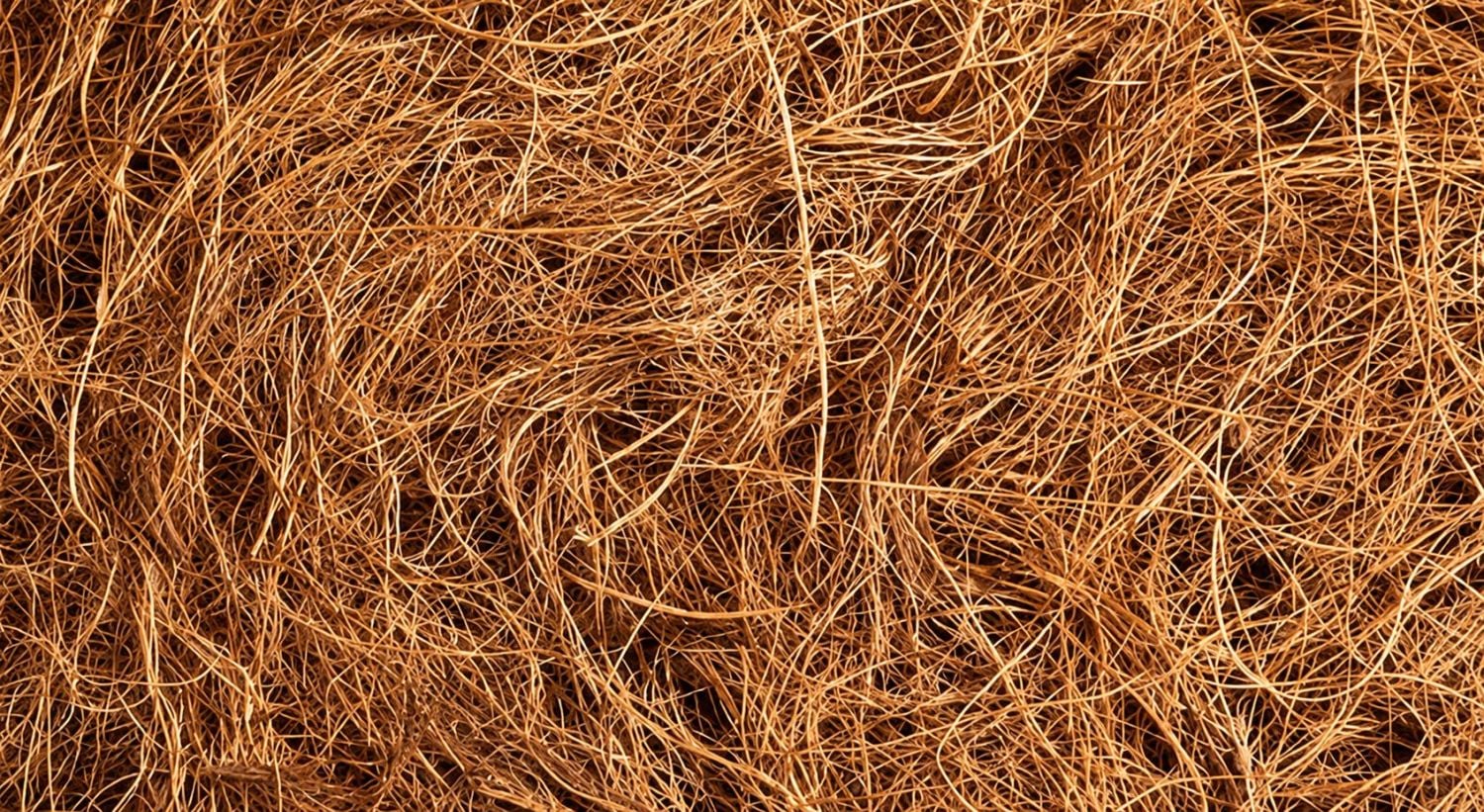
Coco-coir (or just coco as it's known colloquially) is made from the finely ground-up husks of the exterior, shaggy layer of coconuts, and is quickly becoming a favorite growing medium among all levels of cultivators, but especially with novice growers. This inert (meaning chemically inactive or totally lacking in nutrients), versatile, and easy-to-work-with medium can be used by itself, but for cannabis cultivation, it is best to mix with perlite to add to the oxygenation abilities.
Why use coco-coir?
There are a couple of main reasons why so many weed growers are switching over to coco-coir as their main medium, but the main pro is that it offers many of the advantages of both soil and hydro cultivation and is very forgiving. Soil-based systems are always less complicated than hydro setups. With coco-coir, you get the experience of soil growing while having far greater control over the feeding schedule of your crop. With coco, you add synthetic nutrients directly to the feed water, which makes nutrient measurement much more straightforward and simple. Coco (even without the addition of perlite) allows for up to 70% better root oxygenation than a pure soil system, and while it does a great job of supplying the root ball with all the nutrients and moisture that it needs, it also allows for easier flushing in the case of any nutrient deficiency issues. Coco-coir is a sustainable product and is much more environmentally friendly than some of the other cultivation options. Coco can even be reused between grows, but make sure you give it an extremely thorough flush in between runs.
Since this is, in essence, a hydroponic system, the plants’ growth is drastically boosted when compared to a pure soil grow. This is because the nutrients that the plant receives are much more accessible, but since the medium mimics soil, the overall experience is less complicated than regular hydro setups. The only real downside to coco cultivation is that you will be required to add cal-mag to your feed schedule. This isn’t a huge issue at all, and every reputable hydro supplier will stock a wide selection of cal-mag options. If you do decide to go down the coco-coir route, we recommend pairing it with air pots. These pots drastically increase the root zone oxygenation levels and promote root expansion like no other pots on the market right now.
When it first popped up on the market, coco-coir was really only available in these large, dehydrated blocks. These were pretty low-quality options and required the cultivator to add water to break the compressed block down. These days, the range of cannabis-specific coco-coir options is pretty amazing. All the major weed nutrient and supplement brands have their own options available, and most of them are top-notch. We recommend Fox Farm, Canna, or House and Garden. All three companies produce really high-quality coco-coir mixes that are ready out of the bag, and they also have their own coco-specific nutrient mixes ready for purchase.
6. In Conclusion
At the end of the day, neither soil nor hydro guarantees better yields, stronger flowers, or a better taste on its own. Genetics and growing conditions also play a big part, so it's difficult to say that one medium is always better.
We recommend beginners start growing in the simplest way possible and get a feel for what they like and don’t like in every medium. Every medium has its own advantages and disadvantages. Once you establish your method of growing, you’ll naturally begin to improve your setup and eventually reach a more complex setup, such as hydroponics.
FAQ
Yes, soil is usually the easier option for beginners. It's more forgiving of small mistakes and doesn't require as much equipment or monitoring. That's why many first-time growers prefer starting with soil.
Hydroponics has the potential to produce bigger yields, but there's no guarantee. A healthy plant grown in good soil can perform just as well as one grown hydroponically. It all comes down to the overall growing conditions.
Some growers believe soil-grown cannabis has a richer flavor and aroma, but that's not always the case.
Hydroponics is usually more expensive to set up because you need extra equipment, such as pumps, reservoirs, and monitoring tools. Soil growing is generally cheaper to get started with, making it a popular choice for growers on a budget.
The biggest downsides are the higher setup costs and extra maintenance. Hydroponic systems need closer monitoring, and problems with equipment or water chemistry can affect plants pretty quickly.
Soil is easier to work with, but it's not perfect. Nutrient levels can be harder to control, and soil can sometimes attract pests or develop drainage problems. It can also take longer to spot certain issues.
It can be, especially if harmful microorganisms spread through the water. Root problems can develop quickly in some hydroponic systems. However, soil-grown plants can also suffer from root diseases, so both methods have their risks.
Absolutely! Plants don't actually need soil to grow healthy roots. What they need is water, oxygen, nutrients, and the right conditions. Hydroponics simply provides these essentials in a different way.
Definitely! Both methods can produce excellent-quality cannabis. The growing medium alone doesn't determine the final result. Genetics, plant health, and how the cannabis is handled after harvest matter just as much.
It really comes down to what works best for you. Soil is a great option if you prefer something simple and beginner-friendly, while hydroponics offers more control for those who enjoy a more technical approach. Neither method is automatically better than the other.
Comments