




Best Cannabis Nutrients For Hydroponic Setups


- 1. Soilless growing
- 2. Coco coir cannabis cultivation
- 2. a. What are the main benefits of using coco coir as a growing medium?
- 3. What are good hydroponic nutrients?
- 4. The most reputable hydroponic nutrient brands available
- 5. Cares you should take with nutrients in hydro
- 6. In conclusion
Hydroponics is a way of growing cannabis seeds where you don’t need soil or any medium (although you can). This way exposes the roots directly to an oxygenated mix of water and nutrients, making the nutrients available when the plant needs them. But this is just the tip of the iceberg. Want to learn more? Read this 2026 guide.
1. Soilless Growing
Soilless growing can refer to any growing where soil is not used (like hydroponics or aeroponics).
The benefits of these methods are that you submerge the roots in a rich nutrient solution, allowing your plants to feed when they want and in the amount they need.
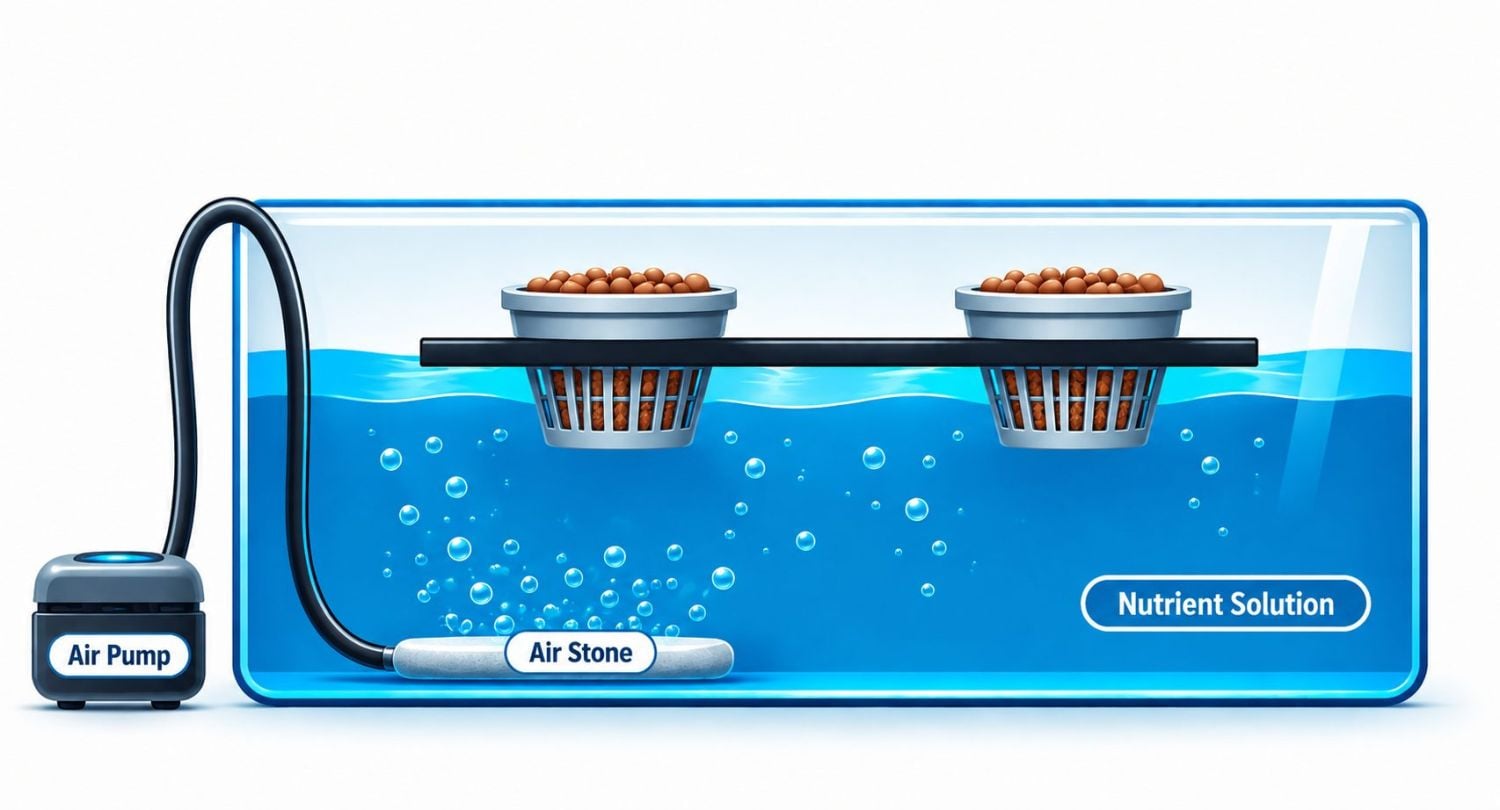
By being directly exposed to the nutrient solution, they can feed without having to “fight” against soil, allowing the plant to grow bigger without the roots having to grow too much. This results in quicker development and can result in an overall faster harvest.
However, not all soilless systems work the same way. Some use water as the main root environment, while others rely on substrates such as coco coir, perlite, or rockwool. Each material has different water retention, aeration, and nutrient-holding properties, which can affect how the system works.
2. Coco Coir Cannabis Cultivation
While soilless, pure hydro setups are great, they do come with a few marked downsides. They can be quite expensive to implement, waterborne diseases are common in hydroponic systems, power cuts can quickly destroy a crop that relies on timers and pumps, and new growers face a steep learning curve. There is another option, though! Coco coir (pronounced coco kwaar) -which is also sometimes referred to as coco peat - has grown in popularity over the last decade as a hydroponic medium, and it is easy to see why. It combines many of the advantages that come with growing in both soil and hydro while cutting down on a few of the cons.
What is Coco-Coir?
This increasingly popular hydroponic growing medium is made of the parts in between the shell and the outer coating of coconut. There are two main types of coco coir: brown and white coir. The vast majority of coco coir used in cannabis cultivation is brown, as this is the stronger type and more suited to hydroponic growth. It is mainly produced in the subcontinent countries of India, Sri Lanka, and Bangladesh. The bigger hydro supply companies started making and selling their own coco coir blends about a decade ago, and there has been a huge amount of research and development put into these products in the years since.

One important thing to know is that not all coco coir products are processed in the same way. Depending on their source and preparation, they can contain different amounts of residual salts and naturally occurring minerals. This is why coco coir quality can vary significantly between manufacturers.
What are the main benefits of using coco coir as a growing medium?
Apart from the fact that coco coir is a great crossover medium for cultivators looking to switch from soil to hydro, there are a few other big upsides:
- Coco coir is an inert substance
This medium is naturally pH-balanced and has zero additional growth nutrients. This means you are starting with as clean a slate as with a pure hydro setup. This makes pH and nutrient control and monitoring very easy, as the only nutrients in the mix will be the ones you feed your plants with
- It offers higher oxygen concentrations to the root zone
When compared to soil cultivation, coco coir offers up to 70% better root oxygenation. This means the rate of growth and the quality of the final product have the potential to be heavily boosted.
- It retains and drains water well
Coco coil is much easier to flush than regular soil. This is great if your plants are struggling with deficiencies or overfeeding issues, as the medium can be quickly and easily brought back to an inert baseline.
- It is an eco-friendly, renewable resource
The coconut husk was once a discarded waste product. With the coco coir craze that has swept the growing world in general, this once useless product can now be used in a renewable way.

Does coco coir cultivation use the same hydroponics nutrient blends as straight hydro?
Nope. The years of R&D put into coco coir growing have given us so much information, and with that, there has come a bunch of coco-related products. Of course, there are heaps of additives that can be used across the hydro board and in soil growing. But when it comes to base nutrient blends, it's best to stick with coco coir-targeted products. All the big names ( like House and Garden, General Hydroponics, Canna, Fox Farms, and Botanicare, to name just a few) produce their own dedicated coco nutrient blends. These usually come as a two-bottle set, and you will most likely need a bottle of cal-mag and either pH up or down (depending on the water you are using). Remember to always feed at half the bottle strength, to begin with, to combat any overfeeding issues, and to always check the pH and TDS or EC levels before feeding your ladies.
3. What Are Good Hydroponic Nutrients?
There are lots of different nutrients for feeding your plants in a hydroponic setup; the best one will depend on your budget and ability as a grower, although in a hydro setup the nutrients are fed directly to the roots, so you have to be careful with the amount given.
When comparing hydroponic nutrients in 2026, it's worth looking beyond the three numbers on the label. A complete nutrient formula also contains secondary nutrients and trace elements, and the chemical forms used can affect their solubility and stability in water.
Which means that you need to find a brand that provides every nutrient the plant needs in the right amounts. That is a medium amount of Phosphorus (P), and a high amount of Nitrogen (N) and Potassium (K) in the vegetative stage. And less nitrogen (N) and a high level of Phosphorus (P) and Potassium (K) in the flowering stage.
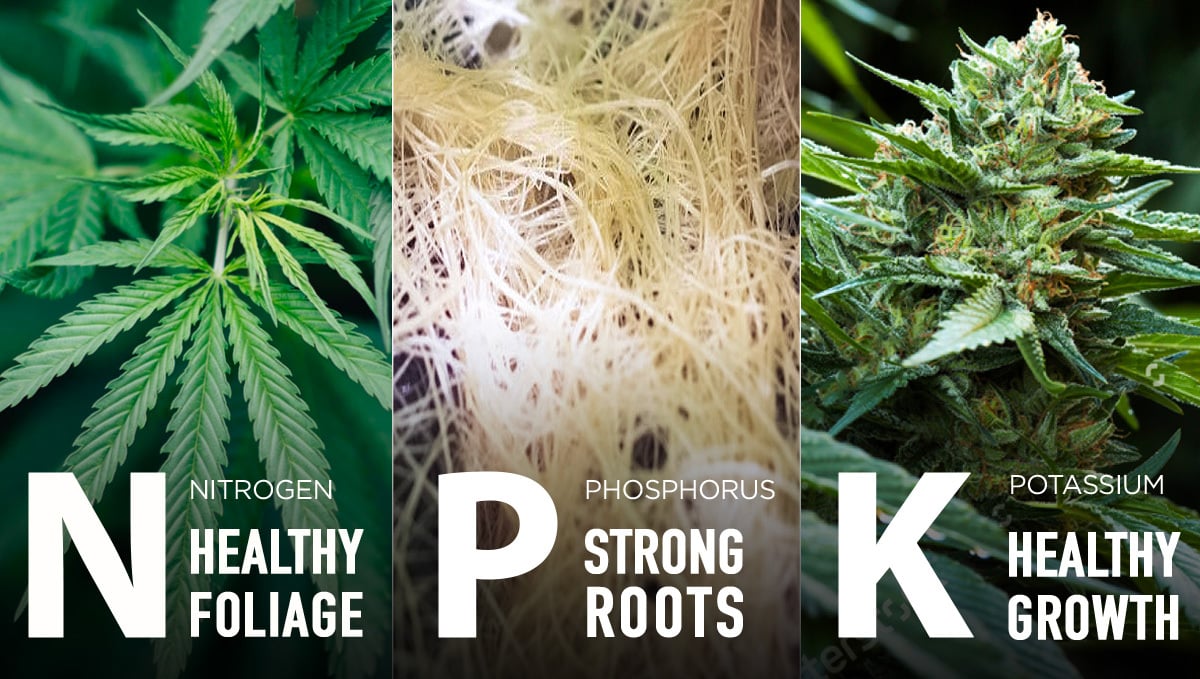
You should only use nutrients specially designed for hydroponic systems. They contain a high amount of micronutrients, including magnesium, calcium, iron, and sulfur, which your plant gets from soil, but because there’s no soil in this method, you should provide all of the micronutrients yourself. Also, have in mind that almost all organic nutrients need organic matter to work. They depend on microorganisms, and the microorganisms depend on soil, which is not available in hydroponics, so be really careful when buying nutrients.
Organic and mineral nutrients also differ in how their nutrients become available. Some organic compounds require microbial breakdown, but microorganisms can exist in soilless systems too. The absence of soil does not automatically mean the absence of microbial activity.
Note that if you’re using filtered water, you should also look to add the following nutrients: boron, cobalt, copper, manganese, molybdenum, and zinc. This is because the filters not only remove impurities but also remove the minerals in the water. Not providing all of the micronutrients can cause deficiencies.
4. The Most Reputable Hydroponic Nutrient Brands Available
The range of nutrient brands offering hydroponic options can be a little overwhelming. But hey, don't you worry, because we are here to steer you in the right direction. Let's take a little peek at the best offerings and break down which brand is best for what.
Advanced Nutrients
Advanced Nutrients is one of the longer-standing hydroponic nutrient brands, a truly world-renowned nutrient company. Advanced Nutrients has been making top-notch products since 1999. Their range includes a variety of options for hydroponic systems, with a couple of base nutrient options and a huge range of additives and supplements.
Big Bud® is the most awarded bloom booster ever produced, and while it's been around for more than a decade, it is still taking out the top awards at the biggest cannabis comps - It was awarded the best bloom additive at Spannabis 2022 and is on the shortlist for a bunch of others in the coming months. The pH Perfect® Connoisseur® Grow & Bloom base set of nutrients is the top choice for growers throughout Europe and the USA and is very hard to beat.

House & Garden
House & Garden is the longest-running hydroponic nutrient company in the Netherlands and has been trusted by growers worldwide for over 30 years. House & Garden offers the most comprehensive range of hydroponic nutrients on the market, with an array of base nutrient options and supplements.
Aqua Flakes A&B provides the highest quality, fully soluble nutrients designed specifically for recirculating hydroponic applications. If you are using a drain-to-waste (DTW) system, check out Hydro A&B. The Roots Excelurator additive is one of the most productive and reputable additive options available and is proven to massively boost root size and structure.
CANNA
CANNA holds the title of 2022's highest-selling nutrient range, with their CANNA Hydro Vega and CANNA Hydro Flores range. Scientifically backed to offer amazing growth rates, and with a wide selection of additives and supplements, CANNA is an excellent nutrient choice for hydroponic systems.
The additives on offer from CANNA are also very much top-notch. CANNA RHIZOTONIC is a powerful root stimulator and conditioner, CANNAZYM is a high-quality enzyme mix that accelerates the process of breaking down dead root material and boosts the population of beneficial micro-organisms, CANNABOOST stimulates the development of new flowers and increases bud formation rates, and if you're looking to produce the biggest, densest, stickiest buds of your growing career, CANNA PK 13/14 is the right product for you.
These are just 3 great options, but they are anything but the only choices. Check out what your local hydro supplier has to offer, as there are always more localized products that could be a little cheaper while still providing amazing results.
5. Cares You Should Take With Nutrients In Hydro
There’s not much you need to do when feeding in hydro, other than checking and adjusting the pH of the solution daily. Because the roots are directly exposed in hydro, even the slightest change in the pH level can shock your plants, stunting growth and not allowing them to properly absorb nutrients.
However, pH is only one part of nutrient-solution quality. Electrical conductivity (EC), dissolved oxygen, water temperature, and the cleanliness of the system can also influence nutrient availability and root health. These measurements provide different information and cannot replace one another.
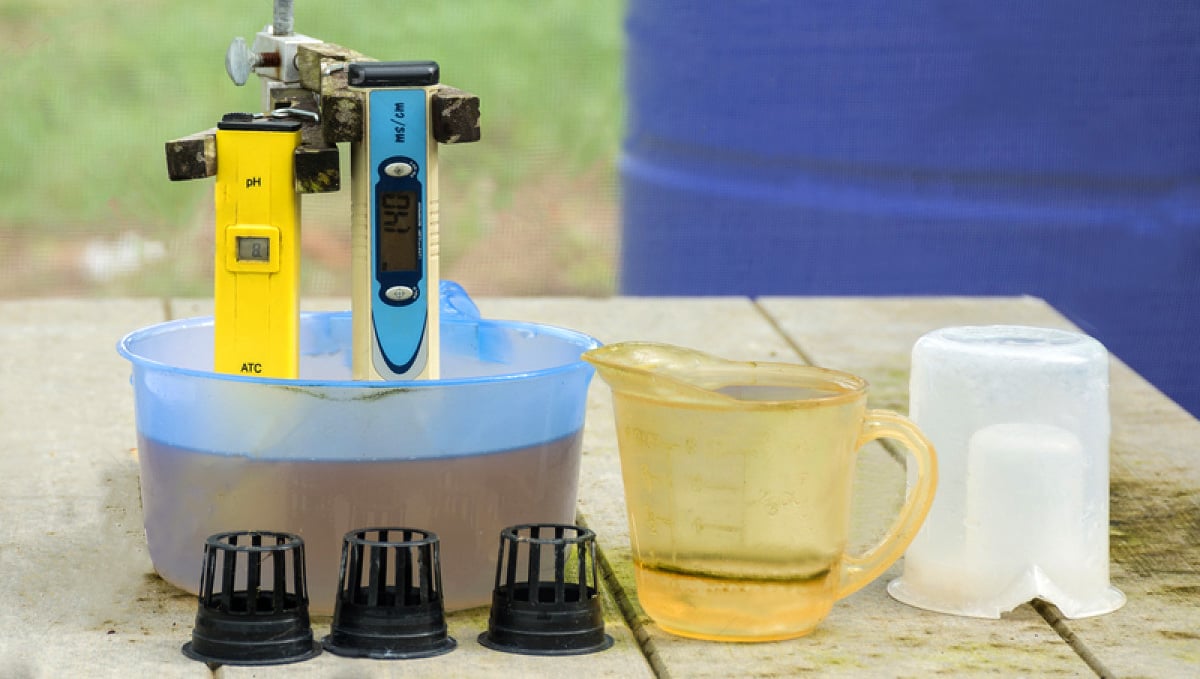
For optimal growth, you will need a pH meter, and be sure you maintain the pH level between 5.5 and 6.5. This will depend on the strain and nutrients being used, of course. Also remember the pH level may change depending on whether your setup is using any medium (like coco fiber, rockwool, perlite, etc.). It is crucial to provide them with the perfect growing environment because they will be directly affected by it, unlike when growing in a medium like soil, which doesn’t expose the roots directly to the solution.
6. In Conclusion
Unlike growing in soil, hydroponics needs special attention and care. Hydroponics can allow you to grow better flowers than in soil but paying the price of having to be present 24/7, as a slight malfunction of any of the equipment in your setup may result in the death of all your plants. We definitely recommend growers try hydroponics, but we advise that you will need a bit of experience to be able to successfully harvest your plants.
Modern hydroponic systems increasingly incorporate digital monitoring, automated alerts, and equipment designed to improve reliability. While these technologies can make routine monitoring easier, they don't eliminate the risks associated with power failures, equipment malfunctions, or poor water quality. We definitely recommend that growers try hydroponics, but a bit of experience is needed for optimal results.
FAQ
Yes, most complete hydroponic nutrient ranges include calcium and magnesium, although sometimes they're sold as separate products. Both are essential minerals that help plants grow and develop normally.
Some are, but not all. Organic nutrients often rely on microbes to make their ingredients available to plants. They can also leave particles or residue behind, which may cause issues in certain hydroponic systems.
One-part nutrients come in a single product, while two-part nutrients keep certain ingredients separate until they're diluted. This helps prevent unwanted chemical reactions. For example, concentrated calcium and phosphate can react and form solids when mixed together.
Because water already contains minerals, and the amounts can vary depending on where it comes from. These minerals affect the overall nutrient mix. Things like water hardness, alkalinity, and sodium levels can all make a difference.
EC stands for electrical conductivity. Basically, it tells you how well a nutrient solution conducts electricity, which gives you an idea of how many dissolved ions are present. However, it won't tell you exactly which nutrients are in the water or whether they're properly balanced.
pH affects how easily certain nutrients remain available to plants. When the pH changes, some minerals can become less soluble. That said, small pH changes are normal and don't always mean something is wrong.
Yes, they can! Both liquid and powdered nutrients have a limited shelf life, although some last longer than others. Heat, moisture, and poor storage conditions can affect their quality. Liquid nutrients may also develop sediment or change over time.
Chelated micronutrients are minerals attached to special organic molecules that help keep them dissolved and available under certain conditions. Iron is a common example, since its availability can change depending on pH and water chemistry.
Not always. Boosters are extra products designed to complement your basic nutrients, but a complete nutrient formula should already contain all the essential minerals plants need. Before spending extra money, it's worth checking whether a booster's claims are backed by solid research.
Stick with reputable brands that clearly explain what's in their products. Look for complete nutrient formulas, clear instructions, good shelf stability, and compatibility with your hydroponic system. Don't just go for the most popular or expensive option. A reliable formula with well-supported claims is usually a smarter choice.
Comments