




Best pH Levels For Growing Autoflowering Cannabis

- 1. The meaning of ph
- 2. Nutrient availability and uptake in organic mediums
- 3. Nutrient availability and uptake with hydroponics
- 4. Nutrient availability and uptake with coco-coir cultivation methods
- 5. How to check your ph
- 6. How to adjust ph
- 7. In conclusion
T
How well cannabis plants absorb and use nutrients depends a lot on pH. When growing with synthetic nutrients, both the pH of the nutrient solution and the growing medium matter. With organic growing methods, water and soil pH also play a big role in how easily plants can access nutrients. Knowing what pH is, why it's important, and how it affects nutrient uptake can make a big difference when it comes to watering and feeding your plants.
Growing healthy cannabis plants means keeping an eye on several things throughout their life cycle. Watering is one of the most important. Your plants need enough water to stay healthy, but too much can deprive the roots of oxygen and increase the risk of root rot.
Nutrients are just as important. Cannabis plants need macronutrients like nitrogen, phosphorus, and potassium, along with micronutrients such as zinc and copper. Many growers also pay close attention to keeping their soil full of beneficial bacteria and fungi, which help break down organic matter and make nutrients more available to plants.
But even if you're doing everything right with watering, feeding, and soil health, the wrong pH can still cause problems. If it gets too high or too low, your plants may struggle to take up the nutrients they need, leading to deficiencies, slower growth, and other issues. In this 2026 article, we'll break down what pH is, why it matters when growing cannabis, how it affects nutrient uptake, and what you need to know to keep it under control.
1. The Meaning of pH
PH, commonly known as "potential of hydrogen," is a way of measuring how acidic or alkaline water is. This plays an important role in how easily cannabis plants can absorb and use available nutrients. Simply put, pH is determined by the activity of hydrogen ions in a solution, which is closely linked to the balance between hydrogen ions and hydroxide ions.
What exactly is an ion?
Simply put, an ion is any atom that has gained or lost an electron. This affects whether it holds a positive or negative charge, and determining this will give you the readout that is so highly important when considering cannabis farming, or any farming, for that matter.
The pH scale is logarithmic in value and ranges from 1 to 14, with the middle point of 7 being neutral. Values ranging from 1 to 7 are considered to be acidic, with values from 7 to 14 being alkaline. Tomato juice, black coffee, and bananas all come in with a pH value of around 4 to 5, making them acidic. Bleach, oven cleaner, and very soapy water all tip the scale at 11 plus making them alkaline substances.
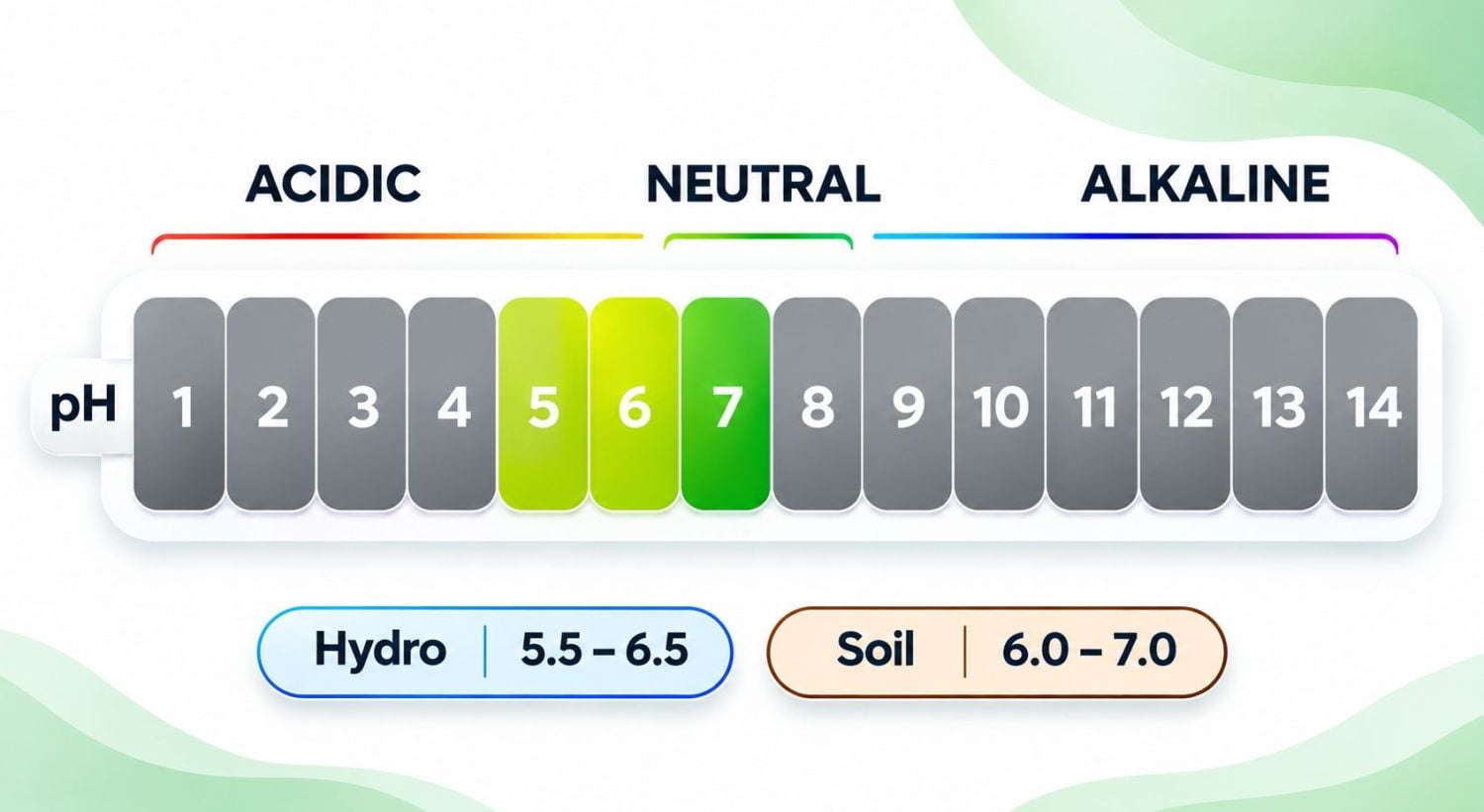
The pH range for cannabis cultivation changes slightly depending on the method, so without any more messing around, let’s jump straight in and work out what pH you should be aiming for your cannabis grow.
2. Nutrient Availability and Uptake In Organic Mediums
When growing Cannabis in soil, the optimum pH level should be between 6.0 and 7.0. Organic growing mediums allow nutrients to buffer over 72 hours, and, once buffered, will be more readily available to the roots at an optimum range. Primary nutrients (otherwise known as macronutrients - Nitrogen, Phosphorus, and Potassium), secondary nutrients (also known as micronutrients), and trace elements will be most available at pH 6.5. However, a grower should be expected to level pH levels naturally drift from one side to the other, in order for a plant to use exactly what it needs, without being restricted to a specific number.
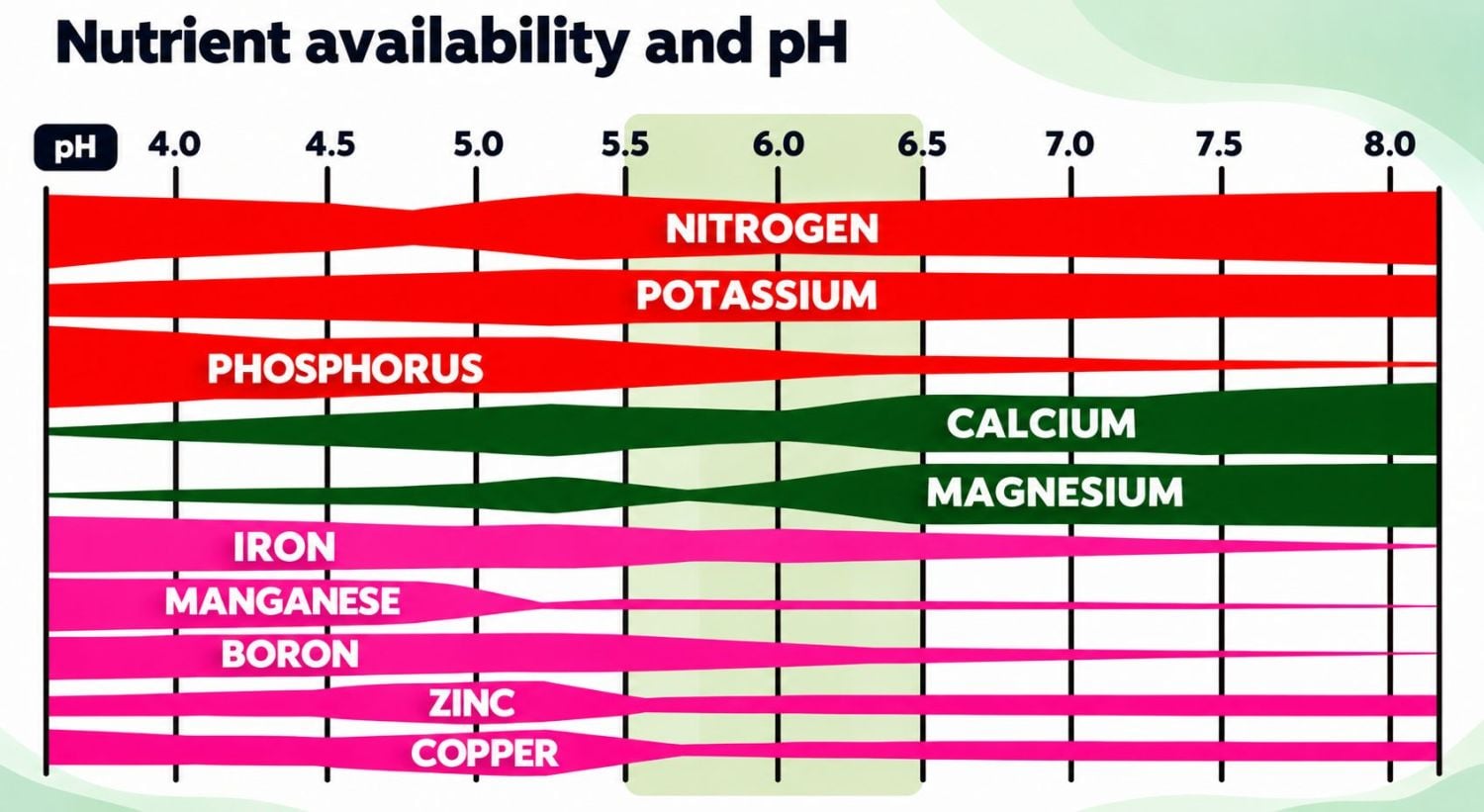
Once a solution drops below pH 5.5 or rises above 7.2, then the uptake of primary nutrients will be minimal, which can cause a chain of plant deficiencies to occur. Every single time you mix up any sort of nutrient or additive solution, you should be checking the pH levels before giving it to your crop. Always make sure it is well within the 6.0 to 7.0 range. It is fine to let it drift within this range to a certain extent. It's actually a good practice to get into, as different macro and micronutrients are absorbed by the plant more efficiently at slightly different pH levels.

Soil pH also influences the activity of beneficial microorganisms that break down organic matter and release nutrients. This is especially important in living soils.
What To Remember
- Organic mediums will provide a natural buffering zone for 72 hours.
- Soil depends on the pH of the water or nutrient solution to drift between 6.0-7.0
- Below pH 5.5, primary nutrients can be accessed.
3. Nutrient Availability and Uptake With Hydroponics
Unlike organic growing that allows a natural buffering cycle, hydroponic systems are far less forgiving. Using growing mediums such as rockwool, hydroton, perlite, and coco, the plant’s ability to buffer nutrients must be left to the careful work of the grower.
When growing with hydroponic methods, the optimum pH range for nutrient uptake and availability will be between 5.5 and 6.5. Depending on the various types of hydroponic farming, some systems may use a recirculating reservoir, and others use a drip-to-waste method. As Cannabis plants are fed more frequently with small-sized minerals, the requirement to have the pH set to the ideal range, in conjunction with E.C levels, is very important.
What To Remember
- Hydroponics has no buffering zone, so the pH must be in the ideal range.
- It is best to work between pH 5.5-6.5, allowing plants to drift.
- E.C should also be considered when using hydroponics or aeroponics.
- Using air stones for dissolved oxygen will increase pH levels over time.
4. Nutrient Availability and Uptake with Coco-Coir Cultivation Methods
While coco-coir is considered a hydroponic medium, it does react slightly differently to a pure hydro setup, which means the pH ranges will be slightly different also. Coco-coir cultivation has exploded in the last decade, thanks to:
- The fact that it offers many of the advantages of both soil and hydroponic cultivation methods combined
- Is a totally inert substrate.
- Is naturally pH neutral - usually sitting anywhere between 5.8-6.4 out of the bag, making it perfect for cannabis cultivation.
- It is an easy medium to work with that is extremely forgiving, especially for novice growers.
So, what are the ideal pH ranges for coco-coir cultivation? The widest range suggested for coco-coir cultivation in terms of pH is between 5.5 and 6.5. But for ideal results, you want to keep the pH range between 5.8 and 6.0 during the vegetative growth period. This smaller range allows for optimal nitrogen absorption, which is the most important macronutrient during vegetative growth. While 5.8 to 6.2 is perfect for nitrogen, it is advised to widen this range to 5.6 to 6.2 once every few days to allow for the ideal absorption of the other macro- and micronutrients.
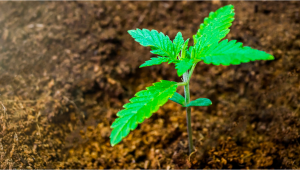
For the best possible results during the flowering productive stage of growth, a pH range of 6.0 to 6.2 is what you should be shooting for. This allows for optimal absorption of both phosphorus and potassium, which are of higher importance during flower production than nitrogen. Again, let this range slide once a week or so to allow for optimal absorption of other nutrients.
Coco coir has a measurable cation exchange capacity (CEC), meaning it can retain and exchange positively charged nutrients such as calcium, magnesium, and potassium. This property influences nutrient availability and explains why coco coir behaves a little differently from substrates such as perlite or rockwool.
5. How to Check Your pH
There are many variables that can cause pH to differ, so having the right equipment to measure is important. A very basic method is to use a pH test kit, in the same way you would test the water quality of a swimming pool after using chlorine. These simple kits require adding 2 drops of solution to your water sample. Then, once diluted, the color of the sample will give a close estimate of the pH value. A more professional approach would be to invest in a pH pen. These can be found in grow shops or aquarium stores and will give you an accurate digital reading each time you enter the pen into the water or nutrient solution.
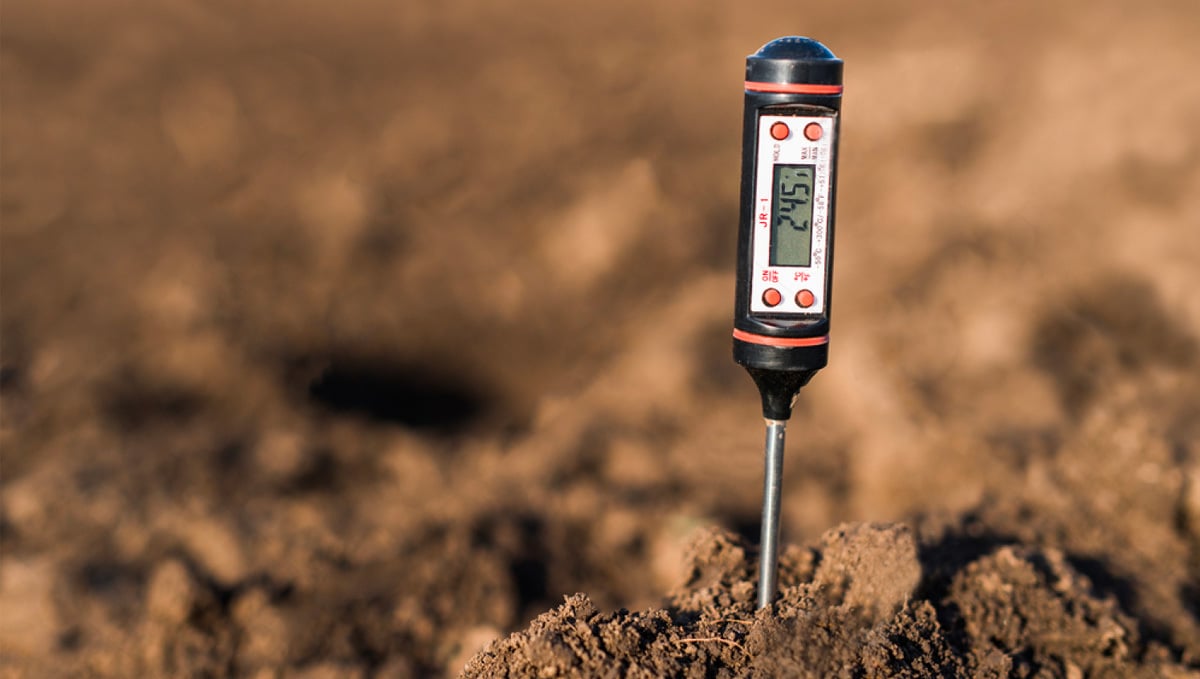
If you are growing with organics or hydroponics, it is well recommended to check the pH of your tap water, or rainwater being used. Some water sources may need treating with acid or alkaline to increase or decrease pH levels before it is classed as suitable for plants.
Points To Consider
- Make sure that your E.C and pH pen are calibrated before using.
- Always check the water source you are using before adding nutrients.
- Testing the runoff from the base of your pots will indicate the pH level of the soil.
6. How To Adjust pH
When growing cannabis, there may be several times that you need to adjust the pH of your water source or nutrient solution. The way that this can be done is to use an acidic or alkaline base, which is more popular as the products "pH Up" and "pH Down".
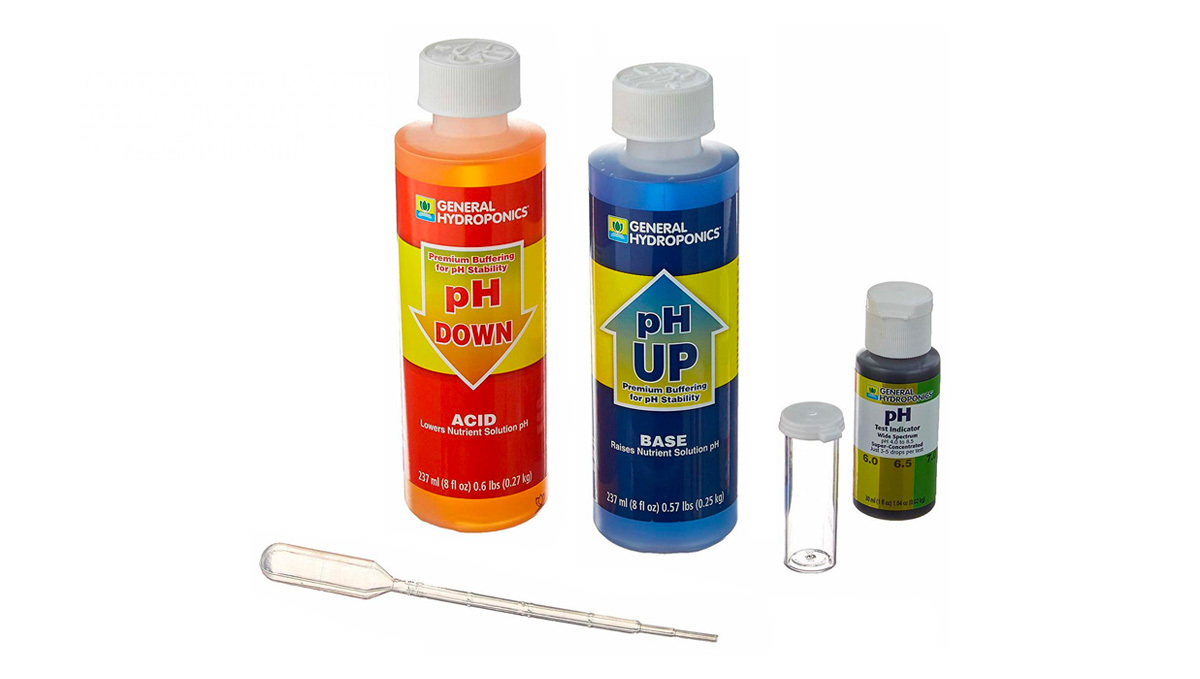
If you are going to add either one, it is advised to do so at the very end of making your nutrient solution. This will allow you to adjust the pH scale only once. However, very small amounts are required, and this balancing act will take time, especially if you are using hydroponics. If you’re a strong practitioner of organic gardening, there are also more natural means to change pH. However, these approaches take longer to have an effect and are only recommended when you don’t urgently need to shift the pH range of your soil. Inputs such as sulfur are effective at reducing soil pH, whereas garden lime or dolomite lime is great at increasing pH in an alkaline direction.
7. In Conclusion
You may not realize how important pH is when growing Cannabis, and how too much of a severe drift to one side of the pH scale can affect the uptake and availability of nutrients. Making sure you have the right tools to monitor your pH levels will give you an advantage when feeding your autoflowering Cannabis plants and can be the difference between nutrient lockout and deficiencies.
FAQ
pH measures how acidic or alkaline water, soil, or a nutrient solution is. It plays an important role in nutrient availability, affecting how easily cannabis plants can absorb essential nutrients.
pH affects how available nutrients are to plant roots. When it falls outside a suitable range, certain nutrients may become harder to absorb, even if they're already present in the growing medium.
No. Autoflowering and photoperiod cannabis plants generally have similar pH requirements. The growing medium and nutrient management system have a greater influence on suitable pH levels than the plant's flowering type.
Yes. An unsuitable pH can make nutrients less available to plants, even when sufficient amounts are present. Growers often refer to this problem as nutrient lockout.
No. Different nutrients respond differently to changes in pH. For example, iron and manganese generally become less available as soil pH increases.
Not usually. Clean rainwater is naturally slightly acidic, often around pH 5.6, because atmospheric carbon dioxide dissolves in water and forms carbonic acid.
Buffering is the soil's ability to resist sudden changes in pH. Organic matter, clay minerals, and other soil components contribute to this natural process.
No. pH measures acidity or alkalinity, while electrical conductivity (EC) indicates a solution's nutrient concentration.
Yes. pH test strips provide an approximate reading based on color changes. Digital pH meters generally offer greater precision when properly calibrated.
Often, yes. Plants may recover when the underlying chemical conditions improve, although damaged leaves don't always return to their original appearance.
Comments