




What is pH Level and Why it's Important for Growing Cannabis



- 1. What is ph?
- 2. How do ph levels affect us?
- 3. How does ph affect cannabis?
- 4. Ph control for cannabis cultivation
- 5. In conclusion
Just like providing the optimal growing environment, controlling pH is essential to your plant's nutrient intake. By maintaining the correct pH level and adjusting it for the stage your cannabis seeds are in, you guarantee a healthy plant and ultimately better quality flowers. Read on to learn everything you need to know about pH when growing cannabis plants in 2026.
1. What is pH?
PH is a way to measure how acidic or alkaline something is. It has a scale that ranges from 1 to 14, starting from level 1 "battery acid" and finishing with level 14 "drain cleaner". Natural water has a neutral pH of 7. Based on this information, we can see if a source of water is good or not for human (and plant) consumption.
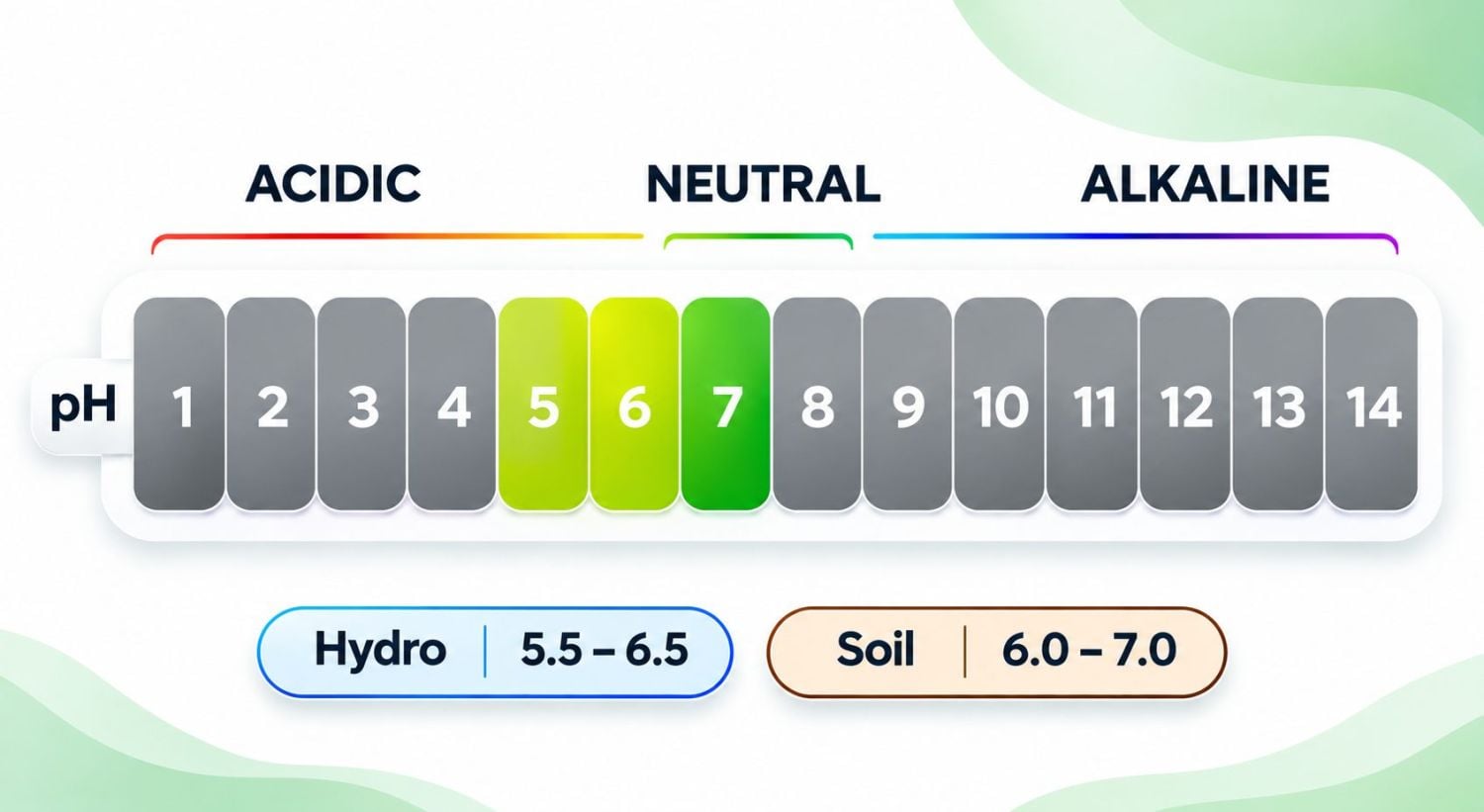
A pH level lower than 7 means the water is acidic. On the other side, a pH higher than 7 means the water is alkaline.
Water pH will vary greatly from region to region, so try to always measure pH levels when moving to a new city or house. This way, you ensure the water is good not only for consumption but also for watering your plants.
One important thing to remember is that, while water hardness and pH are often related, pH measures how acidic or alkaline water is, whereas hardness refers mainly to the amount of dissolved calcium and magnesium. Water can have a relatively neutral pH and still contain high concentrations of minerals. For this reason, measuring electrical conductivity (EC) alongside pH can give growers a better understanding of their water quality before adding nutrients.
2. How Do pH Levels Affect Us?
Consuming excessively acidic or alkaline water is harmful to humans. Even though natural water has a pH of 7, the accepted range is between 6.5 and 8.5. Within the acceptable range, a slightly high or low pH can be unpleasant for several reasons. Water with a high pH level (alkaline or “hard”) has a slippery feel, tastes salty, and may contribute to a mineral buildup leading to kidney stones.
A low pH level (acidic or “soft”) can have a bitter or metallic taste. It doesn’t present harm to humans unless it has a high concentration of lead, for example. A high concentration of toxic metals can cause poisoning.
However, pH alone cannot tell you whether water is safe to drink. Water with an acceptable pH can still contain unwanted contaminants, including bacteria, heavy metals, and other dissolved substances.
3. How Does pH Affect Cannabis?
The pH level is very important to plant nutrition because it affects nutrient intake. Just like humans, cannabis has a range considered acceptable. The issue with cannabis plants is that they are only able to take up nutrients within a small pH range, between 6-7 in soil and 5.5-6.5 in soilless and hydroponics. These values need to be correct in order for our autoflower to absorb nutrients correctly.
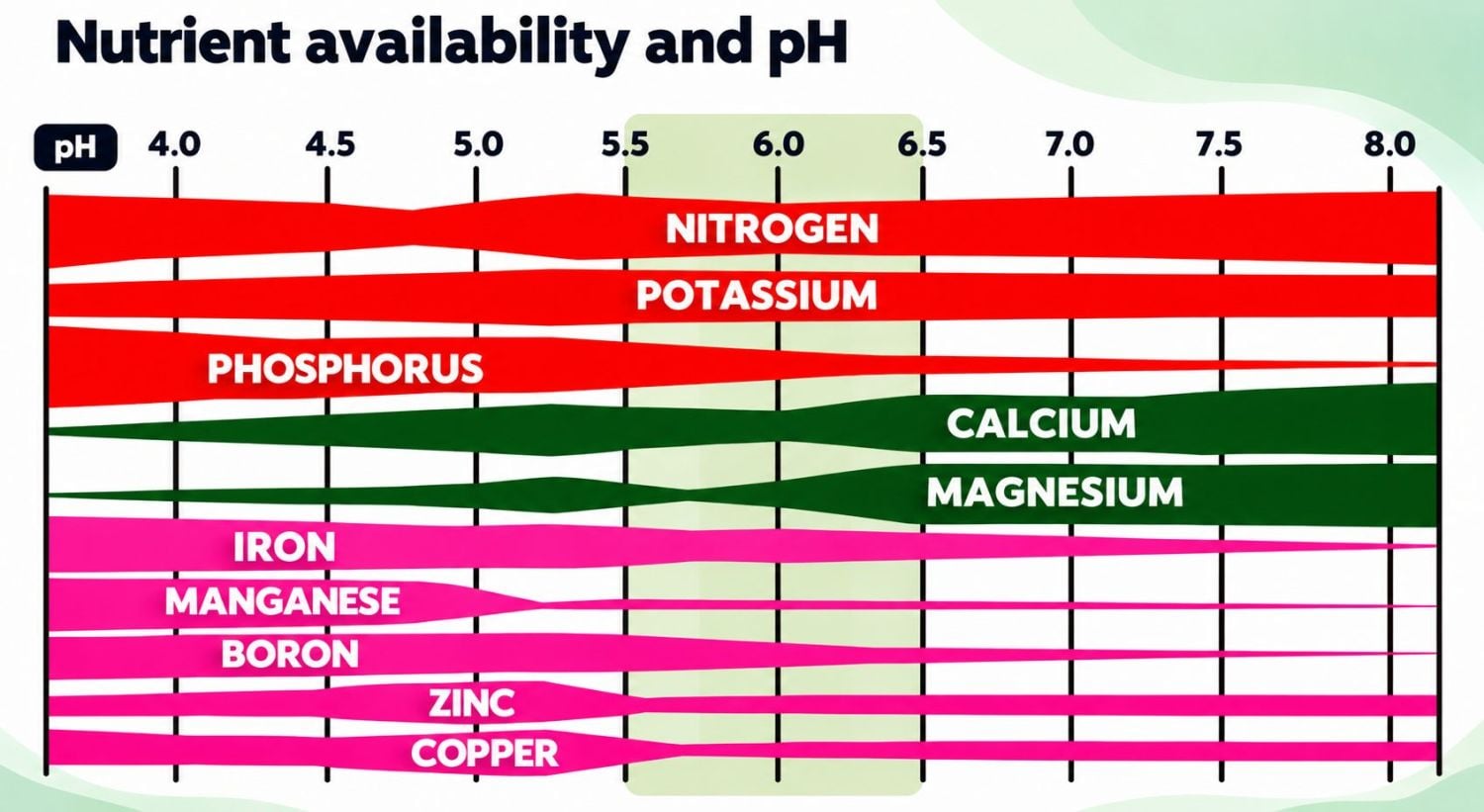
If pH levels are higher or lower then the plant cannot take in nutrients (even if they’re present in the medium) and will start to show signs of nutrient deficiencies. As you know, all plants require nutrients for healthy growth. They require macro, micronutrients, and minerals, and if plants cannot access these nutrients, it will lead to deficiencies and other health problems. If you grow organically, pH is not an issue. The microorganisms within will adjust pH and make nutrients more available to the roots. However, growers using inorganic liquid nutrients will have to adjust pH every time they feed.
It’s very important to keep in mind that organic growing systems are not completely immune to pH problems. Although beneficial microorganisms and organic matter can help buffer changes in soil pH, their ability to do so depends on the composition and condition of the growing medium. Extremely acidic or alkaline conditions can still affect microbial activity and nutrient availability, even in a well-established organic system.
4. pH Control for Cannabis Cultivation
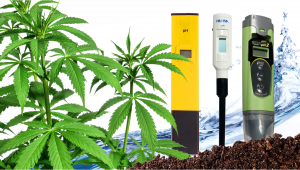
Ok, so we have briefly covered what pH actually is, and why it is an important factor to control in all types of cannabis cultivation. But how do we actually go about measuring and controlling pH levels? Well, before we dive headfirst into that subject, let’s discuss the two different types of measurements that need to be taken. It is important not just to measure the nutrient solution (or feed water) before you water the plants, but also the runoff. With these two readings, you can go a long way in working out exactly what is happening at the root zone, and if there may be any nutrient issues arising. There are 2 main ways to measure pH - with a chemical drop solution, or with a digital pH meter. We ALWAYS suggest investing in a digital meter. They are relatively inexpensive, easy to source, and give highly accurate results almost instantly. The drops are fine for checking your pool water, but to get the very best results from your crop, you need to be pretty strict on the pH levels.
A digital meter will just make the job so much easier. Once you have calibrated your pH meter (this only needs to be done when you buy the meter, and maybe once every six months or so after), it's as simple as dipping the probe end into the water that is being tested and waiting a couple of seconds to let the meter grab an accurate reading.
In recent years, digital pH meters have become even more accessible, with many models now offering automatic temperature compensation, waterproof designs, and replaceable probes. Some advanced monitoring systems can even track pH continuously, allowing growers to spot fluctuations without having to take individual measurements throughout the day. While these features can be useful, a reliable handheld meter is still more than enough for most home growers.
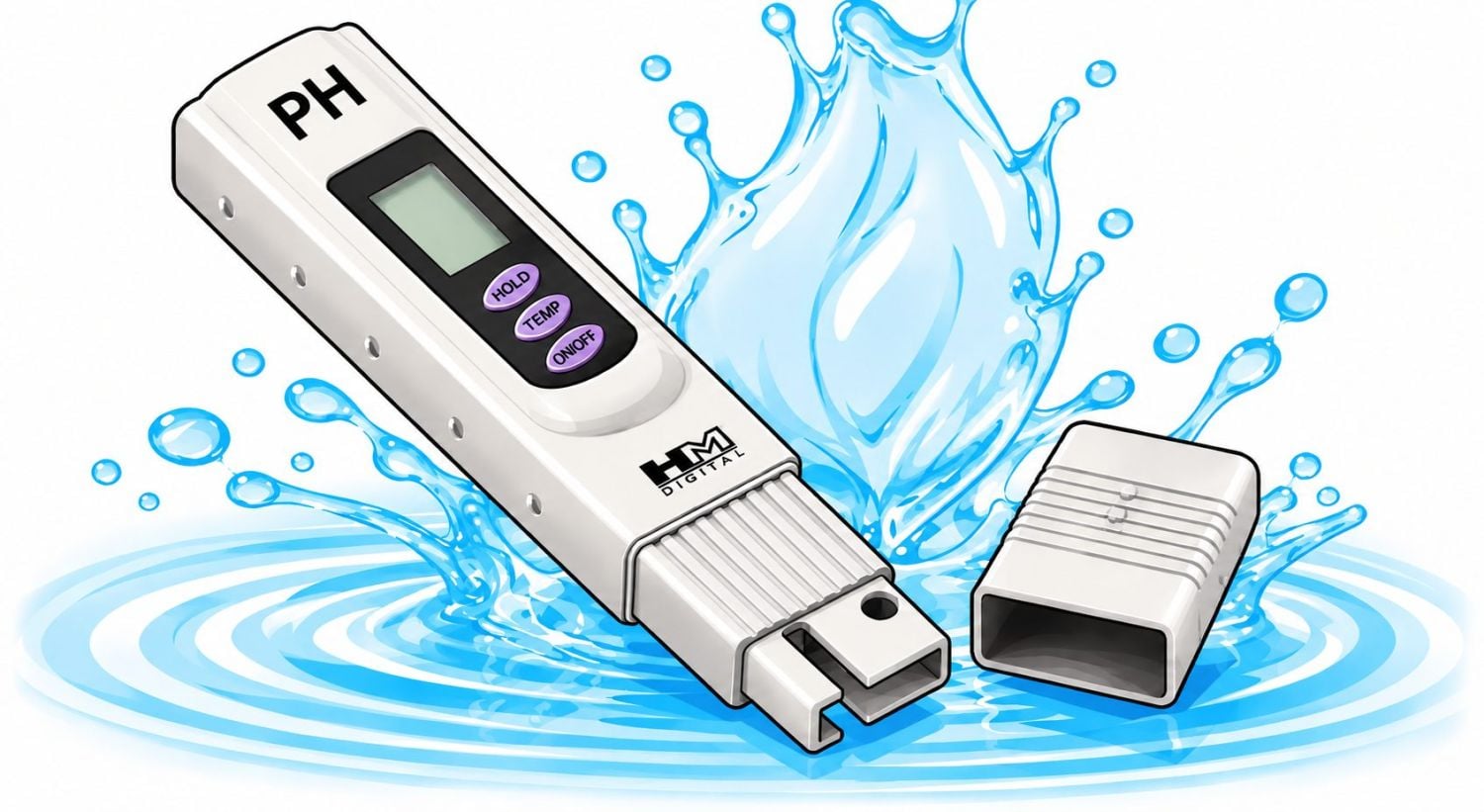
Another thing to keep in mind is that digital pH meters need regular maintenance to remain accurate. Most manufacturers recommend checking calibration frequently, especially when the meter is used every day. Using fresh calibration solutions, rinsing the probe between measurements, and storing it in the appropriate storage solution will help prevent inaccurate readings.
Ok, so you have your pH meter in hand, and you are ready to get testing. What’s next? The first thing to do is to mix up your nutrient solution. You can take a pH reading before if you like, but the nutrients you add will have an effect on the pH, so really there is not much use in doing this. Once you have the solution ready and properly dosed with the required nutrients, it's time to dip the meter in and take a reading. You may be lucky and have a mix that sits in the perfect range. But what if the solution is too alkaline or too acidic?
The fix for this could not be easier. Every single hydroponics supply shop will have multiple brands of pH up and pH down solutions that can be added to help you balance the levels to perfection. These are powerful substances, so a little goes a very long way. Just a few drops of either can have a pretty drastic effect, but luckily they have been designed to have zero impact on the growth of your crop. It may take a little trial and error to work out exactly how much you should add, but after a short period, you will get used to the process. Once you have the feed water at the desired levels, it's time to feed. The next reading you should take is from the runoff. This reading will give you a clear indication of the processes happening inside the root zone. What you want to see is a similar reading to the feed water. If there is a big swing either up or down, it is a clear sign that your growing medium is wrongly pH’d. This can be remedied by flushing the system out and starting again.
If you are not a fan of synthetic fertilizers or additives, there are some organic options for raising or lowering the pH levels of your medium and feed. Worm castings, wood shavings, pine needles, and compost teas are all effective in lowering the pH, but they take time to come into effect. If you want to raise the pH levels, you can add limestone powder or wood ash.
There are several different ways to influence and maintain pH when growing cannabis. The easiest and most popular is through the use of bottled pH adjusters. Used in conjunction with a pH metre, you can use these products when needed to lower or raise the pH of your soil. Products that work to raise pH commonly include sodium hydroxide or potassium hydroxide. These ions help to buffer against the acidity of a solution and, in doing so, boost the pH. In contrast, those products that help to reduce pH commonly use phosphoric acid or sulfuric acid. These lower pH into an acidic range. You need to make sure you administer these products accurately, and in accordance with their user instructions, to avoid the pH of your growing medium from spiraling out of control.
Many natural and organic growers don’t like the idea of using bottled products to tweak the conditions of their soil. If you’re one of these growers, then you’ll be happy to know that there are a variety of ways to adjust the pH without them. Wood ash, dolomitic lime, and compost high in comfrey and nettle can all help to raise pH. Sulphur, peat moss, coffee grounds, and compost high in pine needles can all help to bring pH down. However, these options don’t work immediately. It takes some time for microbes in the soil to break down these substances and create a change in soil pH.
5. In Conclusion
If you want to grow perfectly healthy plants, you should invest in a pH meter. This way you can adjust the pH of the solution you’re feeding your plants. We recommend measuring the pH level of the solution going in and then measuring the runoff going out. This way, you can also check the pH level of the medium your plant is growing in. Sometimes the pH level of the solution is not the same as the medium, and this can definitely cause health problems for your autoflowers in the future.
FAQ
The ideal pH depends on the growing medium you're using. Cannabis grown in soil generally does well with a pH between 6.0 and 7.0, while hydroponic and soilless systems usually work best between 5.5 and 6.5. These ranges help keep essential nutrients available to the roots.
Yes, cannabis plants can sometimes survive outside their preferred pH range, but that doesn't mean they'll be happy about it. Minor fluctuations are usually manageable, especially in well-buffered soil. However, prolonged exposure to unsuitable pH levels can greatly affect nutrient availability and plant health.
Some common warning signs include yellowing leaves, brown spots, slow growth, and symptoms that resemble nutrient deficiencies. However, these symptoms can also be caused by overwatering, environmental stress, or other issues. That's why measuring pH is important instead of assuming every unhealthy-looking leaf means you need more nutrients.
Nutrient lockout happens when nutrients are present in the growing medium but aren't available to the plant in sufficient amounts. Incorrect pH is one possible cause, although excessive feeding and root problems can also contribute. It's frustrating because adding more fertilizer won't necessarily solve the issue and can sometimes make things worse.
pH matters in both, but hydroponic systems generally require closer monitoring. Soil contains organic matter and minerals that can help buffer pH changes, while hydroponic nutrient solutions don’t. This means the roots of hydroponically grown plants are directly exposed to the nutrient solution and can experience changes in nutrient availability sooner.
There are several ways to measure pH, including digital meters, chemical testing kits, and laboratory soil tests. Digital meters are popular because they're quick and convenient, but it's important to use a method designed for the material you're testing. Measuring a liquid nutrient solution isn't quite the same as measuring the pH of soil or coco coir.
Some inexpensive digital pH meters can provide perfectly useful readings, but accuracy depends on the quality of the probe, calibration, and maintenance. A cheap meter that's properly calibrated may be more reliable than an expensive one that's poorly maintained. Whatever model you choose, following the manufacturer's instructions is essential.
Yes. Adding fertilizers and other substances can change the pH of water because they contain compounds that influence acidity and alkalinity. That's why the pH of plain water doesn't necessarily match the pH of a prepared nutrient solution. The final reading is what matters when evaluating a solution.
pH drift is when the pH of a solution changes over time. It can happen because of temperature changes, dissolved carbon dioxide, microbial activity, or chemical reactions. Small fluctuations aren't always a problem, but large or repeated changes can indicate that the solution or growing environment needs attention.
Yes, certain natural materials can influence soil pH. Agricultural lime is commonly used to raise pH, while elemental sulfur can help lower it. However, not every popular home remedy works reliably. Coffee grounds and pine needles, for example, don't necessarily make soil significantly more acidic. Natural amendments also tend to work more slowly than liquid pH adjusters.
Comments