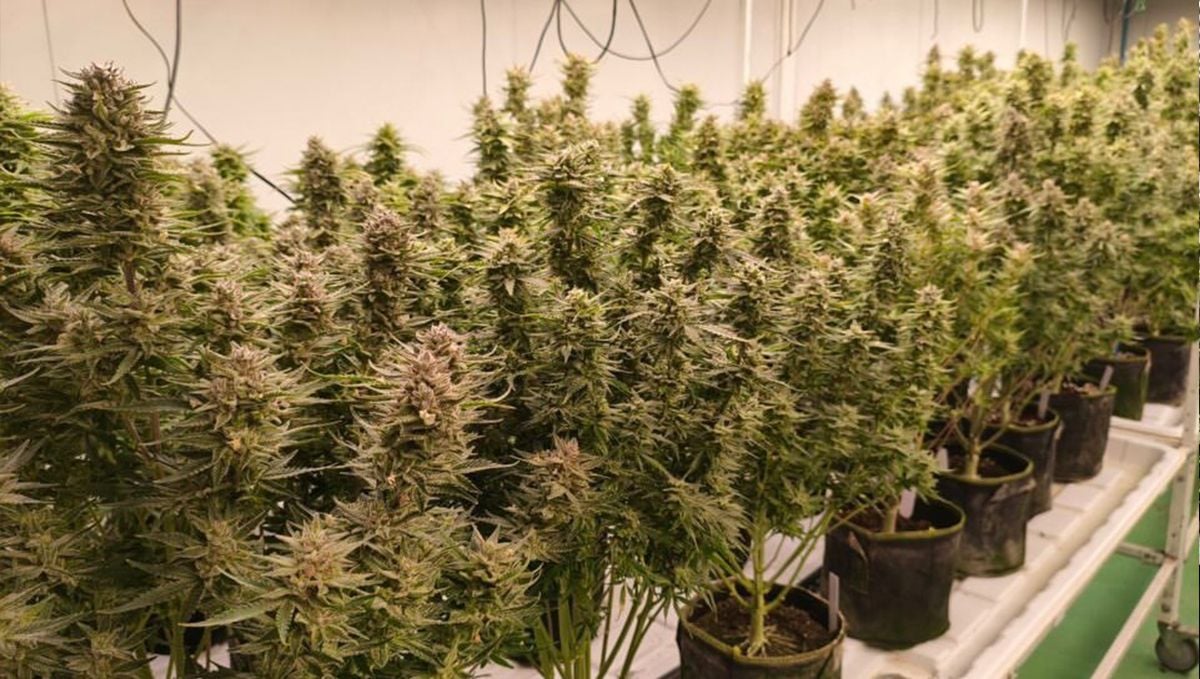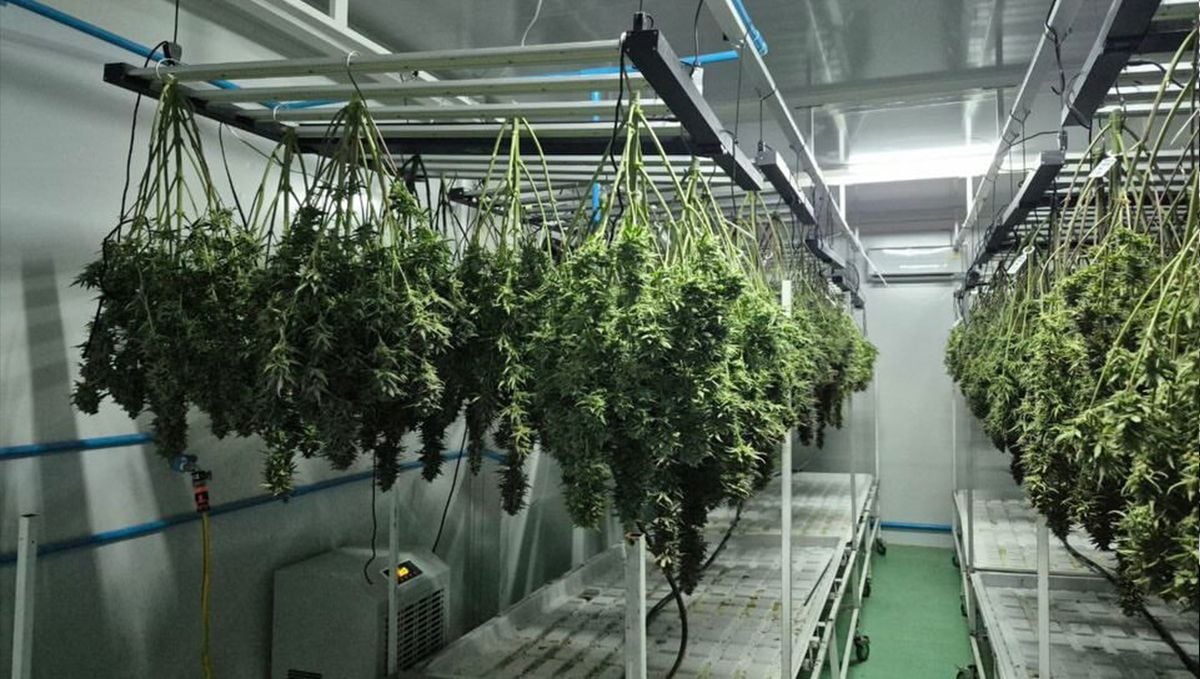

Inside Fast Buds: Our Breeding Facilities
Genetic development does not begin with a finished product. It begins with variability, population size, selection pressure, and the willingness to discard work. The end result, a stabilized line, is only a small and often misleading part of the process. For this reason, we have introduced a new section on our website called Breeding.
This section exists to document our breeding work as a process, not as a marketing exercise. It is intended to show how genetic selection is carried out in practice, especially when working with autoflowers at scale.
In much of the industry, breeding remains abstract. The customer sees the result, but rarely the path that led there. What is often missing is context: how many plants were evaluated, how many cycles were run, how many projects were stopped, and why certain decisions were made. Without that context, it becomes difficult to distinguish between experimentation, storytelling, and structured selection.

Autoflower breeding, in particular, requires population-based evaluation. Stability, repeatability, and stress tolerance cannot be assessed reliably through a handful of plants. These traits only become visible when working with significant numbers, applying consistent selection criteria, and observing how individuals respond across multiple environments and cycles. This inevitably means discarding large portions of the work and, in some cases, entire projects.
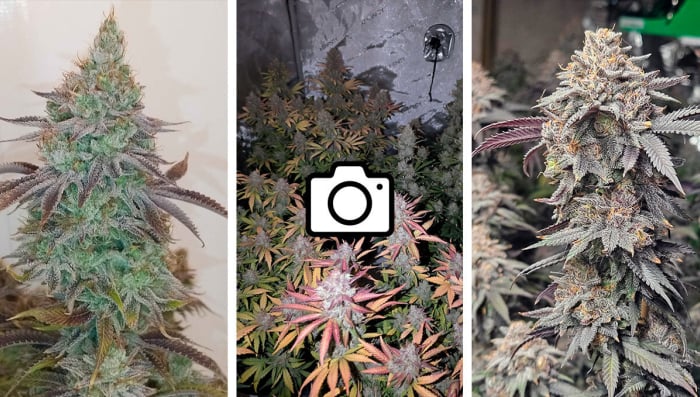
The Breeding section is designed to reflect that reality. Here we document phenohunting runs, stress tests, selection and discard decisions, plant management practices, post-harvest evaluations, and analytical testing.

Not as isolated highlights, but as part of an ongoing workflow. The goal is not to showcase success, but to show how conclusions are drawn, including when the conclusion is that a genetic line should not move forward.
In recent years, the market has seen a growing emphasis on narratives. Carefully constructed stories, personal branding, and constant positioning have, in some cases, replaced transparent methodology. A few podcasts and a compelling story about passion and craftsmanship can be persuasive, but they do not substitute for population data, repeated trials, or measurable outcomes.
We fully understand and respect small-scale projects. That is how many breeding efforts begin, including our own. However, there is a fundamental difference between early experimentation and long-term selection at scale. The Breeding section reflects where our work stands today, not where it started.
Rather than engaging in public debates or defining ourselves in opposition to others, we have chosen to document our work directly. Through video, photography, audio, and written records, this section presents evidence of what large-scale autoflower breeding actually involves. It shows the time, the repetition, the failures, and the discipline required to move from variability to consistency.

It will not be a static archive. The Breeding section will be updated regularly as projects evolve. New runs, intermediate observations, post-harvest results, and discarded lines will all be part of this record. The intention is not to simplify breeding or make it look accessible, but to show it accurately.
Breeding is not defined by claims or positioning. It is defined by process, scale, and the ability to make difficult decisions repeatedly over time.
The Breeding section exists to make that process visible.
Comments