




Organic Teas For Cannabis: How To Make And Use Compost Teas


- 1. What is a compost tea?
- 2. The benefits of organic teas
- 3. Compost tea ingredients
- 3. a. Compost
- 3. b. Food and nutrients
- 3. c. Oxygen
- 4. What are anaerobic microbes and why are they bad for your plants
- 5. Simple compost tea recipe for weed
- 5. a. Diy compost tea
- 6. Bacterial vs fungal teas
- 7. How to make organic compost teas step-by-step
- 8. How to apply compost tea
- 9. Can i use compost teas in combination with synthetic nutrients?
- 10. Sprouted seed tea (sst)
- 10. a. How does sprouted seed tea work?
- 10. b. What seeds work best for sprouted seed tea?
- 10. c. How to make sst (sprouted seed tea)?
- 11. In conclusion
Organic teas are used when growing organically, and they’re a cheap and effective way to feed your cannabis plants without having to buy fertilizers. Teas can be made with good compost. They contain nutrients and beneficial microorganisms that enhance plant growth and protect your plant against diseases. Looking to brew your own teas? Read our 2026 guide.
1. What Is A Compost Tea?
A cannabis compost tea is what you get when you soak compost in water. The nutrients in the compost eventually end up in the water, and the result is something similar to an organic liquid fertilizer, but this fertilizer is full of microorganisms and nutrients that are beneficial for cannabis.
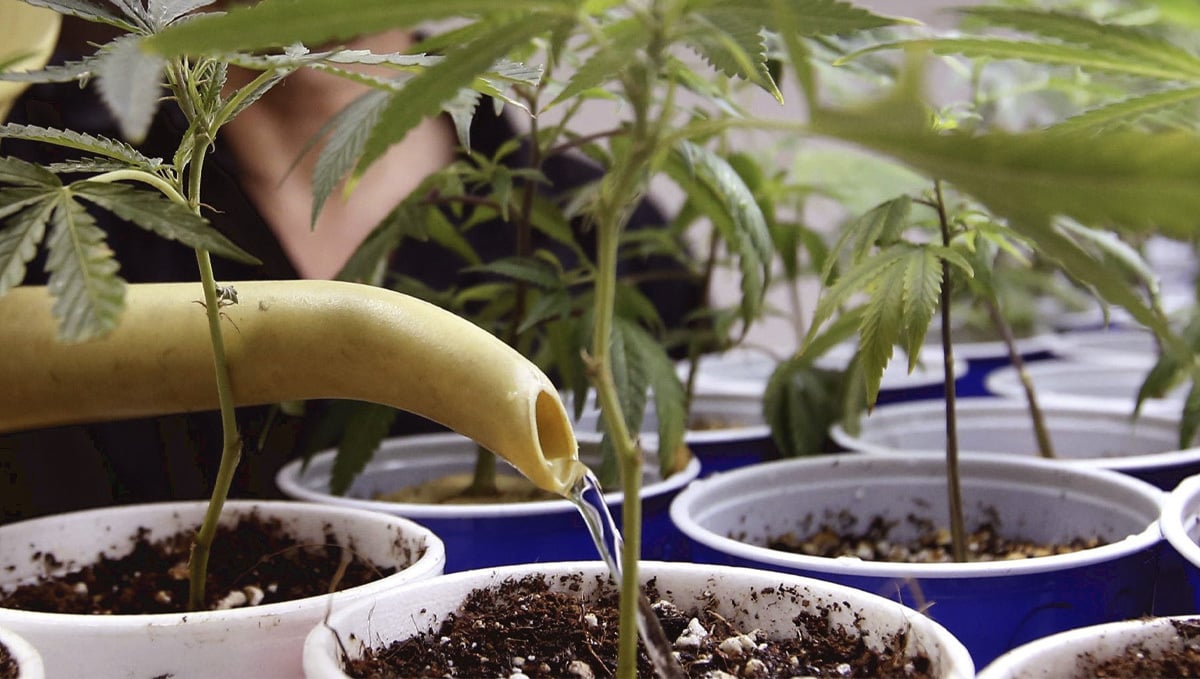
This happens because compost is full of beneficial microorganisms and nutrients, and when you soak it in water, you’re basically extracting them into the water. The goal is to enhance plant growth and protect it from diseases by providing those nutrients, beneficial bacteria, and fungi to your cannabis, either through foliar feeding or through the soil
Organic compost teas are relatively new in the cannabis world, but despite their lack of popularity, they’re a great way to enhance plant growth when growing organically. Just have in mind that compost teas should never be a replacement for all the nutrients your cannabis needs, but can be a great complement when growing organically.
Although the terms compost tea and compost extract are often used interchangeably, there is actually a difference between the two. A compost extract is essentially a liquid containing microorganisms and soluble compounds extracted from compost, whereas a compost tea involves a brewing process during which the microbial population and composition can change.

2. The Benefits Of Organic Teas
As said above, teas shouldn’t be used as an alternative to nutrients but they can be used to boost microorganism life in your organic soil and feed your plant when the soil is running out of nutrients, by doing this, you are feeding nutrients directly to your plant and taking care of the microorganisms present in the soil, which are the being responsible for breaking down and making the nutrients available for your cannabis.
Enhance growth
Compost teas boost microbial life in the soil and increase nutrient absorption, so it will not only enhance root growth but will keep your plants well-fed and keep your medium nutrient-rich. Microbes will do all the heavy lifting for you, rather than your plant trying to break down the nutrition microbes will break it down for your plants allowing the nutrition to become bioavailable much more effectively and use the nutrition when the plant needs it rather than all at once.
One of the most interesting aspects of soil microbiology is that plants aren't simply passive participants in this relationship. Plant roots release a range of organic compounds, known as root exudates, which include sugars, amino acids, and organic acids. These compounds influence the microbial communities surrounding the roots, meaning that plants themselves play a role in shaping their very own soil microbiome.
Non-toxic
Unlike synthetic fertilizers, compost teas are 100% organic because you’re only using natural sources, so your tea is chemical- and pesticide-free.
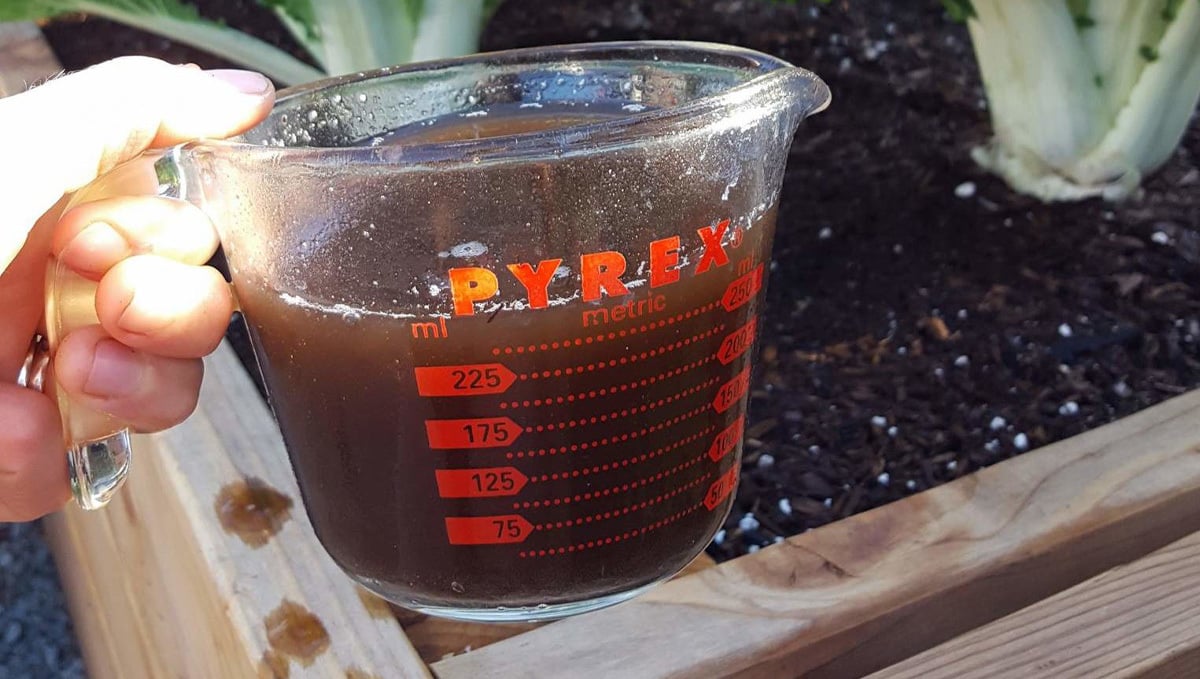
Improve soil
When done correctly, your compost tea should be well-aerated so that when you use it to water the soil, it will aerate it and improve water retention, providing a healthier medium for the roots to grow in.
Protection against diseases
Beneficial microorganisms can boost your plant’s immune system and increase resistance against most diseases. Also, these microorganisms can create a barrier that will help fight off harmful bacteria.
This can happen through a number of different mechanisms. Some microorganisms compete with pathogens for food and space, others produce antimicrobial compounds, and some can trigger a phenomenon known as induced systemic resistance (ISR). This is essentially a process through which certain microorganisms prime a plant's natural defense mechanisms. That being said, not all microorganisms have these abilities, and compost teas shouldn't be considered a guaranteed cure for plant diseases.
Cheap and effective
The majority of the materials needed for compost can be found easily, and sometimes you might already have them at home, making this a really cheap and effective way to improve your organic grow.
3. Compost Tea Ingredients
Brewing your own compost teas can be quite confusing because of all of the options available. You can use whatever you want as long as you provide 3 basic elements:
- Worm castings
- Food and nutrients
- Oxygen
Compost
The base of all compost teas is good quality, healthy compost and should have a large microorganism population and lots of nutrients. Having good compost can take a lot of time, so if you are looking to make your teas and don’t have compost available, you can buy good quality compost at your local grow shop. If you have the option, you should try to avoid compost made with animal manure because all manure contains traces of E. coli. The brewing process should kill that pathogen, but it's better to be safe than sorry.
Something else worth understanding is that no two batches of compost are necessarily the same. The materials used to make the compost, its age, its degree of decomposition, and the conditions under which it was produced all influence its microbial composition. This is one of the reasons why compost teas can produce such different results, even when the products appear quite similar.
Food and nutrients
Food and nutrients are where you’ll be introducing the nutrients your cannabis needs and the food for the microorganisms. You don’t need to add any extras if your compost is good enough, but if you want to take your tea to the next level or you think your compost is not good enough, you can add any of the following ingredients. Just have in mind that you can substitute any of them with what suits you better.
Molasses (non-sulfured)
Molasses serves as a food source for the microorganisms while you’re growing the tea.
Seaweed or kelp
Seaweed or kelp serves as a food source for fungi that grow while the tea is brewing. It also serves to provide a surface for the fungi to attach to and develop.
Worm castings
Worm castings are the product obtained after a worm digests organic material. This product provides a lot of broken-down nutrients that are in a form that is readily available for your plant to consume and can also introduce microorganisms. Worm castings work very similarly to using compost containing a consortium of beneficial microbes. The main difference is the texture and contents of the castings. While compost is an excellent source of microbes, it can be very heavy and make the soil thick, which can lead to overwatering. The amazing part about worm castings is that it contains more humus than compost and also castings are part of the media while still holding plenty of moisture.
Worm castings are particularly interesting from a soil science perspective because they contain a range of organic compounds, including humic substances. These substances are formed during the decomposition of organic matter and are associated with several important soil properties, including nutrient retention, soil aggregation, and the ability of the soil to retain moisture.
Bat guano or meals
Depending on if you're brewing teas for growing or blooming cannabis, you will have to provide a certain type of guano or meal. Some guanos/meals are nitrogen-rich, and others are rich in phosphorus and potassium, so you should choose carefully based on what you need to provide. Both of these ingredients can boost your plant's immune system and also feed fungi, thus increasing its population.
Oxygen
Oxygen is vital when brewing organic teas because it allows microorganisms to thrive, and it can be tricky to get right because microorganisms need more oxygen than what's available in water, so you’ll have to get a good air pump and an air stone.

4. What Are Anaerobic Microbes and Why Are They Bad For Your Plants
The reason oxygen is so important when brewing compost tea is for the microbial population. If you are brewing a tea for twenty-four hours or so without any air stone, the microbes will become anaerobic. Anaerobic microbes are microbes that are born without any access to oxygen. When microbes become anaerobic, you will notice a terrible smell almost similar to ammonia or rotten eggs. If you smell this in your tea, spill it out IMMEDIATELY and start fresh!
Anaerobic microbes will be 90 percent slower than regular aerobic microbes and also have the potential to completely lock out the nitrogen from your plant, which is a huge issue when in the vegetative stage. If this isn't scary enough for you, anaerobic microbes are also potentially toxic to your plant, so larger applications can seriously damage or kill your plant. This microbe population you want inside the compost tea will be called aerobic microbes. As long as you have constant oxygen when brewing, you will succeed in your tea and have beneficial results.
It's worth mentioning that anaerobic microorganisms aren't inherently bad. In fact, they play an extremely important role in the decomposition of organic matter and the cycling of nutrients in nature. There are also microorganisms known as facultative anaerobes, which are capable of surviving both in the presence and absence of oxygen. So, as is often the case when it comes to soil microbiology, things aren't quite as black and white as they may initially seem.
5. Simple Compost Tea Recipe For Weed
Here’s our recommended compost tea recipe, one for the vegetative stage and one for the flowering stage. As said above, you can use whatever you want as long as you provide what your cannabis plants need.
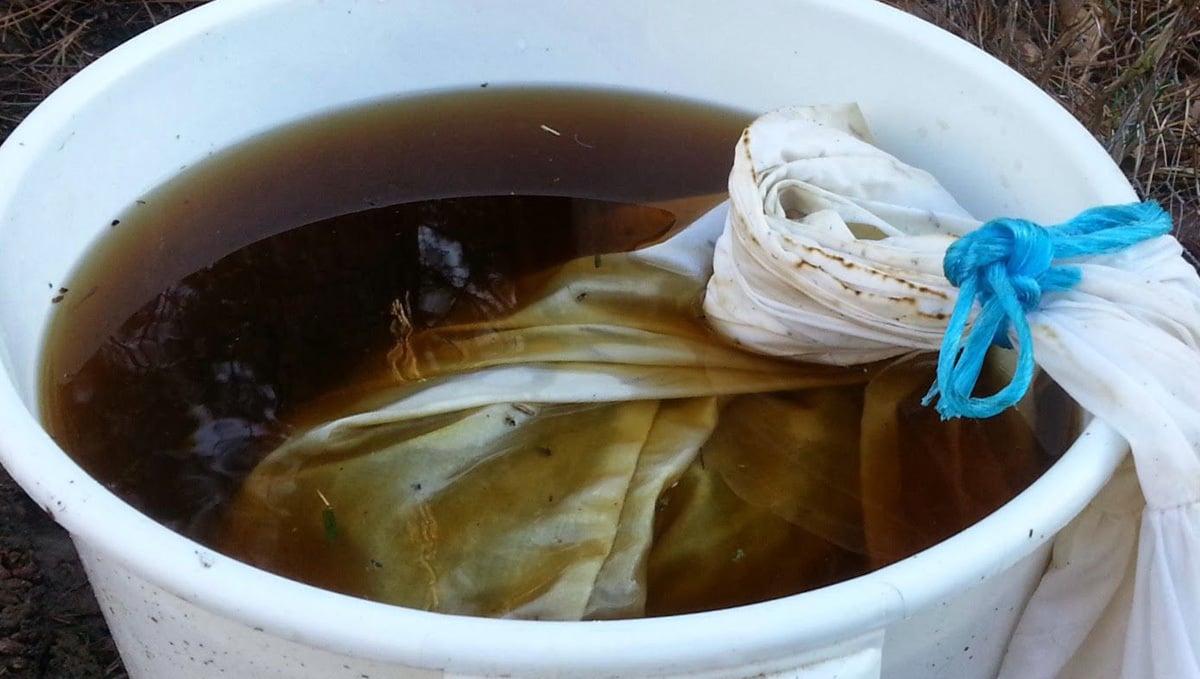
Just remember that teas are used to boost your soil, so you should be growing in amended organic soil or feeding your cannabis with organic nutrients because the teas are not a substitute for nutrients. Also, make sure the water is at the right temperature (between 10-25°C) and that the water’s pH is between 6.0-7.0.
Diy compost tea
Here’s a table to help you make a good compost tea for your cannabis in the vegetative stage. The compost teas for cannabis growing and cannabis flowering are basically the same, but you will have to change the minerals you’re introducing. So, if you have a good compost available, you won’t have to add anything else, but if you don’t have it and can’t find it anywhere, you can use any type of nitrogen-rich guano or meal. This way, you provide nitrogen, which is the mineral cannabis plants need to grow.
| Compost tea recipe for cannabis in veg (20L) | |
|---|---|
| Ingredients | Quantity |
| Compost or guano or meal (high in nitrogen) | 2 cups |
| Worm castings | 1 cup |
| Powdered or liquid kelp/seaweed | 1 tbsp |
| Molasses | 120g |
Have in mind that this recipe was designed for when growing cannabis seeds in organically amended soil, this is a basic recipe and you can improve it however you want to suit your plant’s needs. There’s no specific brand or type of guano or meal you should use. As long as it has a high concentration of nitrogen and a lower concentration of phosphorus and potassium, it will work.
| Compost tea recipe for cannabis in bloom (20L) | |
|---|---|
| Ingredients | Quantity |
| Compost or guano or meal (high in phosphorus and potassium) | 2 cups |
| Worm castings | 1 cup |
| Powdered or liquid kelp/seaweed | 1 tbsp |
| Molasses | 120g |
As you can see, both tables are similar. The only thing that differs is the minerals you’ll introduce. As you may know, flowering cannabis needs more phosphorus and potassium, so when brewing a tea for blooming cannabis, you need to introduce Phosphorus and Potassium-rich guano or meal.
Have in mind that although they're quite similar, compost teas are not the same as Compost extracts. Extracts do not need brewing!
Also, you can add mycorrhizae to your tea. This way, you also provide beneficial fungi to the roots, improving root growth even more.
6. Bacterial vs Fungal Teas
When brewing a compost tea, you have two decisions when it comes to the kind of tea you want. Those options are bacterial or fungal. There is one that is better for the cannabis garden, and that is a bacterial tea. While all plants require fungi and bacteria to thrive, most plants require different proportions, and not every plant can be treated the same.
That’s why the diversity of microbial communities is just as important as their abundance.

7. How To Make Organic Compost Teas Step-By-Step
Once you have everything you need, it’s super easy to brew teas, so here are 5 simple steps to guide you and keep your cannabis healthy and happy! You’ll need:
- Bucket
- Airstone
- Air pump
- Mesh bag
Step 1
First of all, in most cities, the water contains chlorine, and it can kill the microorganisms, so depending on your water source, you should leave the water under direct sunlight or leave it oxygenating for 48 hours before brewing your tea.
Something that often gets overlooked when discussing tap water is the difference between chlorine and chloramine. While both are commonly used to disinfect drinking water, chloramine is considerably more stable and doesn't dissipate as readily as free chlorine. The two are chemically different, which is why the methods used to remove chlorine from tap water don’t necessarily apply to chloramine.
Step 2
Before brewing your tea, you need to figure out when you’ll be using it. Teas take 24- 36 hours to brew. You don’t want to brew your tea for too long because as the microorganisms develop, they may run out of oxygen or space and will begin to die.
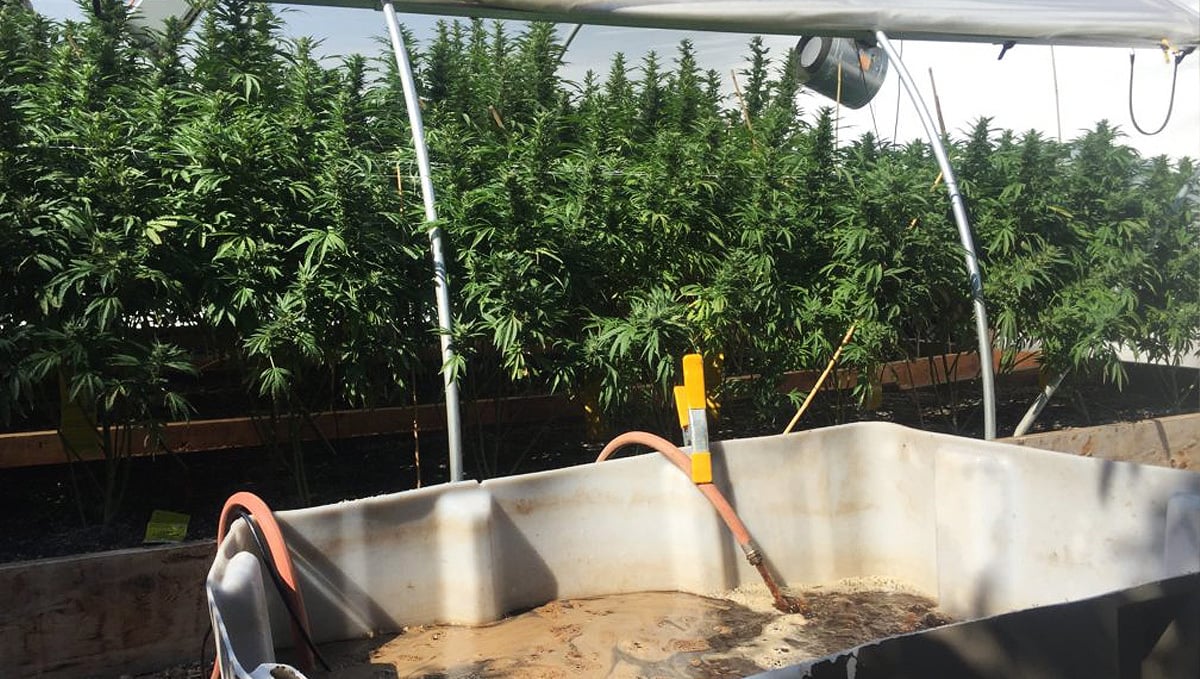
Only start the process if you will be using it within the next 36 hours after brewing it. So, for example, if you’re using it as a foliar spray, time your tea brewing so you can apply it when the lights are off, or your cannabis plants are not getting direct sunlight.
Step 3
After dechlorinating the water, you need to check and adjust the pH, which should be between 6.0-7.0 (it should be the same as your soil), and you need to calculate how much tea you’ll need. Based on that, you’ll know the size of the bucket you need.
Once you have your bucket, you need to have the air pump connected to the air stone. The air pump and the air stone will oxygenate the tea so the microorganisms can breathe. Also, you’ll need a 400-micron mesh bag to place the ingredients in, but it’s not necessary. You can substitute it with a clean pair of pantyhose.

Step 4
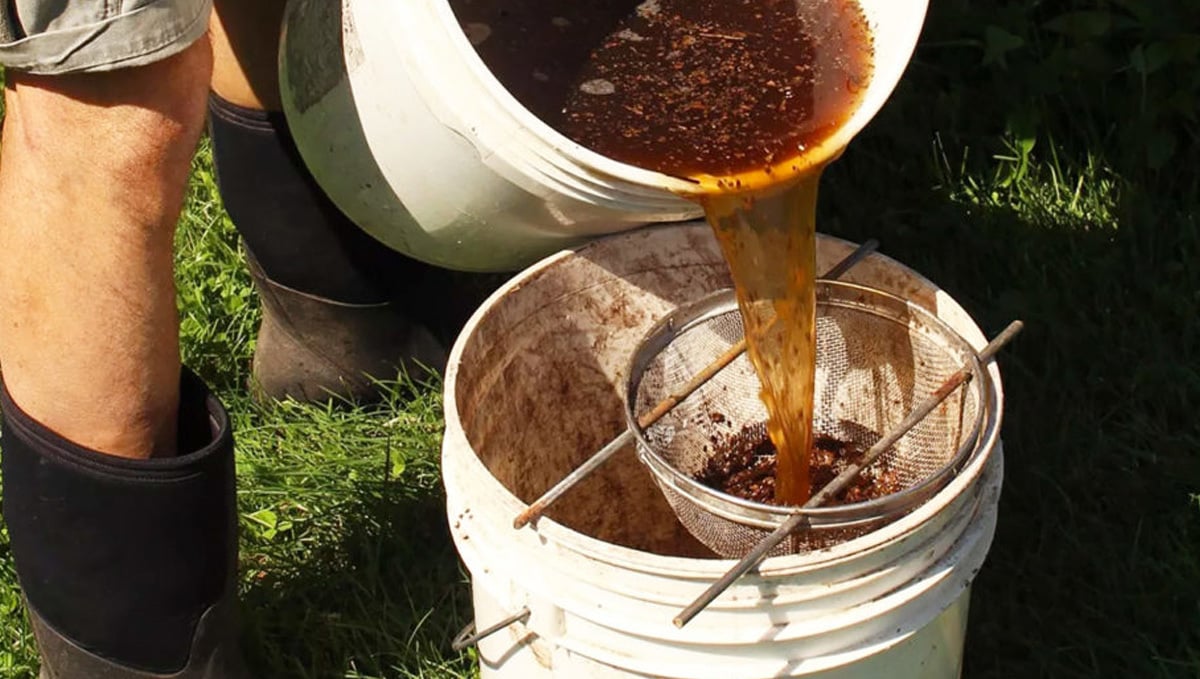
Now that you have everything ready, you can fill your bucket with water, then dilute the molasses straight into the water, place the ingredients in the mesh bag, put the airstones in the water, and start brewing. Now, to know exactly how long it takes, you need to know the temperature of the water you’re using, so here’s a table to help you.
| Water temperature | Brewing time |
|---|---|
| 10°C | 72 hs |
| 15°C | 48hs |
| 20°C | 24hs |
| 25°C | 24hs |
Also, have in mind that you should remove the mesh bag after 23 h of brewing, so if your water is at 10°C, you should remove the mesh bag after the first 24 h and continue brewing for the remaining 48 h. After you’ve finished brewing, your tea is ready to use, so read along to know exactly how to use it.
8. How To Apply Compost Tea
So, organic teas can be used at full strength or diluted to a 1:20 ratio. This means the minimum amount you should use is 100ml per 2L of water. You can apply the tea to the roots (by watering) or as a foliar spray, so depending on how you’re going to use it, you should dilute; Just have in mind that you don’t have to dilute it and organic teas won’t cause nutrient burn but by diluting it you avoid wasting precious tea.
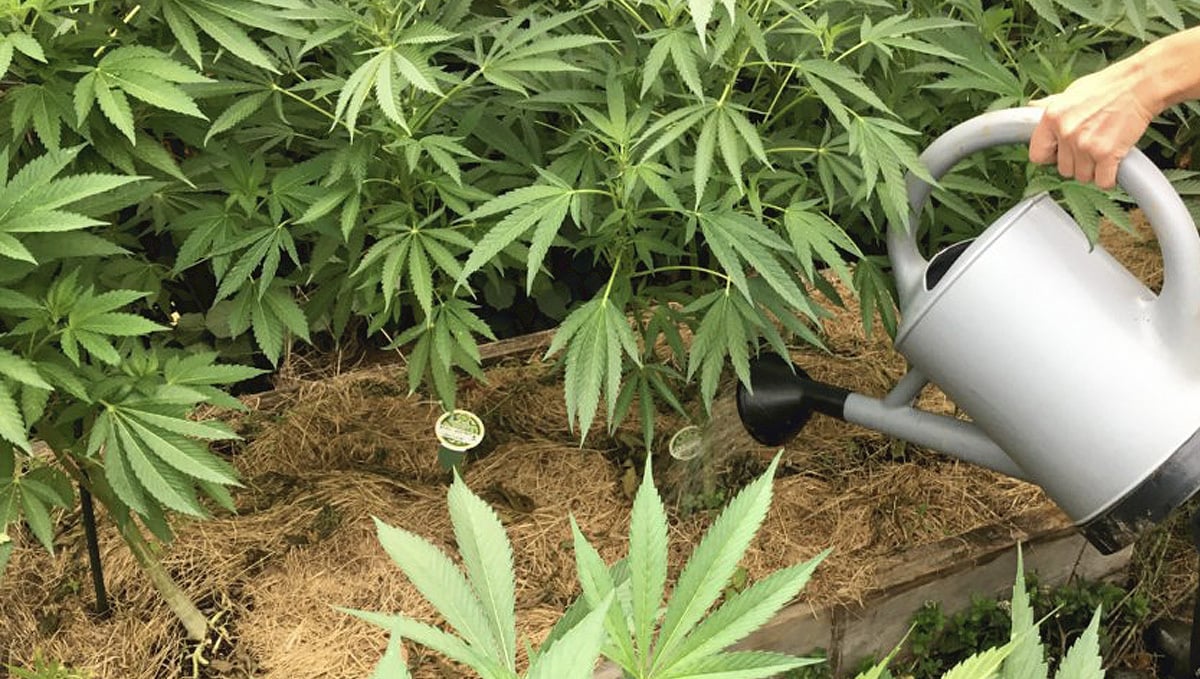
There's no such thing as a compost tea feeding schedule, but luckily, organic teas won't overfeed your cannabis plants, so you can use them anytime you think your plants are hungry or when you want to boost microbial life in the soil. Don't throw away the compost and nutrition that you brewed the tea with. You can take the compost out of the teabag, top-dress your plants with it, so you don't have to waste anything.
9. Can I Use Compost Teas in Combination With Synthetic Nutrients?
There's a common misconception that synthetic fertilizers automatically kill all the microorganisms present in the soil. In reality, the relationship between mineral fertilizers and soil microbiology is considerably more complicated. Factors such as soil acidity, salt concentration, organic matter content, and the chemical composition of the fertilizer can all influence microbial communities. The use of synthetic and organic fertilizers is called growing synergistically.
Microbes could potentially help synthetic growers more than organic growers because the microbes inside a compost tea will act as a pH buffer. Having a large and consistent microbial population will allow you to feed your plants with a much wider pH range. There have been many growers who don't even need a pH pen anymore after starting the application of compost teas. As long as your watering pH is from 5.8-7.5, the microbes will have no issue with that, and they will continue to absorb nutrients.
10. Sprouted Seed Tea (SST)
Another form of organic tea that is perfect for cannabis cultivation is Sprouted Seed Tea (SST). In the previous decade or so, we have seen it gain huge popularity in the organic growing scene for its simple and fast preparation, and how amazingly effective it is.
Sprouted seeds have been used for millennia by ancient cultures as a dietary supplement that offers a wide range of health benefits, but it's really only in the last half a century that the Western world has come to realize and appreciate the power of sprouted seeds. Packed to the absolute brim with useful proteins, enzymes, amino acids, vitamins, minerals, and antioxidants, germinated or sprouted seeds are a great addition to our diets, and when brewed into tea, they can be used in organic gardening practices.
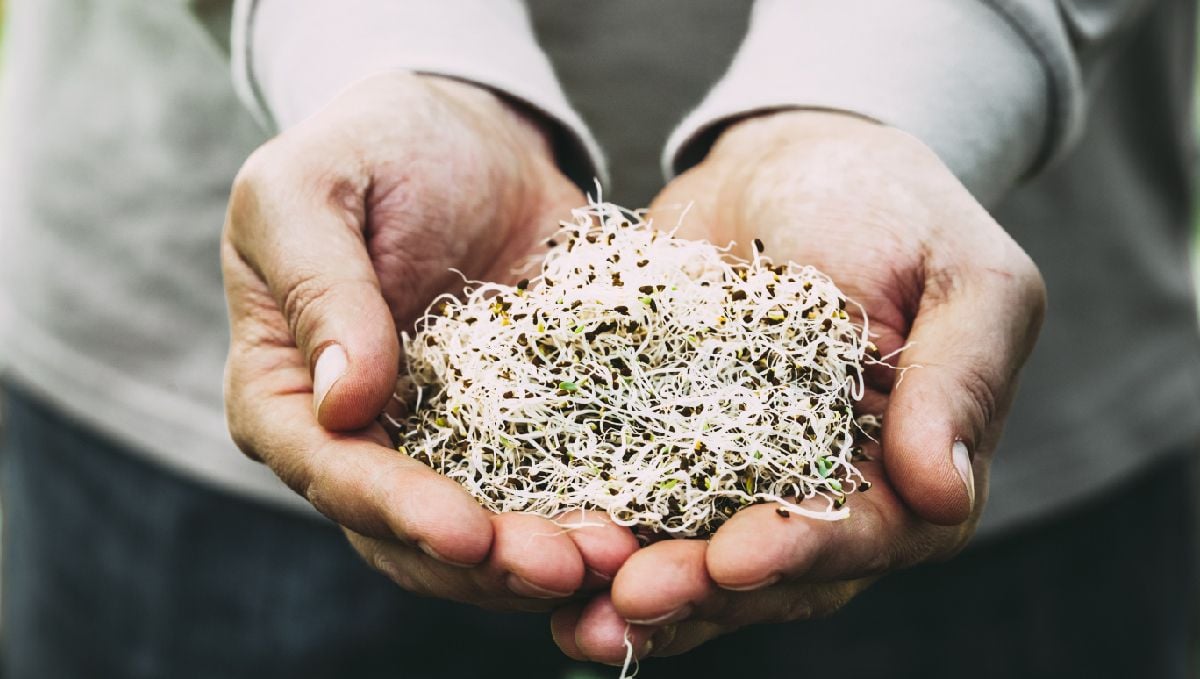
Specifically for cannabis cultivation, sprouted seed tea (SST) can be used as a natural nutrient instead of chemical-based fertilizers. The tea provides cannabis plants with the nourishment they need to grow and flourish, whilst avoiding any harsh and potentially damaging chemical fertilizers. SST also contains gibberellic acids - growth-promoting phytohormones that act as general plant growth stimulants, playing an important role in many of the metabolic functions vital to cannabis growth and development. These phytohormones are key for:
- Stimulating cell production
- Boosting trichome development
- Flower induction and bud development
- Root health and growth
- Helping in the reduction of environmental stress
The process of brewing sprouted seed tea is quite simple and can be brewed in less than 72 hours from start to finish. You do need to choose certain seeds, though, as not all the seed options available from your local Trader Joe's will offer up the same nutritional value.
How Does Sprouted Seed Tea Work?
Seeds and grains need a few critical things for the germination process to begin. Namely, the right balance of moisture, air, and temperature. Once this process starts, a series of biochemical reactions take place where enzymes such as amylases and proteases become increasingly active. Amylases break down stored starches into simpler sugars, whereas proteases break down proteins into smaller peptides and amino acids. These biochemical changes allow the developing seedling to access the reserves of energy and nutrients stored within the seed before it becomes capable of sustaining itself through photosynthesis.
This process means that sprouted seeds and grains offer far more than their unsprouted counterparts, or their fully grown versions. It's this bioavailability that we are trying to seize and implement into our feed schedule.

What Seeds Work Best For Sprouted Seed Tea?
There are a couple of different grains and seeds we can use for sprouted seed tea. They all offer a different range of nutrients and should be applied at different times depending on the stage of growth your crop is at. The four main options are:
- Barley
- Alfalfa
- Maize
- Lentils
Barley
Germinated barley is packed full of beneficial enzymes and offers a high concentration of gibberellins - as well as an abundance of vitamins, minerals, amino acids, and nutrients. You can use both regular whole or malted barley, with malted barley offering a much quicker process due to the fact that it has already been through the sprouting process.
The beneficial enzymes found in barley SST are great for root zone development and health. On top of digesting dead roots (which helps in nutrient uptake and enhancing the soil food web), it massively boosts the fungal fighting abilities of the roots. This can be especially useful for cannabis cultivators looking for an organic way of fighting root diseases such as Pythium and Fusarium, two pathogenic fungi common to cannabis crops. Barley SST is best used once a week during the vegetative growth period, but can also be used sparingly during flower.
Alfalfa
Alfalfa is a potent starting point for an SST. It contains much higher levels of triacontanol than other options - plus the added enzymes, vitamins, and proteins found in all grain or seed-sprouted teas. Triacontanol will significantly increase the levels of chlorophyll in leaf growth, which gives a massive boost to the rates of photosynthesis.
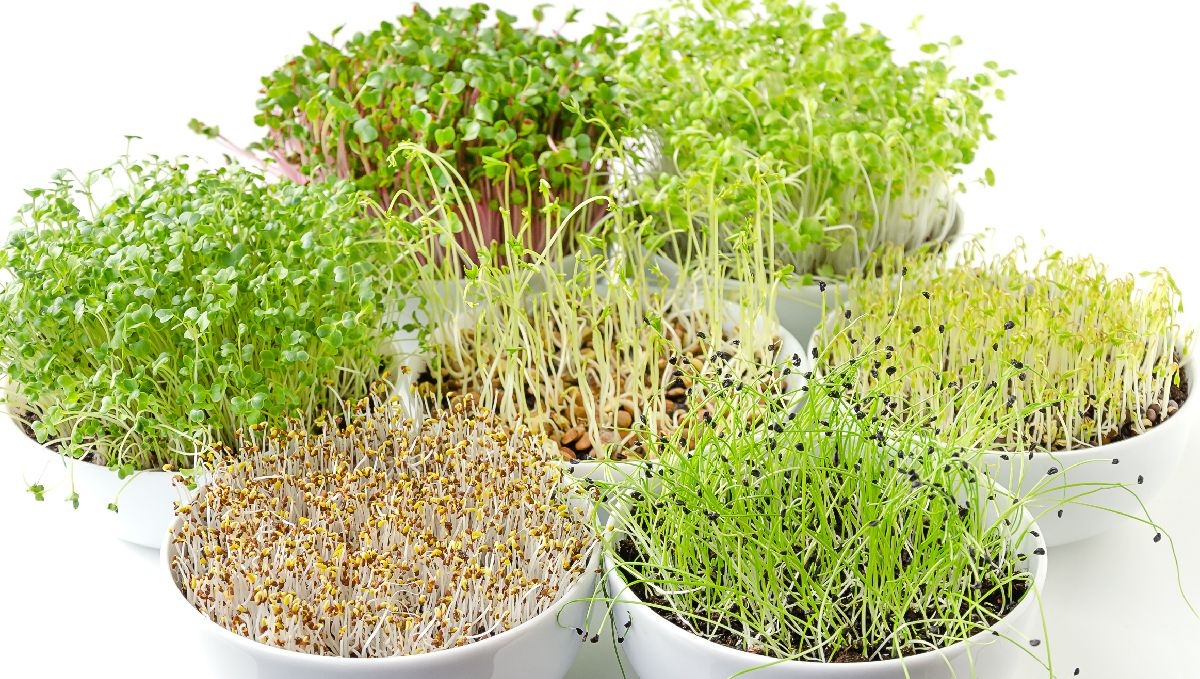
It is also a great root mass booster, can help with keeping internodal spacing nice and tight, and is perfect for use during the transition from veg to flower growth. Alfalfa is an extremely potent grain (it's actually a legume), so make sure you either dilute the mix by half or use half as many seeds as other recipes call for.
Maize
Maize (or corn) is the best source of cytokinins out of all the grain-sprouted tea options. These hormones are super important in plant organization and structure. Cytokinins not only stimulate growth in stems and leaves but also play a vital role in root functions such as nutrient signaling and uptake. They also promote thicker stem growth and lateral budding, which can boost the final yield by a fair bit. Maize SST should be added to the feed schedule in the last 2 weeks of vegetative growth, and then continued until the fifth week of flowering.
Lentils
Lentils (or other legumes like chickpeas or beans) contain the highest concentration of auxins out of all the SST options. Auxins are the main growth hormone in cannabis and are vital for a bunch of regulatory and growth functions. Most legume SSTs will produce auxins, but lentils are the most productive thanks to their small size. Lentil SST can be applied from the second week of growth until the second-to-last week of flower.
How to Make SST (Sprouted Seed Tea)?
First, you'll need to gather:
- 28 grams of your chosen seed, grain, or legume (14g of alfalfa)
- Clean, unchlorinated water
- Metal sieve and some cheesecloth
- Blender
- Glass Jar
- 1/2 kelp meal
Then start by giving the seeds a really good rinse in a sieve. Once clean, add them to a jar filled with clean water, mix in half a teaspoon of kelp meal, and leave them to soak overnight. After at least 10 hours of soaking, drain the seeds, rinse them thoroughly, and place them back into the jar. You want the seeds to be moist but not soaking wet.
Cover the opening of the jar with cheesecloth, secure it with an elastic band, and lay the jar on its side to increase the surface area of the seeds exposed to the air. Rinse the seeds twice a day until the sprouts are roughly the same length as the seeds or grains themselves. This should take about two to three days.
Once the seeds have sprouted, pop them into a blender with 300 mL of clean water and blend thoroughly. Using a fine sieve or cheesecloth, separate the liquid from the pulp. Don't throw the leftover pulp away, as it can be added to your compost mix or used as a top-dressing fertilizer. Finally, dilute the liquid in around 10 liters of water before applying it to your crop.
11. In Conclusion
Compost teas for weed are one of the best ways to improve organically grown cannabis. They’re usually used as a boost when you see your soil is running out of nutrients or you just want to take care of your soil. This is a simple and effective method that should be tried by everyone growing organically. Remember that compost teas also feed the beneficial microorganisms in the substrate, so you have to avoid using chemical products to provide the best possible environment for the microorganisms to reproduce. Also, have in mind that microorganisms are living beings, so you also need to maintain good growing conditions in order for them to live.

As mentioned, these microorganisms that you have to take care of are beneficial, not to be confused with microorganisms that can harm your cannabis plants. Both of them are microorganisms, but beneficial microorganisms can have a symbiotic relationship with your cannabis, improving water and nutrient absorption, while the harmful microorganisms can infect your cannabis plants with pathogens and diseases. These harmful microorganisms can also attack the beneficial ones and take over the substrate, so make sure the conditions are on point and that the beneficial microorganisms are healthy and well-fed to be able to fight back if harmful microorganisms try to get into your grow tent. It’s also a good idea to add microorganisms every 7-10 days to keep your substrate healthy, so make sure you add more often and always check for bugs to avoid having problems along your grow cycle.
If you have experience with compost teas and growing organically, please share your tips and tricks with fellow growers. Leave a comment in the comment section below!
External References
- Composting parameters and compost quality: a literature review. - Azim, K & Soudi, Brahim & Boukhari, S & Périssol, Claude & Roussos, S & Thami-Alami, Imane. (2020).
- Recycling of Organic Wastes through Composting: Process Performance and Compost Application in Agriculture. Agronomy. - Sayara, Tahseen & Basheer-Salimia, Rezq & Hawamde, Fatina & Sánchez, Antoni. (2020).
FAQ
Compost tea is a liquid extract made from compost and water. It contains soluble nutrients, organic compounds, and microorganisms that may support soil health and biological activity, especially when growing organically.
Aerated compost tea uses an air pump to introduce oxygen into the mixture, whereas non-aerated compost tea is made without additional aeration. The two methods can produce considerably different microbial populations.
Their potential benefits are largely associated with improved soil biology and nutrient cycling. Regular application of compost teas may help improve soil health, minimize pH fluctuations, and reduce the risk of overfeeding, potentially leading to better yields and improved overall crop quality.
Not necessarily. The nutrient content of compost teas can vary considerably depending on their ingredients. They are typically used as supplemental fertilizers, so they should not automatically be considered a complete or balanced source of nutrients.
The main difference is the base ingredient. Compost tea is made from decomposed organic matter, while worm casting tea is made from organic material that has been processed by earthworms. Both can contain diverse microbial populations and have similar results, depending on the quality of the ingredients.
Absolutely. Compost tea is a biologically active mixture, meaning its microbial composition can change over time. A foul or rotten smell may indicate undesirable microbial activity. For this reason, it's best to use compost tea immediately after brewing rather than storing it for later use.
Molasses provides a source of readily available food for microorganisms. It can also encourage the reproduction and multiplication of beneficial microorganisms.
Yes. Poor-quality compost, contaminated ingredients, and unsuitable brewing conditions can encourage the growth of potentially harmful microorganisms. Just because something is organic doesn't necessarily mean it's safe.
No. Compost tea is an intentionally prepared liquid extract, whereas compost leachate is the liquid that naturally drains from a compost pile.
Not at all. Compost tea is an optional addition to organic gardening. Healthy soil, balanced nutrition, and suitable environmental conditions are far more fundamental to overall plant health.
Comments