




What Is Hydroponic Growing and How Is It Done?


- 1. A soilless medium
- 1. a. Soilless: rockwool
- 1. b. Soilless: coco
- 1. c. Soilless: hydroton
- 2. The different types of hydroponic systems
- 2. a. Dripper systems
- 2. b. Flood and drain
- 2. c. Deep water culture
- 2. d. Nutrient film technique
- 3. Hydroponic nutrients explained
- 4. What about ph and e.c?
- 5. What's the difference between hydroponics and aeroponics?
- 6. In conclusion
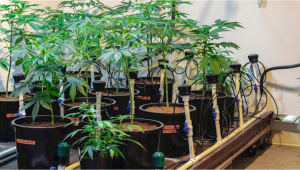
Seen as an efficient way to farm on a commercial scale without the use of soil, hydroponics relies on nutrient-rich water, sometimes supported by a soilless growing medium. In this 2026 article, we explain how hydroponics works, the various systems and growing mediums, a breakdown of nutrients, and pH and E.C. However, hydroponic growing is far from exclusive to the world of cannabis seeds. Vegetable growers have harnessed this technology for years to grow food in vertical stacks without using a single particle of soil. Hydroponics boasts an array of benefits that make the growing methodology so attractive to commercial cultivators and hobbyist growers alike. These include faster growth rates, bigger yields, and cheaper running costs.
At first glance, it might seem like growing this way uses a lot of water and therefore isn’t as environmentally friendly as it first seems. However, well-managed recirculating hydroponic systems can use considerably less water than conventional soil-based cultivation. You see, when soil is watered, some water can be lost through drainage, evaporation, and runoff, depending on the irrigation method and soil conditions.
In contrast, the water in a well-designed hydro system simply nourishes plant roots and, depending on the system, recirculates back into the reservoir, picks up more nutrients and oxygen, and heads right back out to the root zone and back into the cycle once more.
1. A Soilless Medium
Traditional organic farming relies on the natural decomposition of organic matter, with the aid of beneficial bacteria and fungi. Like the roots of a Cannabis plant bond to the beneficial microorganisms and form a symbiotic relationship, the soil food web will provide all the primary nutrients and trace elements to the plants when they demand them.
In a well-balanced organic growing medium, nutrients are released gradually, although additional fertilisation may still be necessary. The organic growing medium acts as a slow-moving buffering system, allowing a grower to have much more flexibility if over- or under-watered. When it comes to hydroponics, many systems use inert or low-nutrient growing media, with most essential minerals supplied through a nutrient solution.
However, these materials aren’t truly a growing medium. Instead, they simply hold the seedling while the plants are young and act as structural support. The roots actually grow down into the water—the true growing medium. But we’re not talking about plain old tap water here. The water used in hydroponic systems is regulated to sit at an optimal pH. It also contains an array of macronutrients and micronutrients that cannabis plants need to thrive. Finally, the water also contains enough dissolved oxygen to keep the roots of cannabis plants thriving.
Soilless: Rockwool
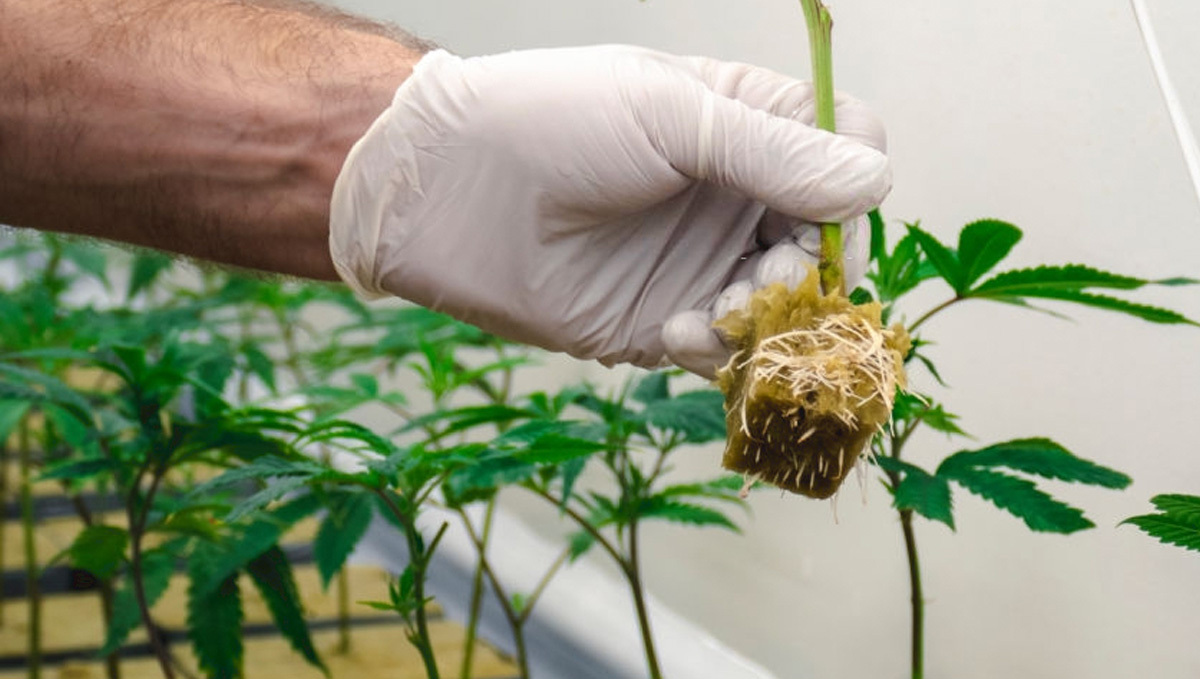
Rockwool - A yellow colored wool fiber that is produced by spinning molten rock into fine fibres. It is also the same stuff used for insulation and soundproofing, so you may be more familiar with rockwool than you think.
The Benefits
- Rockwool can hold up to 18 times its own weight in water
- Dripper systems can feed between 3-5 times per day
- Used in commercial farming to produce massive yields
- Available in cube size for clones, meter-long slabs, and large cubes.
- Ideal for holding onto water in the event of a pump failure or power cut.
Soilless: Coco
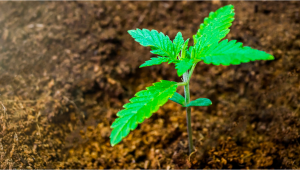
Coco - A very light and airy substrate produced from the hairs of coconut husks. Once treated and washed for any salts that may have accumulated during collection, coco fibre is an excellent growing medium for encouraging a prolific root zone.
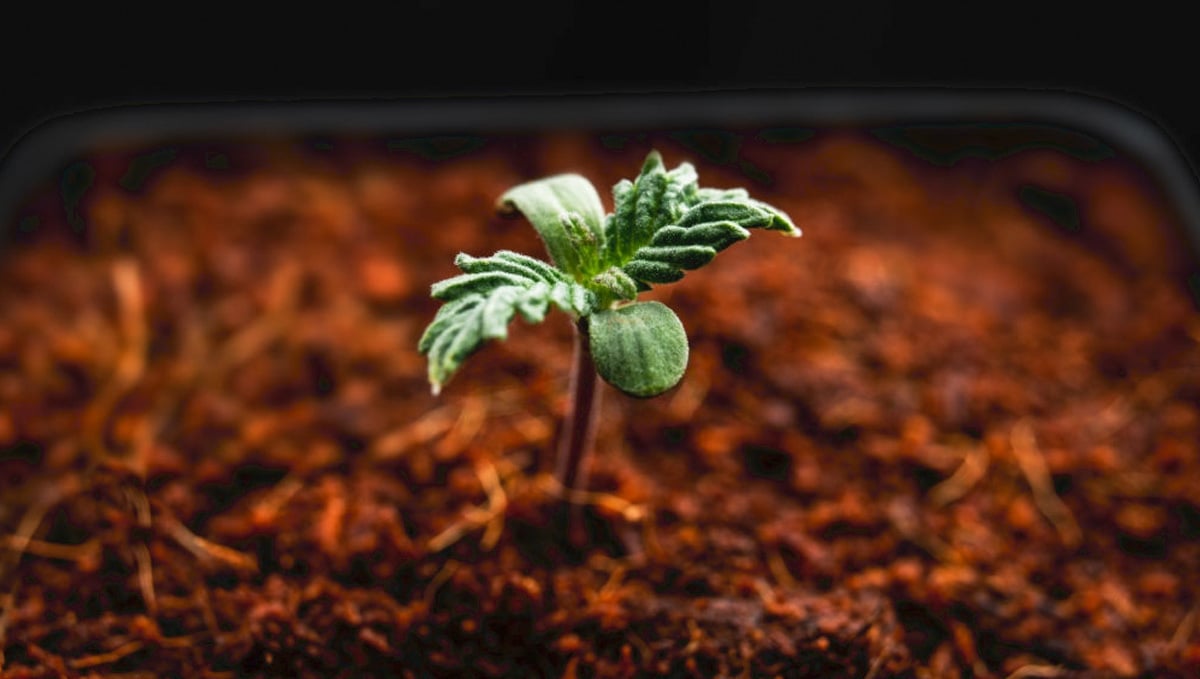
There are nutrients that are specially created for coco, as the way that coco retains nutrients is different from rockwool and hydroton.
Coco has a natural cation exchange capacity, meaning it can retain and exchange certain nutrients, particularly calcium, magnesium, and potassium.
Often combined at a 50/50 ratio with perlite in order to create a balance between moisture retention and drainage.
The Benefits
- Coco contains lots of air pockets, which encourage a large root mass.
- Water retention is very high with coco and does not overwater easily.
- Mainly used for top dripper systems that use the runoff or recirculation method.
- Coco mixes with other substrates such as perlite, hydroton, and vermiculite very well.
Soilless: Hydroton
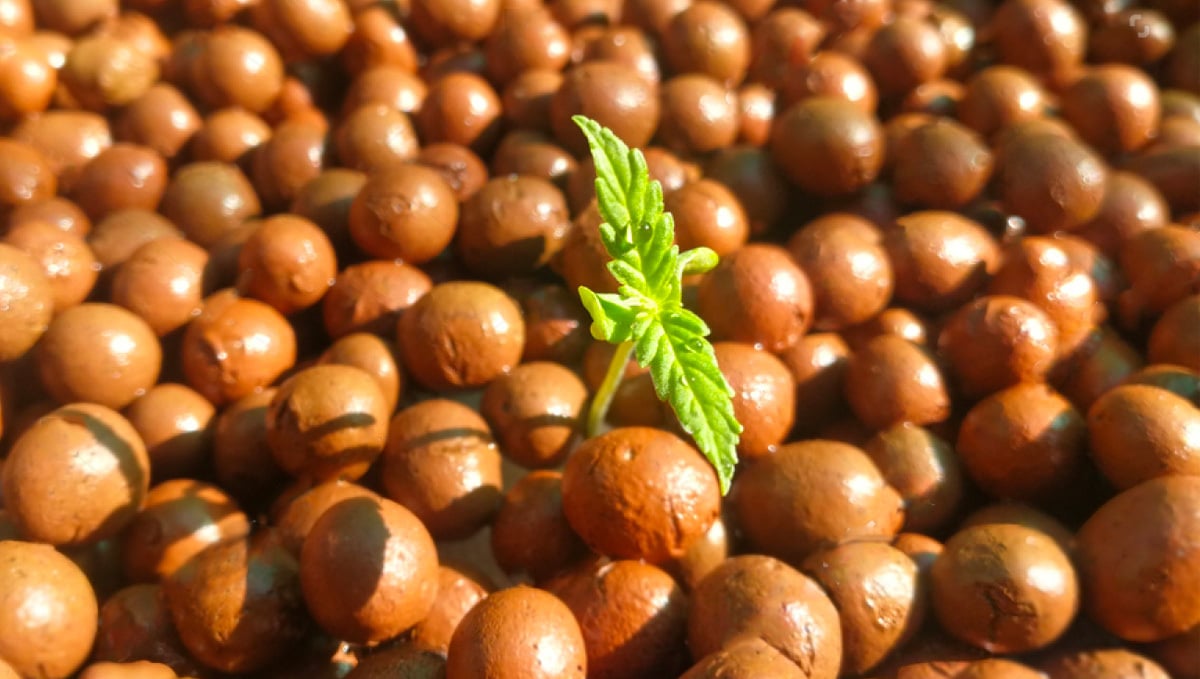
Hydroton - These are small orange expanded clay pebbles produced by heating clay at high temperatures. Hydroton is often used to mix with coco to add more air pockets or is used solely in deep water culture and recirculation top dripper systems.
The Benefits
- It is impossible to overwater your plants when using hydroton.
- Recirculating systems using hydroton can be left on 24/7 if desired.
- Mixing with coco at a 50/50 ratio will provide a very light and airy medium.
- As long as they are washed after a grow cycle, they can be reused every time.
2. The Different Types of Hydroponic Systems
Dripper Systems
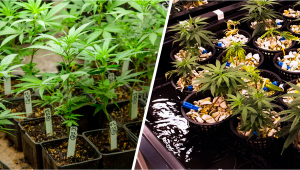
Recently, there has been a rise on social media of home growers using drip stakes, with either coco, rockwool, or pure hydroton. Dripper systems are the entry-level for hydroponic growers and don’t cost much in terms of finance, time, and maintenance.
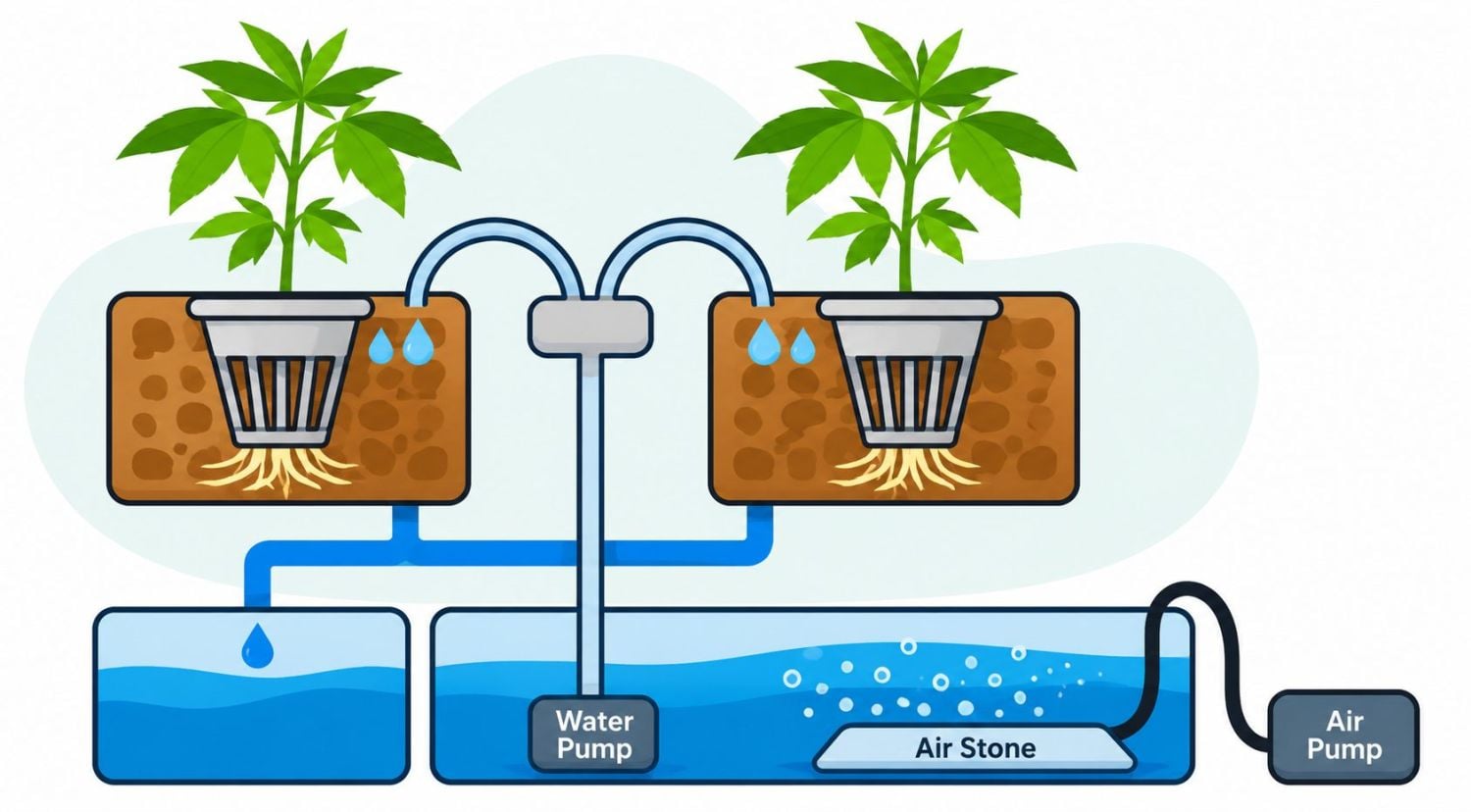
During the vegetative stage, it is advised to feed the plants 1-3 times per day depending on the length of the growth period, and 3-5 times during flowering. Dripper systems are fantastic for keeping a consistent nutrient solution and providing the plants with a consistent feeding time programmed to a 15-minute segment timer.
Modern drip irrigation systems can also incorporate moisture sensors and automated controllers, allowing water delivery to respond to changing conditions rather than relying exclusively on fixed timers.
Flood and Drain
Not as commercially popular as other hydroponic systems, flood and drain produces huge yields from small plants grown close together. Feeding times can fluctuate between 5-10 feeds a day in some cases.
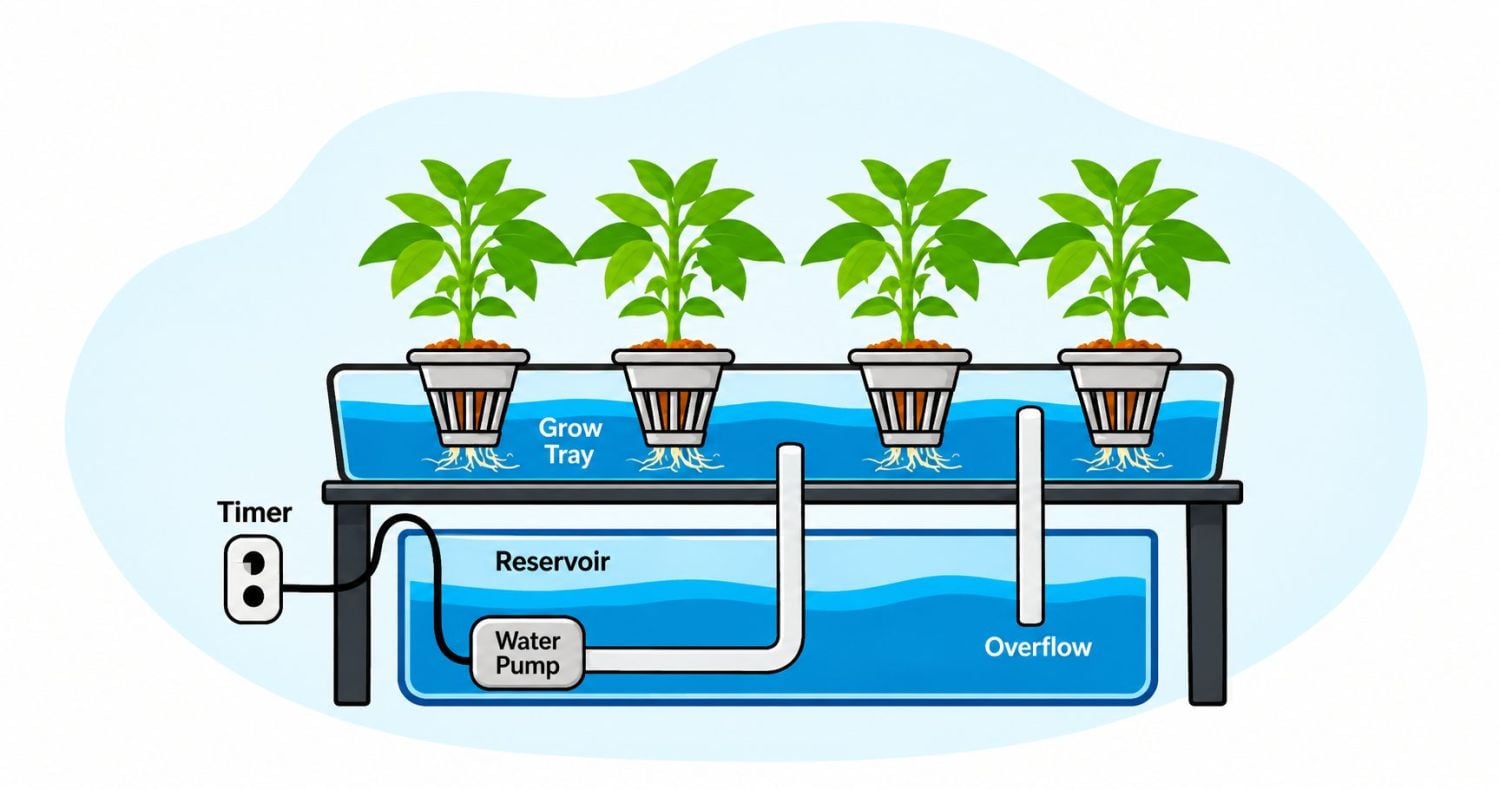
A growing medium of pure hydroton must be used, and clones or seedlings must be planted in a 4-6 inch layer of hydroton. The benefit of using a flood and drain table is that oxygen is flushed around the roots and then flooded with a nutrient solution.
Deep Water Culture
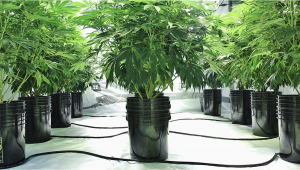
Using an air stone, air pump, plastic bucket, and net pot, deep water culture allows the roots of a plant to sit suspended in the nutrient solution 24/7. DWC is well known for producing epic yields and will produce some massive nutrient-hungry ladies.
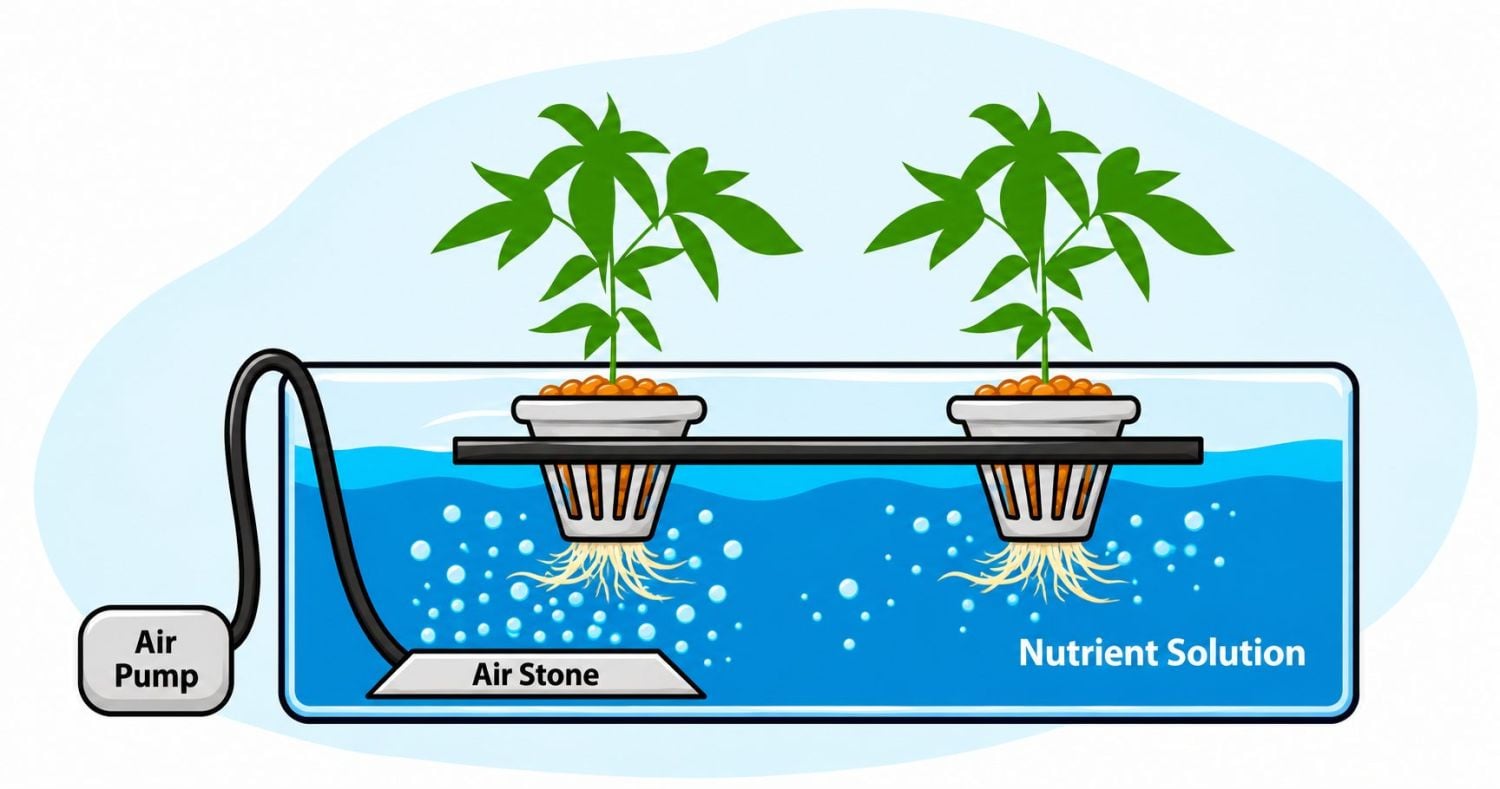
Out of all of the systems, deep water culture requires the most maintenance and can also have the highest risk-to-reward factor. If you are growing with DWC, the roots mustn't become infected with pathogens present in the water, potentially killing your crop, especially if you are using a recirculating deep water culture system.
Water temperature, dissolved oxygen, and system hygiene are particularly important, as poor root-zone conditions can encourage waterborne diseases.
Nutrient Film Technique
These systems are used for growing lettuce commercially and require small-sized plants. When growing Cannabis in an N.F.T. system using rockwool cubes, the results can be incredible, causing the roots to grow so large they consume the entire reservoir, including the pump.
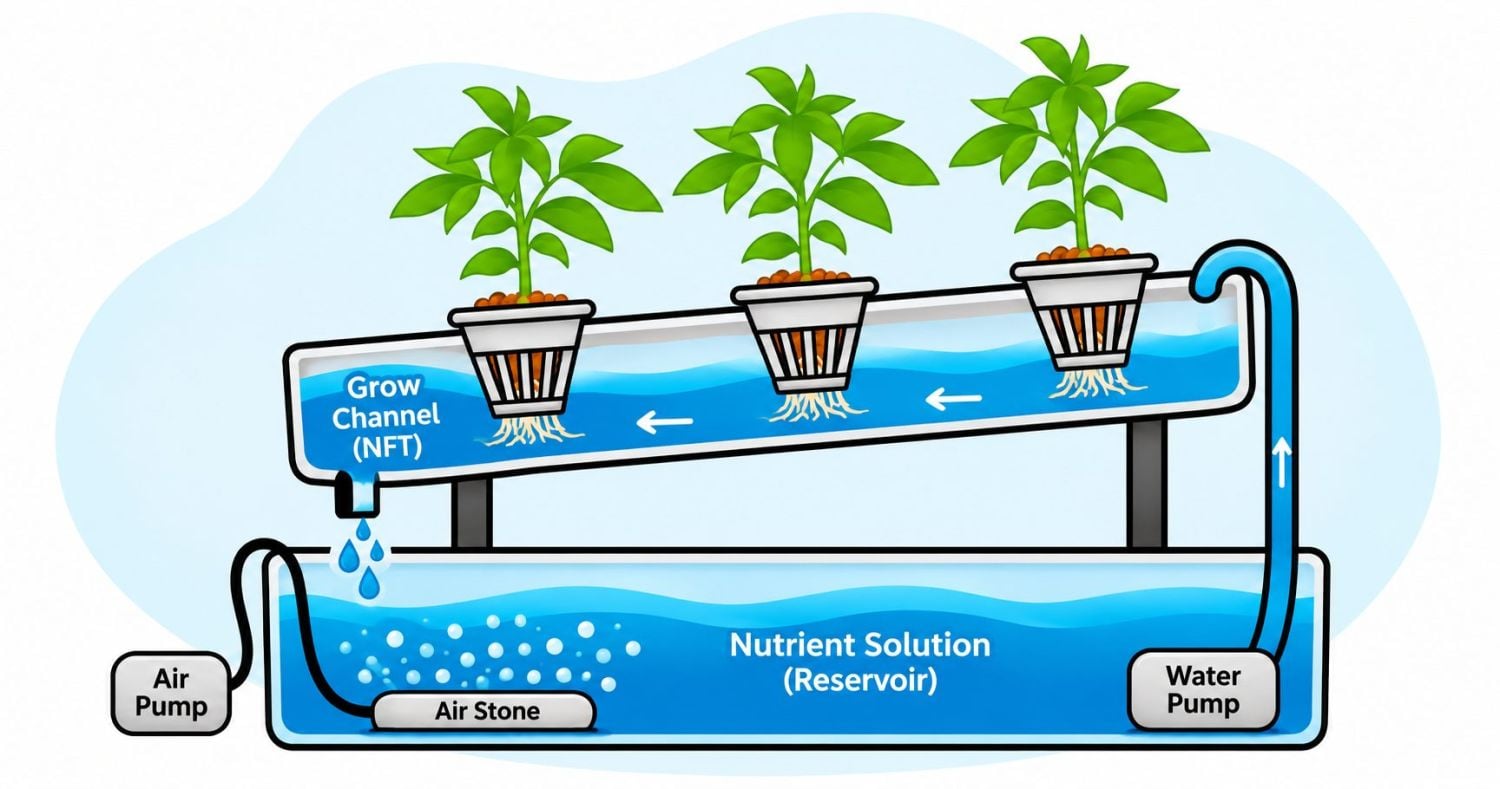
These systems are very easy to use, require a small amount of maintenance, and are an excellent choice for beginner growers wanting to try their hand at hydroponics. Another advantage of using an N.F.T. system indoors is how low the plants sit off the floor, allowing growers with limited space to have no issues.
3. Hydroponic Nutrients Explained
Using an inert hydroponic medium depends heavily on nutrients being readily available to the plant's roots. There is no 72-hour buffering period as associated with hydroponics, so extra care and attention must be taken. The best way to describe the difference between organic and hydroponic compounds is the size. Hydroponic nutrients are created from chemical salts in far smaller chelate-sized minerals, which can be absorbed by the plant instantly. When investing in nutrients, you will find that hydroponic brands will provide the feed in 2 or 3 parts.
For example, Grow Nutrient Part A+B will contain all of the necessary nutrients. However, they cannot be combined and must be kept in separate labeled bottles. When using chemical nutrients, it is very important to mix your nutrients correctly according to the feeding chart.
It is also important to distinguish nutrient availability from nutrient uptake. Even when minerals are present in the solution, factors such as pH, oxygen availability, and root health influence how effectively plants absorb them.
4. What About pH and E.C?
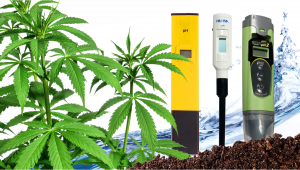
Two essential parts of correctly feeding your Cannabis plants that dictate nutrient availability and uptake. Electrical conductivity (EC) measures how well a nutrient solution conducts electricity and is commonly expressed in millisiemens per centimetre (mS/cm).
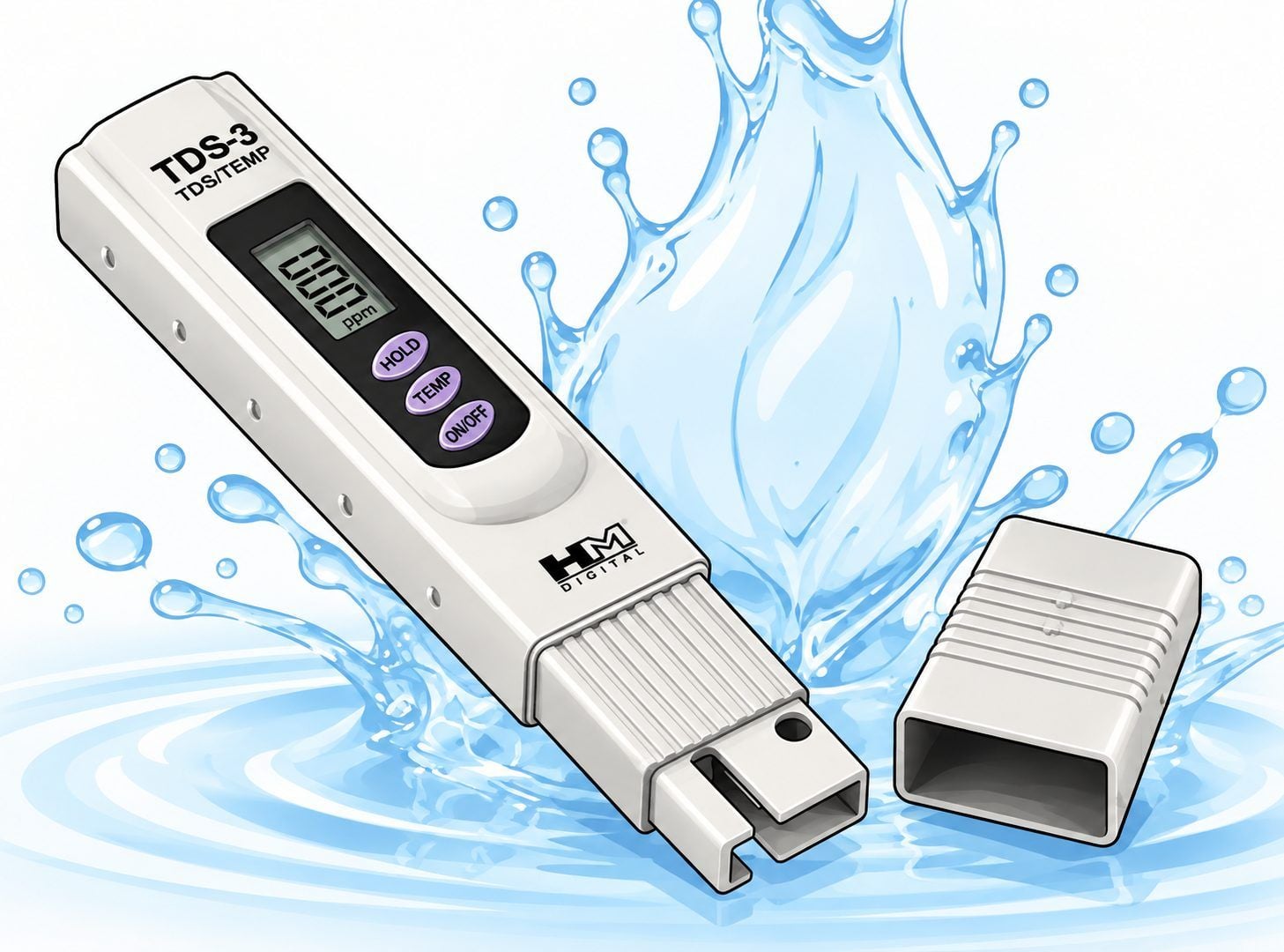
Parts per million (PPM) readings are estimates derived from EC using a conversion factor rather than direct measurements of individual nutrient concentrations.
What To Consider
- Adding nutrient solution can cause the pH to fluctuate, so add pH up or down at the last stage of your nutrient solution mix. Adjusting your pH levels before adding the numerous nutrients can be a long-winded game that will only cause frustration.
- Using a pen designed to test pH and E.C will give an accurate reading as you prepare your nutrients. Testing the electrical conductivity of the drain-to-waste runoff in a dripper system will give you a good indication of how much the plants are using.
- Different cultivars are more nutrient-hungry than others, so do not base every strain on the same E.C. It is better to start low and work your way up, then make a fatal jump and find out the hard way.
5. What's the difference between Hydroponics and Aeroponics?
Despite working in a fairly similar way, hydroponics and aeroponics have minor differences, mainly in how they deliver the nutrients to the roots. In hydroponic setups, the roots are suspended in water at all times or are fed by an intermittent or continuous flow of nutrient solution. On the other hand, in aeroponic setups, the roots are never placed into the water because this type of setup delivers the nutrient solution to the roots with mist nozzles that mist the nutrients directly to the roots. So basically, the main difference is what gives each method its name, as 'aero' in Aeroponics means air while 'hydro' in Hydroponics means water.
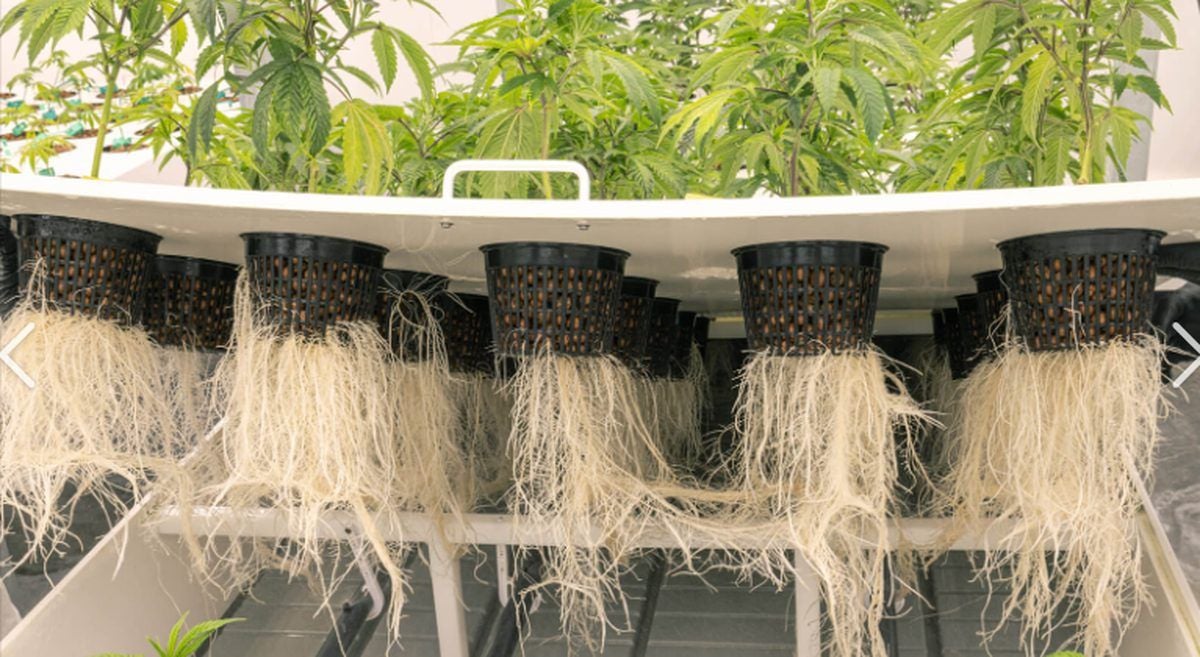
Aeroponics is generally considered a specialised form of hydroponics because it also supplies mineral nutrients through a water-based solution without relying on traditional soil.
The Pros and Cons of Aeroponics
And just like any other thing in life, aeroponics has its pros and cons. So let’s read a bit more about them.
Pros of Aeroponics
- No growing medium results in maximum nutrient absorption
- Explosive plant growth due to roots being exposed to oxygen at all times
- Bigger plants and bigger yields
- More efficiency results in less water and nutrient usage
- Maximizes grow area as you can grow several plants in a relatively small aeroponic setup
- Easy to add new plants to the system as there’s no need to deal with substrates
Cons of Aeroponics
- Requires constant attention to pH and EC as roots are directly exposed to the nutrient solution
- The initial setup cost is higher than regular growing methods
- Needs to be cleaned and maintained regularly
- Needs constant supervision in case any of the parts of the system break
- You’re at the mercy of power outages, as the equipment depends on electricity
- A certain degree of knowledge is needed to set up the system and keep it functioning correctly
6. In Conclusion
Hydroponic growing takes a great deal of commitment, buying nutrients on a regular basis, running the risk of blind spots and pathogens, and most importantly, the skill and experience. We advise spending time reading and watching tutorials about growing Cannabis in hydroponic systems and learning which system is ideal for your grow space, skill level, budget, and maintenance.
Beyond productivity, factors such as water consumption, electricity demand, and the reuse or disposal of growing materials are also worth considering when comparing different hydroponic methods.
FAQ
Hydroponic growing is a way to grow plants without soil. Instead, plants get their nutrients from water mixed with essential minerals. It's a popular method for growing vegetables, herbs, and leafy greens indoors or outdoors.
It depends on what you're looking for. Hydroponics offers more control over nutrients and water, while soil growing is often easier and more forgiving for beginners. Both methods can produce top-quality harvests.
Hydroponics can save water, reduce the need for growing space, and support faster plant growth. Plus, you don't have to deal with soil-related weeds, making maintenance easier in some setups.
Some systems are surprisingly easy to use. Basic setups require minimal equipment, while advanced systems involve pumps, timers, and monitoring devices. Starting simple is usually the best approach.
You'll typically need a water reservoir, nutrient solution, plant containers, and a way to support the roots. Depending on the system, you might also need an air pump, water pump, grow lights, and monitoring tools.
There are six commonly recognized types: Deep Water Culture (DWC), Nutrient Film Technique (NFT), ebb and flow, drip systems, wick systems, and aeroponics. Each delivers water and nutrients differently.
They can. With the right conditions, hydroponic plants may grow faster because nutrients and water are readily available. However, growth speed still depends on the strain and overall care.
Yes, especially in recirculating systems. Hydroponics can use significantly less water than traditional soil farming because water is reused instead of being lost through runoff and drainage.
Hydroponic plants need the same essential nutrients as soil-grown plants, including nitrogen, phosphorus, potassium, calcium, and magnesium. The difference is that these nutrients are supplied through water rather than soil.
Yes. Passive systems, such as wick systems and the Kratky method, can work without electricity. They're great options for anyone wanting a simple setup without pumps or complicated equipment.
Comments