Our selection of easy-to-grow and forgiving strains that first time growers can handle ...
Our selection of easy-to-grow and forgiving strains that first time growers can handle. We understand that starting your first grow can be daunting and confusing, so we’ve compiled a list of our most forgiving and stress-free strains, to make your first grow experience a little easier. Each strain has its own special attributes when it comes to production, flavor, potency, etc, but with the commonality of forgiving a new grower’s possible mistakes. Top 10 Best Cannabis Seeds for Beginners.

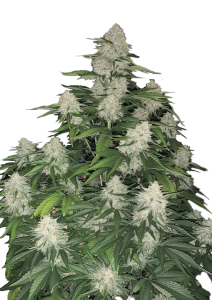




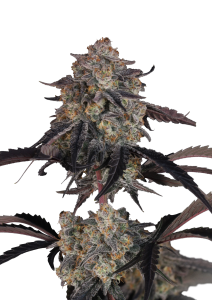

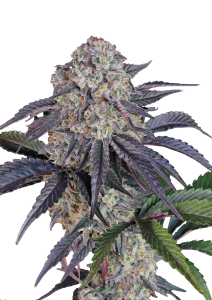
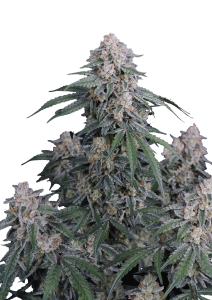

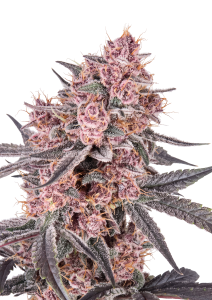
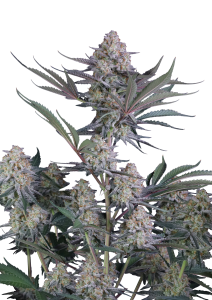

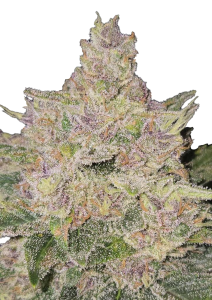

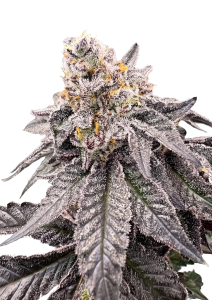

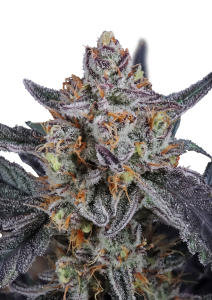

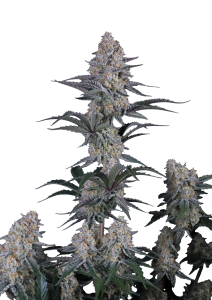


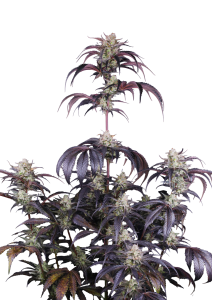
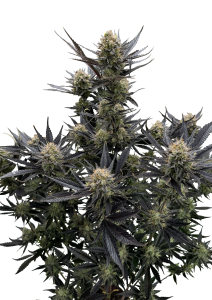

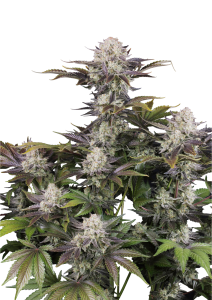


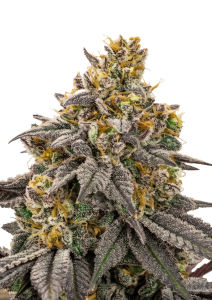

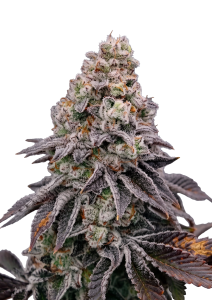


























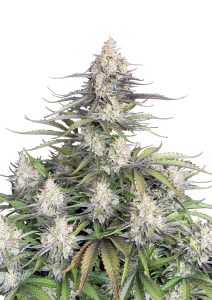
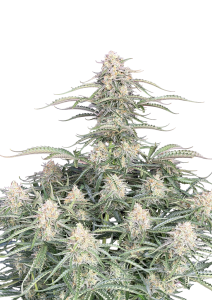
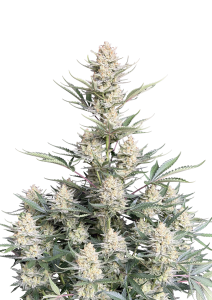

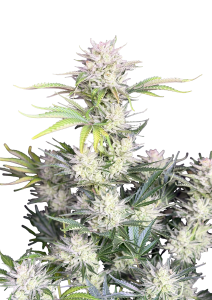

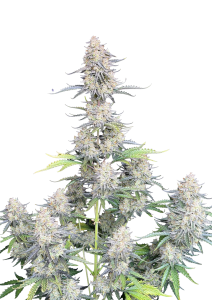

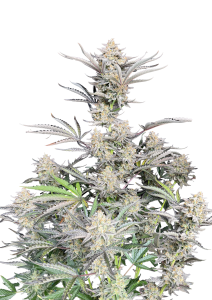

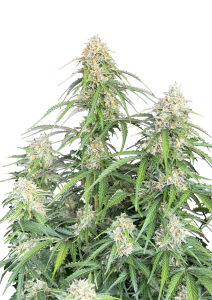

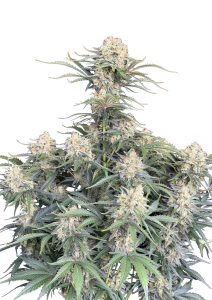
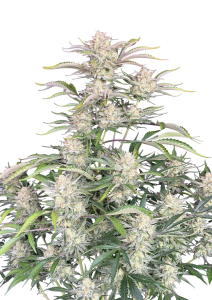

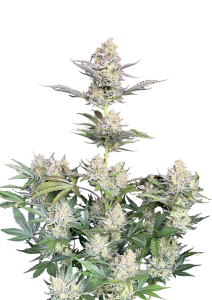







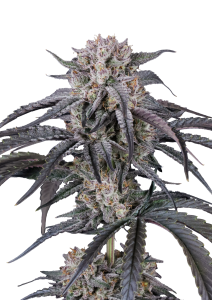

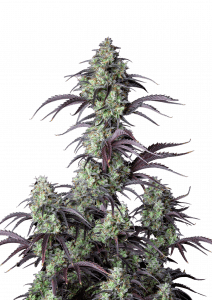
If you've never taken care of a plant before, we recommend starting with 1 or 2 small to medium-sized plants so you can learn through hands-on experience. This way, you can easily dedicate enough time and care to harvest good quality buds. Once you've successfully grown a couple of plants, you'll be ready to scale up with confidence.
Many cultivators start growing with zero gardening experience, so don't let that hold you back. That said, the more knowledge you build along the way, the better your chances of producing top-shelf results.
You can easily grow top-quality cannabis in a 60x60x180cm (2 x 2 x 5.2 ft) tent. You'll also need some additional equipment, but there are plenty of complete kits available for those on a budget, some even come with full automation, so you can maximise yields and quality with minimal effort without breaking the bank.
While it can vary depending on environmental conditions, some strains in the Beginners category can finish in as little as 8 weeks, giving you a faster turnaround and less time for potential plant problems to arise.
Yes, producing rock-hard buds will require some form of nutrients, whether through a dedicated nutrient solution or a pre-enriched soil mix. There are many different approaches to growing top-quality cannabis, and the right one depends on your setup and experience level. If you're ever in doubt, our grow experts are just an email away.
Not really, the difficulty comes from how finicky a strain is, or how precise you need to be with the environmental conditions and feeding for the plant to perform to its full potential. This means that both THC and CBD strains can be easy or hard to grow.
Absolutely! It's essential you pick the right spot where your plants get as much direct sunlight as possible. That plus a good-quality soil mix, feedings at the right dosage, and a little patience will go a long way toward a successful harvest.
Pot size is more closely related to plant size than grow difficulty. As a general rule, we recommend 7–12L (1.85–3.15 gal) pots for smaller plants and 10–20L (2.65–5.3 gal), or larger, for bigger plants. If you have any questions, our team is always happy to guide you in the right direction.