




What Can You Do With Cannabis Stems

- 1. Cannabis stems
- 2. Is there thc in stems?
- 3. Can you smoke stems?
- 4. What can you do with stems?
- 4. a. Make tea or edibles with cannabis stems
- 4. b. Alcohol
- 4. c. Wicks to light joint or bong
- 4. d. Topicals
- 4. e. Mulch
- 4. f. Get crafty
- 5. In conclusion
Often growers forget that every part of the plant can be used, from the stems to the leaves (even the cannabis seeds!). Even though stems don’t contain a lot of cannabinoids, they can still be used to make cannabutter, teas, topicals, and edibles. Learn how to make the most out of every part of your plant with this 2026 article.
1. Cannabis Stems
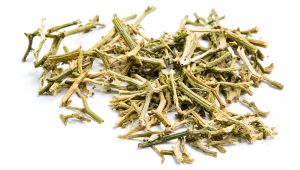
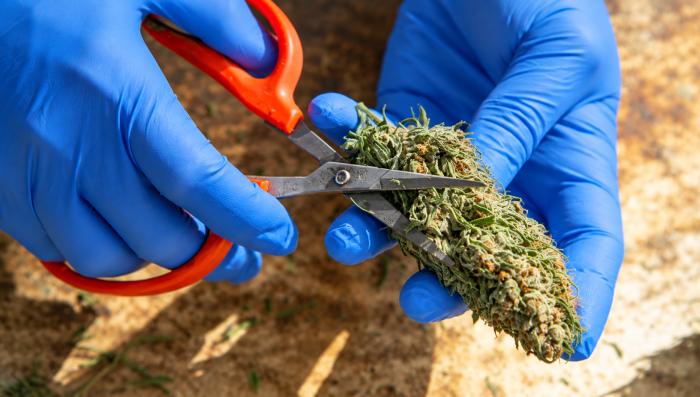
Cannabis stems can be gathered in different ways. You’ll get more when harvesting your plant, but you can also collect them when grinding your flowers. Every single part of a weed plant can be used, and while the stems do contain a much lower THC, CBD, and terpene count than the flowers, they do still contain some of that sticky gold we all know and love.
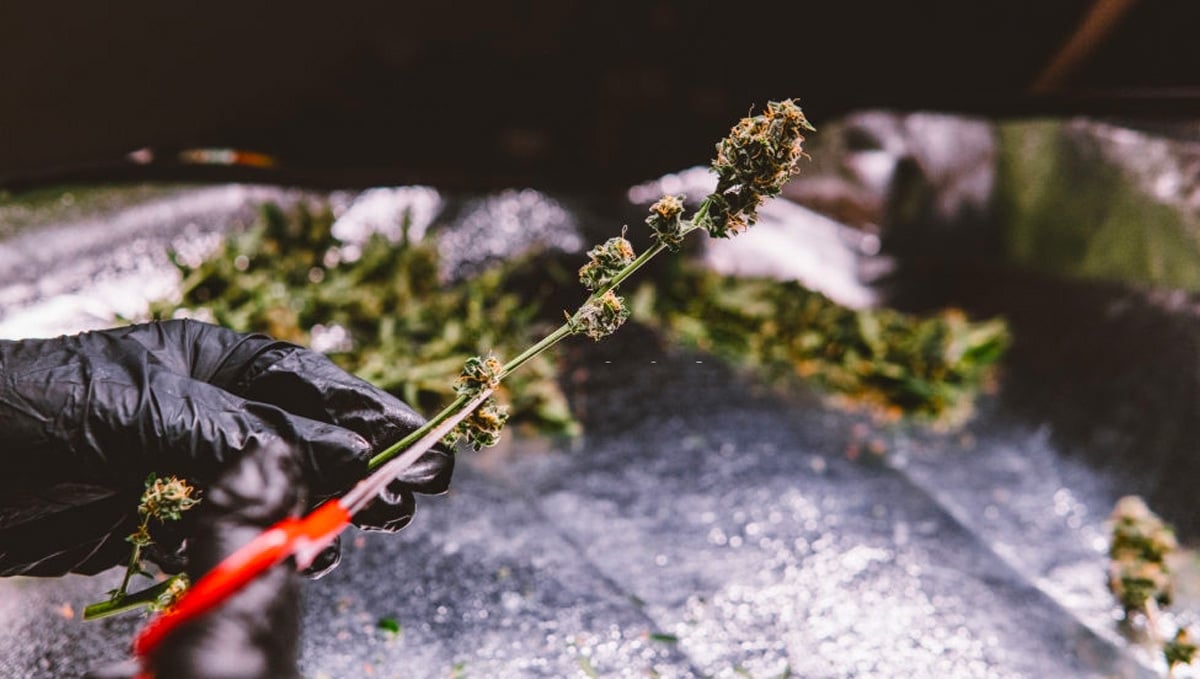
In the past, growers and consumers alike would, more often than not, simply discard cannabis stems. And while it is not always recommended to smoke the stems, there are plenty of ways you can extract the hidden sticky-icky and put it to good use. Even though most growers throw them out, you can make a couple of different things with them. However, you will need to collect quite a few, as they don’t contain many cannabinoids.
Cannabis stems are a common leftover plant material, either from trimming your plant or left in your grinder. If you’re an avid consumer, it’s easy to gather a good amount. Despite not having too much THC, cannabis stems can still be used to make cannabutter, teas, topicals, and edibles, among other things.
2. Is There THC In Stems?
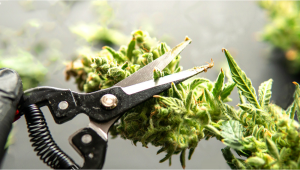
While not as heavily packed with the good stuff as the buds, cannabis stems can be used to make cannabutter or cannabis coco-oil, cannabis-infused teas and coffee, topicals, tinctures, bubble hash, or with pretty much any other technique used for cannabinoid and terpene extraction that would be used on other parts of the plant. Yes, stems contain THC but a much lower concentration than found in the flowers. With today’s genetics, it is not uncommon for buds to contain 25% THC or higher. Although this study did not test the larger stems and branches, the common consensus is that they contain anywhere between 0.4% to 0.03% THC, depending on the strain and the quality.
This means that stems actually contain a minimal amount of THC. If you collected stems from the buds, then they will have a little bit more because of the trichomes on them, but if you are collecting branches, then the THC level can be lower than 0.03%. This means you can make different things with them, but you will need a lot. For example, if you have 1g of flower with 20% THC, you will get around 200mg of THC, while if you have 1g of stems, you’ll get around 4mg of THC.
3. Can You Smoke Stems?
Even though you can smoke the stems, a lot of cannabis consumers agree that it’s bad for you. Stems contain a lot of chlorophyll and taste bad.
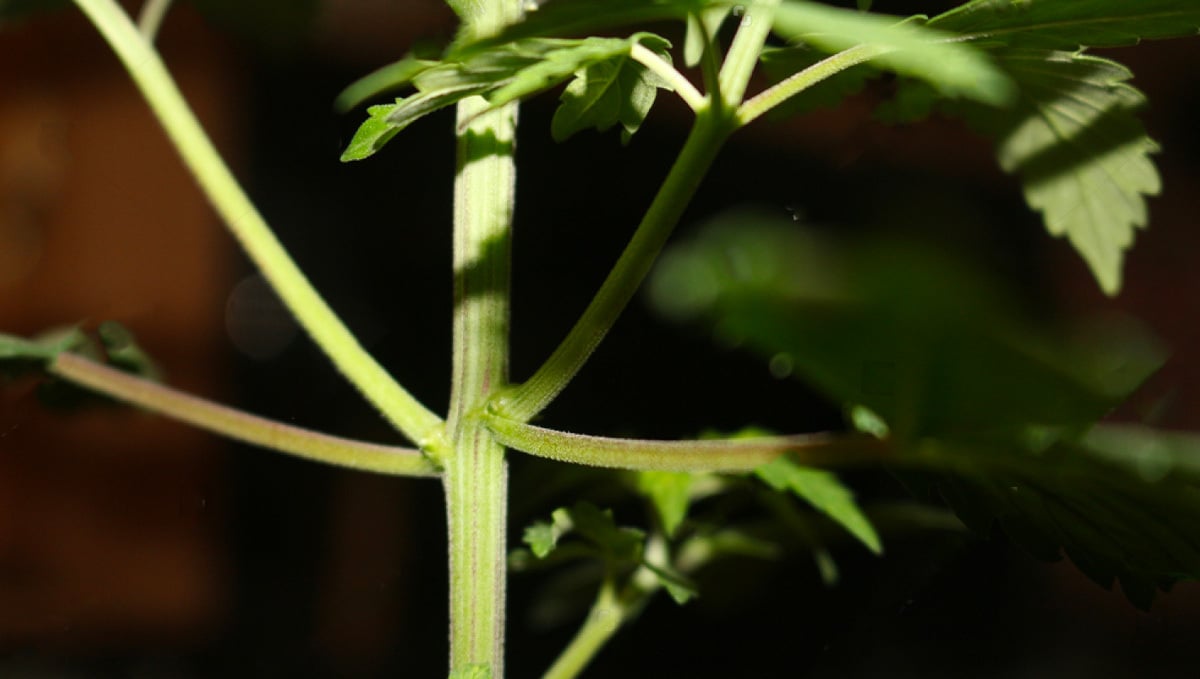
They also have the same negative effects that come with smoking bud (combusting plant material and inhaling smoke), but you won’t get a strong effect, or any effect at all. Although it can help you through times when you can’t get flowers, it is better to avoid smoking stems.
4. What Can You Do With Stems?
Despite the low amount, stems and branches contain THC, so, in theory, you can do (almost) everything you can with flowers. Here are some ideas on what you can do with the stems and branches of your precious plant:
Make Tea Or Edibles With Cannabis Stems
Before making tea or edibles with stems (or buds), you have to decarboxylate the plant material. To decarboxylate, spread your stems on an oven tray and place in the oven at around 90- 110 Celsius for around 40min (depending on the amount) and until they’re “toasted” (brownish color). When you’re finished decarboxylating, let them cool down and cover them with warm water and butter. This will make the butter melt so the cannabinoids can dissolve in it. After this, use a strainer to remove the plant material, and you’re ready to make your favorite tea.

Alcohol
To make a cannabis-infused drink, you can add the stems (preferably bud stems) to a bottle of strong alcohol, like vodka, for example. Add the stems (at least 3- 5 g) to a bottle of strong alcohol and let it rest in a dark place for 3 weeks, shaking it at least once a week. Also, be careful when trying it for the first time. Try a small dose to see how it will affect you. You can also use infused alcohol to make your favorite drinks.

Wicks To Light Joint Or Bong
As you may know, when lighting a joint or bong bowl, we may inhale the butane coming out of the lighter. For this reason, grow shops sell hemp wick, which is a string made out of hemp used to light joints or bongs when consuming cannabis. If you smoke too much, it’s a good idea to make hemp wick out of the stems. To make your own hemp wick, use a sharp blade to cut the stem into several long strings, twist the fiber strings into a rope, dip it in beeswax, and allow it to dry so it keeps the rope form.
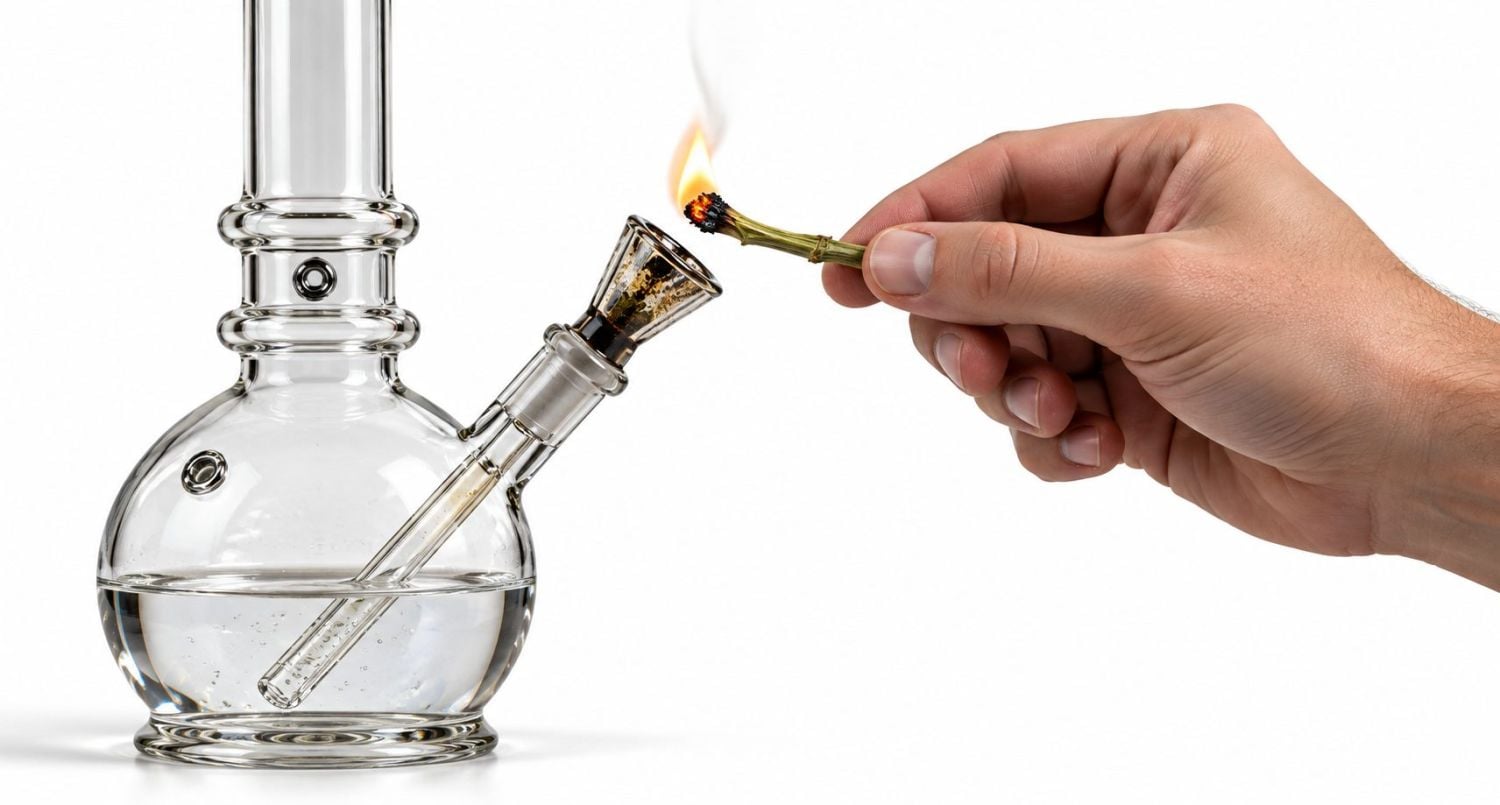
If you don't care about it looking good, you can just light the stem and use it to light your joint. Either way, you won’t be inhaling butane, and it’s a simple and effective way of using the stems.
Topicals
Cannabis stems can be used to make topical treatments and salves. The stem fibers can be combined with natural oils and beeswax to create a luxurious moisturizing balm. This balm can provide your skin with essential nutrients, anti-inflammatory compounds, and antioxidants.
The stems also contain flavonoids, terpenes, and other bioactive molecules that may have beneficial effects on skin health. This can provide anti-aging benefits, reduce redness and swelling associated with acne, moisturize dry skin, and protect against free radical damage.
Mulch
Depending on the number of stems at your disposal, you can make a great mulch for your garden. Simply chop the stems into small pieces and spread them around the base of your plants. This can provide your plants with extra nutrients and moisture for a healthier crop.
Get Crafty
Say you have a downright ridiculous amount of cannabis stems and branches lying around after you have finally finished harvesting your bumper crop, and you're also an artsy sorta person. You can get crafty with your cannabis stems! With some patience and effort, you can turn those stems into intricate works of art, but that is just the start of it.
Make hemp paper
The process is pretty easy. Just boil the stems for an hour and then blend them into a pulp. You want to add equal amounts of water and stems to the blender, and then blend it long enough to get rid of all the bits. Lay out your mixture in thin sheets on wax paper, allow it to dry, and you have yourself some homemade hemp paper. Hemp paper is stronger than regular wood paper and is said to last much longer, so it's perfect for a whole range of uses.
Make jewelry
Cannabis stems have been used to craft unique jewelry pieces for centuries, from bracelets to necklaces. You will need a few tools like a drill bit, wire cutters, and string in order to craft your own handmade jewelry pieces.
Weaving
Hemp fibers have long been used for weaving fabrics and baskets. With a few stems, you can make some interesting items such as hats, small bags, or even wall hangings. To get the fibers free from the stem, it's best to use those god-given hands of yours and strip the hemp fibers from the stem. Once you have collected enough, you can start weaving your own pieces.
5. In Conclusion
With the leftover plant material, you can end up with a lot of ways of consuming cannabis, and it is a great way of exploring other ways to get high and how the effects differ. If you don’t grow a lot of plants, collecting the stems may not be ideal, even though you can still use them. If you have a lot of plants or your growing cycle allows you to harvest every month, you can use them in several ways, even if they don’t contain too much THC.
FAQ
Cannabis stems can technically be burned and inhaled, but smoking them is generally avoided. Stems contain little cannabinoid-rich material and produce harsh smoke, making them a poor substitute for cannabis flower.
Cannabis stems are sometimes used to make herbal-style teas. However, cannabinoids such as THC are poorly soluble in water, so simply steeping stems in hot water will extract very little THC.
That depends on what you intend to do with them. They aren't particularly valuable as a source of cannabinoids, but saving a larger quantity can make sense if you want to compost them, use them for crafts, or experiment with other forms of reuse.
Yes. Cannabis stems are organic plant material and can be added to a compost pile along with other appropriate garden waste. Breaking larger stems into smaller pieces can help woody material decompose more efficiently.
Stems may be incorporated into preparations that are subsequently used in foods, but they shouldn't simply be eaten expecting the same effects as cannabis flower. Their cannabinoid content is comparatively low, and potency can be difficult to predict.
Stems may be used as plant material in tincture preparations where cannabis processing is legal. Their low cannabinoid concentration means the resulting tincture may be substantially less potent than one produced from flowers or high-quality trim.
If stems are being used for a preparation intended to contain activated cannabinoids, heating can convert cannabinoid acids such as THCA into their active forms (THC). Whether this matters depends on what you plan to do with the stems.
Cannabis stems generally contain such small amounts of THC that using a few stems is unlikely to produce pronounced intoxicating effects. Any effects will depend on factors such as the plant variety, amount of material, and cannabinoid content remaining on the stems.
Dried cannabis stems can potentially be broken down and incorporated into organic garden mulch. Woody plant material can help cover soil and will gradually decompose over time.
Dried stems don't necessarily have a precise expiration date, but their quality can deteriorate with improper storage. Moisture can encourage mold, while prolonged exposure to heat, air, and light can contribute to the degradation of remaining plant compounds.

Comments