Purple cannabis strains are all about genetics ...
Purple cannabis strains are all about genetics. The best ones don't just turn slightly dark at the end of flowering, they naturally express deep violet, lavender, red, and almost black tones as part of the cultivar's identity. This collection brings together cannabis seeds selected for stable color expression, rich terpene profiles, strong resin production, and reliable performance in real grow rooms. Top 10 Best Purple Strains.


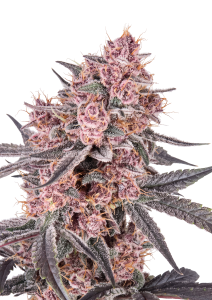

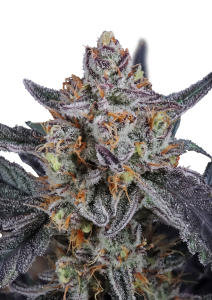

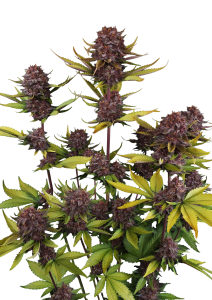























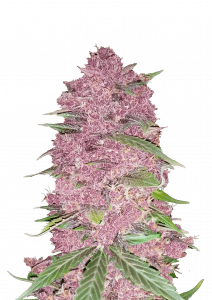


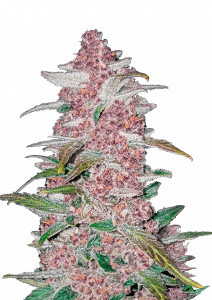


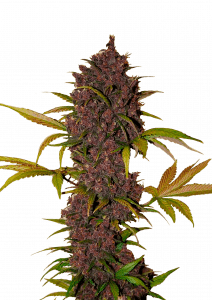

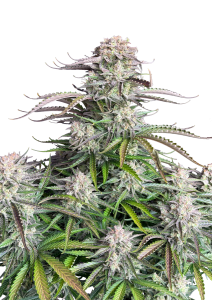

Purple color in cannabis usually comes from anthocyanins, natural pigments that can appear in the leaves and flowers. Genetics play the biggest role, although temperature and growing conditions can influence how strongly the colors develop.
Not always. Some plants only show color when exposed to cooler nights, but well-bred purple genetics can express strong purple tones naturally without relying on cold stress.
Color alone does not determine potency. A purple strain can be mild, balanced, or very strong depending on its cannabinoid profile, resin production, and overall genetic background.
Purple strains often carry fruity, berry, candy, citrus, or floral terpene profiles, but the color itself does not create the flavor. The aroma and taste come from the terpene profile selected during breeding.
Yes. Modern autoflower genetics can express deep purple colors while still delivering fast growth, strong resin production, and high-quality flowers.
Yes. Many purple cultivars perform very well indoors, especially when plant structure, flowering time, and environmental stability have been properly selected during breeding.
That depends on the genetics. Some purple strains show very consistent color expression, while others may produce a mix of green and purple phenotypes depending on the line and growing conditions.
Look beyond color. The best choice depends on the terpene profile, plant size, flowering time, effect, resin production, and whether you prefer autoflower, feminized, or fast flowering genetics.