




The Best Magnifiers to Identify Trichome Stages


- 1. Average time from seed to harvest
- 2. Harvesting based on trichomes
- 3. Best magnifiers to identify trichome stages
- 3. a. Handheld magnifiers
- 3. b. Jeweler’s loupe
- 3. c. Smartphones
- 3. d. Small tabletop microscopes
- 3. e. Portable microscopes
- 3. f. Big microscopes
- 4. What's the best tool to check on trichomes?
- 5. In conclusion
As you may know, the trichomes on a cannabis plant tell you when the best time to harvest is. You can definitely grow and harvest beautiful plants without any special equipment, but harvesting when the trichomes are at their peak potency can make a huge difference. Growers use magnifiers to take a look at the trichomes and know exactly when to harvest. If you're looking to buy a magnifier in 2026 but are not sure which one, read along!
1. Average Time From Seed to Harvest
Before reaching the harvest window, you obviously have to go through the whole growing cycle, which means your plant will have to germinate, go through the vegetative stage, and go through the flowering stage before it’s ready for harvest. So how long does a cannabis plant take from seed to harvest? Well, cannabis plants can take anywhere from 2 to 7+ months, but it depends on a LOT of things. There are many factors that will affect the cycle time, including the strain, setup, plant size, substrate, and many other things. This is why it’s impossible to give an exact answer.
For a more useful estimate, separate plants by type: autoflowers generally have a fixed, age-led life cycle of 8-10 weeks, while photoperiod plants can remain in vegetative growth until their light schedule or seasonal daylight triggers flowering, taking up to 14 weeks or longer. A clone also has a different starting point from a seed. Phenotype, light intensity, temperature, plant health, pot size, and training can all shift the finish date.
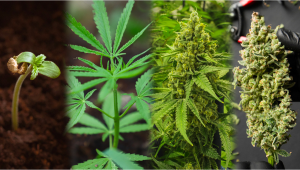
On top of this, you still have to do the drying and curing process, which is essential. So to help you better, let’s take a look at every stage of cannabis growing and how long it takes. Just keep in mind that these are guidelines. How long it takes to harvest your weed will depend on the desired plant height, strain, and style of growing.
In general, here are the average seed-to-harvest times of cannabis plants:
- Germination - 1 to 7 days
- Vegetative stage - 4 to 8 weeks
- Flowering stage - 8 to 10 weeks
- Drying and curing - 2 to 4 weeks
Once you’ve gone through all these stages, it’s time to harvest your plants. So read along to understand how and when the best time is to harvest your cannabis plants.
2. Harvesting Based On Trichomes
Cannabis plants take a lot of effort and time to be ready for harvest, so it’s highly recommended that you harvest when your plants have ripened properly. Harvesting too early or too late can end up affecting your flowers’ quality. To avoid this, growers use magnifiers to zoom in on the trichomes and make sure they’re harvested at the right time.
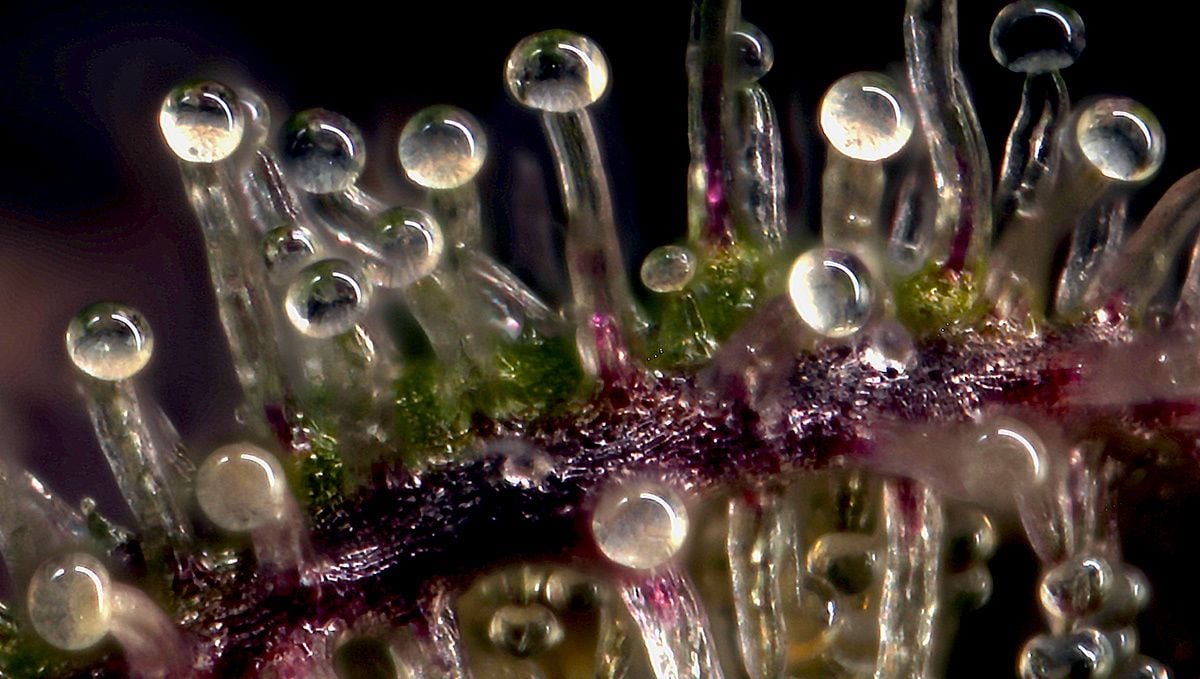
Most growers use basically three ways to determine when to harvest their cannabis plants: the breeder’s schedule, pistil colors, and maturity stages of the trichomes.
Breeder’s Schedule
The breeder’s schedule refers to the specified seed-to-harvest period, but you should definitely not follow it blindly. In most cases, the seed-to-harvest time provided by the breeder assumes optimal growing conditions, and most home growers don’t have the equipment or environment needed to replicate those conditions.
Use the breeder’s timeline as a planning estimate—not as a strict harvest schedule. Check whether it refers to the total seed-to-harvest time or flowering time only, then confirm maturity using several plant cues.
Now, this doesn’t necessarily mean that your plants will take much longer. In fact, some plants may even finish sooner than specified. However, it’s essential to keep this in mind because your plant may still need a few more days to fully mature, and harvesting too early can negatively affect both the quality and quantity of your harvest.
Pistil Color
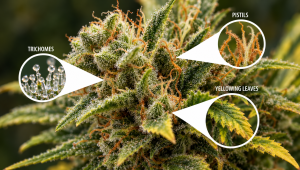
Some growers use pistil color to determine when to harvest, but relying solely on pistils is not recommended because it can be highly inaccurate. When around 60% of the pistils have turned brown and curled inward, it can be a sign that the harvest window is approaching. In other words, your plant may be getting close to harvest, but it isn’t necessarily ready just yet.
Pistil color is best treated as one indicator rather than a stand-alone rule. Recent cultivar research has found that stigma color can correlate with cannabinoid concentrations in many cultivars, but this relationship is not universal. For a more reliable assessment, use pistil color alongside trichome observations, flower development, and the breeder’s expected finish window.
Maturity Stages of Trichomes
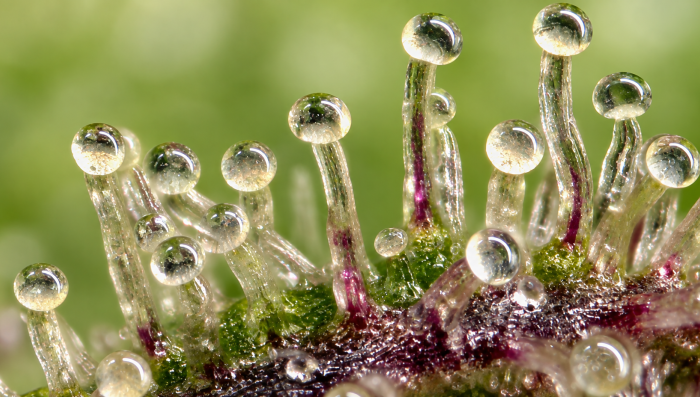
The maturity of the trichomes is one of the best indicators for determining when to harvest your cannabis plants. Trichomes generally go through three stages as they mature: clear, cloudy, and amber. Their appearance can help you assess maturity, and as a general rule, growers use the ratio of cloudy to amber trichomes to determine when to harvest and, to some degree, target slightly different effects.
The hard part is that trichomes are extremely small, so you’ll need a magnifying tool, such as a jeweler’s loupe or a digital microscope, to examine them clearly.
Trichome Maturity Stages and Effects
| Color of the trichomes | Content | Type of effect |
|---|---|---|
| Clear | Immature; Low levels of cannabinoids | Low potency and aroma/flavor |
| Cloudy | Highest levels of THCA | Strong psychoactive effect |
| Amber or yellowish | Higher levels of CBN | More relaxing yet still highly psychoactive |
As you can see in the table above, the different colors of the trichomes reflect their stage of maturity and can provide clues about potency and the type of effects you may experience.
Keep in mind that trichome color is a useful visual indicator of maturity, but it does not guarantee a particular cannabinoid percentage or subjective effect. Genetics, growing conditions, drying, curing, dosage, and individual response all play a role.
3. Best Magnifiers To Identify Trichome Stages
There are several types of magnifiers that can help you identify the different trichome stages, but not all of them are up to the task. Some simply don’t provide enough magnification to see the trichomes clearly. Below, we’ll cover a range of affordable and more expensive options that are worth considering and can help you get a clear view of your trichomes.
Handheld Magnifiers
Handheld magnifiers are super cheap and easy to use, but most don’t provide enough magnification to see trichomes clearly. Some models come with more powerful built-in lenses, but even these may not offer enough magnification to accurately identify trichome color. In general, handheld magnifiers can give you a closer look at your buds and a rough idea of trichome maturity, but they may not be precise enough for an accurate assessment.
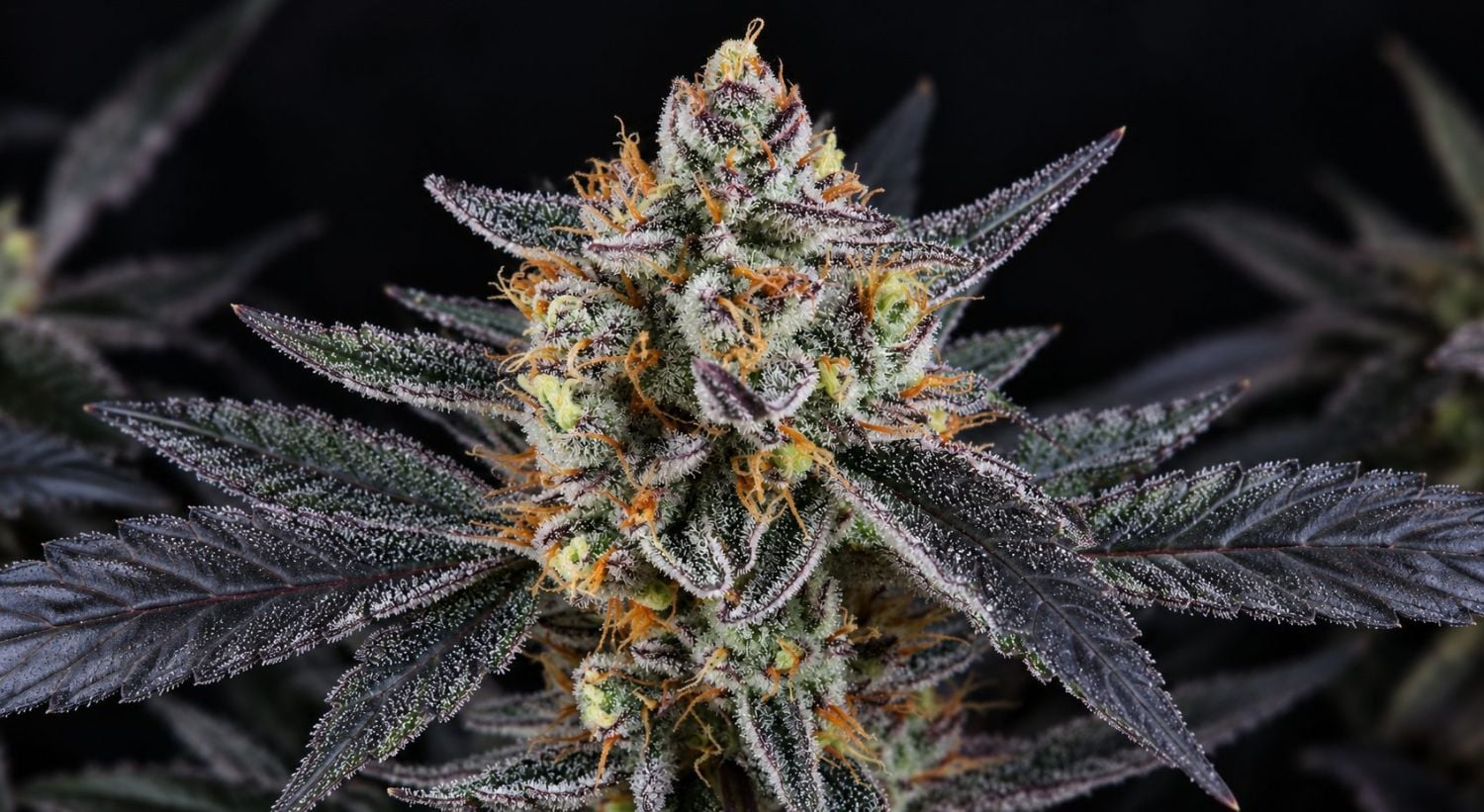
If you’re going to use a handheld magnifier, try to find one with a built-in light. Identifying trichome maturity with a magnifying glass can be difficult, but having proper lighting makes the job much easier. The best handheld magnifiers for identifying trichome stages are:
JMH 30x Handheld Magnifying Glass with Light - This is a pretty handy and inexpensive option. With 18 ultrabright LED units offering 3 lighting color options, simple on/off operation with just 3x AAA batteries needed for power, and a large 3.15-inch diameter lens, the JMH 30x Handheld Magnifying Glass with Light is one of the best handheld options available right now
Wapodeai Magnifying Glass with Light - This is a dual magnifying option. The main lens offers 3x magnification, and the smaller lens allows for 45x magnification. This dual lens setup can be helpful in identifying the exact point of magnification and is a great handheld option.
But, to be totally honest with you guys, handheld magnifiers do not really offer anything that you won't find with a jeweler's loupe. Jeweler’s loupes are just a way better option for inspecting trichomes, so it's probably best to skip the handheld magnifiers all together.

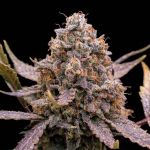
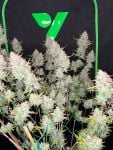


If you can only afford one magnifier, make sure to go for a magnifier with changeable heads. It will allow you to zoom in more without spending too much.
Jeweler’s Loupe
Jeweler’s loupes are probably one of the best options because they’re designed to examine the tiny details of gemstones. They’re not only cheap and convenient but also provide enough magnification to get a clear, close-up view of your trichomes.
This type of magnifier can also be placed over your smartphone’s camera lens, allowing you to take close-up pictures and examine the trichomes more carefully afterward. Good-quality jeweler’s loupes are also very sturdy, so investing in a reliable one means it can last for years.
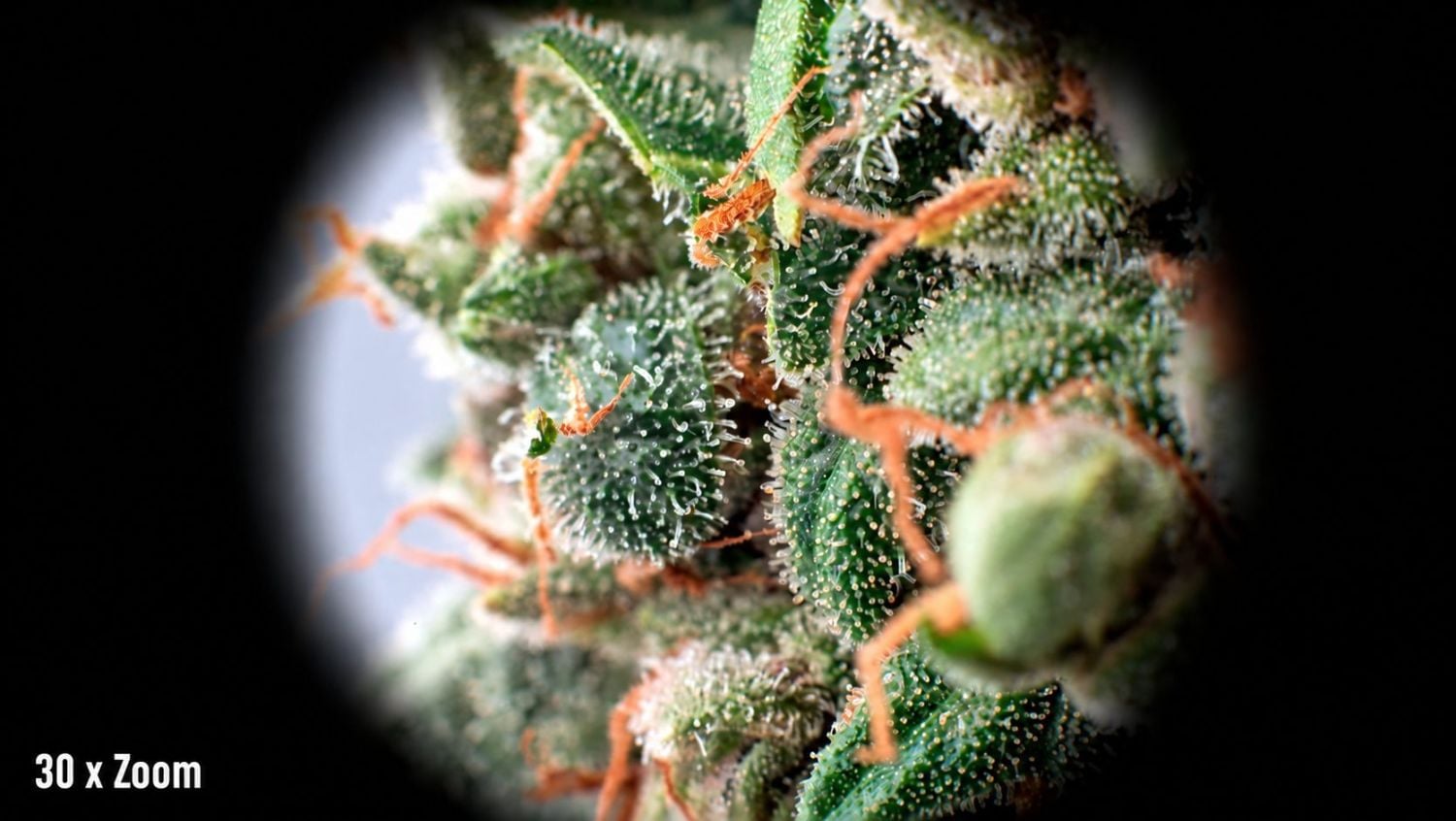
Again, look for a loupe with a built-in light. Without proper lighting, it can be very difficult to accurately identify the trichomes’ stage of maturity.
If you’re looking to buy a jeweler’s loupe but don’t know where to find a good deal, check out these options:
2 Pieces Jewelers Loupe 30X 60X 90X Illuminated Jewelers Eye Loupe - Coming in at less than $15, this option is perfect for the novice grower. With multiple magnification levels, an inbuilt light, and 2 separate magnifiers, it offers everything you will need.
2 Pieces Loupe Magnifier, 30X 60X Illuminated Jewelers Loupe Magnifier with LED Light - Another two-piece option, but in a slightly different style. Although this doesn't offer the 90x magnification option, you would very rarely actually need to inspect your buds with that intensity of magnification. This setup might actually suit cannabis cultivation a little better than the previous option, but does come in a few dollars more expensive. It is still incredibly cheap though.
10X 15X 20X 25X LED Magnifier Illuminated Double Eye Glass Jeweler's Loupe - This one is a little different from the last offerings, as this is an eyeglass setup instead of being handheld. This allows you to use both hands to manipulate the plant and can be easier to find the correct focal distance to see the trichomes clearly.
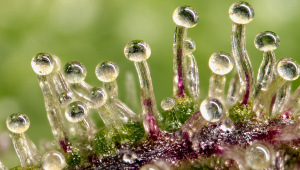
Smartphones
Smartphones can be very helpful when it comes to identifying trichome colors and are probably one of the most convenient options since most growers already have one. Although camera quality and magnification capabilities vary from phone to phone, you can still get a good idea of when your plants are approaching harvest, especially if your smartphone has a dedicated macro mode or a similar feature.
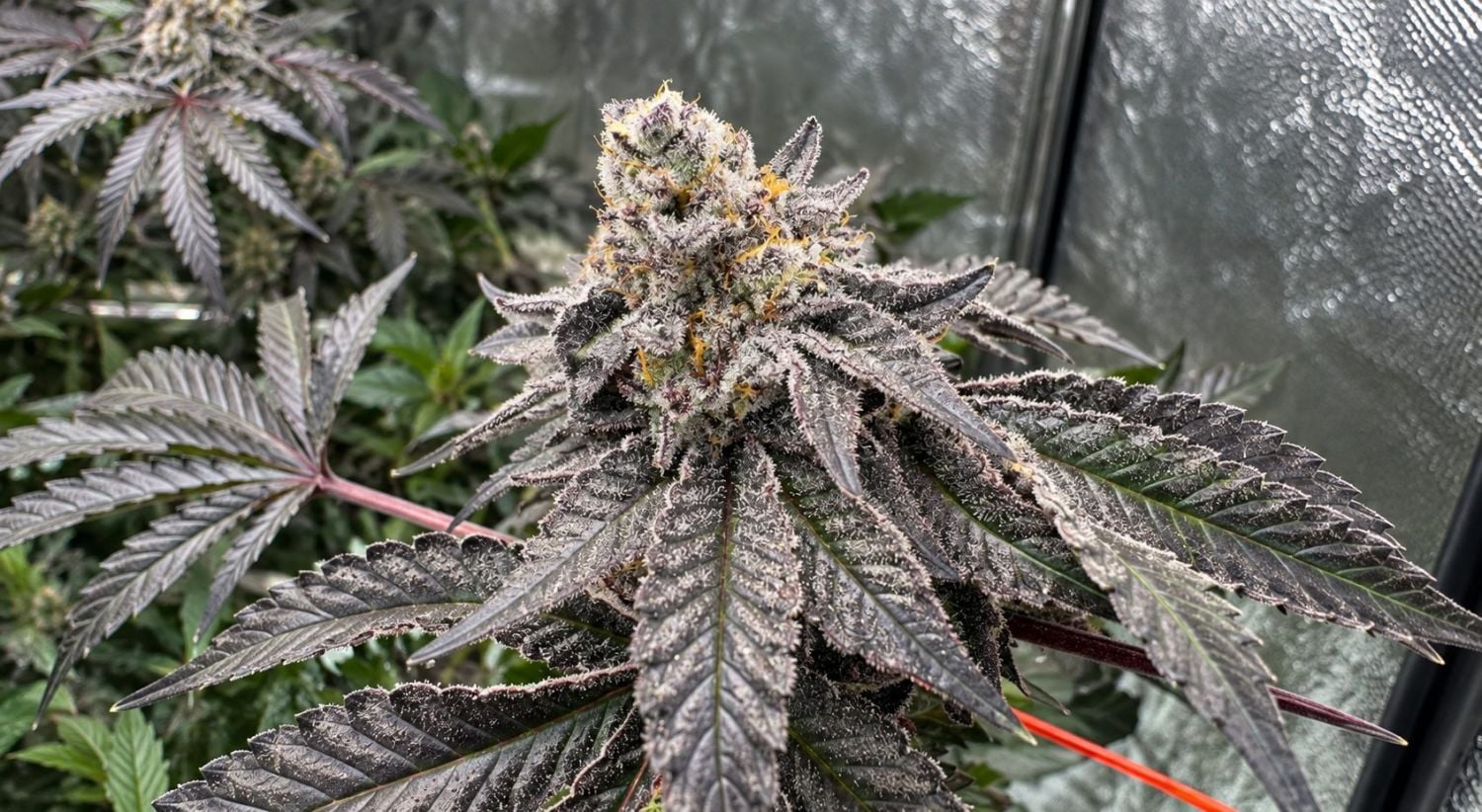
For clearer results, use your phone’s dedicated macro mode when available, lock the focus and exposure if the camera allows it, and brace the phone against a stable surface to avoid blurry images. Make sure to take your pictures under neutral white light as well. Keep in mind that digital zoom simply enlarges pixels rather than capturing additional detail, so a clip-on macro lens or compact digital microscope can be a worthwhile upgrade if you need a closer look.
For the clearest pictures, optical magnification is generally preferable to digital zoom. However, many modern smartphones can still give you a useful view of the trichomes, so there’s no need to buy a new phone just for this purpose if you already have one.
Tips for taking better trichome pictures
- Each camera is different, so try different settings until you find what works for you.
- Take a lot of pictures; this way, you’ll have more photos to analyze and make the right choice.
- Try taking photos closer, further, and from different angles in case some of the photos are not clear enough.
While most mid- to high-end smartphones usually have a macro photo setting (which allows for high magnification and close-up photography), many low-end options do not. Even the best smartphones in the world will sometimes struggle to focus close enough to grab a good shot of the trichomes. Thankfully, there are some really inexpensive options out there to boost smartphone camera capabilities, and these work great for checking out trichomes.

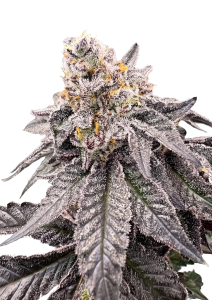
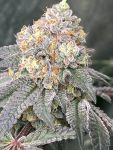
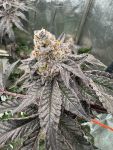
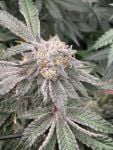
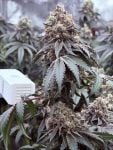
KINGMAS 3 in 1 Universal Fish Eye Lens + Wide-Angle Lens + Macro Clip Camera Lens Kit - This is the most budget-friendly option available right now, but don't let the cheap price fool you into thinking it's a useless piece of kit. The macro lens attachment actually does a really decent job of magnification. If you are on the hunt for a very cheap option, then check this one out.
Phone Camera Lens Kit 10 in 1 for iPhone Samsung Pixel Android, 22X Telephoto Lens, 0.62X Super Wide Angle Lens&25X Macro Lens - Now this set is a little more expensive, but as it comes with 10 different lenses the price jump is no huge surprise. The macro lens here is 25X, which makes it perfect for trichome identification.
Small Tabletop Microscopes
Small microscopes can be hard to use if you've never used one, but nowadays you can find microscopes that connect to your laptop or smartphone via USB, making them one of the best choices in this list.
Before buying, verify the device’s current app support and connector requirements (USB-C, USB-A, Lightning adapter, or Wi‑Fi) for your phone or computer. Also check whether its quoted magnification is optical or digitally interpolated. Built-in LEDs can make trichomes look more amber or more milky than they do in neutral light, so test the lighting before relying on colour.
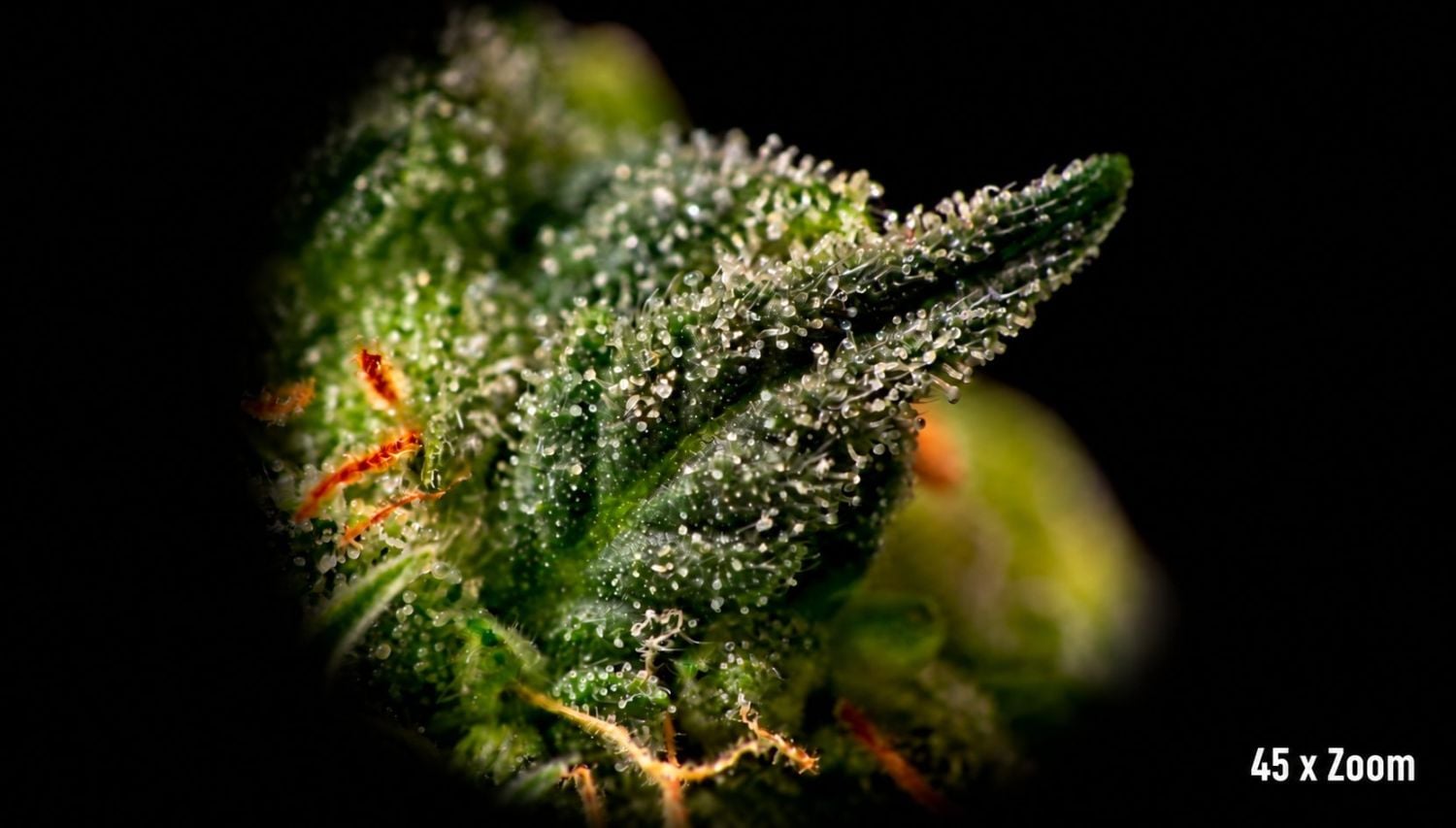
The downside is that they can be more expensive. Make sure to read reviews and check that it’s compatible with your smartphone or laptop.
Portable Microscopes
Portable microscopes are compact, pocket-sized devices that are relatively inexpensive. Depending on the model, they can be used on their own or attached to a smartphone, allowing you to take close-up photos and even record videos of the trichomes. This makes them a great upgrade from your smartphone’s regular macro mode.
Just keep in mind that smartphones vary in size and camera placement, so make sure the portable microscope you choose is compatible with your specific device. Our recommendation for a portable microscope is:
STPCTOU Wireless Handheld Digital Microscope 50X-1000X Portable Mini WiFi USB Microscope Camera with 8 LED Lights - This is actually the best tool for trichome identification that we have ever used. It connects to any smartphone or computer, has a powerful light, is easy to focus, and has video and still image capturing capabilities.
Big Microscopes
Regular, full-sized microscopes, including models that can be connected via USB, are great for getting a detailed look at the trichomes. However, they can be less convenient to use because you’ll usually need to cut off a small piece of the bud or leaf in order to inspect the trichomes properly.
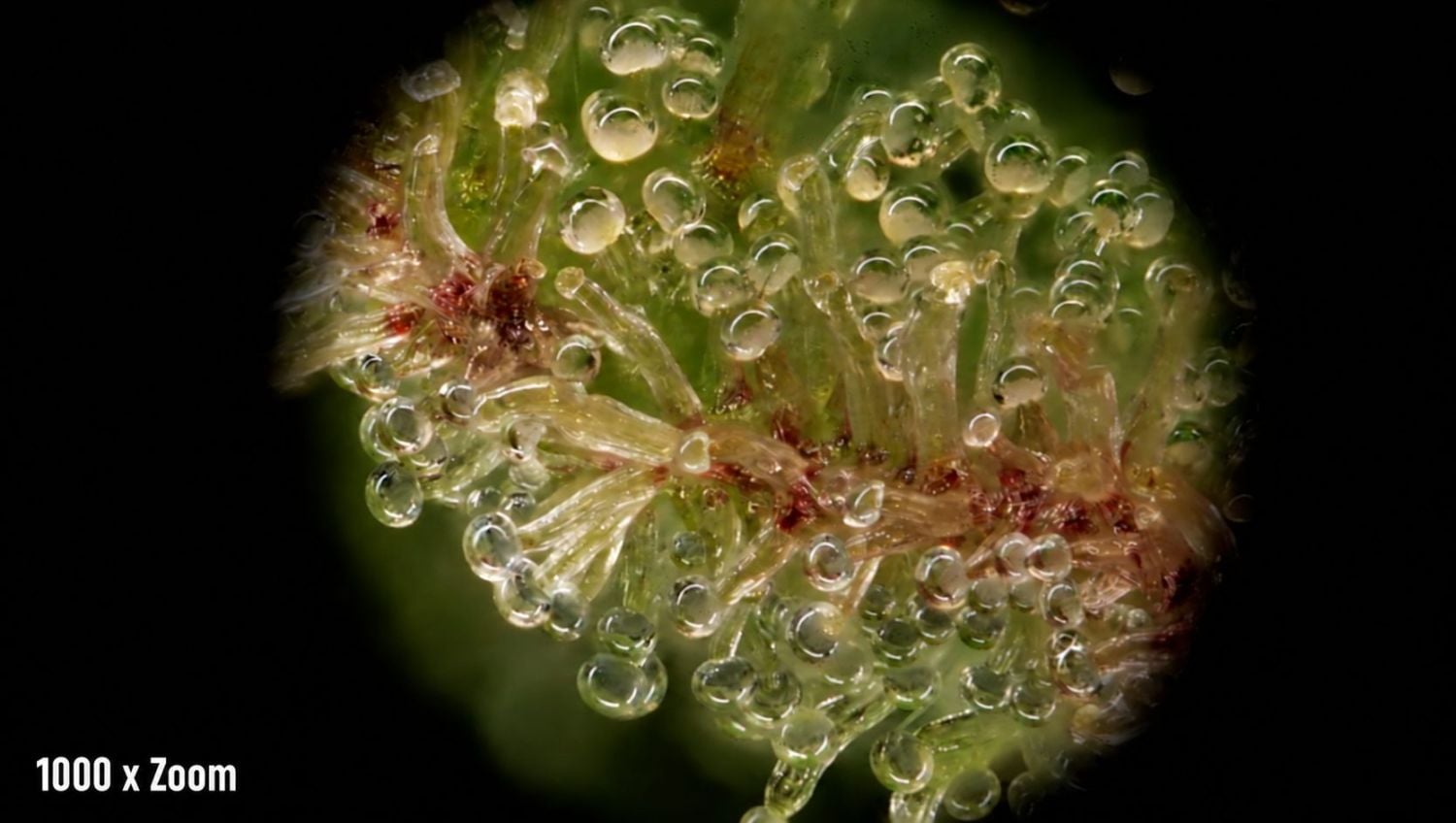
So, despite being one of the best options for getting a detailed look at trichomes, a full-sized microscope may not be as convenient as the other choices because it can be expensive, bulky, and more difficult to use.
4. What's The Best Tool To Check On Trichomes?
Now that you know more about the main options, it’s time to make a choice. First of all, it’s important to understand that there’s no single best option because every grower has different needs and a different budget. For the average home grower, however, a compact digital microscope is often a great choice because it’s relatively inexpensive and allows you to take high-quality photos and videos, making it well worth the investment. Just remember to check that it’s compatible with your smartphone or other device before buying.
A simple way to choose is to use a 30×–60× jeweler’s loupe for quick, low-cost checks directly on the plant, or go with a compact digital microscope if you want clear, stable photos and videos that you can compare over several days. If you need an exact cannabinoid profile rather than a visual estimate of maturity, laboratory analysis is the most appropriate option.
Keep in mind that product availability, compatibility, prices, and model quality can change frequently, so always check the latest specifications and recent buyer reviews before purchasing any tool.
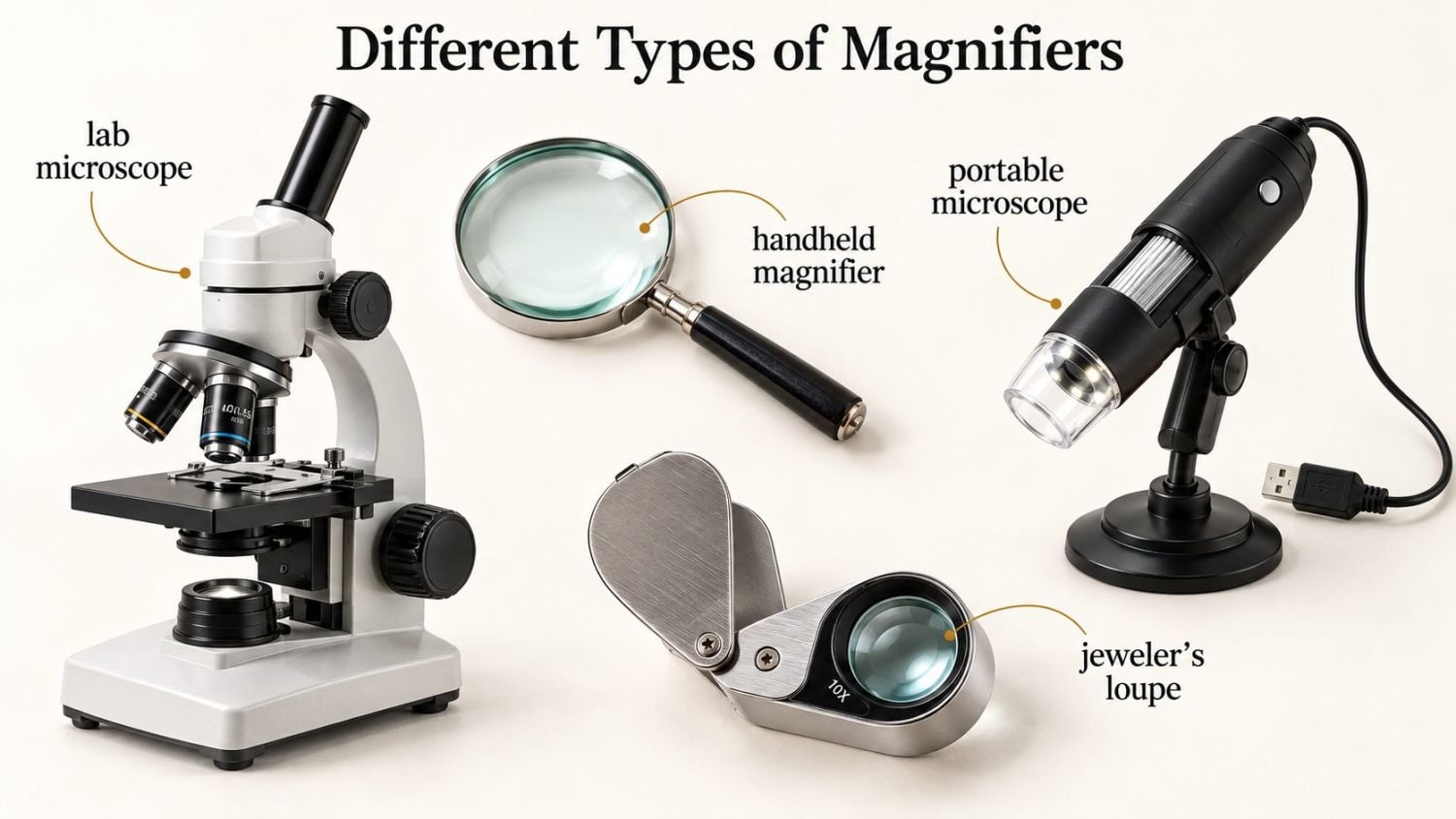
For commercial or professional growers, a professional camera with a macro lens or a full-sized microscope may be a better option. Although these tools are more expensive, they can provide extremely detailed, high-quality images of the trichomes.
For those who want to check trichome maturity without spending much money, a regular magnifying glass or jeweler’s loupe can get the job done and will give you a good enough view of the trichomes to help determine when your plants are reeady for harvest.
5. In Conclusion
Even though you can harvest great flowers without checking the trichomes, keeping an eye on their maturity is highly recommended because it can help you determine the right harvest window and, to some extent, target the type of effects you prefer. So, while a magnifier isn’t essential for growing good cannabis, the tools mentioned in this article can make it much easier to assess trichome maturity and choose when to harvest. Don’t be afraid to experiment with different trichome maturity stages to find what works best for you!
If you use any type of magnifying tool to determine when to harvest, feel free to help fellow growers by sharing your magnifier of choice and your preferred cloudy-to-amber ratio in the comments below!
FAQ
A 30×–60× jeweler’s loupe is usually enough to distinguish clear, cloudy, and amber trichome heads. A digital microscope can make inspection easier if you want photos or video.
Not necessarily. Very high magnification can make focusing, lighting, and holding the image steady more difficult. For harvest checks, a sharp and stable image matters more than an inflated magnification number.
You can, especially if your phone has a dedicated macro mode. For more reliable close-ups, use a clip-on macro lens or a small digital microscope.
Yes. Good lighting makes it much easier to see trichome heads clearly. Neutral white light is preferable because coloured LEDs can make trichomes appear more amber or milky than they really are.
Inspect trichome heads on the flower’s calyxes or bracts. Sugar leaves can mature earlier than the flower itself, so they are less reliable for deciding harvest timing.
Yes. Look at several flowers from the top, middle, and lower sections of the plant.
No. A magnifier can help you assess visual maturity, but it cannot measure THC, CBD, terpenes, or other cannabinoids. Laboratory testing is required for an exact cannabinoid profile.
An illuminated 30×–60× jeweler’s loupe is often the easiest place to start. It is inexpensive, requires no app or connection, and lets you inspect trichomes quickly.
Some are, but many standard reading-style magnifiers do not provide enough detail. A loupe or compact microscope is usually a better choice for clearly identifying trichome stages.
They can be a great option if you want to take photos, record video, or compare trichome development over several days. Before buying, check device compatibility, connector type, app support, and whether the stated magnification is optical or digital.
Many portable and digital microscopes can be used directly on the plant. Larger tabletop microscopes may require a small sample because they are harder to position around an intact flower.


Comments