




Gorilla Z Auto: Population Test Reveals Stability, Resin, and Fruit-Forward Terpenes

A closer look at Gorilla Z Auto during one of our population tests.
This line comes from crossing Gorilla Auto F6 with Z Auto F5, bringing together the resin production and structure of classic Gorilla genetics with the fruit-forward terpene profile of the Z line.
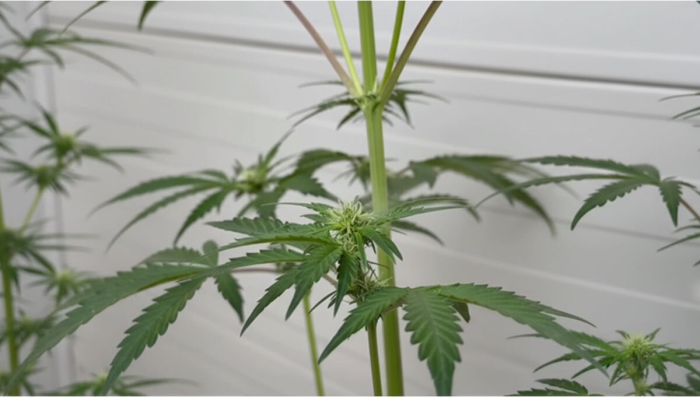
In this run the objective was to evaluate the population behavior at scale. One of the first things that stood out was the level of stability across the group. Structure is very consistent, with a clear sativa-leaning expression throughout the population. All individuals develop tall, vigorous plants with strong branching and relatively tight internodal spacing, which allows the branches to fill quickly with flowers.
Another key point is terpene uniformity. Across the population we observed a very consistent aromatic profile, sweet and sour fruit candy notes with subtle citrus peel and earthy undertones. The nose is loud and recognizable from plant to plant, which is always a good sign when evaluating a line at population level.
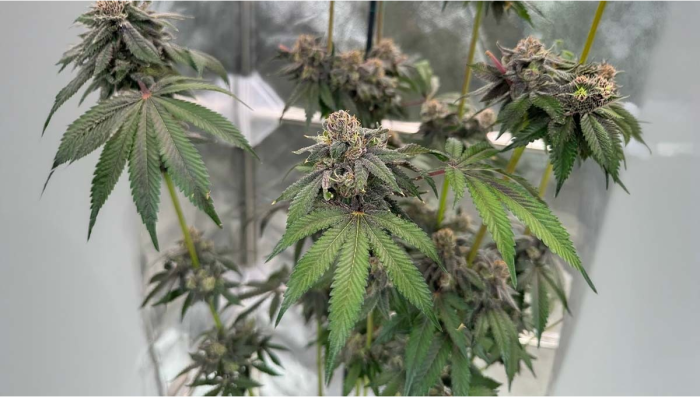
Yield potential is another strong characteristic of Gorilla Z Auto. Plants produce large amounts of biomass while maintaining strong flower density and resin coverage. The buds develop into large, tennis-ball-sized formations, heavily coated in trichomes and typically showing dark green tones with bright orange pistils.
Under stable conditions, the cycle finishes in around 90 days from seed, producing large plants with strong branching and heavy flower stacking along the entire structure.
Overall, Gorilla Z Auto shows the type of consistency we look for in a stabilized line: uniform structure, predictable development, solid terpene expression, and strong productivity across the population.

Comments