




New version of Gorilla Cookies Auto
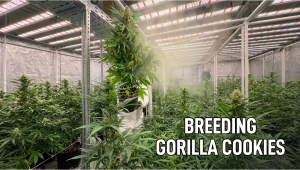
New version of Gorilla Cookies Auto
The official start of the Gorilla Cookies Auto 2026 production cycle.
Based on the wishes and feedback of our customers, we shaped this strain through genetic selection to be tall, well-structured, and highly productive, with a strong final yield. In this run, our task is to stabilize the variety while preserving its strengths and maintaining overall quality - finding the right balance. As the size of the mother plants increased, the total cycle time also became longer, which is critical for autoflowering strains. In this round, we will select moderately tall, well-structured, and highly fertile phenotypes to ensure that the final product quality is as suitable and consistent for the consumer as possible.
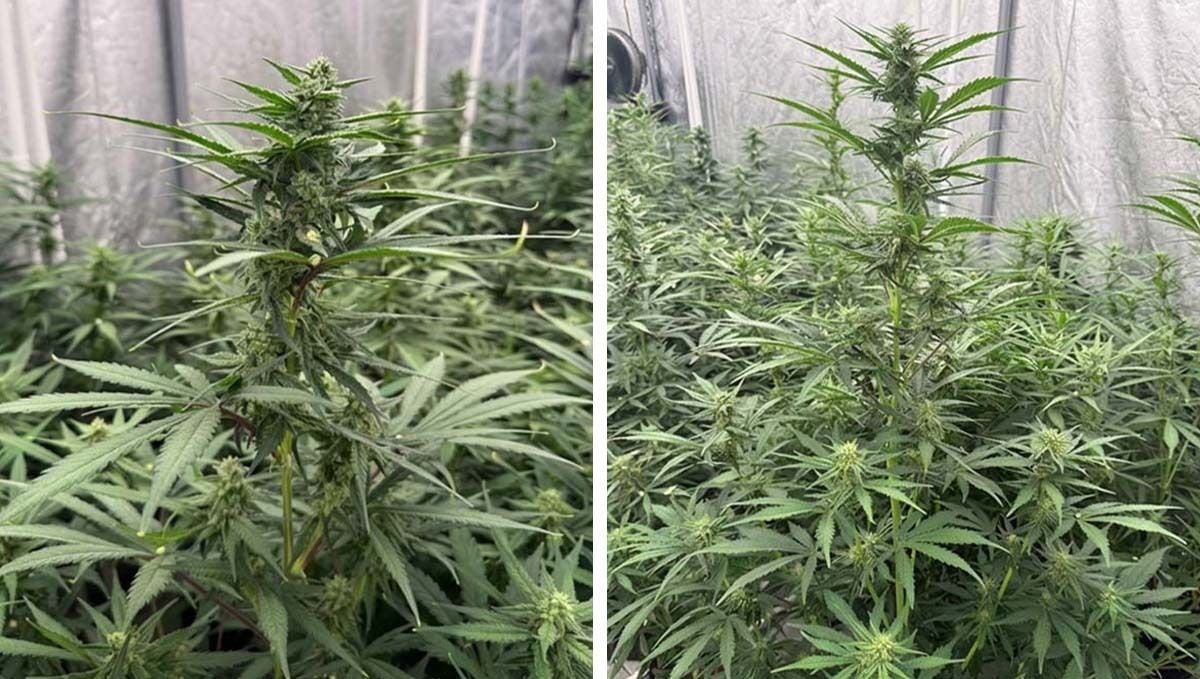
As part of our standard model, we begin with the future pollen donors. They are always planted ahead of the mother plants to ensure proper synchronization at the later stages of the cycle. Our main goal is to hit the pollination timing correctly - when the mother plants open their stigmas and are ready to receive pollen for fertilization, while the father plants are already in their active pollen-release phase, with their buds opened and mature pollen available.
Germination of Male plants
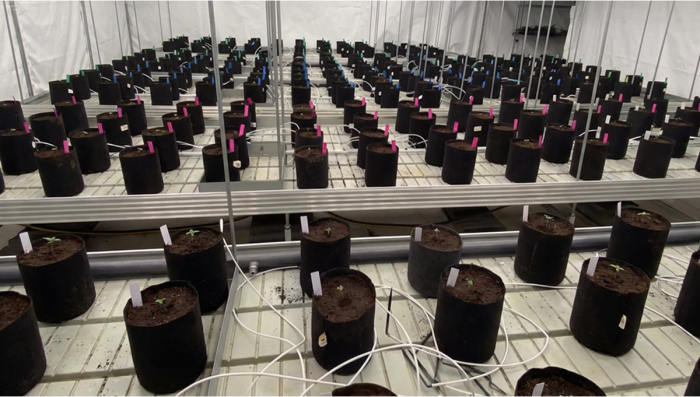
Seeds are initiated under controlled conditions, focusing on clean handling and strong early development. For germination , we use the most common and proven method - placing the seeds in a glass of clean water and leaving them in a dark, favorable environment for 2-3 days. After successful germination, the sprouted seeds are transferred into peat starter plugs, a method that has consistently demonstrated high reliability throughout our production cycles. They are then placed under low, diffused light at around 50-80 PPFD with an 18/6 light cykle for few more days.
Once the seedlings shed their shells and develop their first root , they are transplanted into a coco-based substrate enriched with humus at an approximate 85/15 ratio. We intentionally avoid using perlite - not because of performance concerns, but because all used substrate is sent for recycling after each cycle, and local regulations require a fully recyclable growing medium.
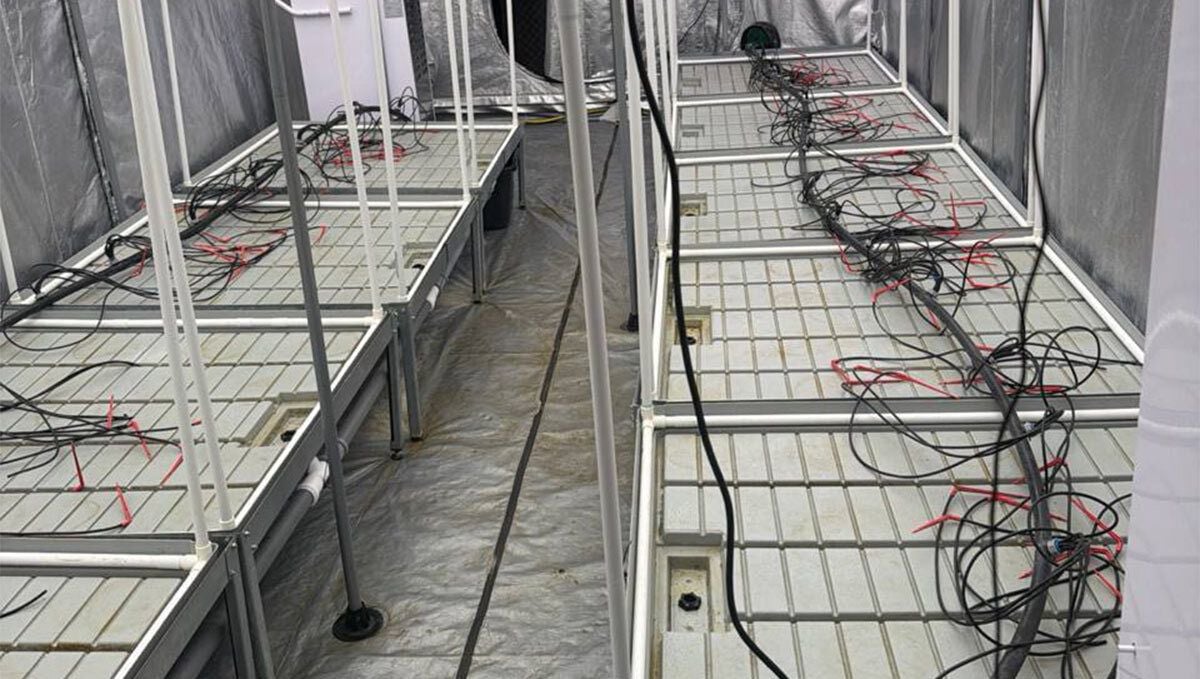
All plants are moved into a thoroughly cleaned and disinfected grow space prepared specifically for the first week of development, ensuring a sterile and stable environment from day one. Conditions are kept max favorable for young plants: high humidity at around 75%, a comfortable temperature of 25-26°C, and gentle non-intense light at approximately 80-100 PPFD.
For our standard production, we plant around 20 male plants, after meticulous selection, we are keep the 3 strongest pollinators. During the selection process we evaluate all key factors: whether the plant showed early or late development, overall structure, how well it reversed after STS sprays, general stability of genetic , and how consistently it responds to stress conditions.
Mothers Introduced to the Grow Space
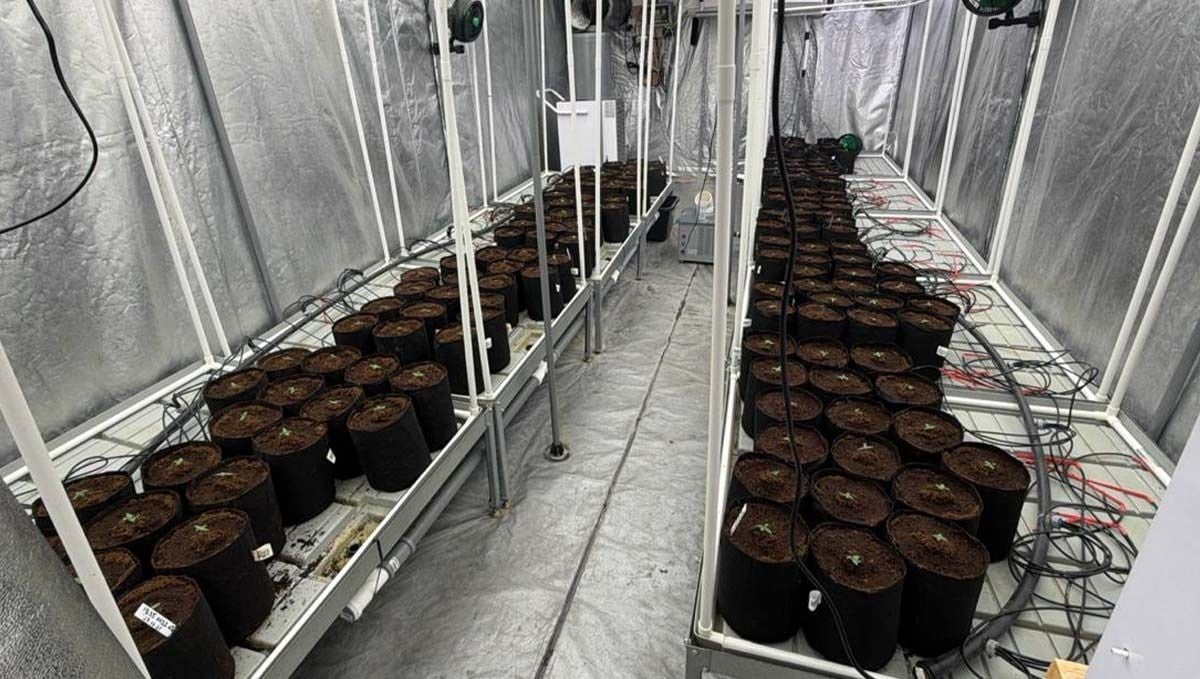
This stage marks the moment when the main group of mother plants joins the production space. By this time, the male plants have already been developing steadily for several weeks, forming a strong and stable foundation.
The mother plants go through the same soaking, germination, and substrate planting process that the fathers previously underwent. At this point, the mother plants are introduced into the same space as the male plants, under the same favorable conditions, and begin their development side by side. At the beginning, we soak and plant around 170 mother plants. After all subsequent selection stages, in accordance with the strain’s standards, only about 60-70 of the best mothers remain with us by the time of harvest. This is because our goal is not only reproduction, but also the stabilization of the variety.
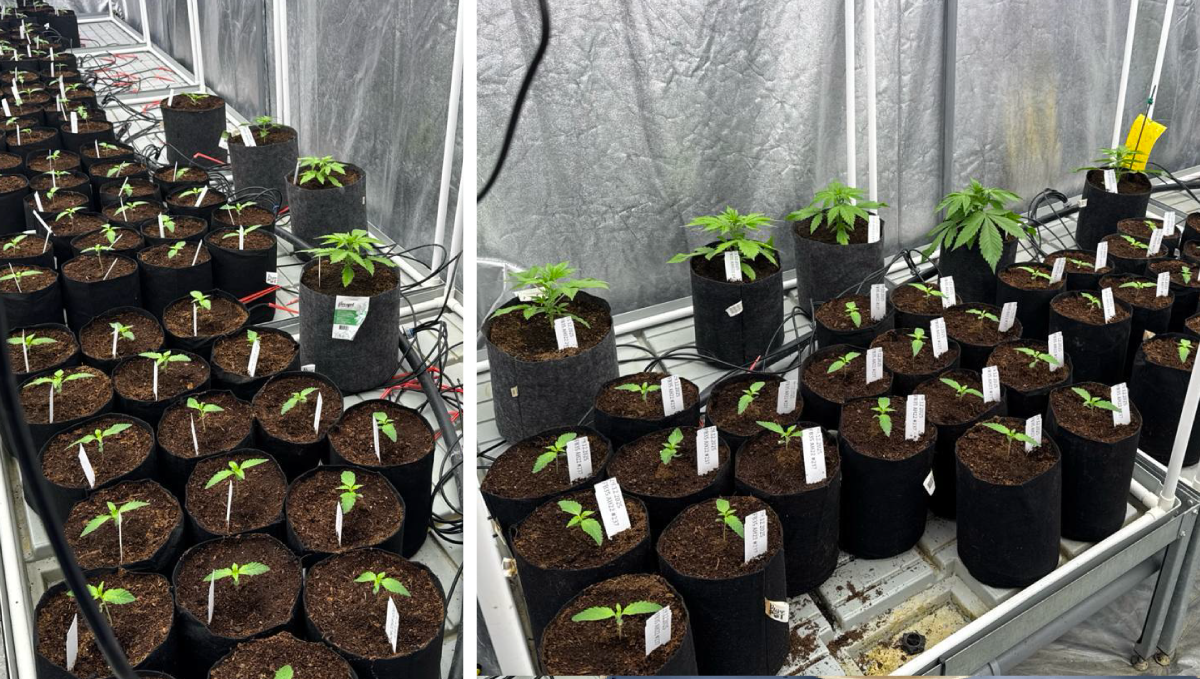
This transition is a key synchronization point in the cycle. Bringing the mothers into the tent at this stage ensures aligned development, controlled timing, and a balanced progression toward the next critical phases.
Selection and Spraying the Males with an STS Solution
Over the past period, the males continued their active development and have already undergone three rounds of STS application. At this stage, their structure and overall response clearly indicate that the reversal process has progressed as expected and is now approaching its natural transition point.
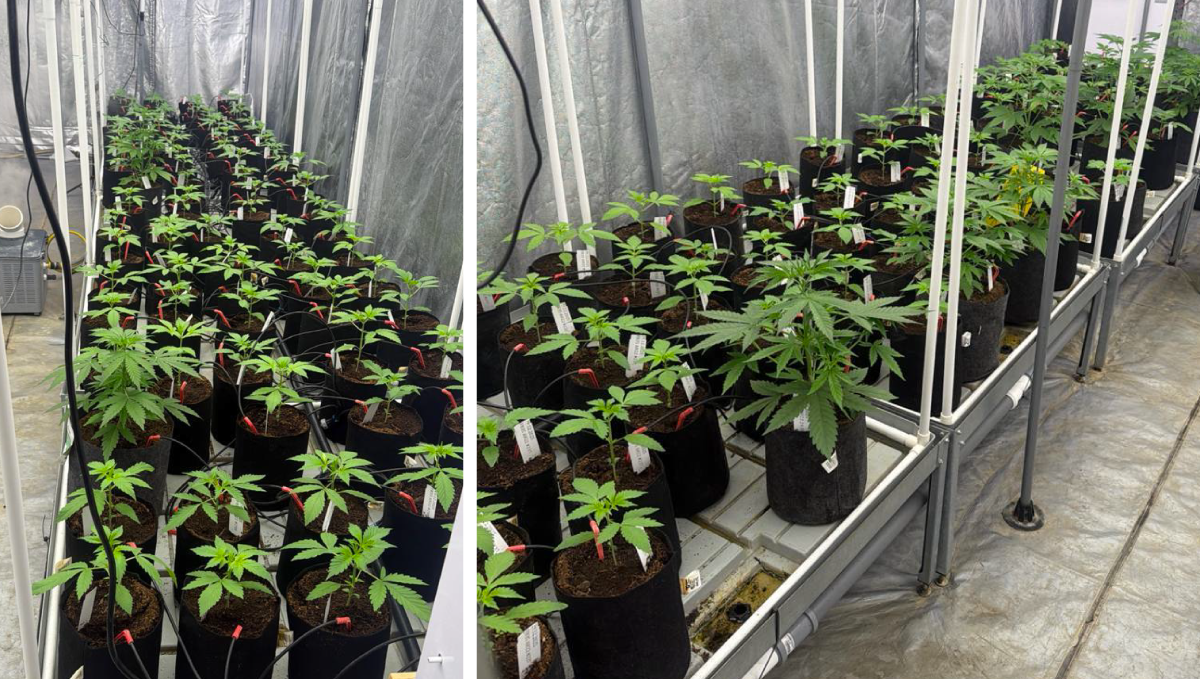
At the same time, the mothers have also gained noticeable size over the last few weeks, bringing us to the next important step: first selection. Plants that did not meet our standards were removed from the cycle. This includes individuals with irregular stem structure, improper leaf positioning, excessive stretch, visible mutations, or other traits that fall outside our target profile.
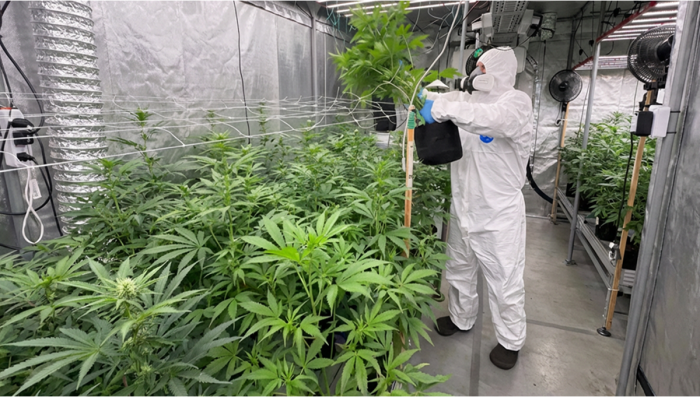
In the video, you can see the current condition of our Gorilla Cookies plants after this first selection. What remains now is a much more uniform and balanced group. On this step we keep around 110 mother plants.
With fewer plants sharing the space, each individual now has enough room for proper development. Stigmas have space to form freely, and overall vegetative growth is no longer restricted. As expected, this immediately reflected in visible growth - something clearly noticeable when comparing photos taken just one week apart.
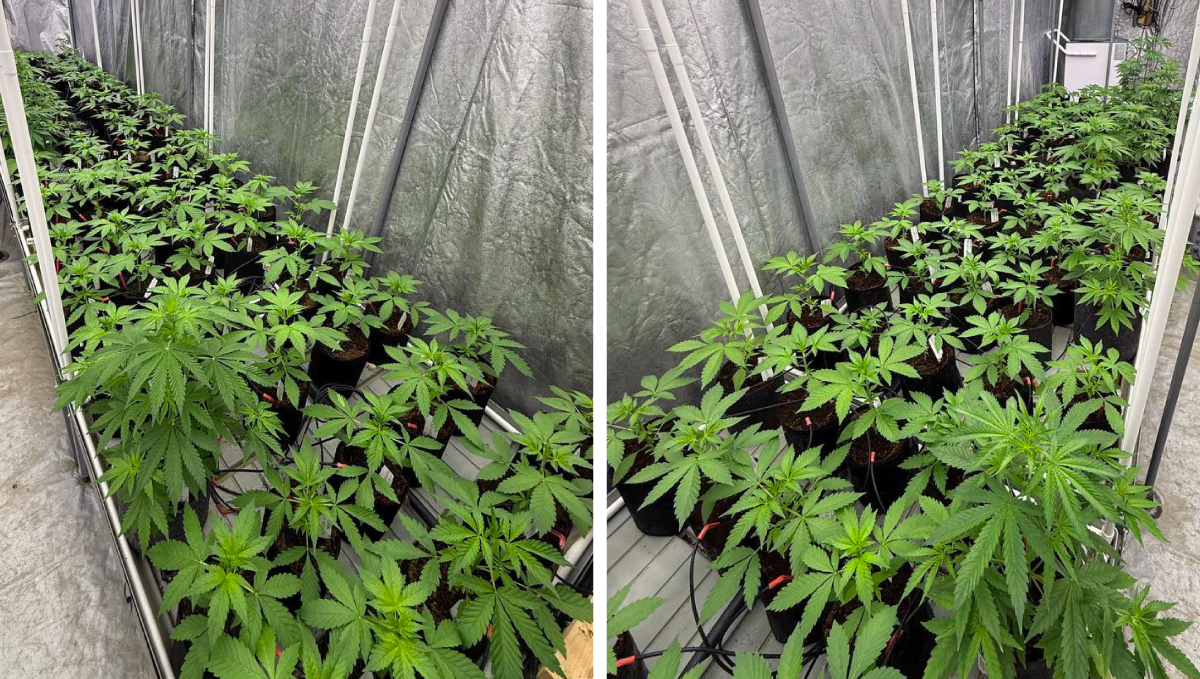
During this period, water consumption increased significantly, so automated irrigation was introduced. The system now supports multiple feedings per day, while still allowing flexibility when plants show that fewer cycles are sufficient. This adaptive approach helps maintain stability without pushing the plants unnecessarily.
Light intensity has been gradually increased as well. Every few days, power levels are adjusted to maintain even development across the canopy, ensuring that by the time plants enter pre-flower, they are already operating at around 45–50% of the lamps’ peak output.
After some additional time, the males clearly signaled that further silver application was no longer required. From this point forward, they continue their development not as reversed females, but as fully expressed, strong males. That moment when the first pollen sacs become visible - is always a satisfying confirmation that everything is moving in the right direction.
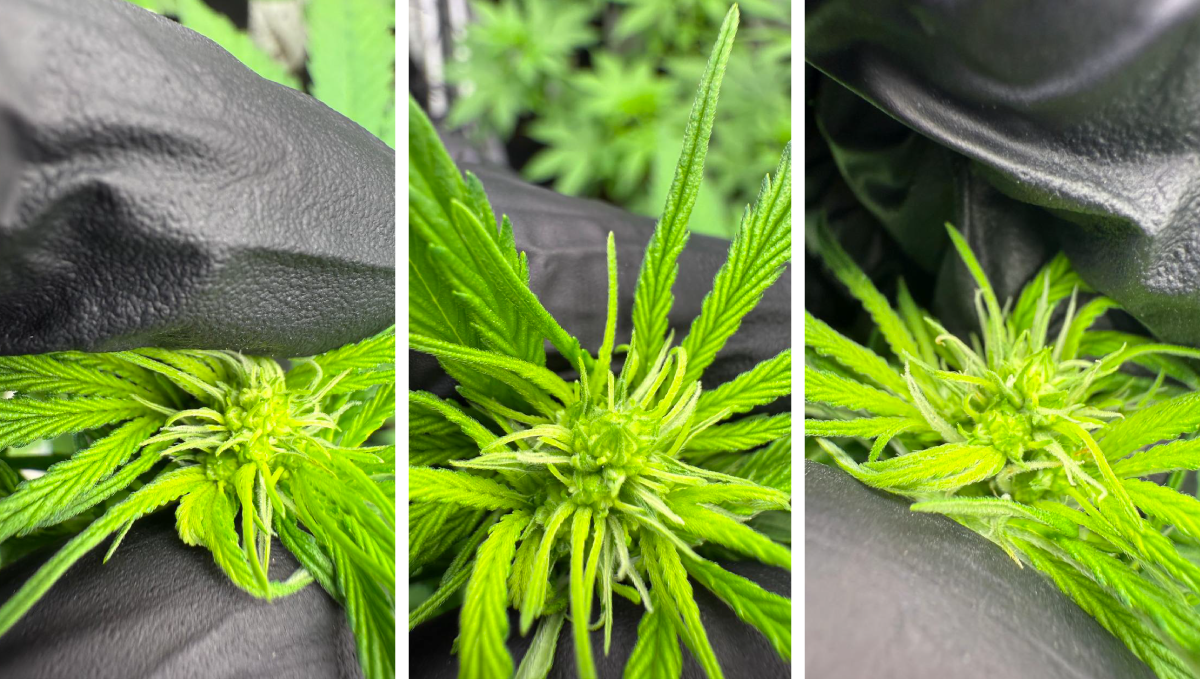
Now, all that remains is to allow both fathers and mothers to continue developing together until the pollination phase begins. We’ll cover that process in the upcoming updates.
Pre-Flower Defoliation Phase
While the males continue their development and approach their own selection stage before pollination, we shift part of our focus to the mothers. At this point in the cycle, plants are entering pre-flower, and the first stigmas begin to appear at the internodes: a clear signal that they are ready for mild, controlled stress.
This moment is ideal for the first defoliation. We remove the lower “skirts” along with two to three lower layers of large fan leaves. This opens up light access to the side colas and helps guide the plants toward more even and balanced growth. Just as importantly, it reduces overcrowded zones where excess moisture could otherwise accumulate.
Upper fan leaves are intentionally left in place. At this stage, they play a crucial role as an internal energy reserve, acting like additional batteries for the plant. Beyond root uptake, these leaves help fuel development and support overall plant momentum as the cycle moves closer to pollination.
This defoliation marks a subtle but important transition clearing the structure without slowing progress, and preparing the mothers for the next key phase: next selection and polination.
Why defoliation matters?
Defoliation at this stage is not just about shaping the plant it’s a strategic tool for steering development. By selectively reducing excess leaf mass, the plant is encouraged to redistribute its energy more efficiently, focusing on productive growth zones rather than maintaining unnecessary foliage.
Improved airflow and light penetration help stabilize the microclimate within the canopy, which becomes increasingly important as plant density rises. This reduces the risk of localized humidity buildup and allows the plant to maintain a more balanced physiological rhythm.
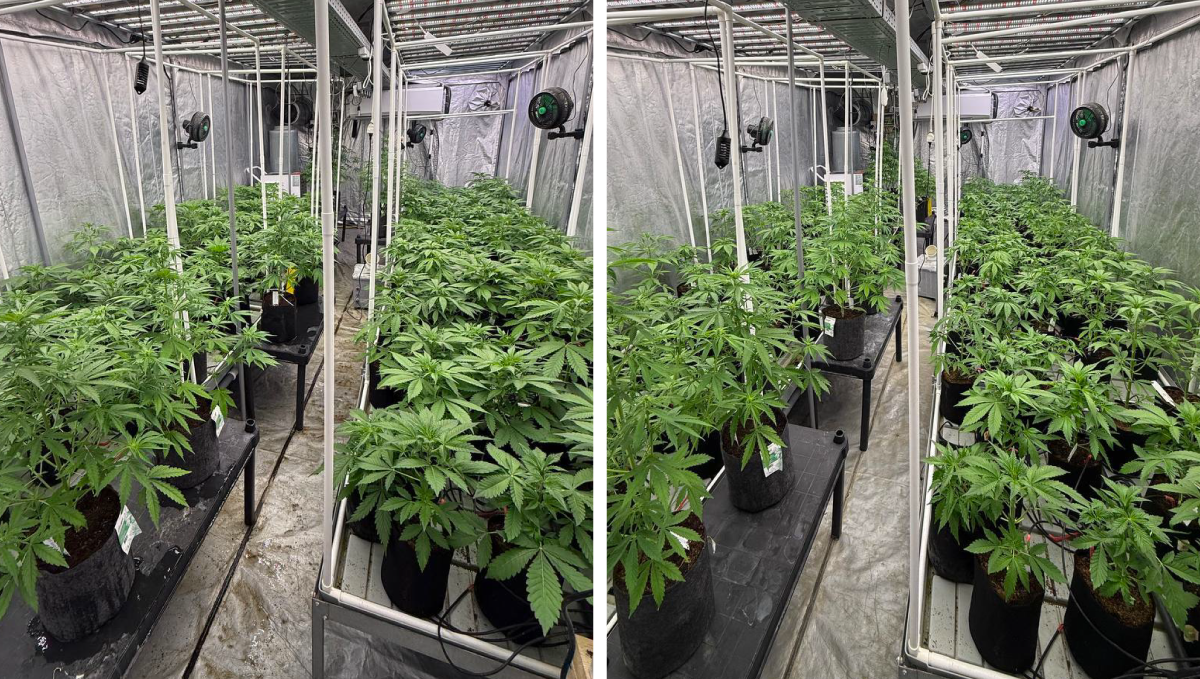
When done at the right moment, defoliation does not slow the plant down. On the contrary, it helps align structure, growth direction, and energy flow, creating a cleaner, more predictable transition into the next phase of the cycle.
Visual Update
In today’s update, we want to show the current state of our future fathers and how the mothers have responded after defoliation. This moment clearly reflects how the cycle has come together and how well the timing has been aligned.
In the collages featuring the mothers, you can see how defoliation has pushed the plants forward. Growth has noticeably accelerated, and structure has become more open and balanced. By removing unsuitable plants during selection, we not only cleaned up the genetic pool but also gave the remaining mothers the space they needed to fully express themselves. This combination of selection and defoliation landed perfectly within the cycle timing.
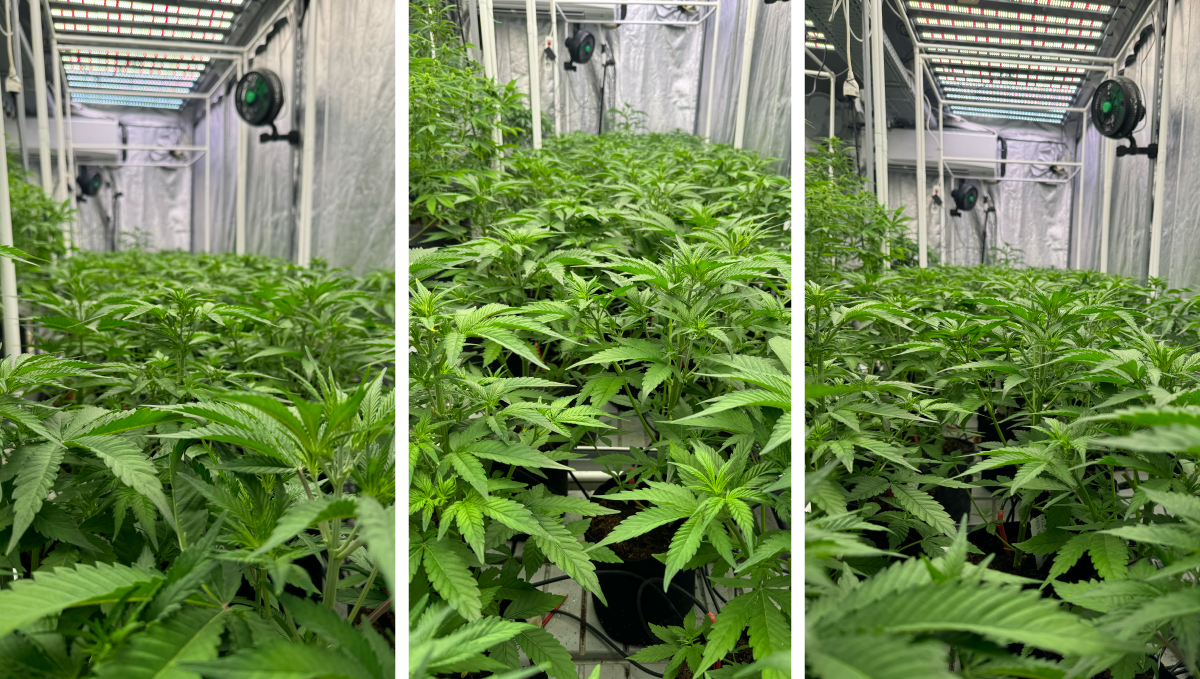
Gorilla Cookies continues to prove why it remains one of our most stable and reliable lines. Run after run, it shows consistency, strong structure, and predictable behavior. It is no surprise that this variety remains one of the favorites and continues to be among the leading strains appreciated by so many growers.
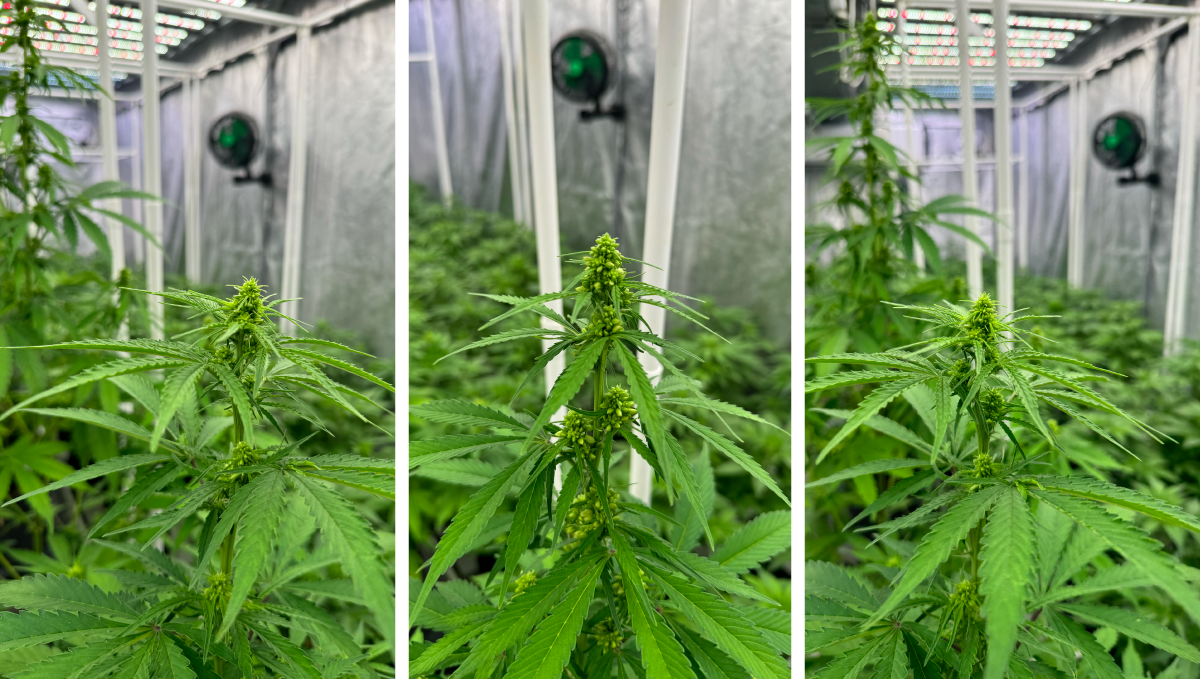
Behind the scenes, we are also sharing a look at the fathers. And honestly, this stage is something special. Watching males develop is always fascinating. With every new pollen sac, the excitement only grows. It is a process that never gets old, both technically and visually.
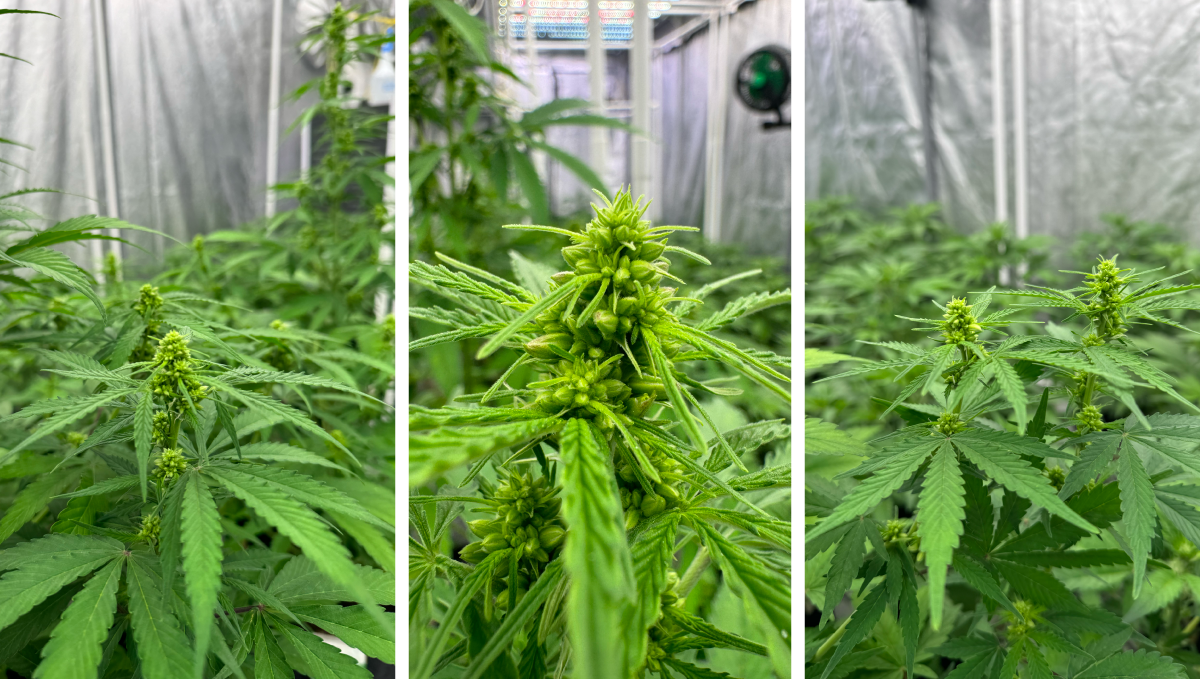
Take a look at them. Strong structure, confident expression, real presence. These are proper males, and there is really not much more to add.
In just a few days, we will select the final three fathers that will work across all mothers. This will be their final selection stage and a key step before moving forward into pollination.
Prepare to Pollination Phase
This week marks the start of pollination for our mother plants.
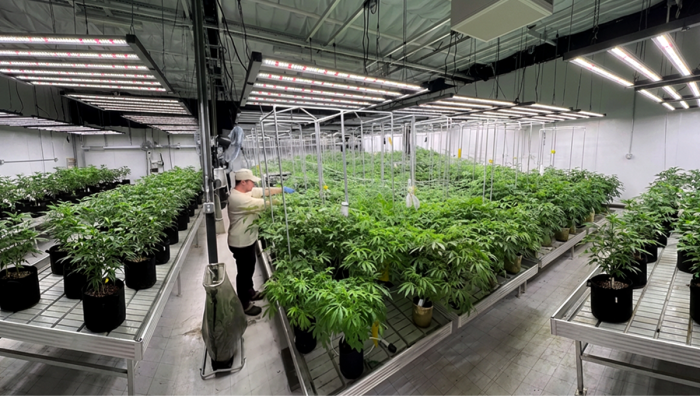
At this stage, we carry out the final defoliation before pollination, along with the last round of selection and plant arrangement. The goal now is to fully prepare the plants for the pollination process - removing excess foliage that would otherwise interfere with pollen reaching the lower and side colas, where stigmas are already open and ready to receive it.
Clearing unnecessary leaf mass also plays an important environmental role. By reducing plant density, we help maintain lower humidity levels inside the grow room. At this point in the cycle, it is especially important for the fathers to remain in low-humidity conditions, as this significantly improves pollen performance and allows for a longer viable release period.
During defoliation, we also reorganize the plants in a structured layout based on phenotypes. This allows us to clearly observe variation within the population and simplifies the selection process. Our objective is to minimize phenotypic diversity as much as possible, aligning the plants toward a uniform expression and preserving the genetic identity of the population.
We managed to narrow the selection down to 90 plants.
With structure cleaned, airflow optimized, and phenotypes carefully positioned, the room is now fully prepared for the pollination phase to begin.
By this moment, the father plants are just about to begin releasing pollen — and that’s when the magic truly starts.
The Beginning of Pollination
And here it is — the moment X has arrived.
The pollen sacs on the father plants are beginning to open. Everything is going according to plan. The mother plants have fully opened their stigmas and are ready to receive the fathers’ pollen, moving forward into the next stage — seed development.
Throughout this week, the male plants will actively produce viable pollen, which is transferred onto the stigmas of the female pistils.
During this time, the process of ovule formation begins. As a result, the flowers start developing seed bracts, inside which the seeds will gradually mature.
Formation of Seed Primordia
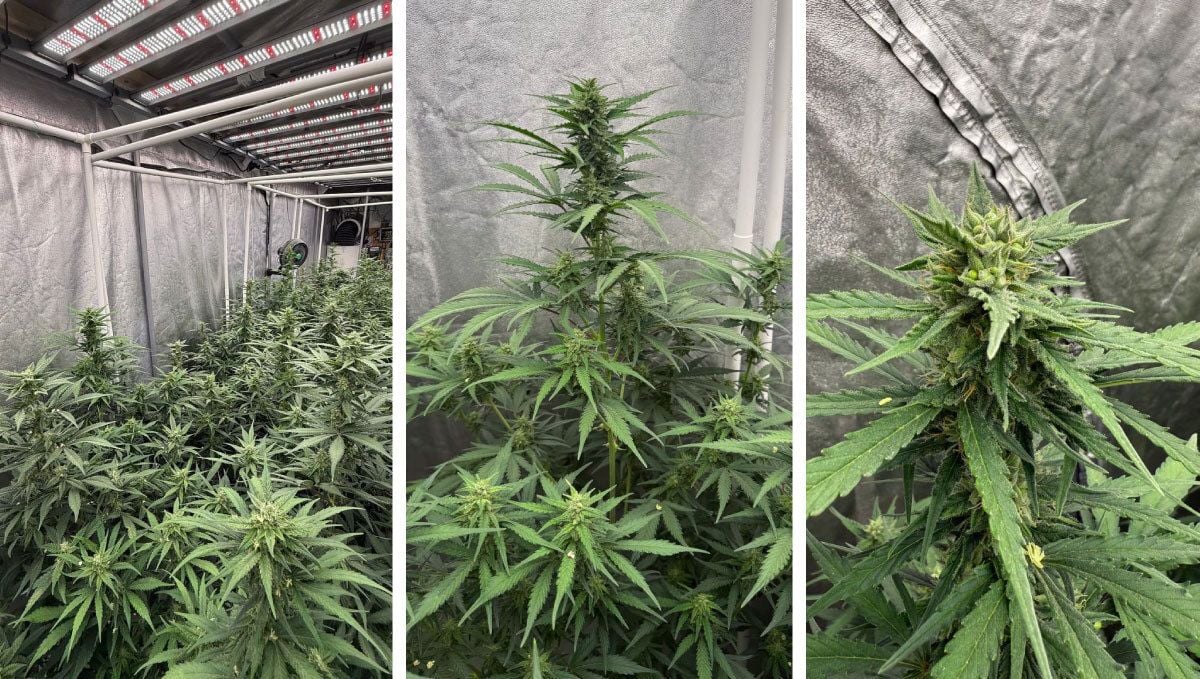
After a week of intensive pollination by the fathers, we can clearly observe the active development of the seed bracts. The process is moving perfectly according to plan.
It is incredibly satisfying to watch how just a few fathers are creating an entire population — tens of thousands of future seeds. But this is only the beginning. Ahead of us lies the final selection stage, where we will evaluate the plants based on how they build their buds and how they present themselves in full flowering.
After a week of active pollination, the father plants were destroyed, as they had already fulfilled their role. Now the responsibility lies solely with the mother plants — their task is to properly form and develop the seeds until full maturity. Our task, in turn, is to maintain favorable conditions so the plants can successfully develop the seeds.
Seed maturation in the calyxes and finally selection
After several weeks, the mother plants went through the one more selection. The criteria were based on the appearance and density of the buds they formed, as this directly influences the future genetics and the structure of the plants grown from this harvest. As a result, 50 of the strongest and best plants remained with us - the ones worthy of continuing the Gorilla Cookies line.
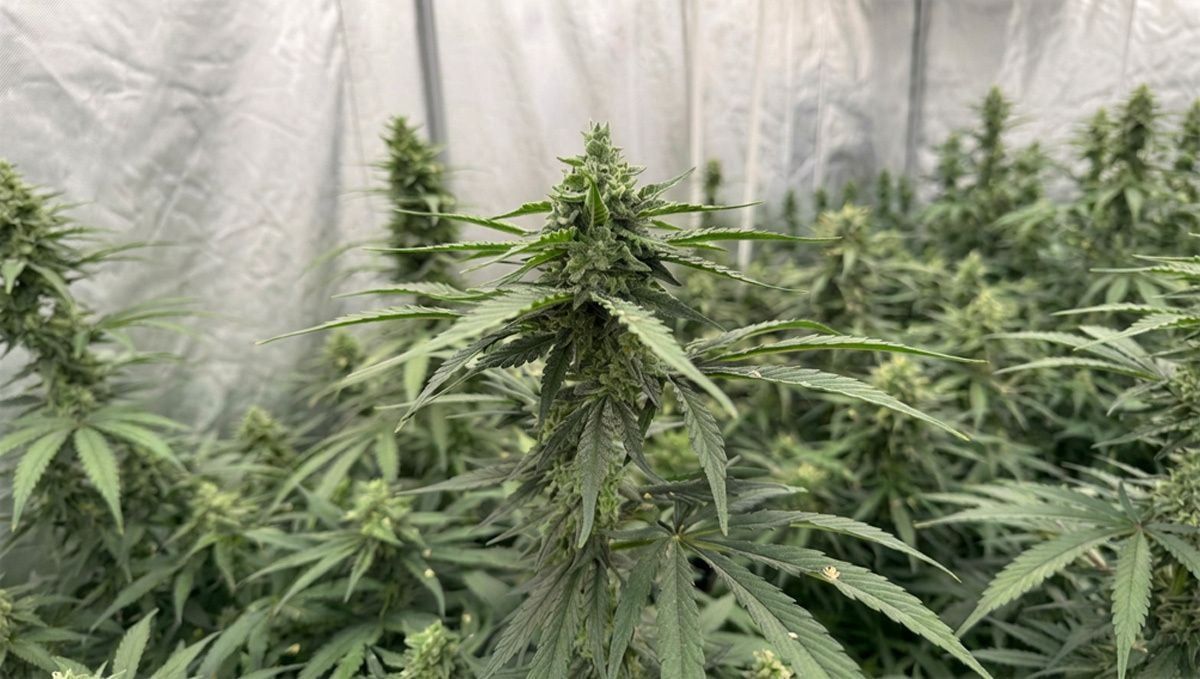
Just take a look at these beauties. The best selected plants, with fully packed buds carrying hundreds of seeds on every branch. The plants are at their finest stage right now - the aroma during peak flowering inside the room is incredible. It’s no surprise this strain has become so loved by many growers: a uniform structure, massive buds, and a bright aroma of citrus and cookies with dominant earthy notes.
We’re eagerly waiting for the harvest to test the original seeds, and later the final product itself.
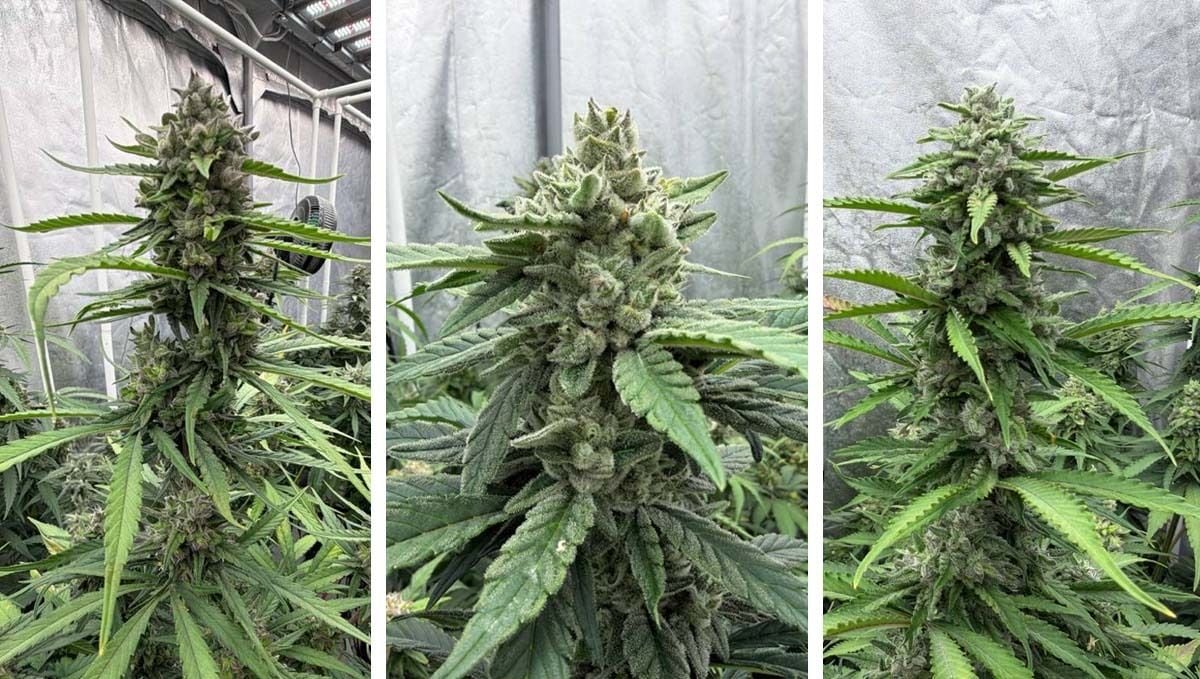
In just a few weeks, the plants will reach their final stage, where they will undergo the last round of selection. Every bud will be carefully examined and rechecked, and each plant’s structure will be documented and captured in photos for further work and testing.
Two Weeks Before Harvest — The Final Stage of the Cycle
The finish line for this cycle is finally coming into view: final selection is done, all data is logged, photos are taken, and the standout tops are chosen. This is the moment when you can finally pause for a second and just look at what this run has turned into.
This is also the last time the plants look truly “perfect” — over the next two weeks, they enter their closing stage. Day by day, they will pick up warm autumn tones, while the leaves naturally dry, fade and let go, as the canopy slowly shifts from lush green to a more mature, seasoned look.
At this point, the plant is putting everything it has left into finishing the seeds. Sensing the end of its life, it focuses on one final task — to carry the line forward by pushing the seed to full maturity and securing the next generation.
Harvest Day — From Living Canopy to Seed
Harvest day is finally here: seeds are fully mature, swollen and ready to be collected. This run took 99 days from a single seed to a full harvest, and every one of those days is now visible in the room.
When plants are grown for seed, they always need a little more time — usually a couple of extra weeks compared to a standard flower run — to bring the seed to full maturity. In the photos, you can see how tightly the buds are filled, every calyx packed with developed seeds.
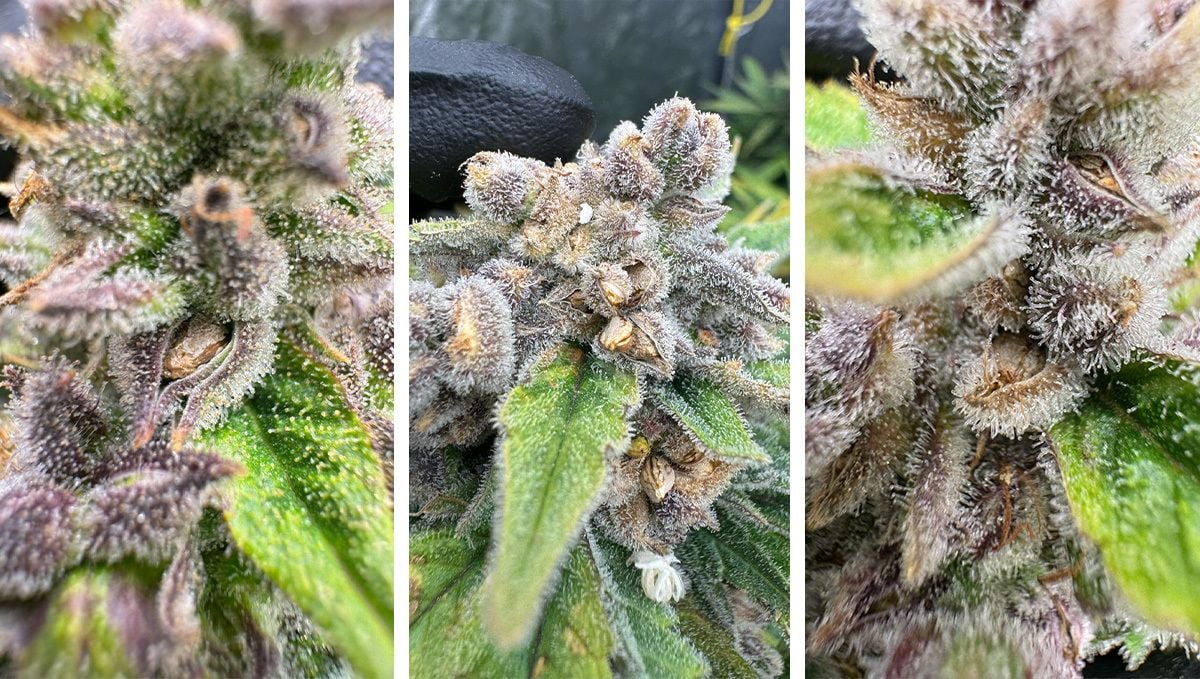
But the journey does not end with the cut. Ahead lies drying, seed extraction, and the most important part of the entire project — testing. Only after germination tests and grow‑outs will it become clear which of these seeds truly carry the potential for the next generation.
FAQ
Cannabis breeding never really stops. As new parent plants and improved breeding lines become available, we revisit our flagship cultivars to improve traits such as resin production, plant structure, terpene expression, and overall consistency while preserving the characteristics growers already love.
The new version is an evolution of the original rather than a completely different strain. The goal was to improve overall performance without changing the identity that made Gorilla Cookies one of our most awarded cultivars.
Our focus was on plant vigor, resin production, flower density, terpene intensity, and overall consistency across different growing environments while maintaining the same powerful effects and recognizable profile.
Breeding a stable cultivar takes several generations of selection and testing. Every generation is evaluated before the next breeding step begins, making the process much longer than simply creating a new cross.
Because there's always room for improvement. New breeding material, better selections, and years of grower feedback allow us to refine genetics without losing the characteristics that made them successful in the first place.
Phenotype selection is the process of growing a large population of plants and choosing the individuals that best express the traits you're looking for, such as aroma, potency, resin production, plant structure, vigor, and overall performance.
A new generation is only released after repeated cultivation trials confirm that it consistently performs better than the previous version while remaining stable and true to the original cultivar.
It can, which is why preserving the original character is one of the most important parts of the breeding process. The objective is refinement, not creating a completely different cultivar.
It's extremely important. Thousands of grow reports, community feedback, and observations from growers help us understand how a cultivar performs under different conditions and often influence future breeding decisions.
Yes. We continuously evaluate our entire catalog and regularly revisit established cultivars whenever we believe we can make meaningful improvements without losing the qualities that made them successful.
Comments