




Growing Cannabis In An Aeroponic System

- 1. What is aeroponics?
- 2. How does aeroponics work?
- 3. The anatomy of aeroponic setups
- 4. Advantages of growing in aeroponics
- 5. Disadvantages of growing in aeroponics
- 6. Coco-coir cannabis cultivation
- 7. In conclusion
Aeroponics is an advanced form of hydroponic growing that allows plants to grow without soil or traditional growing media. Instead, the roots are suspended in the air and supplied with water and nutrients through a fine mist. This technique is particularly useful in controlled indoor environments, where space and water efficiency are important. Aeroponics can be used to grow plants from feminized seeds, as well as a wide variety of crops, including tomatoes, lettuce, herbs, and other vegetables. Read along for everything you need to know about growing in aeroponics in 2026.
1. What Is Aeroponics?
Aeroponics is a method of growing plants in which no soil or other medium is used, providing plants with high levels of oxygen and CO2 while misting the roots with a nutrient solution to meet their needs for proper growth.
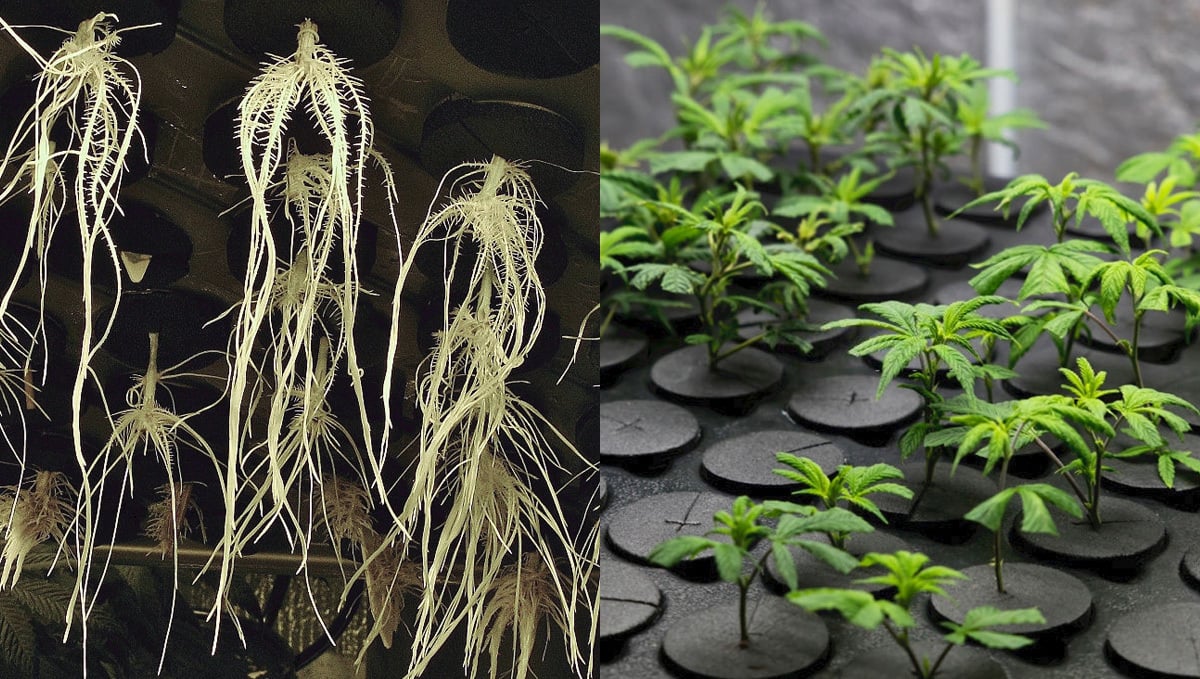
This method of growing is said to have been invented out of hydroponic techniques and is still considered a hydroponic technique by a lot of growers. One important distinction is that aeroponics is not simply hydroponics without water. In conventional hydroponics, roots typically remain in contact with a liquid nutrient solution or moist substrate. In aeroponics, roots are suspended in an enclosed chamber and receive moisture through periodic spraying or misting. This distinction affects how water, nutrients, and oxygen reach the root surface.
2. How does Aeroponics work?
To be able to build an aeroponic system, you will need some specific equipment that includes a drainage system, sprinklers, a net or special pot, two reservoirs, and a water pump. Aeroponics consists mainly of suspending the roots in the air, unlike growing in soil or other mediums where sometimes there’s a lack of oxygen or CO2. In this method, the roots are literally surrounded by oxygen and CO2, thus fixing this problem. This system is similar to a hydroponic system called DWC, and like in the DWC system, there is a need to have two reservoirs: one for storing plain water and the other one to store the nutrient solution.
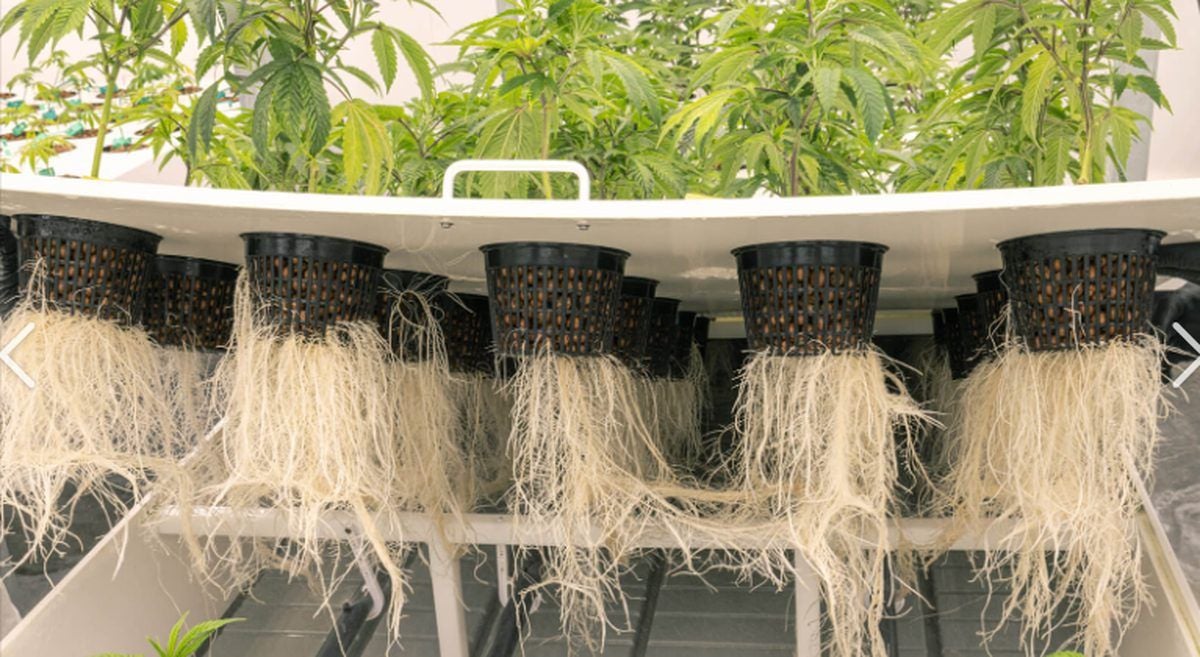
As you may know, roots also need water to grow. This is where the sprinklers, reservoir, and pump come in. Every 3-5 minutes, the pump will turn on and mix water with the nutrient solution and mist it all over the roots, completely covering them. This, combined with the proper amount of light and the widely available oxygen and CO2, will guarantee a healthy plant.
After the excess water has dropped to the bottom of the reservoir, the pump will collect it and take it to the nutrient reservoir where it will be recycled for the next misting cycle or to another reservoir where it can be later disposed of. This method doesn’t use soil or any other medium, and by controlling the amount of water their plant gets, growers use considerably less water (more than 50% less) while still covering their plant’s nutrient needs.
Aeroponic systems can be classified as low-pressure or high-pressure systems. Low-pressure systems typically use larger droplets, while high-pressure systems produce a finer mist using specialized equipment. The distinction matters because droplet size influences how moisture is distributed across exposed root surfaces.
3. The Anatomy of Aeroponic Setups
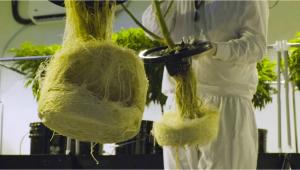
An aeroponic setup works in a fairly simple manner. With the roots suspended in mid-air, the nutrient solution is provided via misting while getting the oxygen it needs from the air. And when combined with CO2 and sunlight, it results in beautiful, healthy plants. So all you need to get your own aeroponic setup running is:
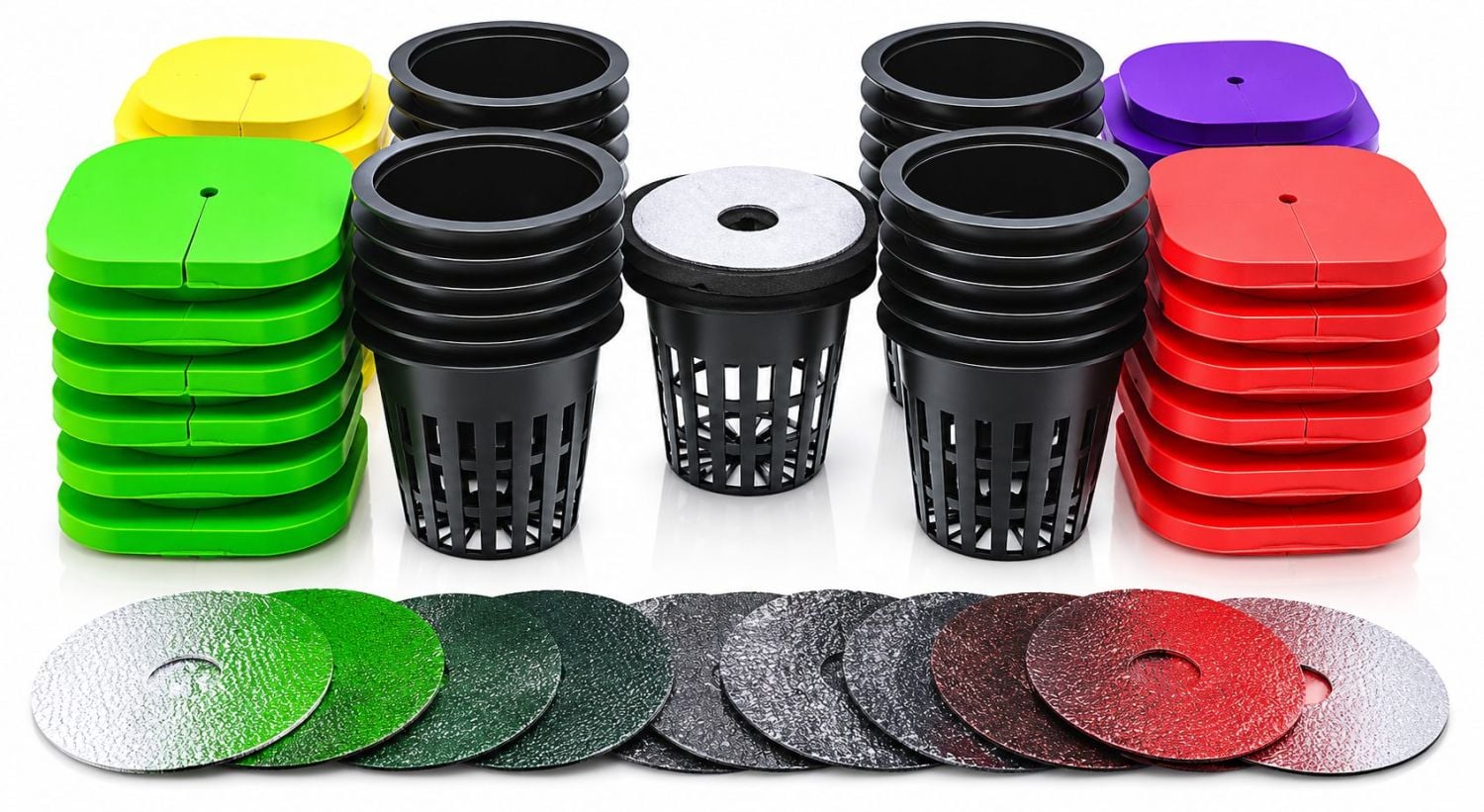
Plastic tote with net pots
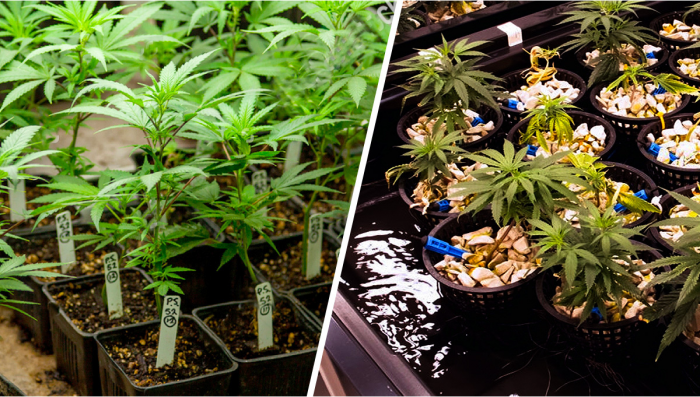
This is where you’ll grow your plants. The net pots help support the roots, and the tote should contain the mist nozzles and a drainage system when needed.
Reservoir
This is where the nutrient solution is stored. Always make sure to check the pH and EC of the solution, as in this type of setup, roots are directly exposed to the nutrient solution.
Water Pump
The water pump is what will take the nutrient solution from the reservoir to the plastic tote, and it’s what’ll make the mist nozzles mist the roots.
Another important component is the root chamber itself. This enclosed space protects the roots from direct light while containing the nutrient mist. Keeping light out also helps limit algae growth on wet surfaces. The chamber's design influences moisture distribution, drainage, and access for inspection and maintenance.
The main idea behind aeroponic setups is to have the roots growing out of the net pot while the misting nozzles, which are attached to a tube that’s attached to the water pump, deliver water and nutrients. The mist released by the nozzles covers the roots while excess moisture is collected at the bottom of the tote, which goes back to the reservoir.
4. Advantages Of Growing In Aeroponics
As said above, aeroponics doesn’t use any type of medium. The lack of medium causes the grower to need less space per plant. The roots don’t grow too much because all they need is directly available to them, so they don’t need to fight for space.
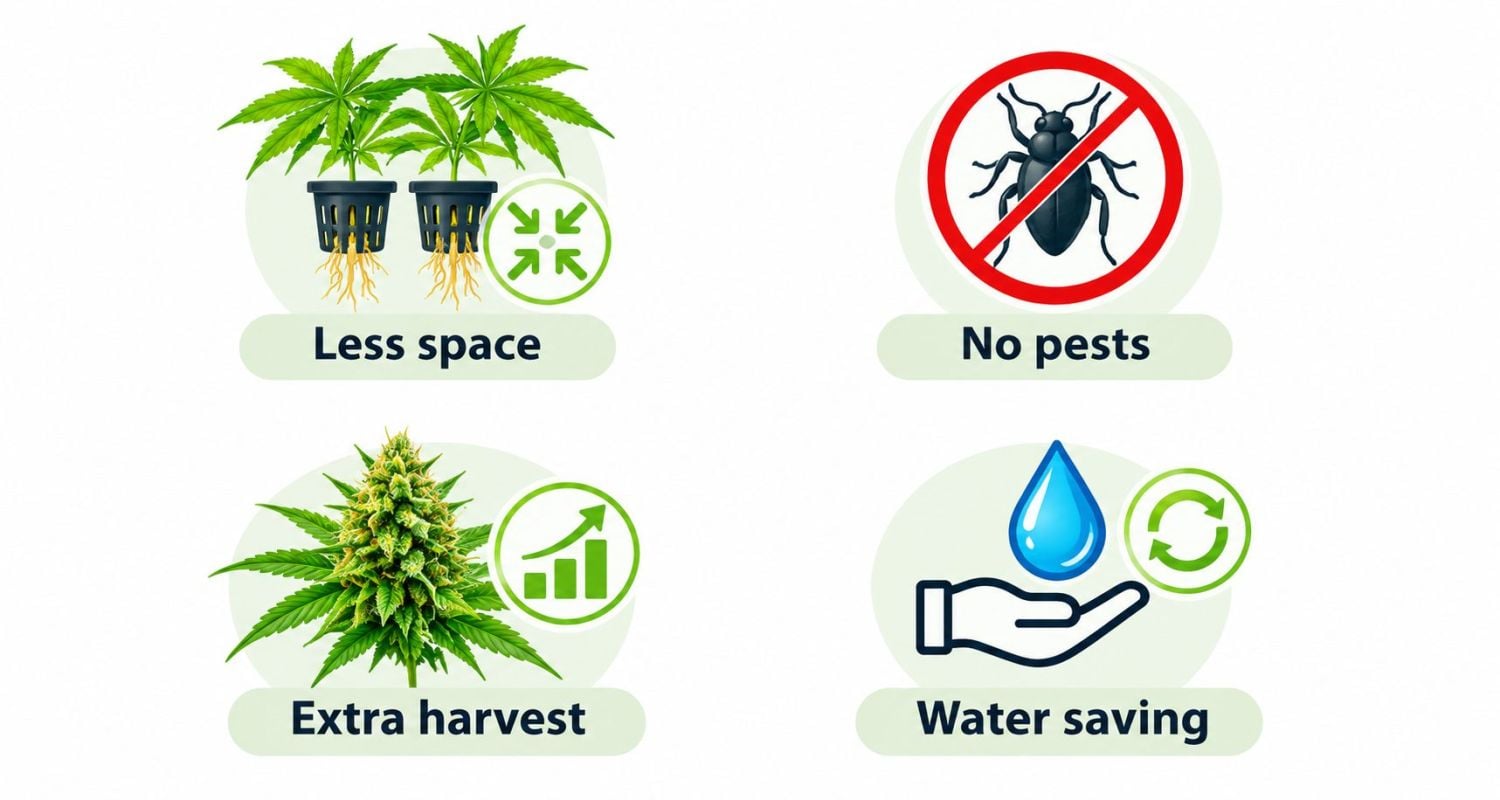
One of the advantages is the ability to have an extra two to three harvests per year, as the roots don’t “fight’ against the soil, so the plants grow faster and more efficiently. This means the plants will need less space, water, and nutrients, being able to produce bigger yields and more trichomes while drastically cutting down water and nutrient usage. This also helps combat bugs and pests, as almost all bugs that affect cannabis need soil and decaying organic matter in some parts of their life cycle. This doesn’t mean it will completely prevent bugs, but it will drastically lower the risk of your plants getting infected.
Aeroponics also offers an interesting advantage for plant research: roots can be observed without digging through soil or disturbing a growing substrate. This makes it useful for studying root development, nutrient uptake, and plant responses to environmental conditions. For this reason, aeroponic technology has applications beyond commercial horticulture, including scientific research and controlled-environment agriculture.
5. Disadvantages Of Growing In Aeroponics
Despite all the benefits, aeroponics has some major disadvantages and is one of the most expensive ways to cultivate plants. There are a lot of things that can cause problems and increase the cost when growing in this kind of system. First of all, aeroponics requires attention 24/7, and the person responsible must have experience with this kind of system, as it’s not for beginners.
Second, aeroponics requires water every 5-15 minutes. This means the grow space needs to have electricity available all day long. This causes growers to have to invest in power generators as a backup in case of a power outage. A small leak in a reservoir or the lack of electricity to power up the sprinklers at the correct time will cause plants to start dying very quickly and can be dead beyond salvage in less than a day. So, even though it has a lot of advantages, it is usually used for growing just a few plants and is not recommended for large grow operations.
Another limitation is the system's dependence on mechanical components. Pumps, filters, and spray nozzles can experience wear or become obstructed by mineral deposits and suspended particles. Unlike soil-based systems, which retain some moisture around the roots, aeroponic systems generally provide less protection against interruptions in water delivery. This makes equipment reliability an important consideration when evaluating the technology.
Alrighty then, everything you need to know about aeroponics. Without a doubt, aeroponics is one of the most advanced and efficient growing solutions when it comes to cultivating cannabis. With this method, nutrient-rich water is misted directly onto the root system of plants suspended in mid-air. This creates a microclimate that encourages accelerated growth rates, increased yields, and improved aroma, taste, and quality of flower. But it goes without saying that aeroponic systems are pretty complicated, especially if you are new to cannabis cultivation.
So, if you're just starting out and you want to dip your toes into the wild world of hydro cultivation, but don't feel like setting up as complicated a system as aeroponics, where should you start? Coco-coir, without a doubt...
6. Coco-Coir Cannabis Cultivation
Coco-coir has been used for centuries as an additive to soil, but it's only in the last decade or so that we have seen the meteoric rise that has made it one of the top substrates for growing cannabis. Why?
A few reasons, actually. First, it is a very forgiving substrate that provides an ideal environment for roots to thrive in. It offers many of the benefits of both hydro and soil cultivation styles, without most of the disadvantages. It has a much higher rate of oxygenation when compared to pure soil (about 70% more). It is incredibly lightweight, and it is also very resilient and can withstand multiple harvests without having to be replaced. It's also highly resistant to pests and diseases, due to its ability to maintain an ideal pH balance for cannabis plants, all while being totally inert. Inert?
Yep, inert. This just means that although it is made from natural materials, it contains no nutrients of its own. This allows you, the grower, to easily control the amount and type of fertilizer your cannabis plants are receiving. Nowadays there's a ridiculous amount of coco-specific nutrients on the market, so no need to worry about that. All in all, coco-coir is the perfect substrate for beginner and experienced growers alike, as it offers many of the benefits found in more complex hydroponic systems, without the steep learning curve. So if you're just getting into cannabis cultivation, maybe start with coco, and if you are finding that hydroponic cultivation is what you're into, then it may be time to invest in an aeroponic setup.
7. In Conclusion
Like hydroponics, growing in aeroponics has a lot of advantages and can result in better overall quality than growing in soil. This technique is similar to hydro and uses almost all the same equipment you would use in a hydro setup. The high cost and knowledge are needed to do aeroponics. It has an expensive starting cost and requires high maintenance. Having said that, we do recommend all growers try both hydroponic and aeroponic techniques and draw their own conclusions. Try our Purple Lemonade Auto RF3, and you'll be amazed how well it performs in a hydroponic setup.



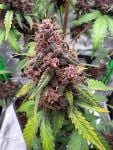


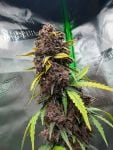

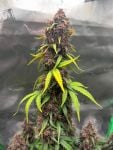

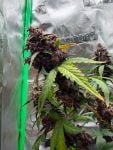

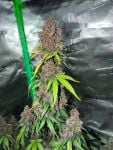
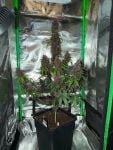

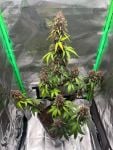
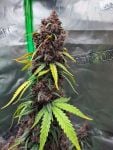


Even though it can be hard to successfully maintain an aeroponic grow, with time you’ll get more experienced, and the results may surprise you.
FAQ
Yes, well-designed aeroponic systems can use significantly less water than conventional soil cultivation. This is largely because water can be collected and recirculated rather than being lost through drainage.
Aeroponics is generally better suited to experienced growers because it relies on pumps, misting equipment, and precise environmental control. Beginners may find soil or coco coir easier to understand and maintain.
A typical aeroponic system includes a root chamber, plant supports, a nutrient reservoir, a water pump, misting nozzles, and a drainage system. Some designs also incorporate filters, timers, and monitoring equipment.
Aeroponics can support faster plant growth since the roots are directly exposed to the nutrient solution. However, faster growth is not guaranteed and depends on other factors such as environmental conditions and genetics.
A power outage can interrupt the pump and prevent water from reaching the roots. Because aeroponic systems provide little moisture buffering, prolonged interruptions can cause plants to experience water stress.
Aeroponics generally has higher initial equipment costs than traditional soil cultivation. Pumps, specialized nozzles, reservoirs, and monitoring devices can increase the investment, while electricity and maintenance contribute to ongoing expenses.
Plant roots need oxygen for cellular respiration, which provides energy for essential biological processes. Suspending roots in an aerated chamber lets oxygen reach their surfaces, as long as the roots stay sufficiently moist.
Yes, aeroponic systems can operate outdoors, though they are more commonly used in controlled environments. Outdoor installations face additional challenges, including weather exposure and equipment protection.
Aeroponics can reduce water consumption and eliminate the need for soil, making it attractive for resource-efficient agriculture. However, its overall environmental impact also depends on electricity consumption, equipment manufacturing, and nutrient management.
Aeroponics delivers nutrients directly to exposed roots through misting, while coco-coir cultivation uses coconut fibers as a physical growing substrate. Coco coir retains moisture and supports roots, making it generally more forgiving than aeroponics.


Comments